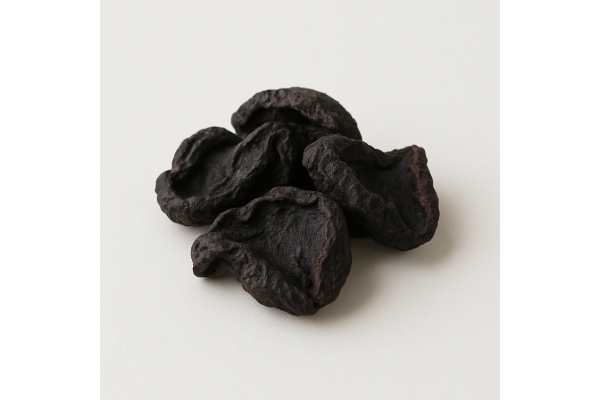
Kokum, the deep purple fruit of the Garcinia indica tree, is a regional staple along India’s western coast that is slowly gaining wider attention. Traditionally used as a souring agent, cooling summer drink, and home remedy for digestive complaints, kokum offers more than just tartness. Its rind and juice are rich in organic acids, anthocyanin pigments, and other bioactive compounds that contribute color, flavor, and potential health benefits.
Today, kokum appears in everything from refreshing sherbets and sol kadhi to concentrated syrups, dried rinds, and kokum butter used in food and cosmetics. Early research suggests antioxidant, anti-inflammatory, and metabolic effects, although most data come from laboratory and animal work, with only a few human studies so far. This article walks you through what kokum is, what is known about its nutrition and benefits, how to use it safely, and how to select and prepare it so you can enjoy its flavor and possible advantages with confidence.
Kokum At a Glance
- Kokum rind and juice provide organic acids, anthocyanins, and polyphenols that add antioxidant and potential metabolic support.
- Experimental and limited clinical evidence suggests roles in digestive comfort, weight management support, and protection from oxidative stress.
- A practical serving is about 5–10 g dried rind or 150–250 ml diluted kokum drink per day, a few days per week, adjusted for taste and tolerance.
- People with very low blood pressure, unstable blood sugar, or those on anticoagulants or anti-diabetic drugs should be cautious with concentrated kokum preparations.
Table of Contents
- Kokum Background and Everyday Uses
- Kokum Nutrition Profile and Key Compounds
- Evidence Based Health Benefits of Kokum
- Kokum Risks, Sensitivities and Interactions
- Choosing Kokum Quality, Sustainability and Storage
- Preparing Kokum, Cooking and Nutrients
- Kokum Portions, Comparisons and FAQs
Kokum Background and Everyday Uses
Kokum comes from Garcinia indica, an evergreen tree native to India’s Western Ghats. It thrives in the humid coastal belt, especially in Maharashtra, Goa, Karnataka, and parts of Kerala. The fruit is about the size of a small plum, with a thick, dark purple rind and a soft, acidic pulp. Traditionally, the rind is sun-dried and often lightly salted to produce a stable ingredient that can be used year-round as a souring and cooling agent.
In regional cuisines, kokum plays several roles:
- As a souring agent in curries, dals, and vegetable dishes, often in place of tamarind.
- As the base of kokum sherbet or squash, a sweet–sour beverage served chilled to relieve heat and acidity.
- In sol kadhi, a coastal drink made with coconut milk, kokum extract, and spices, commonly enjoyed as a digestive after meals.
- As kokum butter (from the seeds), used in confectionery and increasingly in skincare due to its firm texture and emollient properties.
In traditional practice, kokum is used for sunstroke, heat exhaustion, acid reflux, mild diarrhea, and skin irritation. The cooling, tangy drink is a familiar household remedy for summer discomfort, while the rind infusion has been applied to rashes and minor burns. Modern pharmacological overviews confirm that various kokum extracts show antioxidant, anti-inflammatory, and antimicrobial activity in experimental settings, which aligns with many of these historical uses.
It is important not to treat kokum as identical to other Garcinia fruits, such as Garcinia cambogia, even though both contain hydroxycitric acid. Kokum has its own mixture of organic acids, pigments, and polyphenols and is primarily a culinary fruit rather than a standardized supplement.
Today, kokum remains underused outside its native region, which means there is substantial room for people to adopt it as a refreshing alternative to sugary soft drinks and as a distinctive souring agent that adds complexity without relying on vinegar or large amounts of salt.
Kokum Nutrition Profile and Key Compounds
Kokum’s nutrition profile is best understood by looking at both its basic macronutrients and its characteristic bioactive components. In terms of calories, the fresh fruit is relatively light, with modest amounts of carbohydrate from natural sugars and organic acids, a small amount of protein, and very little fat. Dried rind is more concentrated but used sparingly, so its caloric contribution in a dish or drink is usually modest.
Where kokum stands out is in its micronutrients and phytochemicals. The rind contains:
- Vitamin C and other organic acids, contributing to its sour taste and antioxidant potential.
- Minerals such as potassium, calcium, and small amounts of iron and magnesium.
- Anthocyanins, the pigments responsible for its deep red-purple color.
- A range of phenolic acids and flavonoids that add to its antioxidant and anti-inflammatory properties.
One of the best-known constituents of kokum rind is hydroxycitric acid (HCA), present at relatively high levels compared with many other fruits. HCA has been investigated across Garcinia species for possible roles in fat metabolism, appetite regulation, and weight management by inhibiting ATP-citrate lyase, an enzyme involved in the synthesis of new fat from carbohydrates. Kokum is considered one of the richer natural sources of HCA, although the exact content varies with variety, maturity, and processing.
Kokum is also known for garcinol, a polyisoprenylated benzophenone with notable antioxidant and anti-inflammatory activity in experimental work. Together with anthocyanins and other polyphenols, garcinol contributes significantly to kokum’s total antioxidant capacity. Studies using polyphenol-enriched kokum fractions have shown inhibition of digestive enzymes such as pancreatic lipase and alpha-amylase in laboratory models, suggesting a potential role in moderating fat and carbohydrate digestion.
From a practical standpoint, the amount of these compounds you consume depends heavily on form and preparation:
- A glass of kokum sherbet made from soaked rinds or syrup provides a small but meaningful dose of anthocyanins and organic acids.
- Dried rind used as a souring agent adds color and polyphenols in small, repeated amounts to food.
- Kokum butter, being derived from seeds, is rich in saturated fats like stearic and oleic acids and minor bioactives, but relatively low in the colorful anthocyanins that dominate the rind.
Kokum’s nutritional contribution is therefore less about bulk macronutrients and more about these concentrated plant compounds delivered in each glass of drink or spoonful of tangy gravy.
Evidence Based Health Benefits of Kokum
Scientific interest in kokum has grown rapidly, but the strongest evidence still comes from laboratory and animal studies, with fewer controlled human trials. Even so, several promising themes have emerged that help explain kokum’s traditional uses and hint at its potential roles in modern health strategies.
A major area is metabolic health and weight management. Experimental studies using kokum fruit extracts and polyphenol-enriched fractions suggest that they can inhibit digestive enzymes involved in breaking down dietary fat and carbohydrate. This can reduce the rate at which these macronutrients are absorbed, potentially lowering the post-meal surge in blood triglycerides and glucose. In animal models of obesity, kokum-derived compounds have been associated with reduced weight gain, improved lipid profiles, and lower markers of oxidative stress.
Another important domain is antioxidant and anti-inflammatory activity. Kokum’s anthocyanins, garcinol, and various phenolics demonstrate strong free-radical-scavenging capacity in laboratory assays, as well as downregulation of inflammatory mediators in models of arthritis, liver injury, and cardiovascular stress. While antioxidant capacity measured in the lab does not automatically translate into proven disease prevention, diets that include a variety of colorful, polyphenol-rich plant foods are consistently linked with better long-term health outcomes, and kokum can contribute to that diversity.
Digestive health is where kokum’s traditional and modern roles intersect most clearly. Kokum sherbet and rind infusions have long been used for acidity, mild indigestion, and chronic gastritis. A randomized controlled trial in people with chronic gastritis reported that kokum rind extract combined with honey improved symptoms such as heartburn, stomach pain, and post-meal fullness over several weeks, without major side effects. This early human evidence supports its traditional reputation as a gentle antacid and stomach soother, though larger and longer trials are still needed.
Preclinical work also points to possible protective effects on the heart, liver, brain, and immune system. For example, kokum extracts have shown the ability to reduce markers of oxidative damage in cardiac tissue, protect liver cells from certain toxins, and inhibit the growth of several bacterial strains in laboratory settings. These findings are encouraging but should be seen as a basis for further research rather than guarantees of benefit for everyday use.
Taken together, current evidence suggests that kokum can contribute meaningfully to a diet that supports digestive comfort, healthy weight, and reduced oxidative stress. It is best understood as a supportive functional food rather than a replacement for prescribed medical therapy or a stand-alone cure for complex conditions.
Kokum Risks, Sensitivities and Interactions
Despite its long history of use, kokum is not completely risk free, especially when used in concentrated forms or by people with specific health conditions. Most concerns can be managed through moderation and transparency with healthcare providers.
The most common issues are digestive. Kokum is naturally acidic and, in large amounts or strong preparations, may aggravate stomach discomfort, gastritis, or reflux in sensitive individuals, particularly if taken undiluted or on an empty stomach. Conversely, many people find that mildly diluted kokum drinks or dishes feel soothing, especially during hot weather or after heavy meals. This highlights how dose and context determine whether kokum feels comfortable or irritating. Overconsumption of very strong syrups, concentrates, or extracts can sometimes lead to loose stools or abdominal cramping.
Kokum’s influence on metabolic pathways is another double-edged sword. Its potential ability to modestly lower blood sugar and improve lipid handling may be useful in metabolic syndrome, but it also means that individuals with diabetes who take medications that lower blood glucose should be cautious. Adding a moderate kokum drink to meals is usually safer than using high-dose capsules or extracts, but it is sensible to monitor blood sugar when increasing intake and to mention kokum use to the clinician managing your diabetes.
There are theoretical concerns around blood clotting and blood pressure as well. Polyphenol-rich foods can sometimes have mild blood-thinning or vasodilatory effects. For people taking anticoagulants, antiplatelet drugs, or antihypertensive medication, concentrated kokum extracts should be approached with care, and any regular use should be discussed with a healthcare professional. At typical culinary levels, serious interactions appear unlikely, but caution is still recommended.
Allergic reactions to kokum seem rare, yet they are possible with any plant food. Symptoms might include itching in the mouth, hives, flushing, or swelling. Because kokum belongs to the Clusiaceae family rather than more common allergenic families, cross-reactivity patterns are not well documented. Anyone who has experienced unusual or severe symptoms after consuming kokum products should avoid further exposure until evaluated.
Pregnancy and breastfeeding deserve special mention. Kokum drinks and dishes are often consumed during pregnancy in some regions, mainly for cooling and digestive comfort. However, concentrated HCA-based supplements and high-dose extracts from Garcinia species, including kokum, are generally discouraged in pregnancy and during breastfeeding because comprehensive human safety data are lacking. Modest dietary use is usually acceptable, but high-dose or long-term supplemental use should only be considered with professional guidance.
In summary, most healthy adults can enjoy kokum in food and beverages without difficulty when it is diluted and consumed in moderation. People with chronic conditions, especially those involving blood sugar, blood clotting, or stomach integrity, should treat kokum as a functional ingredient and discuss regular use with their healthcare team.
Choosing Kokum Quality, Sustainability and Storage
Kokum is sold in several forms, and quality can vary significantly depending on how it is harvested, processed, and stored. Choosing well not only improves taste but may also preserve more of the fruit’s beneficial compounds while reducing the risk of contaminants.
The classic form is dried kokum rind, often slightly salted. High-quality rinds have a deep wine-red to purple color when rehydrated, a clean sour-fruity aroma, and intact, leathery pieces rather than brittle flakes or excessive powder. Very dark, almost black pieces with a burnt smell may have been overdried or exposed to excessive heat, which can degrade sensitive pigments and alter flavor. Visible mold, insect damage, or foreign particles are signs to avoid that batch.
Kokum syrup or squash is another popular form. Here, the ingredient list matters. A good syrup typically contains kokum extract or juice, sweetener, water, and possibly a little salt or spices. Because kokum naturally has a strong color and flavor, it does not need artificial colors or flavors. If you are concerned about added sugars, you can choose products labeled as low-sugar or make your own syrup at home, controlling both sweetness and strength.
Kokum butter, extracted from the seeds, is used in confectionery and in skincare. For food uses, look for pure kokum butter without added hydrogenated fats. In cosmetic applications, both refined and unrefined butters are available, with refined versions having a more neutral odor and longer shelf life, and unrefined ones retaining more of the native plant character.
Sustainability is increasingly important with regional crops like kokum. Much kokum is collected from smallholders in the Western Ghats, sometimes from semi-wild trees. Responsible sourcing means maintaining tree populations, avoiding overharvesting, and supporting fair prices for fruit collectors. As a consumer, you can favor brands that share information about origin, work with organized farmer groups, or emphasize sustainable agroforestry and minimal pesticide use.
At home, proper storage protects quality:
- Store dried kokum rinds in an airtight container in a cool, dark place, away from steam and direct sunlight.
- Avoid repeatedly opening the container over boiling pots, since steam introduces moisture that can encourage mold.
- Keep syrups tightly sealed, and refrigerate after opening if the label recommends it.
Under good conditions, dried kokum rind can retain flavor, color, and aroma for up to about a year. Syrups are more perishable and should be consumed within the timeframe indicated on the packaging, with any off smells, flavor changes, or visual changes taken as signs that the product should be discarded.
Preparing Kokum, Cooking and Nutrients
The way you prepare kokum influences both its sensory qualities and how much of its beneficial compounds remain. Traditional methods tend to be quite gentle and, in many cases, align well with what is known about preserving anthocyanins and polyphenols.
For dried rind, soaking is the foundation of most preparations. Rinse the rinds briefly to remove any dust, then soak them in room-temperature or slightly warm water for 20–30 minutes. The water gradually turns pink to deep red as pigments and acids are released. This soaked extract, along with the softened rinds, can then be used in cooking or beverages.
In savory dishes, kokum often replaces or complements tamarind. After tempering spices and simmering the main ingredients, the soaked kokum is added towards the middle or end of cooking. This step adds sourness and color without prolonged boiling, which could dull the pigments and sharpen the acidity too much. If the flavor is too intense, you can remove some of the rinds before serving.
For drinks, kokum extract is combined with water, sweetener to taste, a pinch of salt, and sometimes spices such as cumin or ginger. Sherbet is usually served chilled with ice, making it a refreshing way to hydrate in hot weather. Sol kadhi blends kokum with coconut milk and herbs for a richer drink commonly sipped after meals. Because these beverages are not boiled for long after kokum is added, they tend to preserve more of the fruit’s heat-sensitive compounds.
Good pairings can enhance kokum’s nutritional impact. The acidity of kokum can improve iron absorption from plant-based meals, particularly when paired with legumes or whole grains. At the same time, using kokum as a flavorful base for drinks instead of sugary sodas reduces reliance on heavily processed beverages.
To get the most from kokum:
- Use gentle heat for extraction rather than vigorous boiling.
- Add kokum towards the end of cooking in curries and stews.
- Keep beverages moderately strong and not overly sweet, so the fruit remains the focus.
- Prepare only as much drink as you intend to use within a day, since color and flavor can fade with long storage.
For kokum butter, low-temperature inclusion in chocolate or confections helps maintain its smooth, firm texture. It is usually added towards the end of processing to avoid graininess and preserve its natural structure.
These practical techniques allow you to enjoy kokum’s flavor while giving its beneficial compounds the best chance to reach your plate or glass intact.
Kokum Portions, Comparisons and FAQs
Because kokum is used primarily as a flavoring and beverage base, realistic portion guidance is expressed in grams of rind or milliliters of drink rather than in large servings. For most healthy adults, reasonable everyday ranges look like:
- Around 5–10 g of dried kokum rind infused into enough water for a family-sized curry or several glasses of sherbet.
- Approximately 150–250 ml of diluted kokum drink once per day during hot weather, a few days per week, depending on taste and sugar content.
These amounts provide noticeable taste and a modest dose of anthocyanins, organic acids, and polyphenols without excessive acid load or sugar when prepared thoughtfully. People with acid-sensitive digestion may need to stay at the lower end, while those focused on metabolic health should prioritize low-sugar or lightly sweetened versions.
In comparison with other souring agents:
- Versus tamarind: Kokum is less sweet, darker in color, and often described as slightly more fruity and clean in acidity. Tamarind pulp contributes more natural sugar and a different aromatic profile.
- Versus citrus: Lemon or lime juice gives a fresher, brighter acidity but lacks kokum’s deep color and anthocyanin content.
- Versus Garcinia cambogia: Both fruits contain hydroxycitric acid, but kokum has a broader traditional culinary use and a slightly different balance of HCA and polyphenols. Garcinia cambogia is more commonly encountered in supplement form than as a daily food ingredient.
Common questions include:
Is it good to drink kokum every day?
For many people, a modest daily serving of diluted kokum drink can be part of a healthy pattern, particularly in hot climates. The main considerations are to avoid very strong or undiluted preparations, keep added sugar moderate, and be careful if you have acid-related digestive issues or are on medications affected by kokum’s potential metabolic effects.
Is kokum effective for weight loss?
Kokum alone is unlikely to cause significant weight loss. Its compounds may modestly influence fat and carbohydrate metabolism, but clinical data are limited and mixed. Using kokum as a low-calorie, flavorful replacement for sugary beverages, as part of a balanced diet and active lifestyle, is a more realistic way to support weight management.
Can kokum cure gastritis or ulcers?
Some early clinical evidence suggests kokum rind preparations can improve symptoms of chronic gastritis, but this should not be interpreted as a cure. Persistent digestive symptoms always warrant medical evaluation. Kokum may be one supportive element in a broader plan that could include medication, dietary changes, and lifestyle adjustments.
Is kokum safe for children?
Diluted kokum drinks and small amounts of kokum in family dishes are typically well tolerated by children who have no known allergies and no significant digestive disease. Very strong or highly concentrated preparations should be avoided, particularly in younger children, because of their more sensitive stomach lining.
Who should limit or avoid kokum?
Individuals with chronic gastritis or peptic ulcer disease, those on anticoagulants or anti-diabetic medications, pregnant or breastfeeding women considering kokum supplements, and anyone with a history of allergy to kokum or related plants should be cautious and seek professional guidance before using kokum regularly or in concentrated forms.
Used in these sensible ranges and with awareness of personal health, kokum can move from a regional specialty to a regular, enjoyable ally in a modern, health-conscious kitchen.
References
- Pharmacological Activity of Garcinia indica (Kokum): An Updated Review 2021 (Systematic Review)
- Bioactive Compounds, Bio-Functional Properties, and Food Applications of Garcinia indica: A Review 2022 (Review)
- Evaluation of Bioactive Constituents of Garcinia indica (Kokum) as a Potential Source of Hydroxycitric Acid, Anthocyanin, and Phenolic Compounds 2022 (Research Article)
- Polyphenol-Enriched Fraction and the Compounds Isolated from Garcinia indica Fruits Ameliorate Obesity through Suppression of Digestive Enzymes and Oxidative Stress 2020 (Research Article)
- Effect of Kokum (Garcinia indica) Rind Extract With Honey on Chronic Gastritis: A Randomized Controlled Trial 2021 (RCT)
Disclaimer
This article is for general informational purposes only and is not a substitute for professional medical advice, diagnosis, or treatment. Kokum and other Garcinia indica products can influence digestion, blood sugar, and other aspects of health, and may interact with medications or existing medical conditions. Always discuss significant dietary changes, the regular use of functional foods, or any herbal supplements with a qualified healthcare professional who understands your personal medical history. Never delay or disregard professional medical guidance because of something you have read here.
If you found this article helpful, you are welcome to share it with others on Facebook, X (formerly Twitter), or any platform you prefer. Thoughtful sharing helps more readers access balanced, evidence-informed nutrition content and supports the continued creation of high-quality educational resources.