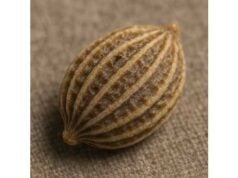
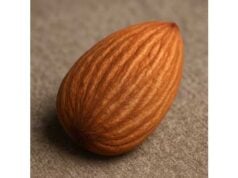
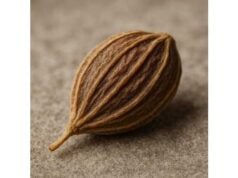
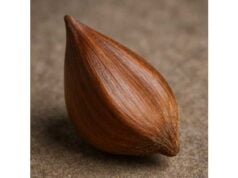
Kola nuts are the stimulating seeds of Cola trees native to West and Central Africa. Chewed fresh, brewed as a tea, or milled into powder, they deliver a natural lift from caffeine and theobromine along with tannins and polyphenols that shape their brisk, astringent taste. Beyond their cultural role at ceremonies and as a sign of hospitality, kola nuts have influenced global beverages—think “cola”—and still appear in herbal blends and traditional tonics. Nutritionally, they’re low in fat and provide modest protein and fiber; their standout “nutrient,” technically a bioactive, is caffeine. Used thoughtfully, kola can support alertness and reduce fatigue; used carelessly, it can disrupt sleep or worsen anxiety and blood pressure. This guide walks you through what to expect from kola nuts, how to use them, where caution is wise, and how to choose, store, and prepare them to preserve quality and manage caffeine sensibly.
Fast Facts
- Natural stimulant source supplying about 2–4% caffeine by weight.
- Typical serving: 2–4 g dried nut or 1 teaspoon (≈2.5 g) powder, up to once or twice a day, keeping total caffeine ≤400 mg/day.
- Safety caveat: stimulant effects (insomnia, jitteriness, higher heart rate) are dose-dependent; avoid near bedtime.
- Limit or avoid if pregnant (≤200 mg caffeine/day), breastfeeding, a child or teen, or if you have hypertension, heart rhythm problems, anxiety disorders, or reflux.
Table of Contents
- Kola nuts: detailed overview
- Kola nuts nutrition profile
- Kola nuts health benefits
- Risks, allergies and interactions
- Selecting, quality, sustainability and storage
- Preparation, cooking and nutrient retention
- Portions, comparisons and FAQs
Kola nuts: detailed overview
Kola nuts are the seeds of Cola acuminata and Cola nitida, evergreen trees in the mallow family. The nuts are segmented cotyledons ranging from ivory to deep red, typically 5–14 g each when fresh. When broken or sliced, they release a faint floral, rose-like aroma and a sharp astringency from tannins and catechins. As a traditional masticatory in West Africa, kola nuts are shared to welcome guests, seal agreements, and mark milestones. Chewing releases caffeine and theobromine—methylxanthines that increase alertness—and small sugars that temper the bitter edge.
Modern use spans three forms:
- Fresh or dried segments for chewing.
- Powder for teas, spice rubs, and herbal blends.
- Extracts standardized to methylxanthine content for supplements and beverages.
What sets kola apart? Compared with coffee beans and tea leaves, kola nuts deliver a similar stimulant package but with more tannins and less fat. Typical caffeine content falls around 1.5–3.5% (1,500–3,500 mg per 100 g), with variable theobromine. Because servings are small (often 2–4 g), total caffeine per use may resemble a cup of black tea rather than coffee—unless you overdo it.
Flavor and culinary roles. Beyond teas and tonics, finely milled kola can add a gentle bite and color to cocoa blends, spice rubs for grilled meats, or bitters-style syrups. Its tannins pair well with citrus, ginger, cocoa, and warming spices.
Quality levers. Species, cultivar, harvest maturity, drying method, and storage all shift caffeine and polyphenol levels. White kola (paler cotyledons) tends to be slightly milder than red varieties, though both can be potent. Controlled drying protects aroma; poor storage encourages mustiness and loss of vigor.
Bottom line. Kola nuts are not everyday snack nuts. They are functional seeds used in small amounts for stimulation and ritual. Handle them like strong tea: dose modestly, respect timing, and consider your sensitivity.
Kola nuts nutrition profile
How to read this section. Kola composition varies by species (C. acuminata vs C. nitida), growing region, and processing. The tables below summarize representative values for dried kola nut per 100 g from peer-reviewed analyses and official assessments. Actual products may differ; standardized extracts list caffeine on the label.
Macros and energy (per 100 g, dried)
| Nutrient | Amount | %DV* |
|---|---|---|
| Energy | ~320 kcal | — |
| Protein | ~9.0 g | 18% |
| Total fat | ~1.5 g | 2% |
| Carbohydrate (total) | ~70 g | 25% |
| Dietary fiber | ~7 g | 25% |
| Total sugars (naturally occurring) | ~10 g | — |
| Ash | ~3–4 g | — |
| Moisture | ~8–14 g | — |
*%DV based on U.S. adults. DVs exist for protein (50 g), total fat (78 g), carbohydrate (275 g), and fiber (28 g). Energy values are estimates from macros.
Carbohydrates breakdown (per 100 g)
| Component | Amount |
|---|---|
| Starch | ~48–50 g |
| Sugars (glucose, others) | ~8–12 g |
| Fiber (cellulose and non-cellulosic) | ~6–8 g |
Fats and fatty acids (per 100 g)
Kola is naturally low in lipids. Trace fatty acids are present; there is no meaningful cholesterol or omega-3/omega-6 contribution.
| Component | Amount |
|---|---|
| Total fat | ~1–2 g |
| Saturated fat | ~0.3 g |
| Monounsaturated + Polyunsaturated | ~0.7–1.5 g |
Protein and amino acids
Total protein is modest (~7–10%). Glutamic acid and aspartic acid are typically the most abundant amino acids; essential amino acids are present but not concentrated enough for kola to serve as a protein source.
Minerals (typical, per 100 g, dried)
| Mineral | Amount | %DV |
|---|---|---|
| Potassium | ~300–650 mg | 6–14% |
| Magnesium | ~30–150 mg | 7–36% |
| Phosphorus | ~50–200 mg | 4–16% |
| Calcium | ~50–80 mg | 4–6% |
| Iron | ~2–4 mg | 11–22% |
| Sodium | ~10–30 mg | 0–1% |
| Zinc | ~0.6–1.6 mg | 5–15% |
Bioactives and phytonutrients (per 100 g, dried)
| Bioactive | Typical amount |
|---|---|
| Caffeine | 1,500–3,500 mg |
| Theobromine | ~50–1,000 mg |
| Catechins (incl. epicatechin) | ~2–24 mg/g (varies by species) |
| Tannins (including “kola red” phlobaphens) | Present, variable |
| Theophylline, methylliberine, kolanin (glycoside) | Trace to low |
Allergens and intolerance markers
No major protein allergens have been established for kola nut. However, caffeine sensitivity and tannin-related gastric irritation are common intolerance issues.
Anti-nutrients and residues
Tannins can bind iron and reduce absorption when consumed with iron-rich meals. As with other stored seeds, improper drying or storage can elevate mold risk; buy from reputable suppliers and avoid musty product.
Footnote: Numbers reflect dried seeds from commonly cited analytical ranges. Standardized extracts will specify methylxanthines per serving; always defer to the label for exact caffeine content.
Kola nuts health benefits
1) Supports alertness and reaction time
Caffeine blocks adenosine receptors in the brain, reducing perceived fatigue and sharpening vigilance. A typical 2–4 g portion of dried kola nut supplies roughly 30–120 mg of caffeine (depending on variety and potency), comparable to a cup of black tea or a modest coffee. When used earlier in the day and within total daily limits, many people experience improved focus, quicker reaction times, and better task persistence.
2) May enhance physical performance in short bouts
In adults, moderate caffeine (about 3 mg per kilogram body weight, often 150–250 mg for many individuals) has been associated with small performance gains in endurance and high-intensity efforts. Kola’s caffeine-and-theobromine mix can feel “smoother” to some users than coffee, though effects are individual. Because chewing releases caffeine more gradually than a fast-drained cup, stamina benefits may last through a longer work session—provided you avoid overdosing.
3) Contributes polyphenols with antioxidant activity
Kola nuts contain catechins and other phenolics. While you wouldn’t choose kola as your primary polyphenol source (tea, berries, cocoa, and leafy greens outperform it), these compounds do add measurable antioxidant capacity to kola infusions and powders. In vitro assays show free-radical scavenging and enzyme-modulating effects consistent with other tannin-rich botanicals.
4) Helps some people reduce sugary caffeinated drinks
For those accustomed to sweetened sodas or energy drinks, an unsweetened kola infusion or small chewed segment can scratch the “caffeine itch” with far fewer added sugars. This swap is meaningful for calorie control and dental health.
5) Traditional digestive and social uses
Historically, kola has been used after meals to counter post-prandial sluggishness and as a social lubricant in ceremonies. The mild bitterness can stimulate saliva and, anecdotally, settle feelings of heaviness after a rich meal. While clinical documentation is limited compared with coffee or tea, customary practice underscores kola’s role as a small-dose functional food rather than a bulk snack.
Use thoughtfully. Benefits hinge on dose, timing, and sensitivity. For many adults, staying under 200 mg at once and 400 mg per day of total caffeine is a prudent ceiling. Kola near bedtime or stacked with other stimulants quickly flips benefits into sleep disruption, palpitations, or anxiety.
Risks, allergies and interactions
Stimulant-related effects. Too much kola (or combining kola with coffee, energy drinks, or pre-workouts) can trigger insomnia, nervousness, tremor, headache, acid reflux, or a racing heart. Individual thresholds vary widely. Start with the low end of the serving range and track your response.
Blood pressure and heart rhythm. Caffeine can transiently raise blood pressure and heart rate, particularly in stimulant-naïve individuals. If you have hypertension, arrhythmias, coronary disease, or you’re advised to limit stimulants, use kola nuts only with medical guidance—if at all.
Pregnancy and breastfeeding. Limit total caffeine to ≤200 mg/day during pregnancy; lactating individuals should also keep caffeine modest and time intake after nursing to minimize infant exposure. Because kola potency varies, err on the cautious side or choose decaf alternatives.
Children and adolescents. Stimulant use is discouraged in youth. Younger people experience stronger effects at lower doses, including sleep disruption and anxiety.
Gastrointestinal effects. Tannins may irritate sensitive stomachs and can bind non-heme iron from plant sources. If you have iron-deficiency anemia, avoid taking kola with iron-rich meals or supplements; space intake by a few hours.
Drug and supplement interactions.
- Other stimulants (e.g., synephrine, high-dose pre-workouts): additive increases in blood pressure and heart rate.
- Sedatives: caffeine can blunt sedative effects.
- MAOIs and certain psychiatric medications: stimulant interactions are possible; seek clinician advice.
- Theophylline: theoretically additive methylxanthine effects.
- Acid-reducing meds: faster gastric emptying can alter caffeine kinetics.
Allergy. True IgE-mediated allergy to kola nut proteins is rare but possible. Reactions would resemble other food allergies (hives, swelling, wheeze). Discontinue and seek care if symptoms develop.
Contaminants and quality. Poor post-harvest handling can lead to microbial spoilage or off-odors. Buy from reputable suppliers, prefer lots with recent harvest dates and clean certificates when available, and reject nuts or powders that smell musty, sour, or excessively stale.
Practical safety guardrails.
- Cap single intakes at ≤200 mg caffeine and daily at ≤400 mg for healthy adults.
- Avoid within 6–8 hours of planned sleep.
- If you’re caffeine-sensitive, on interacting meds, or pregnant, choose decaf alternatives or seek professional guidance before use.
Selecting, quality, sustainability and storage
Choosing good kola nuts
- Variety and color: C. acuminata (often slightly higher caffeine) and C. nitida are the main species; white (paler) kola tends to taste milder; red kola is more astringent.
- Shape and weight: Cotyledons should feel firm and dense, with clean breaks and no soft spots.
- Aroma: Fresh, faintly floral; avoid damp, musty, or sour odors.
- Processing: For powders and teas, look for single-origin or clearly labeled blends. Standardized extracts will list total methylxanthines (e.g., 10% caffeine).
Smart purchasing tips
- Harvest date and lot testing: Prefer recent harvests and vendors who share moisture specs or microbial testing.
- Whole vs. powder: Whole segments retain aroma longer. Purchase powder in small batches to rotate quickly.
- Fair trade and origin transparency: Support suppliers working directly with smallholders, which often correlates with better quality and community benefits.
Sustainability
- Kola trees thrive in agroforestry systems, providing shade and income without clear-cutting. Choosing products tied to diversified farms supports biodiversity, soil health, and farmer resilience.
- Ask sellers about post-harvest handling and drying practices; solar or low-energy dryers reduce emissions and protect quality.
Storage
- Whole nuts: Keep in breathable, dry conditions at cool room temperature. If very dry, a sealed jar with a desiccant packet prevents moisture creep; if not fully dried, allow airflow to prevent mold.
- Powder: Store airtight, cool, and dark. Aim to use within 3–4 months of milling.
- Extracts: Follow label directions; many are shelf-stable but still prefer dark, cool storage.
Signs of staleness or spoilage
- Faded aroma, dull color, or a cardboard note suggests oxidation. Musty or sour scents indicate microbial growth—discard.
- Excessive brittleness can mean over-drying; leathery softness may mean moisture uptake.
Ethical note
- In many communities, kola is deeply symbolic. When buying decorative or ceremonial nuts, respect cultural significance and avoid trivializing ritual items.
Preparation, cooking and nutrient retention
Chewing (traditional use)
Slice a thin segment (≈1–2 g) and chew slowly. Expect an initial bitterness that mellows as saliva dilutes tannins. Chewing releases caffeine gradually, which many people find gentler than coffee.
Kola tea or infusion
- Grind 1 teaspoon (≈2.5 g) dried kola or use thin shavings.
- Steep in 200–250 ml just-off-boiling water for 5–8 minutes; longer draws more tannins and caffeine.
- Strain and sip. Optional partners: ginger, lemon peel, or cocoa nibs to round the astringency.
Bitters-style syrup (for mocktails)
- Simmer 250 ml water with 250 g sugar, 1 tablespoon kola powder, orange peel, and a few cocoa nibs for 5 minutes. Cool, strain, and refrigerate. Use 5–10 ml per serving; mind cumulative caffeine.
Spice rub
- Blend kola powder with cocoa, black pepper, smoked paprika, garlic, and a pinch of brown sugar. Rub on grilled eggplant, mushrooms, or meats. Heat and fat soften tannins and temper bitterness.
Retention tips and potency control
- Shorter steeps keep bitterness in check while still extracting methylxanthines.
- Grind size matters: finer particles extract more caffeine; if you’re sensitive, use coarser shavings.
- Timing: enjoy kola earlier in the day; avoid after mid-afternoon to protect sleep.
- Stacking awareness: if you drink coffee or tea, reduce their dose on days you use kola to keep total caffeine in range.
What not to do
- Don’t boil vigorously for long periods: harsh, puckering brews and unnecessary stimulant load.
- Don’t mix with “fat burner” blends or pre-workouts unless cleared by a clinician.
Flavor pairings that work
- Citrus (orange, grapefruit, yuzu), ginger, cinnamon, vanilla, cocoa, dark honey, and seltzer or tonic water.
Portions, comparisons and FAQs
How much is a serving?
A sensible adult starting point is 2–4 g dried kola (about ½–1 teaspoon powder or a thin cotyledon slice). That may deliver 30–120 mg caffeine depending on variety and preparation. Increase only if well tolerated, and keep single intakes ≤200 mg and daily ≤400 mg total caffeine from all sources.
How does kola compare with other stimulants?
| Source (typical serving) | Approx. caffeine | Notable notes |
|---|---|---|
| Kola nut, 2–4 g | ~30–120 mg | Tannins add astringency; theobromine present. |
| Coffee, 240 ml | ~80–120 mg | Faster onset; higher oil content. |
| Black tea, 240 ml | ~40–70 mg | L-theanine may smooth feel. |
| Guarana, 1 g seed | ~40–80 mg | Caffeine bound in seed matrix; slower release. |
| Dark chocolate, 40 g | ~20–50 mg | More theobromine than caffeine. |
Who should avoid kola or use only with medical guidance?
- Pregnant or breastfeeding individuals (keep caffeine low and timed).
- Children and adolescents.
- Those with hypertension, arrhythmias, anxiety disorders, panic disorder, or severe reflux.
- Anyone on interacting medications (e.g., MAOIs, certain psychiatric drugs, stimulant prescriptions).
Can kola help with weight loss?
Caffeine can modestly increase energy expenditure and blunt fatigue, but kola is not a weight-loss solution. Sustainable changes in diet, movement, sleep, and stress management matter far more.
Will kola keep me up at night?
Very likely if taken late. Caffeine’s half-life averages 3–7 hours (longer in some people), so dose earlier in the day and avoid within 6–8 hours of bedtime.
Is “decaf” kola a thing?
No practical decaffeination process is common for whole kola nuts. If you want the flavor idea without stimulation, lean on cocoa-forward mixes and spices, or use ultra-light steeps and tiny portions.
How do I read labels for extracts?
Look for standardized caffeine percentage (e.g., “10% caffeine”). Multiply serving size by that percentage to estimate milligrams. Example: 500 mg extract at 10% caffeine yields 50 mg caffeine.
References
- Scientific Opinion on the safety of caffeine 2015 (Guideline)
- Caffeine review. – Executive summary 2025 (Guideline)
- Safety assessment of kola nut extract as a food ingredient 2009 (Review)
- A review of the characteristics and prospective applications of cola acuminata (cola nut) dye extract on textile materials 2024 (Review)
- Phytochemical Analysis and Biological Activities of Cola nitida (Vent.) Schott and Endl 2015 (Review)
Disclaimer
This article is educational and does not replace personalized medical advice. Kola nuts contain pharmacologically active stimulants. If you are pregnant or breastfeeding, have cardiovascular, psychiatric, or gastrointestinal conditions, or take prescription medicines, consult a qualified healthcare professional before using kola nuts or related extracts. Never ignore or delay professional guidance because of information you read online.
If you found this guide useful, please consider sharing it with friends or on Facebook or X. Your support helps us continue producing careful, reader-first nutrition articles.