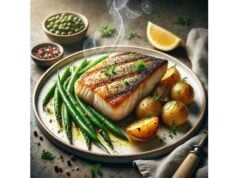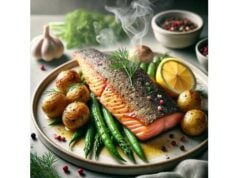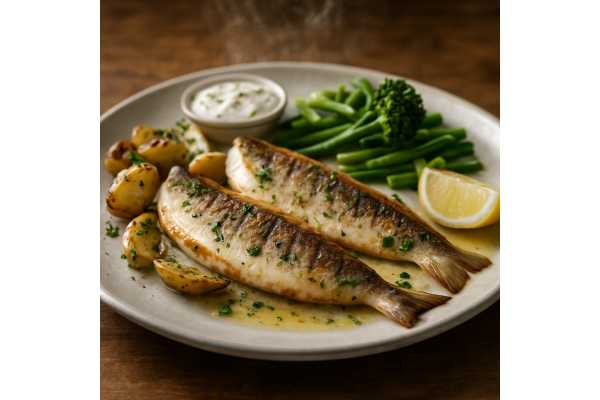
Mild, flaky, and versatile, lake whitefish (Coregonus clupeaformis) is a cold-water species prized across the Great Lakes and inland waters. Cooks love its delicate flavor and firm flesh that stands up to pan-searing, roasting, smoking, and chowders. Nutrition-wise, it is a lean, high-protein fish with meaningful omega-3s (EPA and DHA), vitamin D, selenium, and B vitamins—yet relatively low in calories and saturated fat. For families seeking an affordable, approachable seafood option, lake whitefish delivers a strong balance of taste, nutrient density, and culinary flexibility. As a freshwater species, it also raises practical questions about contaminants, seasonal availability, and sustainability practices in the Great Lakes. This guide translates the science, offers clear serving suggestions, and shares kitchen techniques that protect nutrients while keeping preparation simple and consistent. Whether you buy fillets at a market or whole fish from a community fishery, you will find here the essentials for choosing, cooking, and enjoying lake whitefish safely and confidently.
Top Highlights
- Lean protein with omega-3s (EPA and DHA) and vitamin D for heart and brain support.
- Typical serving: 100–150 g cooked fillet, eaten 1–2 times per week within a varied seafood pattern.
- Main safety note: observe local fish advisories and standard cooking temperatures; lake whitefish is generally low in mercury.
- People who must limit fish: those with finfish allergy and individuals following location-specific contaminant advisories (pregnant or breastfeeding people should be especially cautious).
Table of Contents
- Lake Whitefish Overview
- Lake Whitefish Nutrition
- Evidence-Based Benefits
- Risks, Allergies and Interactions
- Selecting, Sustainability and Storage
- Cooking and Nutrient Retention
- Portions, Comparisons and FAQs
Lake Whitefish Overview
Lake whitefish is a cold-water salmonid native to North America, especially abundant in the Great Lakes region. It thrives in deep, cool waters and is harvested commercially and by Indigenous and recreational fisheries. The fish is known for its fine flake, off-white flesh, and mild, slightly sweet taste that adapts to many cuisines. Its texture holds together in fillets and steaks yet flakes easily once cooked, making it suitable for pan-searing, baking, frying, smoking, and soups. Smoked lake whitefish is a regional specialty, and the roe (whitefish caviar) is valued for its pop and clean oceanic note.
A practical advantage for home cooks: whitefish is “forgiving.” Because the fillets are not extremely thin, they allow a short window of overcooking without drying out as fast as very lean, thin fish. The flavor also pairs well with both bright, acidic sauces (lemon, capers, dill, mustard) and richer elements (brown butter, tahini, miso, roasted garlic). This balance makes lake whitefish a reliable weeknight protein as well as a dinner-party centerpiece.
From a nutrition perspective, lake whitefish provides complete protein, is comparatively low in saturated fat, and supplies omega-3 fatty acids (EPA and DHA) in useful amounts for a “lean” fish. It also contains vitamin D, selenium, phosphorus, and vitamin B12. While fatty marine fish typically deliver more omega-3s per serving, regularly including lake whitefish within a mixed seafood routine still supports dietary targets, especially when combined with salmon, sardines, trout, or mackerel on other days.
Because lake whitefish is harvested from freshwater ecosystems, consumers should balance benefits with environmental context: follow state or provincial advisories for specific water bodies when harvesting locally; purchase from reputable processors; and store and cook properly to minimize microbial risks. Overall, with mindful sourcing and preparation, lake whitefish offers high culinary value and solid nutritional return.
Lake Whitefish Nutrition
Below are representative values per 100 g raw fish for a typical mixed-species whitefish profile used in labeling and nutrition databases. Actual values vary by season, habitat, diet, and fat content. Percent Daily Values (%DV) use established adult DVs.
Macros and Electrolytes (per 100 g, raw)
| Nutrient | Amount | %DV |
|---|---|---|
| Energy | 130–140 kcal | — |
| Protein | 19–20 g | 38–40% |
| Total Fat | 3.5–5.0 g | 5–8% |
| Saturated Fat | ~0.8–1.0 g | 4–5% |
| Carbohydrate | 0 g | 0% |
| Sodium | ~50 mg | 2% |
| Potassium | ~315 mg | 7% |
| Water | ~75 g | — |
Fats and Fatty Acids (per 100 g, raw)
| Component | Amount |
|---|---|
| Total Monounsaturated Fat | ~2.0 g |
| Total Polyunsaturated Fat | ~2.1 g |
| Omega-3 (EPA + DPA + DHA) | ~1.4 g* |
| Omega-6 (linoleic and others) | ~0.27 g |
*EPA, DPA, and DHA distribution can vary; typical estimates show meaningful DHA with modest EPA and DPA.
Protein and Amino Acids (per 100 g, raw)
| Item | Amount |
|---|---|
| Total Protein | 19–20 g |
| Notable Amino Acids | lysine, leucine, methionine (complete protein) |
Vitamins (per 100 g, raw)
| Vitamin | Amount | %DV |
|---|---|---|
| Vitamin D (cholecalciferol) | ~12 µg (480 IU) | 60% |
| Vitamin B12 (cobalamin) | ~1.0 µg | 42% |
| Niacin (B3) | ~3.1 mg | 19% |
| Vitamin B6 | ~0.3 mg | 18% |
| Folate (DFE) | ~15 µg | 4% |
| Vitamin A (RAE) | ~36 µg | 4% |
| Vitamin E | ~0.2 mg | 1% |
Minerals (per 100 g, raw)
| Mineral | Amount | %DV |
|---|---|---|
| Selenium | ~13 µg | 24% |
| Phosphorus | ~270 mg | 21% |
| Magnesium | ~33 mg | 8% |
| Zinc | ~1.0 mg | 9% |
| Calcium | ~26 mg | 2% |
| Iron | ~0.4 mg | 2% |
Glycemic and Acid–Base Metrics
- Carbohydrate-free; negligible direct glycemic effect.
- Protein-rich with a modest “acid load,” generally balanced in mixed meals with vegetables and whole grains.
Bioactives / Phytonutrients
- Marine-derived omega-3s (EPA and DHA) that support cardiometabolic and neurocognitive health.
- Taurine and creatine occur naturally in fish muscle; amounts vary but contribute to total intake from animal proteins.
Allergens and Intolerance Markers
- Finfish proteins can trigger IgE-mediated allergy in sensitive individuals; cross-reactivity across fish species is common.
Contaminants / Residues (context)
- Lake whitefish is generally low in mercury compared with long-lived predatory fish. Location-specific advisories may address legacy pollutants (e.g., PCBs) in certain waters; follow local guidance when sourcing wild fish.
Fortification and Additives
- Fresh or frozen fillets are not fortified. Smoked or brined products may contain added sodium and seasonings; check labels.
Note: Raw-to-cooked weight loss concentrates nutrients per 100 g cooked; compare like-for-like (raw vs. raw or cooked vs. cooked) when using databases.
Evidence-Based Benefits
1) Heart health support via omega-3s and a seafood pattern
Regular fish intake is linked with modest reductions in cardiovascular disease (CVD) risk in large cohort syntheses. Lake whitefish contributes EPA and DHA along with high-quality protein and minimal saturated fat. Integrating whitefish into a varied seafood rotation (e.g., one lean fish meal and one fatty fish meal per week) helps align with dietary patterns tied to lower CVD incidence over time. The protective signal is strongest for non-fried preparations in the context of overall healthy eating, blood pressure control, and physical activity.
2) Nutrient density with relatively few calories
Per 100 g, lake whitefish typically provides around 130–140 kcal and ~19–20 g of complete protein. This profile supports satiety and muscle maintenance while leaving “room” for fiber-rich sides. Compared with higher-fat seafood, lake whitefish delivers vitamin D, selenium, B12, and phosphorus without a large energy cost—useful for weight management or cardiometabolic goals.
3) Vitamin D and selenium contributions
Many adults fall short on vitamin D and selenium. Lake whitefish can provide a meaningful portion of daily vitamin D and about one quarter of daily selenium in a standard serving. Together with fortified foods and safe sunlight exposure (where appropriate), it can help narrow gaps—especially in winter or at higher latitudes.
4) Family-friendly flavor that reduces sodium reliance
Because whitefish is mild and naturally savory, it accepts herbs, citrus, and aromatics well, making it easier to build flavor without heavy reliance on salt. Simple techniques—pan-searing with lemon and dill, baking with tomatoes and olives—can deliver satisfying meals at lower sodium levels.
5) Flexible protein for diverse diets
Lake whitefish fits many eating patterns: Mediterranean-style menus, glucose-friendly dinners (paired with non-starchy vegetables), and high-protein meal frameworks. It is also an approachable fish for children due to the mild taste and manageable flake size, especially when cooked to tenderness and checked for pin bones.
6) Practical omega-3 strategy for “lean fish lovers”
If you prefer mild, lean fish most days, alternating lake whitefish with one or two weekly servings of higher-omega-3 fish (e.g., salmon, trout, sardines) is a simple way to meet average EPA + DHA targets without dramatically changing your palate or budget.
How to translate research into your plate
- Choose non-fried preparations (sear, roast, poach, steam, or grill).
- Serve with vegetables, legumes, or whole grains for cardiometabolic synergy.
- Keep portions consistent to build habit (see “Portions” below).
- Rotate species to balance nutrients, costs, and sustainability.
Risks, Allergies and Interactions
Allergy considerations
Finfish allergy is a common food allergy. Reactions can be severe and may include hives, wheezing, vomiting, or anaphylaxis. People with a known finfish allergy should avoid lake whitefish unless an allergist has confirmed tolerance to specific species. Cross-contact can occur in markets or restaurants; when dining out, ask how the fish is stored and prepared.
Contaminants and advisories
Lake whitefish tends to be low in mercury relative to large predatory species, which makes it suitable for many adults and children as part of a weekly seafood plan. However, freshwater systems can carry location-specific contaminants (e.g., PCBs in some legacy industrial areas). If you harvest your own fish—or buy regionally—always check state or provincial advisories for specific lakes and rivers. Pregnant or breastfeeding individuals and young children should hew closely to those advisories and general national guidance on fish choices and frequencies.
Food safety and handling
As with all fish, proper cold storage and adequate cooking reduce microbial risk. Maintain refrigeration below 4 °C, thaw under refrigeration or in sealed bags submerged in cold water (change water every 30 minutes), and cook to a safe internal temperature (see cooking section). Discard fish with a strong ammonia odor, mushy texture, or excessive slime.
Medication and nutrient interactions
- Anticoagulants: Ordinary food-level omega-3 intake is typically compatible with anticoagulant therapy, but very high supplemental EPA/DHA doses may affect bleeding risk; discuss supplements with your clinician.
- Thyroid disorders: Marine fish are a source of iodine; lake whitefish is not notably high relative to seaweed and many marine species, but total iodine intake should be considered in people with specific thyroid needs.
- Sodium: Smoked or brined whitefish can be high in sodium; people with hypertension should check labels and balance daily intake.
Practical guardrails
- Favor baked, roasted, poached, or steamed preparations over deep-fried options.
- If pregnant, breastfeeding, or cooking for young children, keep portions modest and follow regional advisories.
- For allergy-prone households, prevent cross-contact by using dedicated utensils and pans.
Selecting, Sustainability and Storage
How to choose high-quality lake whitefish
- Appearance: Fillets should be moist and translucent with a clean, fresh aroma (not fishy or sour). Flesh should spring back when pressed.
- Skin-on vs. skinless: Skin-on helps retain moisture and flavor during cooking; remove after cooking if you prefer.
- Fresh vs. previously frozen: Flash-frozen at sea or lakeside can equal or exceed “fresh” quality; judge by smell, texture, and ice glaze integrity.
- Smoked products: Look for simple ingredient lists (fish, salt, smoke) and moderate sodium. Vacuum-sealed packages should be tight with no excessive liquid.
Sustainability snapshot
- Management: Lake whitefish is managed cooperatively across the Great Lakes by multiple agencies and Tribal authorities. Harvest levels, gear restrictions, habitat restoration, and monitoring programs aim to balance commercial value with ecological resilience.
- Ecosystem factors: Invasive mussels and shifting food webs have stressed some whitefish stocks, while others remain stable. Consumers can support best practices by buying from transparent, regionally engaged fisheries.
- What you can do: Seek suppliers that disclose harvest waters, gear type, and handling. Favor operations that work with regional conservation and management bodies, and diversify your seafood choices across species and sources.
Storage and shelf life
- Refrigeration: Store fillets at 0–2 °C if possible and cook within 1–2 days. Keep on a tray with crushed ice, draining meltwater.
- Freezing: For best quality, freeze fresh fillets within 24 hours in airtight packaging. At −18 °C, quality is best within 3–6 months. Thaw under refrigeration.
- Leftovers: Refrigerate cooked fish within 2 hours and consume within 2–3 days. Reheat gently to avoid drying.
Budget and availability
- Lake whitefish is often competitively priced compared with premium marine species. Buying whole fish and learning basic filleting can reduce cost per serving. Smoked whitefish spreads and salads stretch value across multiple meals.
Cooking and Nutrient Retention
Safe temperature and doneness
Cook fish to an internal temperature of 63 °C (145 °F). At this point the flesh turns opaque and flakes easily with a fork, and juices run clear. Allow a brief rest off heat so residual heat evens out doneness. Overcooking drives off moisture and can toughen the muscle proteins—pull the fish just as it flakes and let carryover finish.
Techniques that protect texture and nutrients
- Pan-sear then finish in oven (fillets):
- Pat dry, season lightly, and sear skin-side down in a hot, lightly oiled pan for 2–3 minutes.
- Transfer to a 200 °C oven for 4–7 minutes depending on thickness.
- Benefits: crisp skin, juicy interior, minimal nutrient loss.
- Gentle roasting with vegetables:
- Place fillets on sliced citrus or fennel; drizzle with olive oil; roast at 190 °C for 10–12 minutes.
- Benefits: even cooking; flavorful pan juices that retain water-soluble nutrients.
- Poaching (stock, court bouillon, or milk):
- Simmer liquid below a full boil and slide in fillets; cook 6–8 minutes.
- Benefits: very tender results and minimal oxidation of fats.
- Steaming (parchment or basket):
- Enclose fillets with herbs and aromatics, steam until just opaque.
- Benefits: no added fat, excellent moisture retention.
- Smoking (hot-smoke):
- Brine briefly (e.g., 5% salt solution 30–60 minutes), rinse, dry until tacky (pellicle), then smoke at 82–93 °C to 63 °C internal.
- Note: sodium increases; keep portions modest if watching salt.
Retention tips
- Omega-3s withstand moderate heat; avoid prolonged high-temperature frying which can increase fat oxidation and add excess calories.
- Vitamin D is fat-soluble; pair fish with a small amount of healthy fat (olive oil, rapeseed oil) to aid absorption.
- Minerals remain largely stable; keep and serve flavorful pan juices to capture water-soluble B vitamins.
Seasoning templates (scalable)
- Lemon-dill + mustard: Dijon, lemon zest, dill, olive oil; brush and roast.
- Garlic-herb butter: Parsley, chives, grated garlic; dot before roasting, finish with a squeeze of lemon.
- Miso-ginger glaze: White miso, grated ginger, mirin, and a splash of rice vinegar; broil briefly at the end.
- Mediterranean tray bake: Cherry tomatoes, olives, capers; roast under the fillets so juices baste the fish.
Avoiding common mistakes
- Dry fillets: Remove from heat at first sign of flaking and rest.
- Sticking skin: Use a thoroughly preheated pan and don’t move the fillet for the first 1–2 minutes; it will release when crust forms.
- Over-salting: Season lightly; bright acids (lemon, vinegar) and herbs amplify flavor without much salt.
Portions, Comparisons and FAQs
What is a practical serving?
For most adults, 100–150 g cooked lake whitefish (roughly a palm-sized fillet) 1–2 times per week fits well within a balanced seafood routine. Children’s portions are smaller (about 30–60 g cooked), scaled to age and appetite.
How does lake whitefish compare to other fish?
- Salmon or trout: Higher omega-3s and fat; richer flavor; more calories per 100 g.
- Cod or haddock: Very lean with milder taste and lower fat than whitefish; slightly lower omega-3s.
- Sardines or mackerel: Highest omega-3s; stronger flavor; excellent for meeting weekly EPA/DHA targets.
Lake whitefish sits between very lean cod and richer salmon: still mild and lean, yet with more omega-3s than many “white” fish.
Is lake whitefish low in mercury?
Generally, yes—especially relative to long-lived predators. Still, follow national guidance on fish choices and local advisories for specific lakes or rivers, particularly for pregnant or breastfeeding people and young children.
Can I eat lake whitefish during pregnancy?
When sourced from waters with favorable advisories, appropriately portioned lake whitefish can fit into pregnancy diets. Keep servings moderate, vary species across the week, and avoid high-mercury fish. Smoked fish should be handled carefully and heated to steaming hot if safety is uncertain.
What about bones and skin?
Pin bones may remain in fillets; run clean fingers along the flesh and remove with tweezers before cooking, or cook and gently lift bones after. Skin becomes pleasantly crisp when seared and helps retain moisture; eat or discard according to preference.
Budget and meal planning ideas
- Roast extra fillets for next-day fish cakes with mashed potato, herbs, and lemon zest.
- Use smoked whitefish to enrich chowders or fold into a yogurt-dill spread for sandwiches.
- Pair with roasted potatoes and a big salad for an easy, nutrient-dense dinner.
Quick troubleshooting
- Fishy smell: Indicates age or poor storage; buy from high-turnover sellers and keep very cold.
- Watery fillets: Pat dry and let stand uncovered in the fridge for 15–20 minutes before cooking to improve browning.
- Rubbery texture: Overcooked; next time pull at 63 °C internal and rest.
References
- Advice about Eating Fish 2024 (Guideline)
- Safe Minimum Internal Temperature Chart 2023 (Guideline)
- Dietary Intake and Nutrient Composition of Seafood 2024 (Review)
- Fish Intake in Relation to Fatal and Non-Fatal Cardiovascular Risk: A Systematic Review and Meta-Analysis of Cohort Studies 2023 (Systematic Review)
- Fishery Management 2023 (Resource)
Medical Disclaimer
This article is for general education and is not a substitute for personalized medical advice, diagnosis, or treatment. Always consult a qualified healthcare professional about nutrition choices, fish advisories in your area, and how lake whitefish fits your health needs—especially if you are pregnant or breastfeeding, have a finfish allergy, or manage cardiovascular or metabolic conditions. If you have questions about medications or supplements alongside seafood intake, ask your clinician or pharmacist.
If this guide was useful, please consider sharing it on Facebook, X (formerly Twitter), or any platform you prefer. Your support helps us continue producing clear, evidence-based food and nutrition articles.