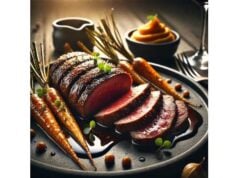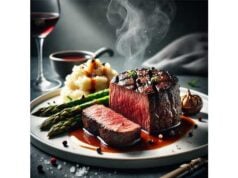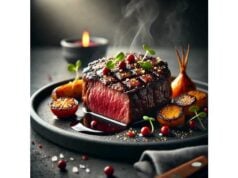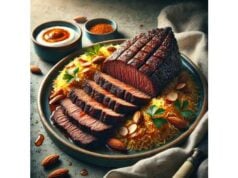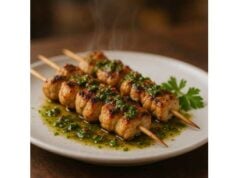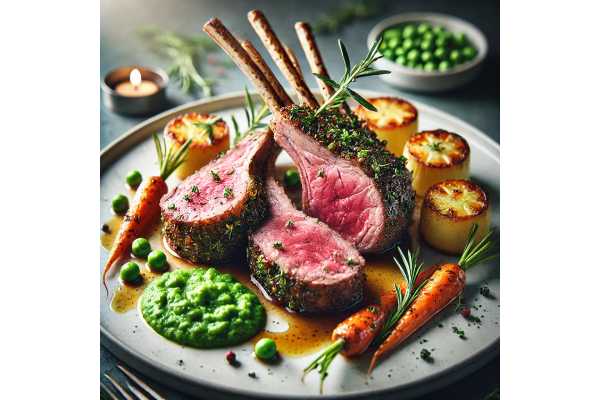
Lamb is prized for its rich, delicate flavor and its dense package of high-quality protein, iron, zinc, and vitamin B12. From Mediterranean roasts and Middle Eastern kebabs to curried stews and slow-braised shanks, lamb adapts to quick searing, oven roasting, and low-and-slow methods. Lean cuts, smart trimming, and gentle cooking help you capture its tenderness while keeping saturated fat in check. A 100 g cooked serving of lean lamb delivers roughly half a day’s protein along with highly bioavailable heme iron—useful for those with higher needs such as adolescents and women of reproductive age. At the same time, red meat intake should be balanced within a varied diet emphasizing vegetables, whole grains, legumes, and seafood. Food safety matters with all meats: cook to safe internal temperatures, rest appropriately, and store well to prevent illness. This guide walks through lamb’s nutrition, evidence-based benefits, potential risks, how to buy and store it, and reliable ways to cook it so nutrients and flavor stay high.
Fast Facts
- 100 g cooked lean lamb provides ~26 g protein plus iron, zinc, and vitamin B12 in highly bioavailable forms.
- Use a thermometer: whole cuts to 63°C (145°F) with a 3-minute rest; ground lamb to 71°C (160°F).
- Typical serving: 65 g cooked lean lamb per meal; aim for no more than about 350–500 g cooked red meat per week.
- People with alpha-gal syndrome, hemochromatosis, gout, or high LDL cholesterol should limit or avoid lamb and seek personalized advice.
Table of Contents
- Lamb Overview and Uses
- Lamb Nutrition Profile (per 100 g)
- Evidence-Based Health Benefits
- Risks, Allergies and Interactions
- Selecting, Quality, Sustainability and Storage
- Preparation, Cooking and Nutrient Retention
- Portions, Comparisons and FAQs
Lamb Overview and Uses
Lamb refers to meat from sheep typically under 12 months old; it tastes milder and more tender than mutton (from older animals). Depending on country and grading systems, lamb is sold in primal cuts—leg, shoulder, loin, rack, shank, and breast—plus retail cuts like chops, roasts, and ground lamb. Flavor varies with cut, age, feed, and fat cover. The loin and rack are the most tender; leg is lean and versatile; shoulder is flavorful and benefits from slow, moist heat; shank becomes silky with long braising. Ground lamb works well for meatballs, burgers, and spiced dishes like kofta.
Culinarily, lamb shines in cuisines that balance richness with acidity and herbs. Try:
- Dry-heat methods: sear chops; roast leg or rack; grill kebabs. Use fast, high heat for tender cuts and finish gently to target temperature.
- Moist-heat methods: braise shoulder or shanks with aromatics; pressure-cook for weeknight speed.
- Global accents: rosemary, garlic, and lemon (Mediterranean); cumin, coriander, and mint (Middle East); garam masala and yogurt (South Asia); anchovy, capers, and tomatoes (Southern Europe).
From a nutrition perspective, lamb’s headline strengths are complete protein and heme iron (more readily absorbed than non-heme iron), along with vitamin B12 and zinc. Fat varies by cut and trimming. Visible surface fat is easy to remove; intermuscular fat is less so. Choosing leaner cuts (leg, loin, trimmed chops), cooking on a rack, and blotting or skimming rendered fat help reduce saturated fat per serving.
Lamb is considered red meat, so sensible intake limits apply within a balanced eating pattern. Many people successfully include modest portions of lamb alongside fiber-rich sides such as beans, whole grains, and vegetables, which complement its minerals and help curb total saturated fat and sodium at the plate level.
Finally, think about context: people with very high iron needs might value lamb’s iron and B12 density, whereas those with elevated LDL cholesterol or those advised to limit red meat should prioritize portion control, lean cuts, and frequency. The sections below detail nutrition, benefits, risks, and practical techniques so you can tailor lamb to your goals.
Lamb Nutrition Profile (per 100 g)
Reference item: Cooked, roasted lean lamb leg (separable lean only), trimmed, no added fat. Values vary by cut, trimming, and cooking. Use these as representative figures for lean cooked lamb.
Macros and Electrolytes (per 100 g cooked)
| Nutrient | Amount | %DV* |
|---|---|---|
| Energy | 184 kcal | — |
| Protein | 26.0 g | 52% |
| Total Fat | 8.0 g | 10% |
| Saturated Fat | 3.6 g | 18% |
| Monounsaturated Fat | 3.2 g | — |
| Polyunsaturated Fat | 0.6 g | — |
| Cholesterol | 78 mg | — |
| Sodium | 60 mg | 3% |
| Potassium | 282 mg | 6% |
| Water | ~60 g | — |
Vitamins (per 100 g cooked)
| Vitamin | Amount | %DV* |
|---|---|---|
| Vitamin B12 (Cobalamin) | 2.3 µg | 96% |
| Niacin (Vitamin B3) | 6.7 mg | 42% |
| Riboflavin (Vitamin B2) | 0.48 mg | 37% |
| Vitamin B6 (Pyridoxine) | 0.43 mg | 25% |
| Thiamin (Vitamin B1) | 0.14 mg | 12% |
Minerals (per 100 g cooked)
| Mineral | Amount | %DV* |
|---|---|---|
| Iron | 2.1 mg | 12% |
| Zinc | 3.0 mg | 27% |
| Selenium | 16 µg | 29% |
| Phosphorus | 184 mg | 15% |
| Magnesium | 21 mg | 5% |
Fats and Fatty Acids (per 100 g cooked)
(typical for lean leg; values vary by feed and cut)
| Fatty Acid | Amount | %DV* |
|---|---|---|
| Omega-3 ALA (18:3 n-3) | ~0.10 g | 8% (vs 1.3 g ALA DV) |
| EPA (20:5 n-3) | ~0.03 g | — |
| DPA (22:5 n-3) | ~0.04 g | — |
| DHA (22:6 n-3) | ~0.02 g | — |
*%DV based on U.S. Daily Values: protein 50 g; total fat 78 g; saturated fat 20 g; sodium 2,300 mg; potassium 4,700 mg; iron 18 mg; zinc 11 mg; selenium 55 µg; phosphorus 1,250 mg; magnesium 420 mg; niacin 16 mg; riboflavin 1.3 mg; vitamin B6 1.7 mg; thiamin 1.2 mg; vitamin B12 2.4 µg; ALA 1.3 g. Cholesterol has no established %DV on current labels.
What these numbers mean for you
- Protein density: About 26 g per 100 g makes lamb an efficient protein source for muscle maintenance and repair.
- Iron and B12: Lamb supplies heme iron and near-a-day’s B12, supporting red blood cell formation and neurological function.
- Zinc: A quarter of the daily value aids immune function and wound healing.
- Fat profile: Trimmed lean cuts keep total fat moderate; saturated fat can still add up with larger portions or fattier cuts (shoulder, rib).
- Carbs: Essentially 0 g, so lamb has negligible glycemic impact. Pair with high-fiber sides for balance.
Notes on variability
- Cut-to-cut differences: Leg and loin tend to be leaner; shoulder and rib carry more fat.
- Cooking method: Pan-frying and confit retain more fat; roasting on a rack or braising then skimming reduces it.
- Feeding and season: Pasture exposure can slightly raise long-chain omega-3s, though lamb is not a major omega-3 source compared with fish.
Evidence-Based Health Benefits
1) High-quality complete protein for muscle and recovery
Lamb provides all essential amino acids in proportions that support muscle protein synthesis. For active adults and older individuals striving to maintain muscle, ~25–30 g protein per meal is often targeted; 100 g of cooked lean lamb contributes about one full “protein dose.” Protein helps preserve lean mass during weight loss and supports tissue repair after training or surgery. Unlike many plant proteins, lamb’s amino acid profile does not require combining foods to reach completeness, though mixing proteins is still helpful for dietary variety.
2) Iron, vitamin B12, and folate synergy for red blood cells
Heme iron from lamb is more bioavailable than non-heme iron from plants. Iron, vitamin B12, folate, and vitamin B6 work together in red blood cell formation; lamb is particularly strong in iron and B12, making it useful in diets for people at higher risk of iron deficiency (adolescents, endurance athletes, and women with heavy menstrual losses). Pairing lamb with vitamin-C-rich sides (tomato salad, lemony greens) can further enhance non-heme iron absorption from the rest of the meal.
3) Zinc for immune and skin health
Lamb delivers roughly a quarter to a third of the daily zinc per 100 g serving. Adequate zinc status supports immune function, normal taste and smell, and wound healing. While legumes and whole grains also contain zinc, their phytic acid can reduce its absorption; animal sources like lamb are absorbed more efficiently.
4) Creatine, carnosine, and taurine—meat-exclusive bioactives
Beyond classic nutrients, lamb naturally contains creatine (energy buffering in muscle), carnosine (a pH buffer and antioxidant dipeptide), and taurine (involved in bile acid conjugation and retinal function). Intakes from typical servings are modest but can contribute to whole-diet totals, especially for people who eat less fish or do not use supplements. These compounds are being studied for exercise performance and metabolic health; effects from normal dietary amounts are supportive rather than transformative.
5) Satiety and protein leverage
When meals include adequate protein, people often feel fuller and may spontaneously reduce overall calorie intake. Lean lamb paired with high-fiber sides (bulgur, lentils, leafy salads) can form a high-satiety plate—useful for weight management without aggressive restrictions.
6) Nutrient density for smaller appetites
For individuals with lower appetites or higher needs (e.g., recovering from illness), lamb’s dense package of protein, iron, zinc, and B vitamins offers a compact way to meet targets in fewer bites. Gentle moist-heat cooking and slicing thinly can make it easier to chew and digest.
Context matters
Red meat is not essential, and benefits are achievable with other foods. But for people who enjoy lamb and eat it in modest amounts, it can be a practical contributor to nutrient goals within a diverse, plant-forward pattern. Emphasize lean cuts, moderate portions, and prudent frequency to align with long-term health guidance.
Risks, Allergies and Interactions
Saturated fat and LDL cholesterol
Some lamb cuts carry higher saturated fat. Regularly exceeding saturated fat targets can raise LDL cholesterol in many people. Favor leg, loin, and well-trimmed chops, cook on a rack, and mind portion sizes. Skim or blot rendered fat from pans and braising liquids.
Red meat frequency
Public health recommendations advise limiting total cooked red meat to about 350–500 g per week. This keeps weekly saturated fat and heme iron exposure in a prudent range and reserves room for fish, poultry, legumes, and plant proteins.
Processed lamb
Cured or processed lamb (charcuterie, some sausages) often contains high sodium and may include preservatives. Save these for occasional use, and check labels carefully if you have hypertension or are sodium-sensitive.
Food safety
Undercooked or mishandled meat can harbor pathogens. Use a thermometer: cook whole cuts of lamb to 63°C (145°F) and rest 3 minutes; cook ground lamb to 71°C (160°F). Avoid cross-contamination (separate boards/knives), refrigerate promptly (≤4°C/40°F), and reheat leftovers to 74°C (165°F).
Pregnancy
During pregnancy, meat should be cooked thoroughly (no pink or bloody juices) to reduce risks from toxoplasma and other pathogens. Avoid raw or undercooked meat and be especially careful with minced products and sausages. Skip pâtés and liver during pregnancy due to vitamin A levels.
Alpha-gal syndrome (red meat allergy)
Tick bites can trigger an IgE-mediated reaction to a carbohydrate (alpha-gal) found in mammalian meat. Reactions can be delayed by 2–6 hours and sometimes severe. People with diagnosed or suspected alpha-gal syndrome should avoid mammalian meats (including lamb) and consult an allergist for testing and guidance.
Purines, gout, and uric acid
Lamb contains purines that metabolize to uric acid. Those with gout may need to limit portions and emphasize vegetables, low-fat dairy, and hydration. Medication management and individualized nutrition advice are important.
Iron overload and kidney disease
People with hereditary hemochromatosis or elevated ferritin may need to limit heme iron, including lamb. Those with chronic kidney disease may be advised to moderate protein and phosphorus; follow clinician guidance.
Drug and diet considerations
- Sodium and blood pressure: Season with herbs, citrus, and spices rather than heavy salt.
- Food-drug interactions: No common direct interactions, but high-sodium processed meats can counteract blood pressure control; discuss individualized needs with your care team.
Bottom line: lamb can fit a health-conscious diet when cooked safely, trimmed well, served in modest portions, and rotated with other proteins.
Selecting, Quality, Sustainability and Storage
How to choose good lamb
- Color and texture: Look for bright, rosy-red meat with fine grain. Avoid gray or slimy surfaces.
- Fat cover: Creamy-white fat with a firm feel is a plus; excessive outer fat can be trimmed after purchase.
- Aroma: Fresh lamb smells clean and slightly sweet, not sour or “gamey.”
- Cut and purpose:
- Leg, loin, rack: tender; ideal for roasting or quick searing.
- Shoulder, shank, breast: more connective tissue; choose for braising or slow cooking.
- Ground lamb: versatile but must be cooked to 71°C (160°F).
Labels and grading
Grading systems differ by country. Terms like “pasture-raised,” “grass-fed,” and “organic” vary in meaning and regulation; consult local definitions. Halal or Kosher labels indicate specific religious slaughter standards, not nutrition differences.
Sustainability pointers
- Portion and frequency are powerful levers: smaller portions and fewer red-meat meals reduce environmental footprint while aligning with health guidance.
- Choose lean cuts and cook gently; less trim waste means higher edible yield per purchase.
- Use the whole cut: repurpose leftovers in grain bowls, salads, and soups to reduce waste. Bones can enrich stocks.
- Local and seasonal sourcing can cut transport impacts, and some farms practice rotational grazing to improve pasture health. Look for transparent producers who share animal welfare and land stewardship practices.
Storage and handling
- Refrigeration: Store fresh lamb at ≤4°C (40°F). Cook or freeze ground lamb within 1–2 days; whole cuts within 3–5 days.
- Freezing: Wrap tightly to prevent freezer burn. Whole cuts keep 6–12 months; ground lamb 3–4 months for best quality.
- Thawing: Prefer refrigerator thawing (24–48 hours for large roasts). For speed, use cold-water thawing in sealed packaging, changing water every 30 minutes. Cook immediately after. Avoid countertop thawing.
- Marinade safety: Marinate in the fridge; reserve fresh marinade for basting, or boil used marinade before reusing.
Buying smarter
- Plan meals around one larger roast (leg or shoulder) that yields multiple dishes: night 1 roast, night 2 grain bowl, night 3 soup.
- Compare price per edible portion rather than per kilogram—fatty cuts may look cheaper but disappear more during trimming and cooking.
Preparation, Cooking and Nutrient Retention
Thermometer first
Consistency and safety start with temperature. For whole cuts, cook to 63°C (145°F) and rest 3 minutes; ground lamb to 71°C (160°F). Resting stabilizes juices and completes carryover cooking.
Seven reliable techniques
- Quick-sear, gentle-finish (chops, rack, loin): Sear 1–2 minutes per side, then finish in a moderate oven (160–175°C / 325–350°F) or on indirect grill heat to target temperature. This preserves tenderness and reduces overcooking losses of B vitamins.
- Roast leg, simple rub: Pat dry, rub with salt, pepper, garlic, and rosemary. Roast on a rack so fat drips away. Start hotter (220°C / 425°F) for 15 minutes to develop crust, then reduce to 165–175°C (325–350°F) to finish.
- Braise shoulder or shanks: Brown lightly, then cook covered with aromatics and liquid at a bare simmer or 150–160°C (300–325°F) oven until fork-tender. Chill and skim fat from the sauce to lower saturated fat per serving.
- Grill kebabs smarter: Cut uniform cubes, pre-salt, and use metal skewers for even cooking. Keep a cooler zone to prevent charring.
- Stovetop kofta or patties: Mix ground lamb with grated onion, parsley, spices, and a spoon of yogurt for moisture. Pan-sear then finish covered to 71°C (160°F).
- Pressure-cook for speed: Shanks or shoulder reach tenderness in under an hour at pressure; quick-release and finish with fresh herbs and lemon zest.
- Leftover reinvention: Thinly slice roast and fold into warm farro with herbs and citrus; or tuck into whole-grain pitas with tomato-cucumber salad and yogurt-tahini sauce.
Maximizing nutrition
- Trim smartly: Remove visible surface fat before cooking and again after resting (fat at the surface is easier to remove).
- Reduce HCAs/PAHs: Avoid prolonged flare-ups and heavy charring. Marinate with acidic ingredients (lemon, yogurt, vinegar) plus rosemary, thyme, garlic, which can reduce formation of high-heat by-products.
- Retain B vitamins: Prefer gentle heat and shorter cook times for tender cuts. For long braises, serve with the cooking liquid—many water-soluble vitamins and minerals end up there.
- Salt wisely: Season earlier with kosher salt to allow diffusion, then finish with citrus, herbs, or spice blends to keep sodium modest.
- Balance the plate: Pair lamb with vegetables, legumes, and whole grains to add fiber, potassium, and phytonutrients that complement lamb’s iron and zinc.
Flavor templates to try now
- Mediterranean roast leg: garlic, rosemary, lemon zest, black pepper; serve with cannellini beans and arugula.
- Persian-style kebabs: grated onion, turmeric, sumac, parsley; serve with saffron rice and grilled tomatoes.
- North African braise: ras el hanout, preserved lemon, olives; finish with fresh cilantro; serve with couscous and carrots.
- South Asian curry: yogurt, ginger-garlic paste, garam masala; simmer gently; garnish with mint and a squeeze of lime.
Portions, Comparisons and FAQs
How much lamb is a portion?
A practical portion of cooked lean lamb is about 65 g (roughly 2 small slices or a modest 3–4 oz raw equivalent). This aligns a typical meal’s protein with calorie control. For a heart-conscious pattern, limit total cooked red meat (beef, pork, lamb, goat, venison) to about 350–500 g per week spread across 1–3 meals. Individuals with higher protein needs can still meet targets by leaning more on poultry, fish, legumes, and low-fat dairy while holding red meat within this weekly range.
What does a balanced week look like?
- One lamb meal: 120–150 g cooked (e.g., roast leg with beans and greens), plus fish twice and plant proteins on other days.
- Two lamb meals: Two portions of ~90–120 g cooked each, offset with seafood and legumes on the remaining days.
- Three smaller lamb meals: Three 65–90 g cooked portions in grain bowls, salads, or kebabs, paired with plenty of vegetables.
How does lamb compare with other proteins (per 100 g cooked, lean)?
- Lamb: ~26 g protein; B12 high, iron moderate (heme), zinc high; fat moderate depending on cut.
- Beef (top sirloin): ~27 g protein; iron similar or slightly higher; fat and saturated fat comparable when equally trimmed.
- Pork (loin): ~27 g protein; lower iron; often slightly lower saturated fat when lean.
- Chicken breast: ~31 g protein; very low fat; much lower iron and B12.
- Legumes (cooked): ~8–9 g protein per 100 g; rich in fiber and potassium; iron is non-heme and less bioavailable.
Can I eat lamb pink?
Whole cuts can be cooked to 63°C (145°F) and rested 3 minutes, which often looks pink; this is considered safe when temperature is verified. Ground lamb should be cooked to 71°C (160°F) throughout. Pregnant individuals should avoid pink or rare meat and ensure thorough cooking.
What about lamb and heart health?
Choose lean cuts, trim visible fat, keep portions modest, and round out the plate with vegetables and legumes. Rotate with fish and plant proteins. If you have high LDL cholesterol or cardiovascular disease, ask your clinician or dietitian for personalized targets.
Is lamb suitable for low-carb or gluten-free diets?
Yes—lamb contains virtually no carbohydrates and is naturally gluten-free. Watch sauces, breadcrumbs, and side dishes for added sugars or gluten.
Who should limit or avoid lamb?
- People with alpha-gal syndrome, hemochromatosis, gout, certain kidney conditions, or very high LDL cholesterol may need to limit or avoid lamb.
- During pregnancy, ensure lamb is thoroughly cooked; avoid pâtés and liver.
- Anyone advised to limit red meat should keep weekly totals within recommended ranges.
How do I measure without a scale?
A cooked 65–90 g portion is about two thin slices from a roast or one modest lamb chop with bone removed. When in doubt, slice thinly and fill the rest of the plate with high-fiber sides.
References
- Cook to a Safe Minimum Internal Temperature | FoodSafety.gov 2024 (Guideline)
- Limit consumption of red and processed meat | Recommendation evidence | World Cancer Research Fund 2025 (Guideline)
- USDA Nutrient Data Set for Retail Lamb Cuts, for the USDA food composition database 2017
- Foods to avoid in pregnancy – NHS 2020 (Guideline)
- About Alpha-gal Syndrome | Alpha-gal Syndrome | CDC 2025 (Guideline)
Disclaimer
This guide is for general education and is not a substitute for personalized medical advice, diagnosis, or treatment. Nutrition and safety needs vary based on your health status, medications, and life stage. Always consult your healthcare professional or a registered dietitian for recommendations tailored to you. If you have symptoms of food allergy or foodborne illness, seek medical care promptly.
If you found this article useful, please consider sharing it on Facebook, X (formerly Twitter), or any platform you prefer. Your support helps us continue creating helpful, evidence-based resources.