Lemon verbena is a fragrant shrub best known for its bright citrus aroma, but its appeal goes far beyond taste and scent. Traditionally prepared as a tea, this herb has long been used to ease digestive discomfort, settle nervous tension, and support restful sleep. Modern interest has grown because lemon verbena leaf also contains notable plant compounds such as verbascoside, flavonoids, and aromatic terpenes that may help explain its antioxidant, calming, and anti-inflammatory profile.
What makes lemon verbena especially interesting is the gap between tradition and modern evidence. Its classic uses for bloating, flatulence, mild stress, and sleep support still matter, and newer clinical studies suggest standardized extracts may also help with exercise-related soreness and recovery. At the same time, not every traditional claim has strong human evidence, so it is worth knowing where the science is promising, where it is still limited, and how to use the herb safely. This guide covers the practical questions most people have: what lemon verbena is, what is in it, what it may help, how to take it, and who should be careful.
Essential Insights
- Lemon verbena may help with mild stress, sleep quality, and exercise-related soreness when used consistently.
- Traditional tea use is most closely linked to mild bloating, flatulence, and a tense or unsettled stomach.
- A commonly studied extract dose is 400 mg daily, while tea is often prepared from 1–2 g before bed or 2–3 g for digestive support.
- Avoid concentrated products during pregnancy or lactation, in children, and if you are allergic to plants in the Verbenaceae family.
Table of Contents
- What is lemon verbena
- Key ingredients and medicinal properties
- Which benefits have the best support
- How lemon verbena is used
- Dosage, timing, and how to take it
- Safety, side effects, and who should avoid it
- What the evidence really shows
What is lemon verbena
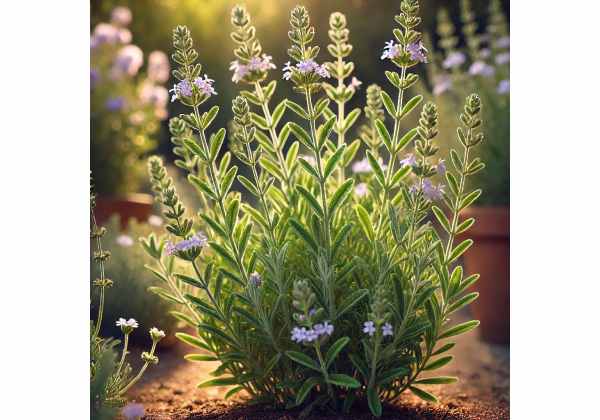
Lemon verbena is the leaf of Aloysia citriodora, a woody, aromatic shrub native to South America and now cultivated widely in warm parts of Europe, North Africa, and elsewhere. It is also known in older literature as Lippia citriodora or Aloysia triphylla. The leaves are narrow, pointed, and intensely lemon-scented because they contain volatile aromatic compounds that are released quickly when crushed or steeped in hot water.
For everyday use, the leaf is the important part. It is sold loose, in tea bags, as tinctures and liquid extracts, in capsules containing standardized dry extract, and occasionally as essential oil. Those forms are not interchangeable. A mild herbal tea made from dried leaf behaves very differently from a concentrated extract, and both are far gentler than an essential oil. That difference matters when people talk about “dose” or “benefits,” because the chemistry changes with the preparation.
One practical detail that often gets missed is that lemon verbena is not the same as common vervain. The names sound similar, but they refer to different plants with different traditions and safety profiles. When buying a product, the label should clearly state Aloysia citriodora or one of its accepted synonyms.
Traditionally, lemon verbena has been used in three overlapping ways. First, it is a digestive herb, especially for bloating, gas, and the tense, uneasy stomach feeling that often shows up after stress or a heavy meal. Second, it is a calming herb, taken in the evening to soften mental tension and help with sleep onset. Third, it is a pleasant culinary herb, used in drinks, desserts, fruit dishes, syrups, and cooling summer preparations.
That combination of fragrance, palatability, and gentle action explains why the herb remains popular. Some herbs are effective but bitter or difficult to use regularly. Lemon verbena is easier to build into a routine. A cup can feel like both a remedy and a pleasure, which improves consistency.
In modern herbal practice, lemon verbena is often positioned as a “middle ground” herb: stronger and more distinctive than a plain aromatic tea, but not usually treated as a heavy sedative or aggressive medicinal. It fits best when the goal is mild, functional support rather than treatment of a serious condition. People who prefer softer calming herbs sometimes compare it with lemon balm for stress and digestive ease, though lemon verbena has its own sharper citrus profile and somewhat different chemistry.
Key ingredients and medicinal properties
Lemon verbena’s value comes from a mix of phenylpropanoids, flavonoids, and volatile aromatic compounds. The exact profile depends on whether you are looking at the whole leaf, a water infusion, a dry extract, or the essential oil, but a few compounds matter most.
The standout constituent in many extracts is verbascoside, also called acteoside. This is the compound most often mentioned in modern research and product standardization. It is associated with antioxidant and anti-inflammatory activity and is one reason lemon verbena extracts are studied for stress, recovery, and other functional outcomes. Related compounds such as isoacteoside can also be present.
The essential oil tells a different part of the story. Its main volatile components commonly include citral-related compounds such as neral and geranial, which help create the plant’s bright lemon aroma. These are important for fragrance, taste, and some of the herb’s traditional relaxing and digestive character. The oil also contains smaller amounts of other terpenes that may contribute to aroma and biological activity.
Flavonoids add another layer. Like many aromatic herbs, lemon verbena contains polyphenols that help explain its antioxidant profile. That does not mean it acts like a medicine for every inflammatory condition, but it does support the idea that its effects are not just “pleasant smell and warm liquid.” There is real chemistry behind the experience.
Taken together, these compounds give lemon verbena a few core medicinal properties that are most relevant to daily use:
- Mild calming and relaxing action: helpful for nervous tension, especially when stress and poor sleep feed into each other.
- Digestive support: useful for bloating, flatulence, and stress-linked digestive discomfort.
- Antioxidant activity: more relevant to long-term physiology and extract research than to what you will “feel” after a single cup.
- Mild anti-inflammatory potential: part of why extracts have been explored for exercise recovery and soreness.
- Aromatic carminative effect: the type of herb that can make the stomach feel less tight and more settled.
A helpful way to think about lemon verbena is that it is both an aromatic herb and a polyphenol-rich herb. Aromatic herbs tend to act quickly and sensorially: you notice the smell, the warming cup, the relaxing ritual, and the light digestive shift. Polyphenol-rich herbs often matter more with regular use, especially in standardized extracts used over days or weeks.
That dual nature is why lemon verbena can be pleasant enough for tea yet also interesting enough for supplement research. Still, the form matters. If your goal is a gentle evening ritual, the leaf tea makes sense. If your goal is a more measurable response in stress or recovery studies, standardized extract is usually the form researchers choose.
Which benefits have the best support
Not all lemon verbena claims stand on the same footing. Some uses rest mainly on long tradition, while others have small but relevant human trials behind them. The strongest modern support centers on three areas: stress and sleep, post-exercise recovery, and mild digestive complaints.
For stress and sleep, lemon verbena looks promising rather than definitive. Standardized extracts have shown improvements in perceived stress, some sleep-quality measures, and deeper sleep markers in small human studies. That does not make the herb a treatment for insomnia disorder or major anxiety, but it does suggest that lemon verbena can be more than a comforting bedtime tea. It seems most useful for people whose sleep is being nudged off course by tension, mental overactivity, or a hard time winding down.
For exercise recovery, the evidence is more specific. Trials using standardized extract have found reductions in soreness and markers linked to oxidative stress and muscle damage after demanding exercise. This is not the same as saying lemon verbena will make someone stronger or dramatically boost athletic performance. The likely value is narrower: feeling less sore, recovering a bit better, and blunting some of the inflammatory and oxidative load that follows intense exertion.
Digestive support is the most traditional use and still one of the most practical. Lemon verbena tea is commonly used for bloating, flatulence, and a stomach that feels tight or unsettled. This is the classic aromatic-herb pattern: it is best suited to mild, functional discomfort rather than severe pain, ulcer disease, bleeding, or unexplained chronic symptoms. When stress contributes to digestive tension, lemon verbena may feel especially fitting because its calming and digestive actions overlap.
There are other claims around antioxidant, antimicrobial, sedative, and even neuroprotective properties, but most of those remain preclinical or preliminary. They help explain scientific interest in the plant, yet they should not be confused with proven human outcomes.
In practical terms, the benefits you can most reasonably expect are these:
- A calmer evening state and easier wind-down.
- Mild improvement in sleep quality with regular use.
- A more settled stomach after meals or during stressful periods.
- Less post-exercise soreness when using a standardized extract consistently.
The key is moderation in expectations. Lemon verbena is not a substitute for professional care when symptoms are severe, persistent, or medically significant. It is better thought of as a supportive herb with a useful evidence profile in a few everyday situations. People who like comparing calming herbs often place it somewhere between a soothing tea herb and more overt sleep-supportive botanicals such as chamomile for relaxation and digestion.
How lemon verbena is used
Lemon verbena is unusually versatile because it works as both a medicinal herb and a flavor herb. That makes it easier to use consistently, which is often where gentle herbs show their real value.
The most familiar form is tea. A warm infusion is traditionally used after meals for bloating, flatulence, and a nervous stomach, or in the evening for mental tension and sleep support. Tea is also the best starting point for most people because it is self-limiting, easy to adjust, and less likely to deliver an unexpectedly large dose.
Capsules and standardized extracts are the more modern format. These are used when someone wants a more predictable intake of phenylpropanoids such as verbascoside, especially for stress, sleep-quality goals, or exercise recovery. Standardized products are also easier to study in trials, which is why many of the best-known human data come from extract forms rather than ordinary tea.
Tinctures and liquid extracts are somewhere in between. They can be practical for people who do not want multiple cups of tea, but they vary widely in strength and are harder to compare across brands. Unless the label clearly states the plant, extraction ratio, and suggested serving size, they can be less transparent than capsules or leaf tea.
Lemon verbena also has culinary uses that overlap with wellness use. It can be added to:
- hot or iced herbal teas
- fruit salads and compotes
- syrups for water or sparkling drinks
- yogurt and soft desserts
- simple broths or light marinades
These food uses are not the same as taking a medicinal dose, but they can help someone build familiarity with the herb before deciding whether a more intentional wellness routine is worth trying.
The essential oil deserves separate treatment. It is highly concentrated and should not be treated like tea. Aromatic use, if chosen, should be cautious and external. Casual oral use of essential oil is not appropriate for most people. The leaf is the traditional and better-supported route for routine home use.
A smart everyday pattern is to match the form to the goal:
- For mild digestive support: tea is usually enough.
- For evening calming: tea or a reputable extract can make sense.
- For exercise recovery research-style use: standardized extract is the more relevant form.
- For flavor and routine: culinary use is ideal.
Lemon verbena also combines well with other gentle aromatic herbs. Digestive blends may include fennel or peppermint for bloating and post-meal discomfort, while evening blends may pair it with milder calming herbs. Still, starting with lemon verbena alone for a week or two makes it easier to judge whether it is doing anything useful for you.
Dosage, timing, and how to take it
The right dose depends on the form and the reason you are taking it. Lemon verbena tea and lemon verbena extract should not be dosed as though they are equivalent.
For traditional tea use, these are practical adult ranges:
- For sleep support: 1 to 2 g dried leaf in about 200 mL of boiling water, taken about 30 minutes before bedtime.
- For mild digestive complaints: 2 to 3 g dried leaf in about 200 mL of boiling water, 1 to 3 times daily.
- For lighter digestive use: 1 g in 200 mL, used up to 5 times daily if needed.
Some traditional European guidance also lists a stronger preparation for mild symptoms of mental stress: 5 g of comminuted herb in 100 mL boiling water as a decoction, taken 3 times daily. In everyday practice, many people prefer a gentler infusion first, then adjust only if needed.
For standardized extract, the most commonly cited human research dose is 400 mg daily. That is the number most readers will see repeated in the modern literature on exercise recovery. It is a useful benchmark, but not a guarantee that every product labeled “lemon verbena” is equivalent. Standardization matters.
Timing also changes the experience:
- For sleep or evening tension: use it 30 to 60 minutes before bed.
- For digestion: use it after meals or when the stomach feels tight, bloated, or stress-reactive.
- For exercise recovery: extract is typically taken daily across a training or recovery window, not only once symptoms appear.
A sensible self-trial looks like this:
- Choose one form only, ideally tea or a standardized capsule.
- Start at the low end for 3 to 5 days.
- Use it consistently for 2 weeks if your goal is sleep or digestion.
- Track a few simple outcomes, such as bloating after dinner, time to settle at night, or soreness after training.
- Stop if it causes unwanted sedation, stomach upset, rash, or any unusual reaction.
Do not keep increasing the dose just because the herb feels gentle. More is not always better, especially with calming herbs. If tea is not doing much, it can be more useful to switch to a reputable extract than to keep making the tea stronger and stronger.
Another practical point is routine. Many calming herbs work best when the body begins to associate them with a repeated cue. A cup of lemon verbena at roughly the same evening time each night can be more effective than taking it randomly. People who enjoy a bedtime herbal rhythm sometimes rotate it with lavender-based calming options or other gentle non-caffeinated herbs, but consistency matters more than variety during a first trial.
Safety, side effects, and who should avoid it
Lemon verbena is generally considered a gentle herb when used as leaf tea or in sensible doses of reputable extracts, but “gentle” does not mean universally safe. The main safety questions involve pregnancy and lactation, children, allergies, sedation, product form, and individual sensitivity.
Pregnancy and breastfeeding deserve caution first. Safety in pregnancy and lactation has not been established well enough for confident routine use, so concentrated products are best avoided unless a clinician specifically recommends them. This is a common and appropriate stance for herbs with limited reproductive safety data.
Children are another caution group. Traditional authorities note that use in children has not been adequately established. A weak occasional food-like infusion is different from giving a child concentrated extract, but routine use in children is not the place for guesswork.
Allergy is less common than with some daisy-family herbs, but it still matters. People with known sensitivity to plants in the Verbenaceae family should avoid lemon verbena. Anyone who develops itching, swelling, hives, wheezing, or a rash after using it should stop immediately.
Because lemon verbena can be calming, some people feel mildly sleepy or slowed by it, especially with evening use or concentrated products. That may be welcome at bedtime, but it is less welcome before driving, operating machinery, or combining it with other sedating substances. Alcohol, sleep aids, sedative medications, and other strongly calming herbs may amplify that effect.
The form matters a great deal for safety:
- Leaf tea: usually the gentlest option.
- Standardized extract: stronger and more predictable, but requires closer attention to dose.
- Essential oil: not appropriate for casual oral use and far more concentrated than most people realize.
Possible side effects can include:
- mild stomach upset
- excessive drowsiness
- headache in sensitive users
- allergic reaction
- dislike of the strong aroma or taste, which can limit adherence
Interactions are not heavily documented, but limited documentation is not the same as proof of no interactions. Extra care makes sense if you take sedatives, sleep medication, anti-anxiety medication, or multiple supplements with calming effects. If you have unexplained chronic digestive symptoms, nighttime waking from breathing problems, major insomnia, or mood symptoms that are affecting daily life, treating yourself with herb tea alone is not the right strategy.
Who should avoid or be especially cautious with lemon verbena:
- pregnant or breastfeeding people
- children
- people with known Verbenaceae allergy
- anyone who becomes overly sedated from calming herbs
- people using multiple sedating products at the same time
- anyone planning to use essential oil internally
When in doubt, start with food-like use, not a concentrated supplement. That simple rule prevents many avoidable problems.
What the evidence really shows
Lemon verbena is a good example of an herb that deserves both appreciation and restraint. It has enough real chemistry and human data to be interesting, but not enough to justify sweeping claims. The most responsible conclusion is that it is a promising, practical herb for mild stress, sleep quality, digestive discomfort, and post-exercise soreness, with the strength of evidence varying by use and preparation.
The evidence is strongest when the question is specific. Standardized extracts have shown meaningful signals in sleep-related outcomes and in exercise recovery trials. That is more useful than vague statements about “overall wellness,” because it helps readers match the herb to a real-world goal. If you want a broad miracle herb, lemon verbena will disappoint you. If you want a focused, pleasant herb that may support a tense evening, a bloated stomach, or recovery after hard training, it makes much more sense.
The evidence is weaker for dramatic claims. Lemon verbena is not well established as a treatment for chronic insomnia, generalized anxiety disorder, inflammatory bowel disease, depression, or major pain conditions. Laboratory and animal findings are interesting, but they are not a substitute for solid human evidence.
This matters because lemon verbena is easy to oversell. Its aroma, pleasant taste, and good tolerability make it tempting to describe as an herb that “does everything.” In truth, its best role is narrower and more useful: it is a supportive herb with a realistic place in daily routines.
A fair bottom line looks like this:
- Best-fit users: adults with mild stress, trouble winding down, bloating, or training-related soreness.
- Best forms: leaf tea for gentle digestive and evening use; standardized extract for research-style uses.
- Best expectations: support, not cure.
- Best approach: consistent use for a defined goal, followed by honest reassessment.
If you try it, judge it by outcomes you can actually notice. Are you less bloated after dinner? Do you settle faster at night? Are you less sore after intense exercise? Those are the right questions. If the answer is no after a reasonable trial, there is no need to force it. Herbs do not have to work for everyone to be worthwhile, but they do need to earn their place in your routine.
References
- Dietary Supplementation with an Extract of Aloysia citrodora (Lemon verbena) Improves Sleep Quality in Healthy Subjects: A Randomized Double-Blind Controlled Study 2024 (RCT)
- Anxiolytic Effect and Improved Sleep Quality in Individuals Taking Lippia citriodora Extract 2022 (RCT)
- Evaluation of the Efficacy of Supplementation with Planox® Lemon Verbena Extract in Improving Oxidative Stress and Muscle Damage: A Randomized Double-Blind Controlled Trial 2021 (RCT)
- Aloysia citrodora Paláu (Lemon verbena): A review of phytochemistry and pharmacology 2018 (Review)
- Final European Union herbal monograph on Aloysia citrodora Paláu (syn. Aloysia triphylla (L’Hér.) Kuntze; Verbena triphylla L’Hér.; Lippia citriodora Kunth), folium 2021 (Guideline)
Disclaimer
This article is for educational purposes only and does not replace medical advice, diagnosis, or treatment. Herbal products can affect people differently depending on age, pregnancy status, medications, health conditions, and product quality. Lemon verbena may be appropriate for mild stress, sleep support, digestive discomfort, or recovery goals, but persistent insomnia, severe digestive symptoms, significant anxiety, allergic reactions, and ongoing pain should be evaluated by a qualified clinician. Before using concentrated lemon verbena extracts, especially if you are pregnant, breastfeeding, taking prescription medicines, or managing a chronic condition, seek individualized professional guidance.
If this guide was useful, please consider sharing it on Facebook, X, or your preferred platform.