Lemongrass is one of those ingredients that quietly does several jobs at once. Known botanically as Cymbopogon citratus, it brings a bright citrus aroma to soups, curries, teas, marinades, and herbal blends. At the same time, its essential oil and leaf extracts are being studied for antioxidant, anti-inflammatory, antimicrobial, and relaxing effects.
Across Asia, Africa, and Latin America, lemongrass has long been used in folk medicine for digestion, fever, headache, and minor infections. Today it appears in everything from herbal teas and aromatherapy products to natural insect repellents and food preservatives. While research is still evolving, there is growing interest in how lemongrass might support metabolic health, immune defenses, and stress management when used sensibly.
This guide walks you through what lemongrass is made of, how it may benefit health, where the evidence is strong or still emerging, how to use it safely in food and self-care, and when to speak with a health professional before increasing your intake.
Essential Insights on Lemongrass
- Lemongrass provides vitamin C, minerals, flavonoids, and essential oils rich in citral that contribute antioxidant and antimicrobial activity.
- Experimental and early clinical research suggests potential benefits for digestion, pain, inflammation, oral health, and relaxation.
- A practical culinary serving is about 1–2 fresh stalks in cooking or 150–250 ml lemongrass tea once or twice per day, several days per week.
- People who are pregnant, on blood pressure or blood sugar medication, or with significant liver or kidney disease should avoid high-dose lemongrass extracts and discuss regular use with their clinician.
Table of Contents
- Lemongrass Background, Flavor and Roles
- Lemongrass Nutrition and Active Compounds
- Research Based Lemongrass Health Benefits
- Lemongrass Safety, Risks and Reactions
- Buying Lemongrass Quality and Storage
- Cooking Lemongrass and Nutrient Retention
- Lemongrass Portions, Comparisons and FAQs
Lemongrass Background, Flavor and Roles
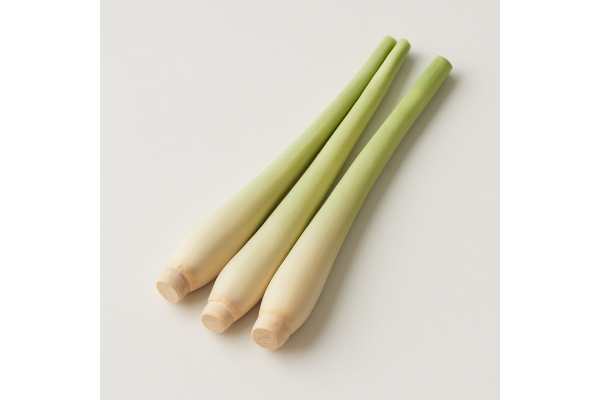
Lemongrass is a perennial grass native to South and Southeast Asia that now grows in many tropical and subtropical regions worldwide. The plant forms dense clumps of long, slender leaves, but the most prized part in cooking is the lower, pale stalk. When lightly crushed or sliced, it releases a clean, lemony aroma with floral and herbal notes that distinguish it from ordinary citrus peel.
Culinarily, lemongrass is integral to Thai, Vietnamese, Indonesian, Malaysian, Sri Lankan, and Caribbean kitchens, among others. It is used to perfume broths, curries, stir fries, and grilled dishes, and often appears alongside garlic, ginger, galangal, and chilies. The tough outer layers are usually removed, and the tender inner stalk is sliced, bruised, or ground. For broths and stews, whole stalks are sometimes tied into knots and simmered, then removed before serving, in the same way bay leaves are used.
Beyond savory dishes, lemongrass is widely consumed as a herbal infusion. Lemongrass tea can be made from fresh or dried leaves and is often combined with ginger, mint, or citrus peel. Many people enjoy it as a caffeine free alternative to black or green tea, especially in the evening, because it is associated with feelings of relaxation and digestive comfort.
Traditional uses extend into home remedies and personal care. In various folk systems, lemongrass has been used for:
- mild digestive complaints, such as bloating and gas
- low grade fevers, colds, and headaches
- menstrual discomfort and general aches
- skin complaints and insect bites, often via poultices or diluted oil
- household disinfection and insect repellent sprays
Modern industry has adopted lemongrass in fragrances, soaps, detergents, and cosmetics due to its refreshing scent and antimicrobial properties. Its essential oil is also used in aromatherapy blends focused on clarity, calm, or uplifted mood.
Importantly, culinary lemongrass and lemongrass essential oil are very different in potency. A few stalks in soup provide gentle flavor and modest bioactives, while concentrated oil delivers a large dose of volatile compounds and must be used cautiously, especially on the skin or when inhaled for long periods.
Lemongrass Nutrition and Active Compounds
On paper, the macronutrient profile of lemongrass looks modest. Fresh stalks are mostly water and fiber, with small amounts of carbohydrate, a little protein, and negligible fat. A typical culinary amount contributes very few calories. The interest in lemongrass from a health perspective lies more in its micronutrients and phytochemicals than in its energy content.
Dried or fresh lemongrass contains:
- vitamin C in varying amounts, depending on freshness and processing
- minerals such as potassium, calcium, magnesium, and phosphorus
- dietary fiber, primarily insoluble, supporting bowel regularity
- a mix of flavonoids and phenolic acids that act as antioxidants
The best known constituents, however, are in the essential oil. Lemongrass essential oil is typically rich in:
- citral, a mixture of two isomeric aldehydes (geranial and neral) that gives the characteristic lemon scent
- monoterpenes such as limonene and beta myrcene
- oxygenated terpenes including geraniol, citronellal, and geranyl acetate
Citral is considered a major bioactive driver. In experimental models, it shows antioxidant, antimicrobial, and anti-inflammatory potential, and influences signaling pathways involved in pain perception and metabolism. The essential oil also contains flavonoids and other polyphenols like luteolin, quercetin, and kaempferol in the plant matrix, which contribute additional antioxidant and enzyme-modulating activity.
Leaf extracts, particularly aqueous and hydroalcoholic preparations, have been analyzed for proximate composition and phytochemistry. These analyses consistently show:
- appreciable ash, indicating a meaningful mineral content
- notable fiber and moderate protein
- relatively low levels of antinutrients compared with many leafy herbs
- detectable levels of saponins, flavonoids, tannins, terpenoids, and other phytochemicals
From a practical standpoint, how much of this you actually consume depends greatly on preparation:
- Culinary use of stalks: Only part of the essential oil and water soluble compounds enter the dish, especially if stalks are removed before serving.
- Herbal tea from leaves: Hot water extracts flavonoids, phenolic acids, and a smaller amount of volatile oil. Longer steeping increases strength but may also increase bitterness.
- Standardized extracts and essential oil: These can deliver high concentrations of citral and other constituents per drop or capsule and therefore carry both greater potential effect and higher risk if misused.
Overall, lemongrass is best viewed as a low calorie, micronutrient containing herb that also delivers a concentrated package of volatile and non volatile phytochemicals. These compounds partly explain its antimicrobial, aromatic, and potential health supporting effects.
Research Based Lemongrass Health Benefits
Research on lemongrass spans cell studies, animal models, and a smaller but growing number of human trials. While it is too early to describe lemongrass as a treatment for specific diseases, several areas of potential benefit have emerged.
1. Antioxidant and anti-inflammatory support
Both lemongrass extracts and essential oil display strong antioxidant activity in laboratory assays. They can neutralize free radicals, improve ferric reducing power, and chelate certain metals. These actions help protect cells from oxidative stress, a process linked with chronic conditions such as cardiovascular disease, diabetes, and some cancers. In vivo experiments, including animal models and zebrafish, suggest that lemongrass oil can modulate inflammatory pathways and reduce markers of oxidative damage.
2. Antimicrobial and oral health effects
Lemongrass essential oil consistently shows antibacterial and antifungal effects against a wide range of organisms, including some strains of Staphylococcus, Escherichia coli, and Candida species. This has led to interest in using lemongrass oil in food preservation, oral care products, and natural disinfectants. Early clinical work suggests that mouthwashes containing low concentrations of lemongrass oil may improve gum health and reduce plaque in people with mild periodontal problems, offering a potential alternative for those who do not tolerate standard antiseptic rinses well.
3. Digestive comfort and metabolic effects
In folk use, lemongrass tea is taken for bloating, mild cramping, and sluggish digestion. Animal studies and some human observations support a gentle antispasmodic effect on smooth muscle, which may explain its reputation for easing cramping and helping bowel movements feel more comfortable. There is also preliminary evidence that lemongrass extracts can influence lipid and glucose metabolism, possibly contributing to improved blood lipid profiles and better overall metabolic balance when combined with a healthy diet and physical activity.
4. Pain, anxiety, and sleep
Several investigations into aromatherapy and topical use have found that inhaling lemongrass oil or applying properly diluted oil to the skin may reduce perceived pain, help relieve tension headaches, and support a sense of calm. Some small clinical trials report reduced anxiety scores and improved subjective sleep quality when lemongrass aromatherapy is used in therapeutic settings, such as before procedures or during rehabilitation.
5. Emerging areas: cancer and chronic disease
Laboratory studies suggest that citral and other constituents can trigger apoptosis (programmed cell death) in certain cancer cell lines and inhibit their proliferation. However, these results come from high concentrations applied directly to cells and do not translate directly to drinking lemongrass tea or using essential oil at home. For now, these findings highlight directions for future drug development rather than recommendations for self treatment.
Overall, lemongrass appears to be a promising functional herb with broad bioactivity. At culinary and traditional tea doses, it may support general wellness, digestion, and relaxation. Concentrated products should still be approached with caution until larger, well designed human trials clarify ideal doses and long term safety.
Lemongrass Safety, Risks and Reactions
For most healthy adults, modest amounts of lemongrass in food and tea are considered safe. Problems arise mainly with very high intake, concentrated extracts, essential oil misuse, or in people with particular medical conditions.
Digestive and systemic side effects
Large amounts of lemongrass tea or strong decoctions can cause nausea, increased urination, dizziness, or general malaise in some individuals. The essential oil, if ingested inappropriately, can irritate the stomach and intestines and may be toxic, especially for children and pets. It is not advisable to take lemongrass essential oil internally unless under the direct supervision of a qualified clinician trained in this approach.
Skin and inhalation sensitivity
Lemongrass oil is a recognized skin sensitizer. Used undiluted, it can cause redness, burning, or blistering. When diluted appropriately in a carrier oil, many people tolerate it well, but patch testing on a small area is still prudent, particularly for those with sensitive or damaged skin. Inhalation via a diffuser is usually safe when used intermittently in a well ventilated space, but very prolonged or intense exposure can trigger headaches or nausea in susceptible individuals.
Pregnancy and breastfeeding
Guidance on lemongrass during pregnancy is cautious and sometimes conflicting. Traditional use in some cultures suggests small amounts of lemongrass tea can be acceptable. However, there are concerns that compounds such as citral and myrcene may influence uterine tone and embryonic development at high doses. As a result, many experts recommend that pregnant people avoid lemongrass essential oil and high dose supplements and limit tea to modest amounts, if at all, after discussing it with their prenatal care provider. There is limited information on safety during breastfeeding, so similar caution is advised.
Interactions with medications and chronic conditions
Lemongrass has mild hypotensive and diuretic effects in some studies. Individuals taking blood pressure medications, diuretics, or drugs that affect electrolytes should use lemongrass teas and extracts in moderation and monitor symptoms such as dizziness or lightheadedness.
There is preliminary evidence that lemongrass may affect blood sugar and lipid metabolism. For people with diabetes or prediabetes on medication, regular consumption of strong lemongrass preparations could modestly enhance blood sugar lowering effects. While this might sound desirable, it increases the risk of hypoglycemia if not monitored.
Liver and kidney function also deserve attention. While most data do not show significant toxicity at culinary levels, high doses of essential oil or prolonged use of very concentrated extracts could add strain to detoxification pathways. People with known liver or kidney disease should discuss any herbal regimen, including lemongrass, with their specialist.
Allergic reactions
True allergy to lemongrass is uncommon but documented. Symptoms can range from oral itching and swelling after eating the herb to contact dermatitis from topical products or essential oil. In severe cases, respiratory symptoms or anaphylaxis are possible. Anyone who has experienced suspicious reactions should avoid further exposure until assessed by an allergy professional.
In summary, lemongrass is generally safe when used as a culinary herb or mild tea. Essential oil and supplements require more caution, particularly for pregnant or breastfeeding individuals, those with chronic disease, and people taking multiple medications.
Buying Lemongrass Quality and Storage
Good quality lemongrass starts with the right form for your intended use. In markets and grocery stores you will typically find:
- fresh stalks
- dried cut leaves or stalk pieces for tea
- lemongrass pastes or frozen minced lemongrass
- lemongrass essential oil
Fresh stalks
Choose firm, pale green to light yellow stalks with bulb like bases and no signs of drying out or sliminess. The leaves at the top can be slightly dry without affecting quality, but the base should feel heavy for its size and give off a fresh, lemony aroma when gently scratched. Avoid stalks with dark mold spots, extensive browning, or a musty smell.
At home, loosely wrap fresh lemongrass in paper and place it in a perforated bag or container in the refrigerator. Properly stored, it can last one to two weeks. For longer storage, you can:
- freeze whole or sliced stalks in airtight containers
- mince and freeze in ice cube trays with a little water
- dry thin slices and store in an airtight jar in a cool, dark place
Dried lemongrass
Dried leaves or stalk pieces are convenient for tea and seasoning blends. Look for a uniform, light straw to greenish color and a clean, citrusy aroma. Very dull, dusty, or brown material may be old or poorly processed, with diminished flavor and active compounds. Packaging should protect against light and moisture, and a best by date gives some guidance on freshness.
Prepared pastes and frozen products
Commercial lemongrass pastes can save preparation time but read labels carefully. Some contain added salt, sugar, or preservatives. If you are watching sodium or sugar intake, consider products that list only lemongrass, oil, and possibly a little acid such as lime juice. Frozen minced lemongrass usually has fewer additives and maintains aroma well, making it a good choice for busy kitchens.
Essential oil
High quality lemongrass essential oil should be sold in dark glass bottles with clear labeling of botanical name (Cymbopogon citratus), country of origin, and preferably details on chemotype or major constituents. Reputable suppliers provide basic quality information and advise on safe dilution for skin use. Because essential oil production can be resource intensive, consider companies that disclose sourcing practices and support growers with fair pricing and sustainable cultivation.
From a sustainability perspective, lemongrass is relatively resilient and can be grown in integrated farming systems that protect soil and biodiversity. When possible, favor producers who avoid unnecessary pesticides and who harvest in ways that allow clumps to regrow strongly. For home gardeners in suitable climates, growing lemongrass yourself is another way to ensure freshness and reduce transport impacts.
Proper storage at home is straightforward:
- keep dried leaf products in sealed containers away from heat and direct sun
- store essential oil tightly capped in a cool, dark place, using it within its recommended shelf life
- label frozen preparations with dates and use within a few months for best aroma
These habits help maintain both flavor and potential health supporting properties.
Cooking Lemongrass and Nutrient Retention
Lemongrass is a versatile ingredient, but it does have a few quirks. Its fibrous structure means it can be tough if not prepared properly, and its essential oils are volatile and sensitive to heat, light, and air. The way you cut, cook, and steep lemongrass influences both flavor and the profile of compounds you consume.
Preparing fresh lemongrass
- Trim the root end and any very dry or brown leafy tops.
- Peel away the tough outer layers until you reach the pale, firm core.
- For soups and broths, lightly bruise whole or halved stalks with the back of a knife to release aroma.
- For stir fries or curry pastes, finely slice or mince the inner core, or process it with other aromatics into a paste.
The finer you cut lemongrass, the more surface area is exposed, which improves extraction of both flavor and water soluble components during cooking.
Heat and extraction
Long simmering can drive off some of the most delicate volatiles, yet it also helps soften the plant tissue and extract water soluble flavonoids and phenolic acids. A practical compromise is to:
- add bruised stalks relatively early in soups or stews so that they have time to infuse
- add finely minced lemongrass paste somewhat later, so its bright aroma is not completely lost
- remove large stalk pieces before serving to avoid stringy textures
For curries, lemongrass is often blended with garlic, chilies, shallots, and galangal into a paste that is gently fried before liquids are added. This step unlocks aromatic compounds in oil, which helps distribute flavor throughout the dish. Moderate frying, rather than very high heat, reduces the risk of scorching sensitive constituents.
Herbal teas and infusions
To make lemongrass tea, you can use fresh or dried material:
- light infusion: steep 1–2 teaspoons of dried lemongrass or 5–10 cm of fresh stalk in hot (just off boiling) water for about 5–10 minutes
- stronger infusion: increase steeping time to 15–20 minutes and cover the cup or pot to trap volatiles
Covering the vessel is a simple way to reduce loss of aromatic compounds. If you prefer a stronger flavor without bitterness, consider combining lemongrass with other herbs like ginger or mint to balance the profile.
Pairing for nutrient synergy
Lemongrass pairs well with ingredients that enhance overall nutritional value:
- using it in legume and vegetable soups can make plant based meals more appealing without heavy seasoning or salt
- combining with ginger, turmeric, or garlic layers additional anti-inflammatory and antioxidant compounds
- using lemongrass tea in place of sugary soft drinks reduces excess sugar and calories
Protecting delicate compounds
To preserve more of lemongrass’s beneficial constituents:
- avoid prolonged, vigorous boiling of teas or broths after lemongrass is added
- prepare tea fresh rather than reheating it multiple times
- store leftover tea in the refrigerator for no more than a day, as flavor and antioxidant capacity can diminish with time and light exposure
For essential oil used in aromatherapy or topical blends, dilute it in a stable carrier oil and avoid heating it directly on high temperatures, which can degrade components. In diffusers, intermittent use is generally preferable to continuous diffusion throughout the day.
Lemongrass Portions, Comparisons and FAQs
Because lemongrass is used mainly as a flavoring and herbal infusion, there is no single official serving size. However, practical guidance helps you enjoy its benefits without overdoing it.
For most healthy adults, reasonable daily amounts include:
- in cooking: 1–2 fresh stalks (about 10–20 g) shared across a dish that serves several people
- as tea: about 1–2 teaspoons of dried lemongrass or 5–10 cm of fresh stalk, steeped in 150–250 ml hot water, up to one or two cups per day
Short periods of somewhat higher intake are unlikely to be problematic for people without relevant health issues, but long term use at high doses, especially in concentrated extracts or as essential oil, has not been thoroughly studied and is not recommended without professional oversight.
How does lemongrass compare to other herbs?
- Versus lemon balm: Both have lemony aromas and calming reputations, but lemon balm is a mint family herb with distinct compounds and a milder flavor. Lemongrass has more citral rich essential oil and a stronger culinary presence.
- Versus lemon peel: Lemon peel brings vitamin C and flavonoids but a different aromatic profile, with more limonene and less citral. Lemongrass offers a grassy, floral nuance that is harder to replicate with citrus alone.
- Versus other Cymbopogon species: Citronella and other related grasses are used mainly for insect repellent and fragrances, not food. They are not interchangeable with culinary lemongrass.
Frequently asked questions
Is lemongrass tea good for weight loss?
Lemongrass tea is very low in calories and can replace higher calorie beverages, which supports weight management. Some studies suggest it may modestly influence metabolism and fluid balance, but it should not be seen as a stand alone weight loss solution. Its main value is as part of an overall diet and lifestyle pattern that prioritizes whole foods and regular activity.
Can I drink lemongrass tea every day?
Many people drink one or two cups of lemongrass tea daily without issues. If you notice dizziness, stomach upset, or increased urinary frequency, consider reducing the strength or frequency. Individuals on medications, especially for blood pressure, blood sugar, or diuretic therapy, should discuss regular daily use with their healthcare provider.
Is lemongrass safe for children?
Small amounts of lemongrass in family meals are usually fine for children without allergies or significant health problems. Lemongrass tea can be offered in weak form, but strong decoctions and essential oil ingestion are not appropriate. Topical use of essential oil on children requires extra caution and professional guidance.
Can lemongrass replace my medications?
No. Even though lemongrass shows promising properties in laboratory studies and early clinical work, it should not replace prescribed medication for conditions like hypertension, diabetes, infection, or chronic pain. It may act as a supportive element in a comprehensive plan agreed upon with your clinician.
Who should limit or avoid lemongrass?
People who are pregnant or breastfeeding, those with known allergy to lemongrass or related plants, individuals with significant liver or kidney disease, and anyone on complex medication regimens should avoid high dose lemongrass products and seek personalized advice before regular use, even of teas.
Used thoughtfully, lemongrass can be both a culinary pleasure and a gentle supportive herb that fits easily into a balanced diet.
References
- Scientific basis for the therapeutic use of Cymbopogon citratus, stapf (Lemon grass) 2011 (Review)
- Lemongrass (Cymbopogon citratus) Essential Oil: Extraction, Composition, Bioactivity and Uses for Food Preservation – a Review 2019 (Systematic Review)
- Exploring the Clinical Applications of Lemongrass Essential Oil: A Scoping Review 2024 (Scoping Review)
- Evaluation of the Anti-Inflammatory and Antioxidant Potential of Cymbopogon citratus Essential Oil in Zebrafish 2024 (Research Article)
- Medicinal benefits of aqueous extract of lemongrass (Cymbopogon citratus): effects of biochemical evaluations, antimicrobial properties and metallic nanoparticles 2024 (Research Article)
Disclaimer
The information in this article is intended for general education and does not replace personalized medical advice, diagnosis, or treatment. Lemongrass and its extracts may influence digestion, blood pressure, blood sugar, and other aspects of health, and can interact with medications or existing medical conditions. Always speak with a qualified healthcare professional before making significant changes to your diet, using lemongrass regularly as a herbal remedy, or applying essential oils for therapeutic purposes. Never ignore or delay seeking professional medical advice because of something you have read here.
If you found this article useful, you are kindly invited to share it with others through Facebook, X (formerly Twitter), or any platform you prefer. Thoughtful sharing helps more readers access balanced nutrition information and supports the continued creation of high quality, evidence informed content.