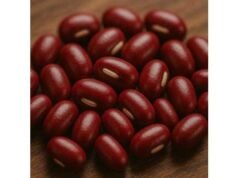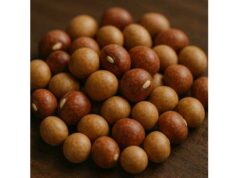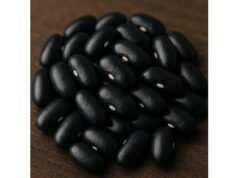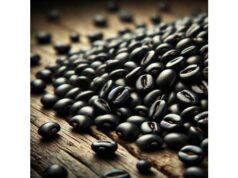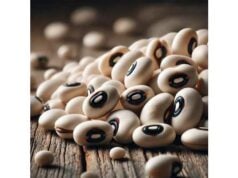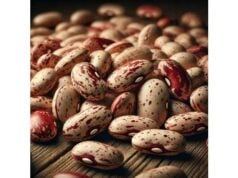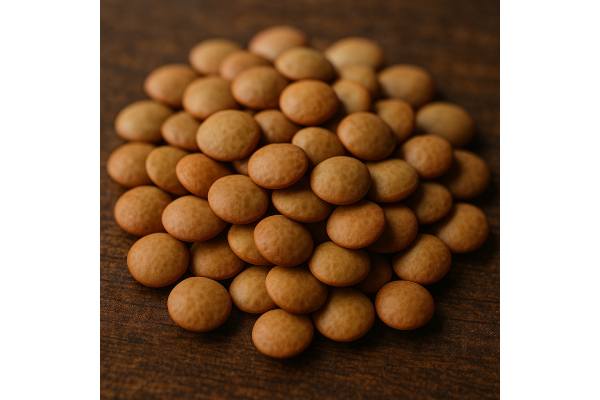
Lentils are one of the easiest ways to put affordable, nourishing protein on the table. These small, lens-shaped pulses cook quickly, hold up in soups and salads, and blend into dips or stews for creamy body without dairy. A ½-cup (about 100 g) cooked portion delivers meaningful fiber and plant protein with very little fat or sodium. Lentils also supply folate, iron, potassium, and magnesium—nutrients many people struggle to reach each day—and their slow-digesting carbohydrates help keep energy and blood sugar steady. From earthy brown and green lentils to quick-cooking red (split) and tiny black “beluga,” the varieties each bring distinct textures and flavors. As a crop, lentils fix nitrogen in soil, making them a sustainable choice. With basic cooking—no soaking required for most types—lentils are accessible for weeknights and batch cooking alike. This guide walks you through benefits, nutrition facts per 100 g, evidence on health outcomes, safety, buying and storage tips, and kitchen strategies to retain nutrients and maximize flavor.
Quick Overview
- About 9 g protein and ~8 g fiber per 100 g cooked support fullness and stable blood sugar.
- Excellent source of folate and a helpful source of iron, potassium, and magnesium per 100 g cooked.
- Typical serving: ½ cup (≈100 g) cooked, enjoyed most days within balanced meals.
- Safety note: cook thoroughly; raw or undercooked legumes may upset the stomach—heat neutralizes lectins and other anti-nutrients.
- People who should limit: those with legume allergies or medically restricted potassium/phosphorus intake (e.g., chronic kidney disease) require individualized guidance.
Table of Contents
- Lentils: Detailed Overview
- Lentils Nutrition Profile
- Evidence-Based Health Benefits
- Risks, Allergies and Interactions
- Selecting, Quality, Sustainability and Storage
- Preparation, Cooking and Nutrient Retention
- Portions, Comparisons and FAQs
Lentils: Detailed Overview
Lentils are edible seeds of the plant Lens culinaris, among the oldest domesticated crops in human history. They are grouped by color and processing:
- Brown or green lentils (whole): earthy flavor, keep their shape; ideal for salads, pilafs, and stews.
- French green (Puy-style): firm texture with peppery notes; prized for warm salads and side dishes.
- Black “beluga” lentils: tiny, glossy seeds that hold shape beautifully in elegant sides or grain bowls.
- Red or yellow lentils (often split): sweet, delicate, and quick-cooking; readily break down for silky dals, soups, and purees.
Across cuisines, lentils are staples—from Indian dals and Middle Eastern mujadara to Mediterranean soups and contemporary plant-forward bowls. They pair naturally with onions, garlic, ginger, tomatoes, leafy greens, spices (cumin, coriander, turmeric), citrus, and fresh herbs. Because they are neutral and absorb seasonings well, lentils can anchor both meatless mains and mixed dishes.
Nutritionally, cooked lentils offer a practical package: complex carbohydrates, plant protein, and dietary fiber with minimal fat. This combination slows digestion, supports satiety, and helps smooth post-meal glucose responses. Their micronutrient profile matters as well. Folate aids DNA synthesis and is vital in early pregnancy; iron supports oxygen transport; potassium and magnesium assist muscle and nerve function; and copper and manganese support antioxidant enzymes.
Lentils are also time-efficient: whole brown/green lentils typically cook in 15–25 minutes, black in about 20–25, and red split in 8–12. Most varieties need no pre-soak, making them simpler than many other dried legumes. Canned lentils (fully cooked) can be rinsed and used directly when speed matters.
On the environmental side, lentils are nitrogen-fixing. They work symbiotically with soil microbes to convert atmospheric nitrogen into plant-available forms, reducing the need for synthetic fertilizers. Relative to many animal proteins, lentils have a lower greenhouse gas footprint and excellent nutrient-per-cost value, making them smart choices for sustainable eating patterns.
In short, lentils are versatile, budget-friendly, and nutritionally dense. Whether you want a hearty salad base, a creamy soup thickener, or a plant-protein swap in tacos or pasta, lentils deliver dependable texture and flavor along with meaningful health benefits.
Lentils Nutrition Profile
All values below are for cooked lentils, boiled in water without salt, per 100 g (≈½ cup). DVs reflect adult daily reference intakes. Actual values vary by variety and preparation; canned products differ, especially for sodium.
Macros & Electrolytes (per 100 g cooked)
| Nutrient | Amount | %DV | Notes |
|---|---|---|---|
| Energy | ~116 kcal | — | Mostly complex carbs and fiber |
| Protein | ~9.0 g | 18% | Rich in lysine; combine with grains for amino acid balance |
| Total carbohydrate | ~20.1 g | 7% | Slow-digesting starch predominates |
| Dietary fiber | ~7.9 g | 28% | Mix of insoluble, soluble, and resistant starch |
| Total sugars | ~1.8 g | — | Naturally low |
| Total fat | ~0.4 g | 1% | Very low saturated fat |
| Saturated fat | ~0.05 g | 0–1% | — |
| Sodium | ~2 mg | 0% | Canned varies; rinsing reduces sodium |
| Potassium | ~369 mg | 8% | Helpful for blood pressure control |
| Water | ~69 g | — | High moisture contributes to fullness |
Carbohydrates (detail)
| Component | Amount | Practical note |
|---|---|---|
| Starch | ~12–14 g | Mostly slowly digestible with some resistant starch |
| Fiber | ~7.9 g | Fermentable fraction supports gut microbes |
| Net carbs | ~12 g | Carbs minus fiber |
Fats & Fatty Acids
| Component | Amount | Notes |
|---|---|---|
| Polyunsaturated fat | ~0.3 g | Trace omega-6 and small α-linolenic acid (ALA) |
| Monounsaturated fat | ~0.1 g | Minor |
| Trans fat | 0 g | Naturally absent |
Protein & Amino Acids (highlights)
| Item | Amount/100 g | Context |
|---|---|---|
| Protein | ~9.0 g | Complements methionine-limited profile with grains, seeds, or eggs |
| Lysine | relatively high | Supports collagen and enzyme synthesis |
| Methionine | relatively low | Balance over the day rather than in one meal |
Vitamins (per 100 g cooked)
| Vitamin | Amount | %DV |
|---|---|---|
| Folate (DFE) | ~181 µg | 45% |
| Thiamin (B1) | ~0.17 mg | 14% |
| Vitamin B6 | ~0.18 mg | 11% |
| Niacin (B3) | ~1.1 mg | 7% |
| Pantothenic acid (B5) | ~0.25 mg | 5% |
| Riboflavin (B2) | ~0.07 mg | 5% |
| Vitamin K | ~1–2 µg | 1–2% |
| Vitamin C | ~1–2 mg | 1–2% |
| Vitamin A, D, B12 | ~0 | 0% |
Minerals (per 100 g cooked)
| Mineral | Amount | %DV |
|---|---|---|
| Iron | ~3.3 mg | 18% |
| Magnesium | ~36 mg | 9% |
| Phosphorus | ~180 mg | 14% |
| Zinc | ~1.3 mg | 12% |
| Copper | ~0.25 mg | 28% |
| Manganese | ~0.49 mg | 21% |
| Selenium | ~2–3 µg | 4–5% |
| Calcium | ~19 mg | 1–2% |
Bioactives & Anti-nutrients (context)
- Phytates bind minerals; soaking, sprouting, and cooking reduce levels and improve bioavailability.
- Tannins and trypsin inhibitors decrease with heat processing.
- Resistant starch and fermentable fibers promote short-chain fatty acid production in the colon.
Glycemic & Acid–Base Metrics
- Glycemic Index (GI): low; commonly reported average values in the teens to low 30s depending on variety and processing (split red cook faster and can yield slightly higher GI than intact whole).
- Glycemic Load (GL): low per typical ½-cup portion.
- PRAL (acid–base load): slightly base-forming.
Allergens & Intolerance Markers
- True lentil allergy is uncommon but documented; cross-reactivity with other legumes can occur.
- Lentils contain FODMAP oligosaccharides; rinsing canned lentils, thorough cooking, and modest portions improve tolerance for sensitive individuals.
Footnote: Canned lentils are fully cooked; a brief rinse lowers sodium without meaningfully changing minerals or fiber. Seasoned products may add salt, sugar, or fats—check labels.
Evidence-Based Health Benefits
1) Steadier blood sugar after meals
Lentils’ fiber, resistant starch, and protein slow carbohydrate absorption and support gentler post-meal glucose curves. Clinical research on pulses (the family of beans, lentils, and chickpeas) shows meaningful reductions in postprandial glucose, with long-term trials reporting improvements in fasting glucose and hemoglobin A1c. In everyday terms, replacing part of a refined starch (white rice, pasta, or bread) with lentils at lunch or dinner typically produces a flatter glucose response and more even energy.
2) Heart-health support through multiple pathways
Regular pulse intake contributes to modest LDL cholesterol reductions over weeks. Mechanisms include increased bile acid excretion from soluble fiber, shifts in gut microbial metabolites, and displacement of saturated fat when lentils replace some animal protein. Potassium and magnesium in lentils also support healthy blood pressure when paired with an overall balanced pattern (plenty of vegetables, fruits, and whole grains).
3) Nutrients for life stages and performance
- Folate is essential for DNA synthesis; lentils offer nearly half the daily value in 100 g cooked, which benefits people planning pregnancy.
- Iron assists oxygen transport; pairing lentils with vitamin C–rich foods (tomatoes, peppers, citrus) can improve absorption.
- Protein supports tissue repair and training adaptation; combining lentils with grains, seeds, eggs, or dairy across the day rounds out amino acids.
4) Weight management and satiety
Lentils are low in energy density and high in fiber and protein—qualities consistently linked with better appetite control. Swapping lentils for part of the meat or refined starch in bowls, stews, tacos, or pasta can reduce total calories while maintaining satisfaction. Their texture also slows eating pace, a subtle nudge toward natural portion control.
5) Digestive and microbiome benefits
Fermentable fibers and resistant starch in lentils fuel beneficial gut bacteria, producing short-chain fatty acids (SCFAs) like acetate and butyrate. SCFAs help maintain the gut barrier, modulate inflammation, and may influence appetite signaling. Introduce lentils gradually and cook them well to optimize comfort while your microbiome adapts.
6) Affordability and sustainability advantages
Compared with many animal proteins, lentils deliver high-quality nutrients at a lower cost per gram of protein and a smaller greenhouse gas footprint. Their ability to fix atmospheric nitrogen improves soil health and reduces fertilizer inputs, aligning with sustainability goals at home and across food systems.
Translating the evidence into a week of meals
- Lunch: toss green lentils with arugula, roasted carrots, walnuts, and lemon-tahini dressing.
- Dinner: simmer red lentils with onions, tomatoes, cumin, and turmeric for a quick dal; serve with brown basmati or millet.
- Meal prep: cook a big batch of brown lentils; use in a shepherd’s pie topping, stuffed peppers, or Mediterranean bowls with olives and feta.
- Soup upgrade: stir cooked red lentils into tomato soup for body and extra protein without cream.
Risks, Allergies and Interactions
Cooking safety and lectins
Like other legumes, raw lentils contain lectins and other compounds that can cause acute gastrointestinal symptoms if eaten undercooked. Thorough cooking (boiling or pressure cooking) deactivates these proteins and improves digestibility. Red split lentils soften quickly; whole varieties may need longer simmering but still cook faster than most beans. Avoid slow-cooking dried, unboiled legumes at low temperatures.
Allergy and cross-reactivity
Lentil allergy is uncommon but possible. Symptoms may include itching in the mouth, hives, swelling, wheezing, or GI distress. People with known allergies to other legumes (such as peanut or pea) should consult an allergist about cross-reactivity and personalized testing, especially before introducing new legume products.
Digestive comfort: gas, bloating, and FODMAPs
Lentils contain fermentable oligosaccharides (FODMAPs) that some individuals find gassy. Practical strategies:
- Rinse canned lentils thoroughly.
- Cook dried lentils until tender; undercooked legumes are harder to digest.
- Start with smaller portions (¼–½ cup cooked) and increase gradually over 1–2 weeks.
- Add aromatic “carminatives” (cumin, bay, fennel) during cooking, which many cooks find helpful.
Mineral balance and medical conditions
- Potassium and phosphorus: People with chronic kidney disease may need tailored limits; coordinate with a renal dietitian.
- Iron: Lentils provide non-heme iron; vitamin C–rich sides enhance absorption. Those with iron overload disorders should follow specialist guidance.
- Anticoagulants: Lentils contain small amounts of vitamin K; consistency week to week matters more than strict avoidance. Keep intake steady and follow clinic instructions.
Drug and nutrient interactions
Dietary fiber can affect the absorption of certain medications when taken simultaneously. When advised by your clinician, separate doses of critical medications from high-fiber meals by a couple of hours.
Food safety and storage
- Refrigerate cooked lentils within two hours and consume within 3–4 days.
- Reheat leftovers thoroughly; avoid leaving cooked legumes at room temperature for extended periods.
- When using prepared products (soups, ready-to-eat pouches), check labels for added sodium, sugars, or fats.
Selecting, Quality, Sustainability and Storage
Choosing varieties for your goals
- Brown/green (whole): best all-purpose choice; hold shape for salads and side dishes.
- French green (Puy-style): firm, peppery, excellent for warm salads with vinaigrettes.
- Black (beluga): elegant and glossy; terrific with roasted vegetables and citrus.
- Red/yellow (often split): fastest to cook; ideal for dals, soups, and purees.
How to assess quality
- Color and uniformity: look for consistent size and limited broken pieces.
- Harvest age: very old stock can take longer to soften.
- Packaging: airtight bags or sturdy containers protect against moisture and pests. For bulk bins, prefer high-turnover stores.
Canned vs. dried
- Canned: fully cooked; choose no-salt-added or reduced-sodium when possible. Rinse before use to lower sodium further. Ingredients should be simple: lentils, water, and salt or calcium chloride (firming agent) in some brands.
- Dried: lowest cost per serving and best texture control; store easily and cook in under 30 minutes for most types.
Sustainability snapshot
- Nitrogen fixation: lentils enrich soils and cut fertilizer needs.
- Lower emissions: relative to many animal proteins, pulses—including lentils—generally have smaller greenhouse gas footprints per gram of protein.
- Efficient on cost and nutrition: lentils deliver high nutrient density per euro or dollar, supporting budget-friendly healthy eating.
Storage and shelf life
- Uncooked dried lentils: keep in airtight containers away from heat and light; best quality within 12–18 months.
- Canned lentils: store at room temperature; avoid dented or bulging cans.
- Cooked leftovers: refrigerate in covered containers 3–4 days; freeze up to 3 months. Portion in 1-cup amounts with a little cooking liquid to prevent drying.
Smart shopping tips
- Stock both whole (for texture) and split (for speed).
- Keep a couple of canned options for emergencies.
- For flavor variety, buy small amounts of specialty types (black or French green) and rotate them through your meal plan.
Preparation, Cooking and Nutrient Retention
Basic method (most whole lentils)
- Rinse: place lentils in a fine-mesh strainer; pick out pebbles or debris.
- Simmer: combine 1 cup lentils with 3 cups water or broth; bring to a rolling boil for 1–2 minutes, then reduce to a gentle simmer.
- Cook to tenderness:
- Brown/green: 15–25 minutes
- French green: 20–30 minutes
- Black: 20–25 minutes
- Red/yellow (split): 8–12 minutes (they quickly become creamy)
- Season: salt during cooking (early salting improves skins and flavor), then finish with aromatics, acids (lemon, vinegar), and herbs.
- Drain or use the liquid: for soups and stews, keep the cooking liquid to retain water-soluble nutrients.
Pressure cooker (after rinsing)
- Whole brown/green/black: 4–7 minutes at high pressure, natural release 10 minutes.
- Split red: 1–2 minutes at high pressure, quick release.
Always avoid overfilling and follow manufacturer guidance.
Flavor builders and texture control
- Aromatics in the pot: onion, garlic, bay leaf, cumin, coriander, smoked paprika, turmeric, thyme, or rosemary.
- Acid timing: add tomatoes, wine, or vinegar toward the end; very acidic environments can slow softening.
- Creamy textures: mash a portion of cooked lentils into the pot; stir and simmer 5 minutes.
Digestibility and comfort
- Cook until soft—undercooked legumes are harder to digest.
- If sensitive to FODMAPs, start with small portions and increase gradually.
- Rinsing canned lentils and using herbs like fennel or cumin may help perceived comfort.
Nutrient retention tips
- Keep some cooking liquid for reheating or soups to conserve water-soluble B vitamins and minerals.
- Rinsing canned lentils reduces sodium while leaving fiber and minerals largely intact.
- Soaking or sprouting (optional for lentils) can reduce phytate and enhance mineral bioaccessibility, though most home cooks rely on thorough cooking alone.
Make-ahead ideas
- Big-batch red lentil soup: onions, carrots, tomatoes, warm spices; freeze in quart containers.
- Lentil “meatballs” or patties: combine cooked brown lentils with oats, eggs, and herbs; bake and freeze.
- Warm salad base: black lentils with roasted squash, kale, and a lemon-tahini dressing.
Portions, Comparisons and FAQs
Practical portion guidance
- Standard serving: ½ cup cooked (≈100 g).
- Frequency: most people can enjoy lentils most days, especially when working toward fiber goals.
- Protein accounting: ½ cup cooked lentils counts as about 2 oz-equivalents in many dietary patterns.
How lentils compare to other legumes (typical values per 100 g cooked)
- Lentils: ~116 kcal, ~9 g protein, ~8 g fiber; folate high; iron ~3.3 mg; cook fastest; red split become creamy.
- Chickpeas: ~164 kcal, ~9 g protein, ~7–8 g fiber; creamier texture; slightly higher fat; great for roasting and hummus.
- Black beans: ~132 kcal, ~9 g protein, ~8–9 g fiber; earthy flavor; hold shape in salads and bowls.
- Kidney beans: ~127 kcal, ~8–9 g protein, ~6–7 g fiber; robust skins; require longer cooking from dry than lentils.
These differences guide recipe choices: use lentils when you want shorter cooking time and a lower-calorie, high-fiber base.
Frequently asked questions
Do I need to soak lentils?
No—most lentils cook without soaking. Soaking can slightly shorten cooking time for very old stock or very large whole green types but isn’t required for safety; thorough cooking is.
Are lentils a complete protein?
Not by themselves; they’re rich in lysine but relatively low in methionine. Complement with grains, nuts/seeds, eggs, or dairy across the day to cover all essential amino acids.
What about the glycemic index?
Cooked lentils generally have a low GI, especially intact whole varieties. Split red varieties cook faster and can have a somewhat higher GI than whole, but still typically in the low range. Pairing lentils with vegetables, fats (olive oil), and proteins further lowers the overall glycemic impact of meals.
Can people with IBS eat lentils?
Some can—portion size and preparation matter. Start small (¼–½ cup cooked), rinse canned lentils, cook thoroughly, and combine with low-FODMAP vegetables if following a structured plan under professional guidance.
Any tricks to reduce gas?
Gradual introduction, proper cooking, and consistent fiber intake work best. Aromatic spices (cumin, bay, fennel) and eating lentils as part of mixed meals can help comfort.
How long do cooked lentils last?
Refrigerate promptly and use within 3–4 days; freeze for up to 3 months in meal-size portions.
Simple meal ideas
- Lemon-garlic lentil and spinach soup.
- Lentil-mushroom bolognese over whole-grain pasta.
- Warm French green lentil salad with roasted beets and goat cheese.
- Red lentil dal with ginger and cumin; serve with brown basmati and cucumbers.
References
- Nutrition Facts for Cooked Lentils (Boiled) (Mature Seeds) 2025
- International tables of glycemic index and glycemic load values 2021: a systematic review 2021 (Systematic Review)
- Pulse consumption improves indices of glycemic control in adults with and without type 2 diabetes: a systematic review and meta-analysis of acute and long-term randomized controlled trials 2021 (Systematic Review)
- Canned Beans Decrease Serum Total and LDL Cholesterol in Adults with Elevated LDL Cholesterol in a 4-wk Multicenter, Randomized, Crossover Study 2021 (RCT)
- Natural Toxins in Food 2024 (Guidance)
Disclaimer
This guide is for general education and does not replace personalized medical advice, diagnosis, or treatment. Speak with your healthcare professional or a registered dietitian for recommendations tailored to your medications, medical conditions, or nutrition goals. Seek urgent care for signs of food allergy (such as hives, swelling, breathing difficulty) or suspected foodborne illness.
If this article helped you, please consider sharing it on Facebook, X, or your preferred platform. Your support helps us continue producing clear, evidence-informed nutrition resources.