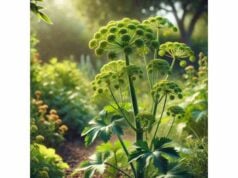
Lesser centaury is a small flowering herb in the gentian family that has been valued for centuries as a classic bitter tonic. The parts used most often are the dried aerial portions, especially the flowering tops, which contain intensely bitter compounds that help explain the plant’s traditional reputation for stimulating appetite and easing sluggish digestion. Today, lesser centaury is most closely associated with mild indigestion, post-meal heaviness, and temporary loss of appetite, though laboratory and animal research has also explored antioxidant, anti-inflammatory, antimicrobial, and skin-supportive effects.
What makes this herb interesting is not that it acts quickly like a drug, but that it fits into a broader tradition of using bitters to prepare the digestive system for food. That said, its strongest support remains traditional and pharmacological rather than large human trials. For practical use, the real questions are simple: what is in it, what benefits are realistic, how should it be taken, and who should skip it? This guide answers those questions clearly and cautiously.
Essential Insights
- Traditionally used to stimulate appetite before meals.
- Best known for easing mild indigestion, bloating, and post-meal heaviness.
- A common tea range is 1 to 4 g dried herb in 200 mL boiling water, up to 4 times daily.
- Avoid use with peptic ulcer disease and during pregnancy, breastfeeding, or under age 18 unless a clinician advises otherwise.
Table of Contents
- What Lesser Centaury Is and What It Contains
- How Lesser Centaury May Support Digestion and Appetite
- Medicinal Properties Beyond the Digestive System
- How to Use Lesser Centaury in Tea, Tincture, and Extract Form
- Dosage, Timing, and How Long to Take It
- Safety, Side Effects, Interactions, and Who Should Avoid It
What Lesser Centaury Is and What It Contains
Lesser centaury, botanically known as Centaurium erythraea, is a slender annual or biennial herb native to Europe and parts of western Asia, though it is now found in several other regions as well. It has small star-shaped pink flowers and belongs to the Gentianaceae family, a group known for notably bitter medicinal plants. That family connection matters because many gentian relatives are used to support appetite and digestion through their bitter chemistry, much like gentian itself.
The herb used in traditional preparations is usually the aerial part harvested during flowering. When dried, it produces a strong bitter taste that is much more important than its aroma. In herbal medicine, that bitterness is not just a sensory feature. It is considered part of the herb’s functional action, especially in digestive formulas and aperitif-style teas.
Its key compounds include:
- Secoiridoid bitter principles, especially swertiamarin, sweroside, and gentiopicroside
- Xanthones, which are often discussed for antioxidant and plant-protective roles
- Flavonoids and phenolic acids
- Small amounts of volatile constituents and other secondary metabolites
These constituents help explain why lesser centaury is often described as a bitter tonic, stomachic herb, or digestive stimulant. The term “stomachic” is old-fashioned but useful: it refers to herbs traditionally used to improve appetite, gastric readiness, and digestive comfort.
It is also important to keep expectations realistic. Lesser centaury is not a nutrient-dense culinary herb used in large food-like amounts. It is usually taken in comparatively small doses because its taste is powerful and because traditional use centers on functional effects rather than nutrition. In practice, people do not choose it for flavor; they choose it for bitterness.
Another useful distinction is that the herb’s best-known value is still tied to digestive support. While modern research has explored broader pharmacological properties, lesser centaury remains most relevant as a classic bitter herb used when digestion feels slow, meals feel heavy, or appetite is temporarily low. That framing helps separate long-standing use from more experimental claims that are still being worked out in the lab.
How Lesser Centaury May Support Digestion and Appetite
The main reason people use lesser centaury is simple: it is a bitter herb with a long tradition of supporting digestion. In traditional European herbal practice, bitter herbs are often taken shortly before meals to prepare the digestive tract. The bitter taste triggers a reflex response that may encourage salivation and prime the stomach for food. That is why lesser centaury is commonly described as an aperitive herb, meaning it can help stimulate appetite.
For many adults, the most realistic benefits are modest and functional rather than dramatic. Lesser centaury may be helpful when you notice:
- Temporary loss of appetite
- Mild post-meal heaviness
- Sluggish digestion
- Mild dyspeptic discomfort
- A sense that rich meals sit in the stomach for too long
In these situations, the herb is usually taken before food rather than after symptoms become intense. Its traditional role is preparatory. It is less about suppressing symptoms after the fact and more about helping the digestive process start well.
This is also why lesser centaury often appears in formulas with other bitter or digestive herbs. Pairings with aromatic and carminative plants can create a more balanced effect, especially when bloating, fullness, and poor appetite overlap. In broader herbal practice, someone comparing digestive bitters might also look at herbs such as artichoke leaf, which is often used for post-meal fullness and fat digestion.
Still, there is an important limit to the claim. Lesser centaury is not a proven treatment for ulcers, chronic reflux, inflammatory bowel disease, gallbladder emergencies, or unexplained abdominal pain. If digestion is persistently painful or worsening, the right step is medical assessment, not more bitter herbs.
Another practical point is that the bitter effect is often strongest when the preparation actually tastes bitter. Capsules can be useful, but they may not reproduce the full sensory experience of a tea or liquid preparation taken before meals. Many herbalists therefore favor infusions or liquid extracts for appetite support, especially when the goal is to engage that early digestive reflex.
In short, lesser centaury’s digestive value is most credible when framed narrowly: a traditional bitter herb for mild indigestion and temporary appetite loss. Used in that way, it can be a reasonable option for short-term digestive support. Used as a cure-all for major gastrointestinal disease, it quickly moves beyond what the evidence and tradition can responsibly support.
Medicinal Properties Beyond the Digestive System
Once you move beyond digestion, lesser centaury becomes more interesting scientifically but less certain clinically. Researchers have examined the plant and its major constituents for a range of biological activities, especially antioxidant, anti-inflammatory, antimicrobial, enzyme-modulating, and tissue-protective effects. These findings help explain why the herb appears in folk traditions for more than stomach complaints, but they do not automatically prove it works the same way in humans.
One of the main reasons for this interest is swertiamarin, a secoiridoid compound widely discussed in centaury research. Experimental work suggests that compounds in the herb may influence oxidative stress, inflammatory signaling, and certain enzymes. That is valuable from a pharmacology standpoint because it gives researchers plausible mechanisms instead of relying only on historical reputation.
Areas of ongoing interest include:
- Antioxidant activity, especially in laboratory models
- Anti-inflammatory effects in preclinical settings
- Mild antimicrobial actions against selected organisms
- Possible metabolic and glucose-related effects in animal or in vitro research
- Emerging topical uses for irritated skin or wound-supportive preparations
- Experimental pain-relief activity linked partly to swertiamarin
These are meaningful signals, but they need context. “Antioxidant” is often overused in wellness writing, and many herbs show antioxidant activity in a test tube without producing a clear clinical benefit in people. Lesser centaury is no exception. The presence of promising compounds does not turn the herb into a broad-spectrum therapy.
The same caution applies to metabolic and skin claims. There are preclinical studies suggesting potential benefit, and these help support future research. But for now, digestive use remains the most grounded and established application. If someone wants an herb primarily for post-meal gas and cramping rather than bitterness, a gentler aromatic option such as peppermint may be more familiar and easier to tolerate.
That does not make lesser centaury unimportant. It simply places it where it belongs: a traditional digestive bitter with several intriguing secondary properties under investigation. This is a good example of how herbal medicine often works in layers. The oldest use may still be the most practical one, while newer science reveals broader chemical complexity that could matter later.
For readers deciding whether to try the herb, this section leads to a practical takeaway. Use lesser centaury mainly for what it is best known for. Treat its other reported medicinal properties as emerging and secondary, not as reasons to ignore safer, better-tested options when you need actual treatment.
How to Use Lesser Centaury in Tea, Tincture, and Extract Form
Lesser centaury is available in several forms, and the best choice depends on why you are taking it. For mild digestive sluggishness or low appetite, the most traditional form is a bitter tea or infusion made from the dried herb. Liquid extracts are another common option because they are convenient and preserve the herb’s bitter profile.
The most common forms include:
- Dried cut herb for tea
- Powdered herb in capsules or loose powder
- Liquid extract
- Tincture
- Soft extract in finished herbal products
- Combination formulas with other bitters or carminatives
Tea is often the most traditional starting point. To prepare it, the dried herb is infused in hot water and taken shortly before meals. The strong bitter taste is part of the point, so sweetening it heavily can make it less true to its intended use. Some people still take it with a small amount of honey, but a very sweet preparation may defeat the “bitter tonic” experience.
Liquid extracts are often easier for people who want a measured dose without making tea each time. They can be taken in a small amount of water about 15 to 30 minutes before eating. This is often the most practical option for people using lesser centaury mainly to encourage appetite or support digestion before a larger meal.
Capsules and powders are useful when taste is a major barrier. The trade-off is that they may feel less immediate because they bypass some of the oral bitter response. They are still reasonable, especially when a product is standardized and well labeled, but they are not always the first choice for the classic “bitters before meals” approach.
Combination formulas deserve a mention because lesser centaury is often not used alone. It may appear alongside gentian, dandelion, artichoke, fennel, or chamomile in digestive products. That does not make single-herb use inferior; it just reflects how practitioners often combine bitters with gentler herbs to improve tolerability and broaden the digestive effect. If you are interested in related digestive bitters, dandelion is another traditional option often discussed in the same space.
The most important use rule is simple: match the form to the goal. Tea or liquid extract usually makes the most sense for appetite support. Capsules are often chosen for convenience. Topical use is much less established and should be treated as specialized rather than routine. In all cases, a clearly identified product with the Latin name and dosage instructions is preferable to vague “digestive herb blend” labeling.
Dosage, Timing, and How Long to Take It
Dosage matters with lesser centaury because this is an herb that is meant to be active at relatively small amounts. More is not necessarily better. Because the plant is strongly bitter, using too much can make it unpleasant and may upset the stomach rather than help it.
Common adult ranges for traditional oral use include:
- Herbal tea: 1 to 4 g of the comminuted dried herb in 200 mL of boiling water, up to 4 times daily
- Powdered herb: 0.25 to 2 g per dose, up to 3 times daily
- Liquid extract: 2 to 4 mL per dose, up to 3 times daily
- Soft extract: product-specific dosing, often equivalent to about 1 to 2 g daily
For appetite support, timing often matters as much as the dose. Taking the herb 15 to 30 minutes before meals is the most traditional strategy. That is when the bitter effect is most likely to help prepare digestion. For general digestive heaviness, some people take it around meals, but before-meal use is still the classic approach.
A practical starting plan looks like this:
- Start with the low end of the range
- Use one form only at first
- Take it consistently before your main meal
- Assess tolerance for several days before increasing
- Stop and reassess if it causes stomach burning, nausea, or worsening discomfort
Lesser centaury is not usually positioned as a long-term daily herb for indefinite use. If symptoms continue for more than about 2 weeks, that should prompt a check-in with a clinician rather than simply extending the trial. Persistent poor appetite or chronic dyspepsia can have many causes, and a bitter herb should not mask something that needs attention.
Product quality also matters. Look for:
- The full botanical name Centaurium erythraea
- The plant part used, ideally aerial flowering parts
- A clear extract ratio or dose
- Alcohol content if it is a tincture or liquid extract
- Batch or manufacturer quality information
Because formulas vary widely, label instructions can differ from monograph-style ranges. When a product is standardized, use the manufacturer’s dosing unless it is clearly unreasonable. The goal is not to chase the strongest bitter effect possible. The goal is to use a measured amount that helps appetite or digestion without causing irritation.
Safety, Side Effects, Interactions, and Who Should Avoid It
Lesser centaury is generally discussed as a short-term traditional herb for adults, but that does not mean it is right for everyone. Because it is a bitter digestive stimulant, the main safety concerns center on irritation, suitability, and lack of data in certain groups rather than a long list of confirmed severe adverse effects.
The people most likely to need caution or avoidance are:
- Anyone with a peptic ulcer
- People with marked stomach irritation or active burning pain
- Pregnant or breastfeeding women
- Children and adolescents under 18
- Anyone with a known allergy to the herb or its preparations
- People using alcohol-sensitive medications if the chosen extract contains ethanol
Possible side effects are usually digestive in nature. At higher amounts or in sensitive users, lesser centaury may cause:
- Nausea
- Stomach discomfort
- A feeling of irritation or burning
- Worsening symptoms in those with ulcer-prone stomachs
This makes sense when you consider what the herb does. A bitter plant that may encourage gastric activity is not a good match for every digestive problem. If your symptoms improve when you avoid acidic, spicy, or bitter foods, lesser centaury may not be the herb for you.
Interaction data are limited. Traditional monographs do not report established interactions, but “none reported” is not the same as “impossible.” It simply means formal evidence is sparse. That is why caution is still appropriate if you take multiple prescription drugs, especially when you are already being treated for gastrointestinal disease or when your symptoms are unexplained.
There are also two practical safety rules worth following. First, do not use the herb as a substitute for medical care when appetite loss is persistent, weight is dropping, or abdominal pain is strong. Second, do not keep increasing the dose because the taste feels manageable. Bitters can become counterproductive when overused.
Used sensibly, lesser centaury is best viewed as a targeted short-term herb for mild digestive complaints in otherwise healthy adults. It is not the first herb to choose in pregnancy, pediatric use, active ulcer disease, or complex chronic gastrointestinal illness. When there is doubt, especially around diagnosis or medications, professional guidance is the safer path.
References
- European Union herbal monograph on Centaurium erythraea Rafn. s.l., herba 2015 (Official Monograph). ([European Medicines Agency (EMA)][1])
- Phytochemical properties, biological activities and medicinal use of Centaurium erythraea Rafn 2021 (Review). ([PubMed][2])
- Chemistry, Pharmacology and Therapeutic Potential of Swertiamarin – A Promising Natural Lead for New Drug Discovery and Development 2021 (Review). ([PMC][3])
- Analgesic effect of Centaurium erythraea and molecular docking investigation of the major component swertiamarin 2024 (Preclinical Study). ([PubMed][4])
- In Vitro and in Vivo Efficacy of Different Ointment Formulations Containing Centaurium erythraea Rafn. Aerial Extract 2025 (Preclinical Study). ([PubMed][5])
Disclaimer
This article is for educational purposes only and does not replace medical advice, diagnosis, or treatment. Lesser centaury may be appropriate for short-term use in mild digestive complaints, but persistent appetite loss, ongoing abdominal pain, vomiting, black stools, reflux that does not improve, or unexplained weight loss should be evaluated by a qualified clinician. Herbal products can vary in strength and quality, and individual tolerance differs. Speak with a healthcare professional before use if you are pregnant, breastfeeding, under 18, have a peptic ulcer or another gastrointestinal condition, or take prescription medicines.
If this guide was useful, please share it on Facebook, X, or any platform your readers prefer.