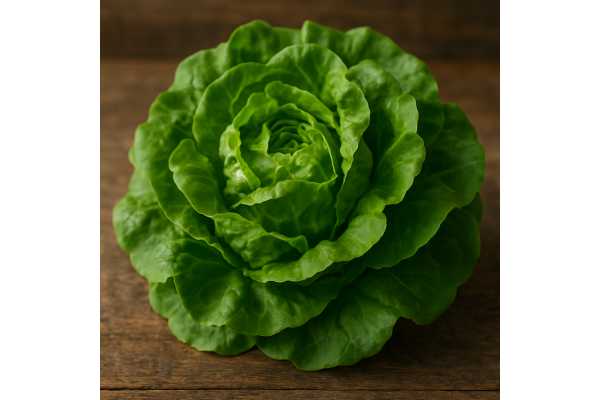
Lettuce is one of the simplest foods on your plate, yet it plays a surprisingly important role in a healthy diet. Whether it appears as crisp romaine in a Caesar salad, delicate butterhead in a wrap, or crunchy iceberg in a burger, lettuce offers hydration, key vitamins, and valuable phytonutrients for very few calories. Different varieties provide generous amounts of vitamin K, vitamin A, folate, and carotenoid antioxidants such as lutein and zeaxanthin, which support heart, eye, and bone health.
At the same time, lettuce is a raw, fresh product that can carry foodborne bacteria if not handled correctly, so safe selection, washing, and storage matter. This guide walks you through how lettuce fits nutritionally into your meals, what the science says about its health benefits, who should be cautious, and the best ways to prepare and store it to preserve both nutrients and safety.
Quick Overview
- Around 100 g raw romaine lettuce provides about 15–20 kcal, over 100% of daily vitamin K, and roughly 40–50% of vitamin A.
- Lettuce is generally safe, but raw leafy greens can occasionally carry harmful bacteria; careful handling and storage are essential.
- A typical serving is 1–2 cups (about 50–85 g) of raw lettuce, eaten most days as part of mixed vegetables.
- People on vitamin K–antagonist blood thinners (like warfarin) should keep lettuce intake consistent rather than making large, sudden changes.
- Individuals with weakened immunity, pregnancy, or a history of severe foodborne illness may wish to avoid high-risk products such as heavily processed bagged salads during active outbreaks.
Table of Contents
- What Is Lettuce?
- Lettuce Nutrition Profile
- Science-Backed Benefits of Lettuce
- Risks, Allergies and Interactions
- Selecting, Quality, Sustainability and Storage
- Preparing Lettuce and Preserving Nutrients
- Portions, Comparisons and FAQs
What Is Lettuce?
Lettuce (Lactuca sativa) is a cool-season leafy vegetable in the daisy family, cultivated primarily for its tender leaves. It originated in the Mediterranean region and has been part of human diets for thousands of years, moving from medicinal use in ancient cultures to its modern role as a fresh salad base. Most lettuces are eaten raw, which preserves their crisp texture and delicate flavors.
In everyday cooking, “lettuce” actually refers to several distinct types. Romaine (cos) lettuce forms tall, crunchy heads with dark green outer leaves and a sweeter, paler center. Butterhead lettuces, such as Boston and Bibb, have soft, tender leaves that fold easily into wraps. Leaf lettuces (red or green leaf) form loose, frilly bunches and bring color and texture to mixed salads. Iceberg lettuce forms tight, pale heads with a mild flavor and high water content, making it especially refreshing though less nutrient-dense than darker varieties.
From a nutrition perspective, darker and more intensely colored leaves generally provide more vitamins, minerals, and phytochemicals. Romaine and leaf lettuces tend to be richest in vitamin K, provitamin A carotenoids, and folate. Iceberg and some crisphead types still contribute hydration, fiber, and small amounts of micronutrients, but they are better seen as a “volume and crunch” addition rather than a primary nutrient powerhouse.
Lettuce also varies in bitterness and aroma. Some varieties contain more bitter compounds, especially in the ribs and older leaves; these are natural plant defenses and often correlate with higher levels of phytonutrients. Baby lettuces are harvested early, with milder flavors and softer textures that many people find easier to enjoy in larger amounts.
Culinarily, lettuce is extremely versatile. Beyond salads, it can:
- Replace tortillas or buns in lettuce wraps and burgers.
- Add crunch to sandwiches and spring rolls.
- Serve as a bed for grains, legumes, or grilled proteins.
- Be lightly grilled or wilted in warm salads with sturdier varieties like romaine.
Because lettuce is low in calories but high in volume and water, it helps increase the portion size of meals without significantly increasing energy intake. When combined with beans, grains, healthy fats, and proteins, lettuce becomes part of balanced, satisfying dishes that support weight management and overall health.
Lettuce Nutrition Profile
Lettuce is often described as “mostly water,” and that is true: many types contain around 93–95% water by weight. But that does not mean it is nutritionally empty. When you look per 100 g (roughly 2–3 cups shredded, depending on variety), especially for darker lettuces such as romaine or green leaf, you see meaningful amounts of vitamins K and A, folate, and several minerals, alongside fiber and a spectrum of phytonutrients.
The tables below use raw romaine lettuce as a representative example. Other varieties differ slightly, with darker leaves generally providing more vitamins and carotenoids and paler varieties slightly less.
Macros, Fiber and Key Electrolytes (per 100 g raw romaine)
| Component | Amount per 100 g | % Daily Value* |
|---|---|---|
| Energy | 19 kcal | 1% |
| Water | 93.5 g | – |
| Protein | 1.4 g | 3% |
| Total fat | 0.27 g | 0% |
| Carbohydrates (total) | 3.8 g | 1% |
| Dietary fiber | 3.1 g | 11% |
| Total sugars | 0.7 g | 1% |
| Sodium | 25 mg | 1% |
| Potassium | 327 mg | 7% |
*% Daily Values are based on a 2,000 kcal diet and rounded for simplicity.
Most of the carbohydrate in lettuce is fiber and naturally occurring simple sugars. Net digestible carbs are very low, which makes lettuce suitable for most lower-carbohydrate or diabetes-friendly eating patterns. Its modest potassium content contributes to overall electrolyte balance and supports normal blood pressure when combined with an overall plant-rich diet.
Vitamins (per 100 g raw romaine)
| Vitamin | Amount per 100 g | % Daily Value |
|---|---|---|
| Vitamin A (as provitamin A) | ~400–450 µg RAE | ~45–50% |
| Vitamin K (phylloquinone, K1) | ~200 µg | >150% |
| Vitamin C (ascorbic acid) | 10–12 mg | 11–13% |
| Folate (vitamin B9, DFE) | ~130–140 µg | ~30–35% |
| Vitamin E (alpha-tocopherol) | ~0.9 mg | ~6% |
| Thiamin (vitamin B1) | ~0.07 mg | ~6% |
| Riboflavin (vitamin B2) | ~0.07 mg | ~5% |
| Vitamin B6 | ~0.07 mg | ~4% |
| Vitamin D and vitamin B12 | 0 | 0% |
Lettuce stands out for its high vitamin K content and respectable amounts of provitamin A carotenoids and folate. These nutrients support normal blood clotting, bone metabolism, immune function, and red blood cell formation. Because lettuce contains no vitamin B12 or vitamin D, it should complement rather than replace other nutrient-dense foods.
Minerals (per 100 g raw romaine)
| Mineral | Amount per 100 g | % Daily Value |
|---|---|---|
| Calcium | ~60–65 mg | ~5% |
| Iron | ~0.9 mg | ~5% |
| Magnesium | ~20 mg | ~5% |
| Phosphorus | ~35 mg | ~3% |
| Zinc | ~0.5 mg | ~4% |
| Copper | ~0.15 mg | ~15% |
While lettuce is not a major mineral source compared with legumes or dairy, it contributes small amounts of several minerals with virtually no sodium and no cholesterol. The alkaline-forming mineral profile also contributes to a slightly negative potential renal acid load, supporting an overall acid–base balance when included in a varied diet.
Phytonutrients and Bioactives
Lettuce provides a variety of plant compounds that do not appear on standard labels but are relevant to health:
| Bioactive compound | Approximate amount per 100 g | Notes |
|---|---|---|
| Lutein plus zeaxanthin | ~4,200 µg | Supports eye and brain health. |
| Beta-carotene | ~3,300 µg | Provitamin A antioxidant. |
| Nitrate (from plant sources) | Variable, often 40–200 mg | May help nitric oxide production and vascular function. |
Darker, more bitter lettuces generally have more carotenoids and polyphenols. Nitrate content is higher in many leafy greens, including lettuce, which can modestly increase nitric oxide availability and influence blood vessel tone. For most people, nitrate from vegetables is considered beneficial and quite different from nitrite used in processed meats.
No common allergenic proteins or gluten are naturally present in lettuce, and there are no deliberate additives in fresh, unprocessed heads. Pre-cut, bagged salads, however, can contain mild preservatives such as ascorbic acid or citric acid, which are usually well tolerated but should be checked by those with specific sensitivities.
Science-Backed Benefits of Lettuce
Lettuce itself is rarely studied in isolation, but it belongs to the broader group of leafy green vegetables that appear consistently in research on cardiovascular health, longevity, and metabolic disease. Including lettuce as part of an overall pattern rich in vegetables and fruits supports several aspects of health.
One key area is cardiovascular protection. Large cohort studies and systematic reviews have linked higher intakes of vegetables—especially leafy greens and salad vegetables—with lower risks of coronary heart disease, stroke, and all-cause mortality. These benefits seem to plateau around five to eight total daily servings of fruits and vegetables, with dark greens contributing meaningfully to the effect. Lettuce, particularly romaine and leaf types, contributes vitamin K, potassium, and nitrates, all of which support vascular health and normal blood pressure when combined with other healthy lifestyle choices.
The nitrate content of lettuce and other leafy greens is another important mechanism. When you eat nitrate-rich vegetables, oral bacteria and body tissues convert nitrates into nitric oxide, a signaling molecule that relaxes blood vessels, improves endothelial function, and may modestly reduce blood pressure. Controlled trials and systematic reviews of nitrate-rich vegetables suggest improvements in blood pressure and some cardiometabolic markers, particularly in people with elevated risk. However, the effect sizes are moderate, and benefits depend on regular intake within an overall balanced diet.
Lettuce is also notable for its carotenoid profile. Lutein and zeaxanthin concentrate in the macula of the eye and are associated with a reduced risk of age-related macular degeneration and better visual function over time. Higher intake of green leafy vegetables, which includes lettuces, correlates with improved eye health and may support cognitive aging as well. The vitamin A activity of beta-carotene supports epithelial integrity and immune function, although lettuce alone does not supply all the vitamin A needs for most people.
Another strength of lettuce is its role in weight management and meal satisfaction. Because lettuce is very low in energy but high in volume and water, it helps increase portion size and chewing time without adding many calories. When lettuce is combined with proteins, whole grains, legumes, and healthy fats, meals can be more filling and satisfying, which may support long-term weight control and adherence to healthy eating patterns. The modest fiber content also assists with digestive regularity and promotes a more favorable gut microbiota when eaten alongside diverse plant foods.
Finally, lettuce contributes to overall dietary variety. Nutrition research increasingly suggests that eating a wider range of plant foods—different colors, textures, and species—is associated with better cardiometabolic outcomes compared with very limited vegetable patterns. Rotating lettuces (romaine, butterhead, leaf, and even small amounts of iceberg) with other greens like spinach, arugula, and kale broadens your intake of micronutrients and phytonutrients, making lettuce an easy, accessible part of a more diverse plate.
Risks, Allergies and Interactions
For most people, lettuce is safe and well tolerated, but there are a few important considerations, mainly related to food safety, vitamin K content, and rare sensitivities.
The most widely discussed risk is foodborne illness. Leafy greens, including lettuce, have been implicated in outbreaks of infections caused by pathogens such as Shiga toxin-producing Escherichia coli, Salmonella, and Listeria. Lettuce grows close to the ground and is often eaten raw, so contamination can occur through irrigation water, soil, animals, or during harvesting and processing. Bagged salads and pre-cut mixes can carry additional risk because they combine leaves from many sources, involve extra handling, and create moist, enclosed environments favorable to bacterial growth if the cold chain breaks.
You can reduce risk but not eliminate it by following good food safety practices. These include buying lettuce that looks fresh and dry (not slimy or with strong odors), keeping it refrigerated, discarding outer leaves when appropriate, and rinsing whole heads or loose leaves under cool running water just before use. Avoid soaking lettuce in standing water, as this may spread contaminants from one leaf to another. People at higher risk from foodborne illness—such as older adults, pregnant people, young children, and those with weakened immune systems—may choose whole heads or hydroponically grown greens instead of more heavily processed, bagged products, especially during active outbreak alerts.
True lettuce allergy is rare but documented. Symptoms can range from oral itching and mild hives to, in very rare cases, more serious reactions. Lettuce allergy sometimes overlaps with pollen-related oral allergy syndrome, where individuals sensitive to certain pollens experience itching or discomfort in the mouth after eating raw lettuce. Cooking usually reduces these reactions, but lettuce is not commonly eaten cooked in large amounts. Anyone who experiences reproducible symptoms after eating lettuce should seek evaluation from an allergist.
There are also a few clinical situations where the vitamin K content of lettuce matters. Vitamin K plays a key role in coagulation and can interfere with vitamin K–antagonist anticoagulant medications such as warfarin. The goal is not necessarily to avoid lettuce entirely but to keep daily intake of vitamin K-rich foods relatively consistent so that medication doses remain effective. People on these drugs should discuss dietary patterns with their healthcare team before making large changes, such as suddenly eating big salads every day.
Nitrates from vegetables raise occasional questions, particularly about potential cancer risk and thyroid function. Current evidence suggests that nitrate from vegetables, in the context of a normal diet, carries minimal risk and may be protective for cardiovascular health. Concerns about nitrates and nitrites are more relevant to processed meats and contaminated water than to leafy greens. Still, people with specific thyroid disorders or chronic kidney disease should follow individualized advice from their clinicians, who may adjust vegetable and nitrate recommendations based on their overall health, iodine status, and medications.
Lastly, lettuce is low in calories and protein, so extremely high intakes that displace more nutrient-dense foods could contribute to inadequately balanced diets, especially in children, older adults, or individuals with increased nutrient needs. Lettuce should complement, not replace, other vegetables, legumes, fruits, whole grains, and protein sources.
Selecting, Quality, Sustainability and Storage
Selecting good lettuce starts with appearance and texture. Look for leaves that are crisp, vibrant, and free from slimy spots, darkened edges, or strong odors. The core of a head should be firm but not dried out. For romaine and leaf lettuces, deeper green color often signals higher carotenoid and vitamin content, though very dark, wilting, or slimy patches are signs of spoilage.
Whole heads usually last longer and may carry a lower microbial risk than pre-cut bags because they have less cut surface area and fewer processing steps. Whole romaine, butterhead, and leaf lettuces are good everyday choices if you are comfortable washing and trimming them at home. Iceberg heads, while less nutrient-dense, can be useful for crunch and hydration in certain dishes. Bagged mixes and pre-washed salads offer convenience but come with trade-offs: shorter shelf life after opening, higher cost per serving, more plastic packaging, and often a higher risk profile from the extra handling and mixing of leaves from many farms.
From a sustainability perspective, consider seasonality and production methods. Locally grown lettuces in season tend to have lower transport emissions and may be fresher. Controlled-environment or hydroponic lettuce can reduce water use and pesticide needs and may offer tighter control over irrigation water quality, which has food safety advantages. On the other hand, some greenhouse or vertical farming systems have higher energy demands, so the sustainability picture depends on local energy sources and practices.
At home, proper storage helps maintain both quality and safety. Ideally, refrigerate lettuce as soon as possible at about 4°C or just above freezing. Keep it in the vegetable drawer or in a perforated container that maintains humidity while allowing some airflow. For whole heads, you can wrap the base loosely in a clean towel or place the head in a ventilated bag. Avoid crushing or stacking heavy items on top, which bruises leaves and accelerates spoilage.
If you wash lettuce in advance, dry it thoroughly using a salad spinner or clean towel and store the leaves in a container lined with a dry paper towel. Excess surface moisture encourages microbial growth and faster wilting. Pre-washed, bagged lettuce labeled “ready to eat” does not need to be washed again, but it should be kept sealed and used promptly after opening. If the contents look slimy, discolored, or have a sour smell, discard them even if the date on the package has not yet passed.
To minimize waste, plan how you will use the lettuce within three to five days (for pre-cut products) or up to about a week for very fresh whole heads. The outermost leaves and any slightly wilted parts can sometimes be trimmed away, with the remaining portions used first in cooked or warm dishes where texture matters less. Composting trimmings is preferable to sending them to landfill if you have that option.
Preparing Lettuce and Preserving Nutrients
Because lettuce is usually eaten raw, the main opportunities for preserving nutrients and safety lie in how you wash, handle, and combine it with other ingredients rather than in cooking times and temperatures.
Start with good hygiene. Wash your hands with soap and water before and after handling lettuce. Clean cutting boards, knives, and salad spinners, especially if they were used for raw meat or eggs. Use separate boards for raw animal products and vegetables when possible to avoid cross-contamination. If you are working with both, prepare and store lettuce after you are done with higher-risk items or use fresh tools and surfaces.
For whole heads and loose lettuce:
- Remove and discard any visibly damaged, slimy, or heavily soiled outer leaves.
- Rinse the remaining leaves under cool running water. Gently rub or separate folds as needed to remove soil or debris.
- Do not soak lettuce in a sink or basin full of water, which can spread bacteria.
- Dry leaves thoroughly in a salad spinner or by patting with a clean kitchen towel.
Once dry, lettuce can be torn or cut. Tearing by hand is often said to be gentler on cell walls, but in practice the difference is small if you use a sharp knife and serve soon after cutting. What matters more nutritionally is limiting prolonged exposure to light, heat, and air, which can slowly degrade vitamin C and some carotenoids. Dressing salads shortly before serving and storing leftovers quickly in the refrigerator helps preserve quality.
Lettuce is rarely cooked for long, but it can be lightly grilled, quickly wilted in soups at the end of cooking, or used in warm salads. Short exposure to heat may soften texture and slightly reduce some heat-sensitive nutrients while potentially increasing the bioavailability of certain carotenoids. Because the primary appeal of lettuce is its crisp, fresh texture, most people will get the best nutrient and sensory value from primarily raw preparations, reserving cooked uses for sturdier varieties like romaine.
Pairing lettuce with a small amount of healthy fat improves absorption of fat-soluble nutrients such as provitamin A carotenoids and vitamin K. Extra-virgin olive oil, avocado, nuts, and seeds make good companions. A simple salad that combines lettuce with a spoonful of olive oil, lemon juice or vinegar, and a source of protein (beans, fish, eggs, tofu, or poultry) becomes a more balanced dish, supporting blood sugar control, satiety, and nutrient uptake.
Finally, consider sodium and added sugars in dressings and toppings. Lettuce itself is naturally low in sodium and contains no added sugars, but commercial dressings, croutons, bacon bits, and sweetened sauces can quickly change the nutritional profile. Making dressings at home or choosing versions with modest sodium and sugar content lets the natural strengths of lettuce and other vegetables shine.
Portions, Comparisons and FAQs
A practical serving of lettuce for most adults is about 1 cup of shredded leaves (roughly 40–50 g) as a side, or 2 cups (80–100 g) as the base of a main-dish salad. Many dietary guidelines suggest aiming for several servings of vegetables per day, with at least one serving from leafy greens. Having lettuce once daily—alongside other vegetables such as cruciferous vegetables, tomatoes, carrots, and legumes—fits well within these patterns.
Lettuce compares favorably with some vegetables and less so with others, depending on what you value. Compared with spinach or kale, lettuce typically contains less iron and calcium but is often milder in flavor and easier for people to eat in larger amounts. Romaine and leaf lettuces rival or exceed some darker greens in vitamin A and vitamin K content per 100 g, though they still do not provide significant protein. Iceberg lettuce, on the other hand, is lower in most micronutrients but still offers hydration, some fiber, and a vehicle for other nutrient-dense toppings.
A few common questions help put lettuce into context:
- Is iceberg lettuce “bad” or “useless”?
No, but it is less concentrated in vitamins than darker varieties. Think of iceberg as a hydrating, crunchy base that should be combined with more colorful vegetables and nutrient-rich toppings rather than relied on alone. - How often can I eat lettuce?
Most people can safely enjoy lettuce every day as part of mixed vegetables, as long as they handle it safely and balance their overall diet. Variety still matters: rotate between lettuce, other leafy greens, and different vegetable groups. - Is a big salad enough for a meal?
It can be, if you include good sources of protein (beans, lentils, tofu, fish, eggs, poultry), healthy fats (olive oil, avocado, nuts, seeds), and some complex carbohydrates (whole grains or starchy vegetables) alongside lettuce and other vegetables. - Should people with diabetes limit lettuce?
Lettuce is very low in carbohydrates and generally suitable for diabetes-friendly diets. The key is to watch dressings and toppings, which may contain added sugars or refined starches. - Who should limit or avoid lettuce?
Individuals on vitamin K–antagonist blood thinners should avoid large, sudden changes in lettuce intake. People with weakened immunity, pregnancy, or a history of severe foodborne illness may wish to be more cautious with raw, pre-cut salads and pay close attention to food safety alerts.
As a guideline, building one meal each day around a large salad that includes 2 cups of mixed lettuce plus other vegetables, a protein source, and a healthy fat is a practical way to leverage lettuce while covering broader nutrient needs.
References
- Fruit and vegetable intake and the risk of cardiovascular disease, total cancer and all-cause mortality-a systematic review and dose-response meta-analysis of prospective studies 2017 (Systematic Review)
- Health effects associated with vegetable consumption: a Burden of Proof study 2022 (Systematic Review and Meta-Analysis)
- Associations between vegetable nitrate intake and cardiovascular disease risk and mortality: a systematic review 2024 (Systematic Review)
- Nitrates and nitrites in vegetables and the health risk 2025 (Systematic Review)
- Food safety tips for leafy green vegetables 2024 (Guideline)
Disclaimer
The information in this article is for general education only and is not intended to replace personalized medical advice, diagnosis, or treatment. Individual nutrition needs and health risks vary based on your medical history, medications, and overall lifestyle. Always discuss significant dietary changes—especially if you have chronic conditions, take prescription medications such as blood thinners, are pregnant, or have a compromised immune system—with a qualified healthcare professional or registered dietitian.
If you found this article helpful, you are welcome to share it on Facebook, X (formerly Twitter), or any platform you prefer. Your support through thoughtful sharing helps our team continue creating clear, evidence-based nutrition content for more readers.