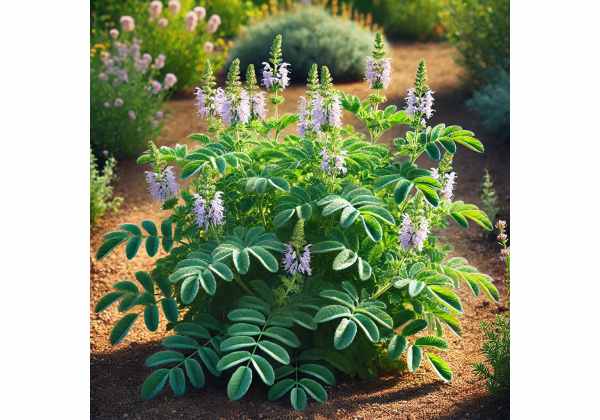
Licorice is one of those herbs that seems simple until you look more closely. The sweet root of Glycyrrhiza glabra has a long history in traditional medicine, especially for throat irritation, coughs, gastritis, and general digestive discomfort. Modern interest in licorice comes from the same qualities that made it valuable in older systems of care: it is soothing, chemically rich, and surprisingly versatile. Its best-known compound, glycyrrhizin, helps explain many of its biological effects, but it also explains why licorice deserves more caution than many other herbal remedies.
That is the central point readers often miss. Licorice can be useful, but the form matters. Whole-root tea, powdered root, standardized extracts, and deglycyrrhizinated licorice, often called DGL, are not interchangeable. Some preparations are aimed at short-term digestive or respiratory support, while others are chosen specifically to reduce the blood-pressure and potassium risks linked to glycyrrhizin. A good licorice guide should therefore do more than praise its benefits. It should explain what is in the root, where the evidence is strongest, how to use it sensibly, and when it is better avoided.
Quick Facts
- Licorice may help soothe mild upper digestive irritation and can support short-term relief of dyspepsia-like symptoms.
- Topical licorice preparations may help recurrent mouth ulcers heal more comfortably and more quickly.
- DGL chewable tablets are commonly used at 380 to 400 mg before meals and at bedtime for short courses.
- Avoid regular licorice if you have high blood pressure, low potassium, kidney disease, heart disease, or are pregnant.
- Whole-root licorice is better treated as a short-term herb than a daily wellness habit.
Table of Contents
- What Licorice Is and Why the Form Matters
- Key Compounds in Licorice and How They Work
- Health Benefits with the Best Support
- Medicinal Uses in Practice for Throat, Stomach, Mouth, and Skin
- Dosage, Timing, and How to Choose Between Whole Licorice and DGL
- Common Mistakes People Make with Licorice
- Safety, Side Effects, Interactions, and Who Should Avoid Licorice
What Licorice Is and Why the Form Matters
Licorice is the root of Glycyrrhiza glabra, a legume native to parts of Europe and Asia and now used globally in herbal practice, confectionery, and flavoring. The dried root has a naturally sweet, earthy taste and a reputation for soothing irritated tissues. Historically it has been used in formulas for cough, hoarseness, gastric discomfort, and mucosal irritation. Many traditional systems also valued licorice as a balancing herb that softened stronger formulas and improved taste.
That broad traditional role makes licorice sound gentle, but modern use needs more precision. The first thing to understand is that not all licorice products are the same. Whole-root preparations and extracts that still contain glycyrrhizin can affect blood pressure, potassium balance, and fluid retention when used too long or in susceptible people. Deglycyrrhizinated licorice, or DGL, is processed to remove most of that glycyrrhizin. It is therefore often preferred for upper digestive complaints when the goal is mucosal support with lower systemic risk.
This distinction changes almost every practical question a reader might ask. When someone says licorice “helps the stomach,” do they mean whole-root tea, a standardized extract, or a DGL chewable used before meals? When someone says licorice “can raise blood pressure,” are they talking about candy, tea, herbal capsules, or chronic exposure to glycyrrhizin-rich products? Without that context, advice becomes too vague to be useful.
Licorice is also broader than its most familiar sweet-shop image. Black licorice candy may contain actual licorice extract, anise flavor, or both, and candy is not a reliable guide to medicinal use. In herbal practice, the root is more often used as a tea, decoction, powder, capsule, tincture, throat formula, or chewable DGL tablet. Some products are designed for the throat and upper airways. Others are aimed at gastritis-like discomfort, reflux, or functional dyspepsia. Topical preparations may be explored for oral sores or skin-calming purposes.
Compared with classic mucosal herbs such as marshmallow root, licorice is less purely demulcent and more pharmacologically active. That is part of its appeal. It is soothing, but not inert. It may influence inflammation, mucus production, microbial activity, and stress-related tissue irritation. It also means the herb should be used with more respect than the sweet taste suggests.
The best way to think about licorice is as a potent traditional root with two faces. One face is comforting: soothing, coating, and supportive for irritated tissues. The other is physiologically active: capable of altering mineral balance and blood pressure if used carelessly. Good licorice use depends on knowing which face you are dealing with and choosing the preparation accordingly.
Key Compounds in Licorice and How They Work
Licorice owes its medicinal reputation to a complex mix of saponins, flavonoids, and other plant chemicals rather than to sweetness alone. The best-known constituent is glycyrrhizin, sometimes called glycyrrhizic acid. This is the compound most responsible for licorice’s characteristic sweetness and many of its biologic effects. It is also the compound most closely associated with the herb’s classic safety problem: pseudoaldosteronism, a hormone-like effect that can contribute to sodium retention, potassium loss, edema, and elevated blood pressure.
Once ingested, glycyrrhizin is metabolized to glycyrrhetinic acid. This metabolite can interfere with the enzyme system that normally converts cortisol to its inactive form in certain tissues. When that protection is reduced, cortisol can act more like aldosterone, which helps explain why chronic licorice use can cause fluid and electrolyte problems. This is why licorice safety discussions focus so heavily on duration, dose, and the difference between regular licorice and DGL.
Licorice also contains a range of flavonoids, and these are especially important when people talk about antioxidant, soothing, and tissue-protective effects. Glabridin is one of the most studied licorice flavonoids and is often discussed for antioxidant and anti-inflammatory activity. Liquiritigenin and isoliquiritigenin are also relevant. These compounds are part of why licorice attracts interest not only as a traditional herb but also as a modern phytochemical source with possible applications in digestive, oral, and mucosal health.
Another useful way to understand licorice is to separate its main actions into broad functional groups:
- glycyrrhizin-rich actions, which are stronger, more systemic, and more likely to create blood pressure and potassium concerns
- flavonoid-rich actions, which are often emphasized in digestive or topical products
- demulcent and mucosa-supportive actions, which help explain the herb’s long use for throat and stomach irritation
This is also where product labels start to matter. A DGL tablet is designed to preserve some of licorice’s digestive-supportive character while reducing glycyrrhizin-related risk. A whole-root tincture or tea keeps the traditional profile but demands stricter attention to duration and contraindications. A standardized extract may emphasize a specific constituent. A multi-herb formula may use licorice in a smaller supporting amount rather than as the main herb.
Chemistry also explains why licorice is more than a simple “sweet root.” Its compounds suggest multiple mechanisms that may overlap in practice: tissue soothing, support for mucus and surface protection, modulation of inflammatory signaling, and some antimicrobial activity in laboratory settings. Still, chemistry is not the same as proof of clinical effect. It is best used as context, not as a reason to overpromise.
Readers who are used to herbs with strong volatile oils, such as ginger, may notice that licorice feels different. Ginger is warming, pungent, and quickly perceptible. Licorice is softer and more coating, but physiologically it may be more consequential over time. That is why understanding the compounds is not just an academic exercise. It is the clearest path to using licorice intelligently.
Health Benefits with the Best Support
Licorice is credited with a very long list of benefits, but the most useful approach is to separate traditional plausibility from areas that have better modern support. When that is done, several uses stand out as more grounded than the rest.
Digestive support is one of the strongest and most practical categories. Licorice, especially DGL or selected extracts, has been used for gastritis-like discomfort, upper abdominal irritation, heartburn-related symptoms, and functional dyspepsia. It is not a substitute for diagnosis when symptoms are persistent or severe, but there is reasonable support for short-term use in carefully selected people. Its appeal here comes from a combination of soothing effects and the possibility of helping protect irritated mucosal surfaces.
Oral and mucosal comfort is another area with meaningful promise. Topical licorice has been studied for recurrent aphthous ulcers and may help reduce pain and speed healing time when used in the right form. This is a good example of licorice at its most sensible: targeted, local, and used for a limited duration. The same principle helps explain why the herb also appears in throat products.
Respiratory support is a traditional strength rather than a deeply proven modern indication. Licorice root has long been used as an expectorant and throat-soothing herb in cough formulas. It may help when the throat feels dry, irritated, or raw, especially in short-term preparations combined with other respiratory herbs. That does not mean it treats pneumonia, asthma flare, or serious infection. It means it can support comfort, especially when dryness and irritation are part of the picture.
Laboratory research also points to antioxidant, anti-inflammatory, and antimicrobial actions. These findings help explain why licorice remains popular, but they need a careful frame. Many herbs look impressive in cell and animal work. What matters for readers is where that translates into realistic self-care. For licorice, the answer is mostly upper digestive support, mucosal soothing, selected oral uses, and traditional respiratory formulas rather than sweeping claims about immunity or chronic disease reversal.
Benefits that deserve more restraint include broad hormonal claims, adrenal claims, and casual claims that licorice is good for “stress exhaustion.” The herb may affect cortisol metabolism, but that is not the same thing as being a safe daily endocrine tonic. In fact, that reasoning is exactly where misuse often begins.
A practical benefit hierarchy looks like this:
- most grounded: short-term digestive support, throat soothing, and topical oral applications
- plausible but more limited: supportive use in cough formulas and selected mucosal irritation
- still preliminary or easy to overstate: chronic inflammatory, metabolic, antiviral, or endocrine claims
Licorice therefore works best when matched to clear, modest goals. For example, it may make sense to use it in a short digestive-support routine, especially when compared with more pungent herbs that irritate some people. Someone exploring gentle upper GI support might also compare it with mastic, which is often discussed for the stomach for very different reasons. The lesson is not that licorice is universally better, but that it occupies a specific niche: soothing, active, useful, and worthy of restraint.
Medicinal Uses in Practice for Throat, Stomach, Mouth, and Skin
The most practical licorice uses are those where its texture and chemistry align with the problem. That usually means irritated mucosal tissue rather than deep systemic disease. When licorice is used well, it tends to feel supportive rather than dramatic.
For the throat, licorice is most at home in lozenges, teas, syrups, and blended respiratory formulas. It can help soothe hoarseness, scratchiness, and dry cough states where the tissues feel irritated rather than heavily congested. The sweet taste also makes it a classic formula-balancer in herbal cough blends. It is often combined with warming or expectorant herbs to make them easier to tolerate. This does not turn licorice into a standalone treatment for persistent cough, but it does explain why people often find it comforting.
For the stomach, the best-known practical distinction is between whole licorice and DGL. Whole licorice still has traditional value, but DGL is usually the preferred option when the goal is upper digestive support without the glycyrrhizin burden. People often use DGL before meals for indigestion, burning discomfort, or an easily irritated stomach. The chewable form is popular partly because contact with the mouth and upper digestive tract seems consistent with its intended use.
Licorice also has a clear role in mouth and oral-soft-tissue support. Topical preparations have been studied for recurrent mouth ulcers, and this is one of the more concrete, targeted ways to use the plant. In that setting, the herb is not being asked to do everything. It is being used locally, for a short course, in a form matched to the tissue.
Topical skin use is more exploratory for general readers. Licorice-derived compounds show interest in cosmetic and dermatologic contexts because of soothing and antioxidant properties, but not every licorice cream is equivalent, and not every skin problem is appropriate for self-treatment. This is an area where product-specific evidence matters more than root tradition alone.
A useful way to think about licorice in everyday practice is by matching the herb to the tissue:
- throat irritation and dry cough tendency
- upper digestive irritation and functional dyspepsia
- recurrent mouth sores
- selected topical applications under product-specific guidance
It is also worth noting what licorice is not best at. It is not the first herb many people choose for gas and cramping. For that, aromatic carminatives such as fennel seed may make more immediate sense. Licorice is less about moving trapped gas and more about calming irritated surfaces.
This tissue-based view keeps the herb grounded. It also helps prevent one of the biggest problems in herbal self-care: using a plant everywhere because it has a long list of theoretical actions. Licorice shines when you use it where its traditional strengths, sensory qualities, and modern data overlap. That overlap is clearest in the throat, upper digestive tract, and oral mucosa.
Dosage, Timing, and How to Choose Between Whole Licorice and DGL
Licorice dosage is not one-size-fits-all because the form changes the goal and the risk. Whole-root preparations, glycyrrhizin-containing extracts, and DGL should be treated as related but distinct tools.
For whole licorice root, traditional adult use often falls in the range of about 0.6 to 15 g of dried root per day, depending on the preparation and the purpose. That wide range is one reason broad self-dosing can be risky. A tea or decoction made from the root may be used for short-term throat or digestive support, but regular daily use at higher amounts is not a casual habit. If the product is standardized by glycyrrhizin content, dosing may instead be expressed in milligrams of glycyrrhizin. That matters because glycyrrhizin exposure, more than root weight alone, drives much of the safety discussion.
DGL is different. It is commonly used in chewable tablets at about 380 to 400 mg, often 15 to 20 minutes before meals and sometimes again at bedtime. That pattern is practical for upper digestive complaints because it places the herb where people want the support. DGL is typically chosen for short courses rather than indefinite daily use.
Timing depends on the goal:
- throat support often makes sense between meals, in teas, syrups, or lozenges
- upper digestive support often makes sense before meals
- mouth-ulcer support follows the product directions and is usually topical and localized
Duration matters as much as dose. Regular glycyrrhizin-containing licorice should be thought of as short term unless a clinician who understands the herb has a clear reason to extend it. Some official monograph-style guidance advises medical review if use goes beyond four weeks. In real life, many cautious users stay shorter, especially when whole licorice is involved.
Choosing between forms becomes easier if you ask one question first: what am I actually trying to help?
- For throat soothing or traditional cough support, a short-term tea or formula may be reasonable.
- For upper stomach irritation, DGL is often the more sensible first choice.
- For recurrent mouth ulcers, a targeted topical product fits better than a generalized capsule.
- For vague “wellness” or “adrenal support,” licorice is usually too physiologically active to use casually.
Another practical point is consistency. Licorice is not an herb where bigger doses usually mean smarter results. In fact, pushing the dose is exactly how people drift into avoidable problems. The right dose is the lowest effective one, for the shortest useful time, in the preparation that best matches the tissue being supported.
That restraint is especially important because licorice can feel gentle. It tastes pleasant, blends well, and does not announce itself the way strong bitters or pungent herbs do. That sensory softness can hide the need for discipline. With licorice, careful selection and short duration are part of the dose.
Common Mistakes People Make with Licorice
Licorice is often misused not because people are reckless, but because the herb sends mixed signals. It tastes sweet, appears in candy, and is marketed for soothing support, so many people assume it is harmless. That assumption causes most of the common mistakes.
The first mistake is confusing regular licorice with DGL. This is probably the most important distinction in the entire article. DGL is used precisely because it reduces glycyrrhizin exposure. Someone who reads about digestive benefits and then buys a standard whole-licorice extract may be choosing a very different risk profile than intended.
The second mistake is assuming candy equals herbal dosing. Black licorice confectionery, teas, lozenges, syrups, and herbal capsules can all contribute to glycyrrhizin exposure, but they are not standardized in the same way and should not be treated as interchangeable. Hidden intake is a real issue, especially when licorice appears in multiple products at once.
A third mistake is using licorice too long for vague reasons. This happens often in wellness spaces that frame licorice as a daily hormone or stress support herb. Whatever theoretical appeal that idea has, it runs straight into the herb’s best-known safety issue. Licorice is not the ideal candidate for indefinite self-prescribed use.
The fourth mistake is forgetting the person, not just the herb. A healthy young adult using DGL briefly before meals is a very different scenario from someone with hypertension, edema, chronic kidney disease, or several medications. Licorice requires context. The same dose can be trivial for one person and problematic for another.
Another common error is using licorice when a different herb better matches the complaint. For example, in someone whose reflux is worse with mint, licorice may feel gentler than peppermint. But if the main complaint is gas and spasm rather than irritated mucosa, licorice may not be the best lead herb. Matching the plant to the symptom cluster is part of good herbal practice.
A practical troubleshooting checklist helps:
- confirm whether the product is whole licorice or DGL
- check all supplements, teas, and candies for duplicate licorice exposure
- keep the use short term unless you have a medically supervised plan
- stop and reassess if swelling, headache, muscle weakness, or higher blood pressure appear
- do not keep escalating the dose just because the taste is easy to tolerate
This section matters because licorice is often not misused in dramatic ways. It is misused gradually. A tea becomes a daily habit. A cough product is added to a digestive chewable. A candy is added on top. A person with borderline hypertension keeps going because the herb feels traditional and “natural.” Those are exactly the situations where thoughtful use turns into avoidable risk.
Safety, Side Effects, Interactions, and Who Should Avoid Licorice
Licorice safety revolves around one fact: regular glycyrrhizin-containing licorice can cause real physiologic effects, especially with repeated use. The most recognized pattern is pseudoaldosteronism, which may lead to fluid retention, high blood pressure, low potassium, headache, weakness, edema, and in more serious cases rhythm disturbances. This is not a fringe concern. It is the central safety issue that separates licorice from many otherwise soothing herbs.
Risk depends on the form, dose, duration, and person. DGL is used partly because it reduces this risk, but even then, prudence still matters. Whole licorice root, concentrated extracts, and habitual exposure from multiple products deserve more caution. The people at highest risk are those with hypertension, cardiovascular disease, kidney disease, low potassium, edema tendency, or heavy medication use. Pregnancy is also a major caution category, and regular medicinal use should be avoided.
Important drug-interaction concerns include:
- diuretics, because they can worsen potassium loss
- corticosteroids, because they may compound electrolyte and hormone-related effects
- cardiac glycosides and some antiarrhythmic concerns, because low potassium raises the stakes
- stimulant laxatives, because they can add to electrolyte imbalance
- antihypertensive therapy, because licorice may work against blood-pressure control
Milder side effects can include stomach upset, nausea, or loose stool depending on the preparation. But the more important point is that licorice can create meaningful problems even before a person feels obviously unwell. Blood pressure may rise quietly. Potassium may drift lower. Edema may be dismissed as temporary bloating.
Who should avoid regular licorice altogether or only use it with direct medical guidance?
- pregnant adults
- people with high blood pressure
- people with kidney, liver, or cardiovascular disease
- people with hypokalemia or a history of electrolyte problems
- people taking diuretics, corticosteroids, cardiac medications, or stimulant laxatives
- people planning long-term daily use
It is also wise to distinguish “avoid licorice” from “avoid all supportive digestive herbs.” Someone who cannot use regular licorice may still tolerate non-glycyrrhizin options better. In some cases, a more purely soothing herb such as slippery elm may be the gentler path, depending on the complaint and the person.
The safest mindset is not fear, but respect. Licorice is not dangerous because it is herbal. It is risky when people forget that herbs can be pharmacologically active. Used briefly, thoughtfully, and in the right form, licorice may be helpful. Used casually, chronically, or in the wrong person, it can create the very kind of avoidable complications that good herbal guidance is meant to prevent.
References
- Glycyrrhiza glabra (Licorice): A Comprehensive Review on Its Phytochemistry, Biological Activities, Clinical Evidence and Toxicology 2021 (Review)
- Effects of Licorice Functional Components Intakes on Blood Pressure: A Systematic Review with Meta-Analysis and NETWORK Toxicology 2024 (Systematic Review)
- Topical Licorice for Aphthous: A Systematic Review of Clinical Trials 2023 (Systematic Review)
- Efficacy and Safety of GutGard® in Managing Gastroesophageal Reflux-Related Symptoms: A Phase III, Single-Centre, Double-Blind, Randomized Placebo-Controlled Trial 2025 (RCT)
- Liquiritiae radix – herbal medicinal product | European Medicines Agency (EMA) 2025 (Guideline Page)
Disclaimer
This article is for educational purposes only and does not replace personalized medical advice, diagnosis, or treatment. Licorice is a pharmacologically active herb, and regular glycyrrhizin-containing products can raise blood pressure, lower potassium, and interact with medicines. Persistent heartburn, stomach pain, mouth ulcers, cough, swelling, weakness, or blood-pressure changes should be evaluated by a qualified healthcare professional, especially if you are pregnant, have chronic illness, or take prescription medication.
If this article was helpful, please share it on Facebook, X, or another platform you prefer.