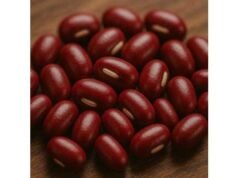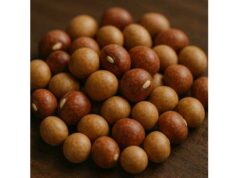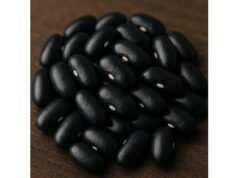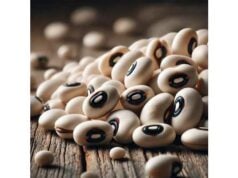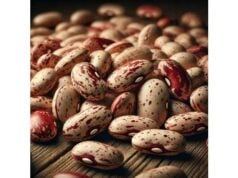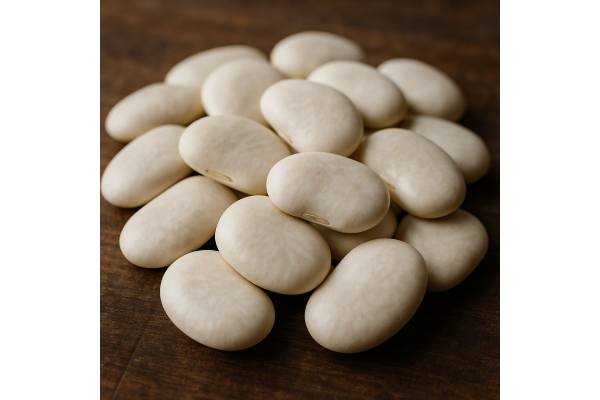
Lima beans—also called butter beans—are a hearty, budget-friendly legume with a mild, creamy flavor that works in everything from stews and succotash to salads and spreads. Beyond versatility, they deliver meaningful amounts of fiber, plant protein, potassium, iron, and folate, with very little fat or sodium. That combination supports healthy digestion, heart and metabolic health, and steady energy. Dried beans store well for months, canned beans are ready in minutes, and both can be adapted to savory or bright, herb-forward dishes. The one must-know: raw or undercooked lima beans can contain natural compounds that release cyanide, so proper cooking is non-negotiable. In this guide, you’ll learn exactly how to select, prepare, and cook lima beans safely; how their nutrients stack up; and how to use them to round out balanced meals. You’ll also find portions, comparisons with other beans, and practical answers to common questions—so you can enjoy lima beans with confidence and get the most nutrition from every bite.
Top Highlights
- 7–8 g protein and ~7 g fiber per 100 g cooked; supportive of satiety and cardiometabolic health.
- Proper boiling fully cooks lima beans and neutralizes naturally occurring toxins.
- Typical serving: ½ cup cooked (~90 g), 3–5 times per week as part of a varied diet.
- Limit or avoid if you have a confirmed legume allergy or need a low-potassium diet for chronic kidney disease.
Table of Contents
- Lima Beans: Detailed Overview
- Lima Beans Nutrition Profile
- Evidence-Based Health Benefits
- Risks, Allergies and Interactions
- Selecting, Quality, Sustainability and Storage
- Preparation, Cooking and Nutrient Retention
- Portions, Comparisons and FAQs
Lima Beans: Detailed Overview
Lima beans (Phaseolus lunatus) are an Old World species domesticated in the Andean region and later cultivated widely across Central and North America. Today they’re sold in two common forms:
- Mature “butter beans”: large, ivory-colored seeds with a creamy, almost buttery texture after cooking.
- Immature “baby limas/green limas”: smaller, green seeds picked fresh and cooked like a vegetable.
Both are mild, starchy, and excellent at carrying flavor. In savory applications, they pair naturally with tomatoes, onions, garlic, leafy greens, thyme, rosemary, smoked paprika, and olive oil. They’re equally at home in cold salads with lemon and parsley or puréed into dips and spreads.
Why lima beans stand out nutritionally: per 100 g cooked mature beans, you get a notable ~7–8 g protein and ~7 g fiber, minimal fat, potassium around ~500 mg, and helpful amounts of iron, folate, magnesium, and copper. That lineup supports satiety, gut health, blood pressure balance, and red blood cell formation. Their low sodium and low saturated fat make them a natural fit for heart-smart eating patterns such as Mediterranean-style or DASH-aligned diets.
Cost and convenience: dried lima beans are one of the most economical protein sources per serving. They store well in a cool, dry pantry for up to a year. Canned butter beans are shelf-stable and ready in minutes; look for “no salt added” if you’re watching sodium. Frozen baby limas offer peak texture and color with rapid weeknight prep.
Sustainability benefits: like other legumes, lima beans fix atmospheric nitrogen through root symbiosis, reducing fertilizer needs and improving soil health. Their water and greenhouse-gas footprints are far lower than most animal proteins, making them a planet-friendly staple.
Key safety note: raw or undercooked lima beans may contain cyanogenic compounds. Proper boiling in fresh water and full softening neutralize these compounds. The practical takeaway is simple: cook lima beans thoroughly (details in Section 6).
Culinary quick ideas to try this week
- Warm butter bean, kale, and lemon soup with chili flakes.
- Garlicky butter bean mash under seared mushrooms and herbs.
- Succotash (lima beans, sweet corn, tomato, scallion) with a splash of cider vinegar.
- Mediterranean salad of butter beans, roasted peppers, olives, and parsley-lemon vinaigrette.
Lima Beans Nutrition Profile
Below are nutrient values for cooked, mature lima beans (boiled, drained, without salt), standardized to per 100 g. Percent Daily Value (%DV) uses current adult DVs. Values are rounded for clarity.
Macros and Electrolytes (per 100 g cooked)
| Nutrient | Amount | %DV |
|---|---|---|
| Energy | ~115 kcal | — |
| Protein | 7.8 g | 16% |
| Total carbohydrate | 20.9 g | 8% |
| Dietary fiber | 7.0 g | 25% |
| Total sugars | 2.9 g | — |
| Total fat | 0.4 g | <1% |
| Saturated fat | 0.09 g | <1% |
| Sodium | ~2 mg | 0% |
| Potassium | ~508 mg | 11% |
Minerals (per 100 g)
| Mineral | Amount | %DV |
|---|---|---|
| Iron | 2.4 mg | 13% |
| Calcium | 17 mg | 1% |
| Magnesium | 43 mg | 10% |
| Phosphorus | 111 mg | 9% |
| Zinc | 1.0 mg | 9% |
| Copper | 0.23 mg | 26% |
| Manganese | 0.52 mg | 23% |
| Selenium | 4.5 µg | 8% |
Vitamins (per 100 g)
| Vitamin | Amount | %DV |
|---|---|---|
| Thiamin (B1) | 0.16 mg | 13% |
| Riboflavin (B2) | 0.05 mg | 4% |
| Niacin (B3) | 0.42 mg | 3% |
| Pantothenic acid (B5) | 0.42 mg | 8% |
| Vitamin B6 | 0.16 mg | 9% |
| Folate (DFE) | 83 µg | 21% |
| Choline | 32.5 mg | 6% |
| Vitamin E | 0.18 mg | 1% |
| Vitamin K | 2.0 µg | 2% |
| Vitamin C | 0 mg | 0% |
| Vitamin A (RAE) | 0 µg | 0% |
Fats and Fatty Acids (per 100 g)
| Lipid | Amount | Note |
|---|---|---|
| Total monounsaturated fat | ~0.03–0.04 g | trace |
| Total polyunsaturated fat | ~0.17 g | includes small ALA |
| Omega-3 (ALA) | ~0.05–0.10 g | trace |
| Omega-6 (LA) | ~0.12–0.22 g | trace |
Protein and Amino Acids
- Total protein: ~7.8 g/100 g with a lysine-rich profile that complements grains (combine with rice, barley, or bread for a higher overall amino acid score).
- Typical digestibility is good after thorough cooking or pressure cooking.
Carbohydrates
- Fiber (~7 g/100 g) includes both soluble and insoluble fractions for satiety and regularity.
- Contains resistant starch and raffinose-family oligosaccharides (prebiotic), which may cause gas in sensitive individuals; soaking and thorough cooking reduce these.
Anti-nutrients (naturally occurring)
- Phytates and trypsin inhibitors are present in raw seeds; soaking, sprouting, and cooking markedly reduce them.
- Cyanogenic glycoside precursors exist in some raw lima bean varieties (see safety guidance in Section 4 and cooking protocol in Section 6).
Additives and Fortification
- Plain dried or canned lima beans are not fortified. Canned versions may include salt or calcium chloride; choose “no salt added” if needed, and rinse before use.
Glycemic and Acid–Base
- Lima beans have a low glycemic impact thanks to fiber and resistant starch.
- The overall potential renal acid load (PRAL) is slightly alkaline-forming relative to many grains and meats.
Serving note: 100 g is slightly larger than ½ cup cooked (~90 g) but smaller than 1 cup cooked (~188 g), so adjust portion expectations accordingly.
Evidence-Based Health Benefits
1) Heart-smart fiber and lipids
Lima beans provide ~7 g fiber per 100 g, including viscous (soluble) types that help trap bile acids and reduce cholesterol reabsorption. Clinical trials with mixed bean varieties show that 1 cup (≈180 g) daily can meaningfully reduce LDL cholesterol over four weeks in adults with elevated LDL. In practical terms, including a ½–1 cup portion most days supports a heart-protective pattern without changing the rest of your meal drastically. Mechanistically, beyond soluble fiber, other bean components (e.g., plant sterols, polyphenols) may add to the lipid-lowering effect.
2) Steadier energy and glycemic control
The combination of fiber, resistant starch, and protein tends to flatten post-meal glucose spikes. Meta-analyses pooling randomized trials of pulses (beans, lentils, peas) report improved post-prandial glucose responses and modest improvements in longer-term markers (e.g., fasting glucose, HbA1c) when pulses regularly replace higher-glycemic starches. For everyday cooking, swapping lima beans for part of the rice or pasta in a dish is a simple strategy that nudges meals toward better glycemic profiles.
3) Fullness and weight management
High-fiber, low-fat, and protein-containing foods like lima beans enhance satiety per calorie. Building lunches or dinners around beans often leads to spontaneous calorie reduction without strict rules. Practical patterns include bean-and-veg stews, hearty salads, and bean-based bowls with whole grains and greens.
4) Blood pressure and electrolyte balance
With ~500 mg potassium per 100 g and negligible sodium, lima beans contribute to a favorable potassium-to-sodium ratio that supports normal blood pressure, especially in DASH-style eating plans. Pairing them with leafy greens, squash, or tomatoes further raises potassium density.
5) Micronutrients for red blood cells and metabolism
Lima beans deliver iron and folate, both important for red blood cell production, plus magnesium and copper for energy metabolism and connective tissue integrity. While plant iron is non-heme (less readily absorbed), serving lima beans with vitamin-C-rich foods (tomatoes, bell peppers, lemon) can improve absorption.
6) Gut health and microbiome
Bean fibers and oligosaccharides function as prebiotics, feeding beneficial microbes that produce short-chain fatty acids (SCFAs) like butyrate. SCFAs help maintain colon cells, reinforce the gut barrier, and modulate inflammation. If you’re sensitive to gas, gradual increases (¼ cup at a time) alongside thorough soaking and cooking often improve tolerance within a few weeks.
7) Sustainable nutrition
Replacing a portion of animal protein with lima beans reduces dietary saturated fat and lowers environmental impact, while maintaining protein and essential minerals. This makes lima beans suitable for omnivores looking to shift toward plant-forward patterns as well as for vegetarians and flexitarians.
How much to eat?
A practical target is ½–1 cup cooked on most days you enjoy beans, adjusted for energy needs, preferences, and medical guidance.
Risks, Allergies and Interactions
Raw or undercooked toxicity risk
Some raw lima beans contain cyanogenic compounds that can release cyanide. Thorough boiling in fresh water and cooking until beans are completely soft neutralizes this risk. Do not eat raw or undercooked lima beans. Avoid slow-cooker methods that never reach a vigorous boil unless you first boil the beans on the stove (see Section 6).
Legume allergy
Allergy to beans is less common than peanut or soy allergy but can occur. Symptoms range from oral itching to hives or, rarely, anaphylaxis. People with known legume allergies should avoid lima beans unless evaluated by an allergist.
Digestive intolerance (FODMAPs and gas)
Raffinose-family oligosaccharides may cause gas and bloating. Strategies that help: soak and discard soaking water, cook thoroughly (or pressure cook), start with small portions (¼–½ cup), and pair with low-FODMAP sides. Many people find tolerance improves after 2–4 weeks of gradual exposure.
Kidney and potassium considerations
Cooked lima beans are moderately high in potassium. Individuals with chronic kidney disease or those instructed to follow a low-potassium diet should review appropriate portions with their clinician or dietitian. Rinsing canned beans can also lower sodium if that’s a concern.
Medication interactions
- Vitamin K: content in lima beans is low, so interactions with warfarin are unlikely. Still, consistency in overall vitamin K intake matters more than single-food avoidance.
- Iron supplements: beans are safe with iron therapy; spacing high-calcium foods or tea/coffee away from iron supplements can improve absorption (general guidance).
- Gout/purines: beans contain much fewer purines than organ meats or certain fish; for most people with gout, moderate bean intake fits in a low-purine plan. Confirm with your provider.
Canned beans and sodium
Some canned butter beans are packed with salt. Choose “no salt added” when possible and rinse under running water to reduce sodium by roughly a third.
Food safety
Refrigerate cooked beans within 2 hours, store up to 4 days, and reheat to steaming hot. Freeze for up to 3 months in meal-size portions.
Selecting, Quality, Sustainability and Storage
Buying guide: dried, canned, and frozen
- Dried mature lima/butter beans: Look for uniform color, intact skins, and packaging free of moisture or pests. New-crop beans (harvest within the last year) cook more evenly than very old stock.
- Canned butter beans: Choose BPA-free linings when available, and no-salt-added or low-sodium labels if you monitor sodium. Inspect for dents, bulges, or leaks and check the “best by” date.
- Frozen baby limas: A great option for green, tender beans; avoid packages with large ice crystals or obvious clumping (signs of thaw-refreeze).
Sustainability profile
- Lima beans, like other legumes, fix nitrogen, improving soil fertility and reducing synthetic fertilizer needs.
- Their water use and greenhouse gas emissions per gram of protein are a fraction of most animal proteins. Choosing beans a few days per week reduces diet-related environmental impact.
Quality cues
- Before cooking: beans should be dry, firm, and free of cracks or mold.
- After cooking: properly cooked butter beans are fully soft and creamy without chalkiness at the center; skins should be intact or only slightly split.
Storage
- Dried beans: keep in airtight containers in a cool, dark pantry. Use within 12 months for best texture.
- Cooked beans: cool quickly, pack in shallow containers with a little cooking liquid to prevent drying, and refrigerate 3–4 days or freeze up to 3 months.
- Canned: store unopened in a cool, dry place; once opened, transfer leftovers to a glass or plastic container and refrigerate up to 4 days.
Cost-savvy tips
- Cook a big batch of dried beans, portion into 1-cup freezer bags, and freeze.
- Use bean cooking liquid to enrich soups (it adds body and soluble fiber).
- Plan two meals from one pot: e.g., day 1 stew, day 2 salad or mash.
Culinary pairings that shine
- Citrus, garlic, chili, smoked paprika, cumin, rosemary, thyme, sage.
- Vegetables: leafy greens, tomatoes, fennel, carrots, sweet corn.
- Grains: farro, barley, brown rice, bulgur, sourdough bread.
Preparation, Cooking and Nutrient Retention
Safety-first preparation (mature dried beans)
- Sort and rinse. Discard debris or damaged beans.
- Soak (recommended). Cover with plenty of water (3–4× volume). Soak 8–12 hours; drain and rinse. Quick-soak option: bring to a boil for 2 minutes, turn off heat, cover 1 hour, then drain and rinse.
- Boil in fresh water. Add beans to new water (3–4× volume). Bring to a rolling boil for at least 10 minutes.
- Simmer until fully tender. Reduce to a gentle simmer and cook 45–60 minutes (older beans may take longer). Skins should be intact and centers fully creamy.
- Seasoning: add aromatics anytime; add acidic ingredients (tomato, vinegar) or salt after beans have softened to avoid tough skins.
- If using a slow cooker: pre-boil on the stove for 10–15 minutes and then transfer; slow cookers may not reach a vigorous boil.
- Pressure cooker (soaked): cook on high pressure 15–20 minutes, natural release. Check doneness; add a few minutes more if needed. (Models vary—consult your manual.)
Baby (green) limas (fresh or frozen)
- Simmer in lightly salted water 12–20 minutes until tender.
- For sautéed or braised dishes, briefly blanch first for better color and texture.
Nutrient retention tactics
- Use the cooking liquid. Many water-soluble B vitamins and minerals leach into it; repurpose in soups or stews.
- Avoid overcooking. Excess time can soften texture and slightly reduce heat-sensitive vitamins (e.g., folate).
- Soak-then-cook to reduce anti-nutrients while preserving protein quality.
- Pressure cooking generally reduces cooking time and anti-nutrient levels while maintaining minerals and protein.
Flavor boosters that respect nutrition
- Olive oil + lemon + herbs after cooking adds flavor and aids absorption of fat-soluble phytonutrients served alongside.
- Aromatics (garlic, onion, celery, bay leaf) build depth without excess salt.
- Smoked paprika or chipotle yield richness without saturated fat.
Five reliable ways to use cooked lima beans
- Creamy mash (olive oil, roasted garlic, lemon zest) in place of mashed potatoes.
- Tomato-braised butter beans with spinach and feta.
- Herbed bean salad (parsley, capers, red onion, red wine vinegar).
- Hearty vegetable stew with carrots, fennel, and thyme.
- Puréed dip with tahini, cumin, and chili for a spreadable snack.
Portions, Comparisons and FAQs
How much is a serving?
A practical serving is ½ cup cooked (~90 g) for side dishes, or 1 cup (~180–190 g) as a main protein component. Athletes, teens, or those with higher energy needs can scale up.
Weekly frequency
Most adults do well including beans 3–5 times per week as part of varied meals. If you’re new to beans, start with ¼–½ cup portions and increase gradually to improve tolerance.
How do lima beans compare to other beans (per 100 g cooked)?
| Bean | Calories | Protein | Fiber | Notable strengths |
|---|---|---|---|---|
| Lima (butter) | ~115 kcal | ~7.8 g | ~7.0 g | Potassium, copper, manganese, folate |
| Navy | ~140 kcal | ~8.2 g | ~10.5 g | Very high fiber, folate |
| Pinto | ~140 kcal | ~9 g | ~9 g | Fiber, folate, magnesium |
| Kidney (red) | ~127 kcal | ~8.7 g | ~6.4 g | Iron, potassium |
| Chickpeas | ~164 kcal | ~8.9 g | ~7.6 g | Folate, manganese |
(Values vary by variety and preparation; use brand or database values for precise tracking.)
Are lima beans good for blood sugar?
Yes—thanks to fiber, resistant starch, and protein, lima beans generally produce a low glycemic response, especially when they replace higher-GI starches and are paired with non-starchy vegetables and healthy fats.
Can I eat lima beans if I have gout?
In moderation, yes. Beans are lower in purines than many animal proteins. Follow your clinician’s guidance and monitor individual tolerance.
Do canned lima beans count?
Absolutely. Choose no-salt-added when possible, rinse, and build meals as you would with cooked dried beans. Canned options make it easier to hit weekly bean goals.
Gas and comfort tips
- Soak and discard soak water; cook thoroughly.
- Start small and increase over 2–4 weeks.
- Season with ginger, fennel, or cumin; some people find a pinch of baking soda during cooking softens skins (then rinse).
Safety recap
Never eat raw or undercooked lima beans. Boiling in fresh water and cooking to complete softness is key.
References
- Nutrition Facts for Lima Beans 2025
- Canned Beans Decrease Serum Total and LDL Cholesterol in Adults with Elevated LDL Cholesterol in a 4-wk Multicenter, Randomized, Crossover Study 2021 (RCT)
- Pulse consumption improves indices of glycemic control in adults with and without type 2 diabetes: a systematic review and meta-analysis of acute and long-term randomized controlled trials 2021 (Systematic Review)
- Evaluation of the health risks related to the presence of cyanogenic glycosides in foods other than raw apricot kernels 2019 (Scientific Opinion)
- Natural Toxins in Food 2024 (Guidance)
Disclaimer
This article provides general nutrition and safety information for educational purposes and is not a substitute for personalized medical advice, diagnosis, or treatment. Always consult your healthcare professional or a registered dietitian about your specific health needs, medications, and diet. If you have symptoms of food allergy or food poisoning, seek medical care promptly.
If you found this guide useful, please consider sharing it with friends or colleagues on Facebook, X (formerly Twitter), or any platform you prefer. Your support helps us continue creating evidence-based resources.