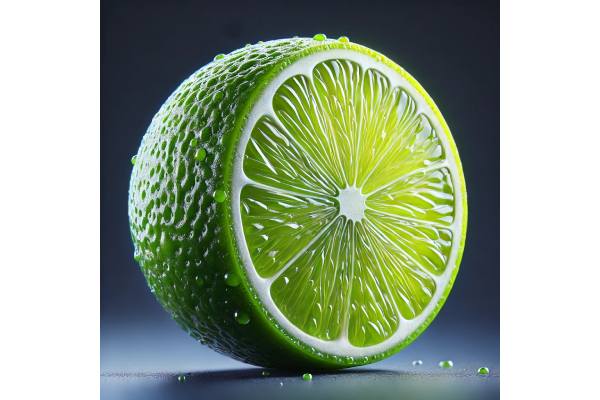
Limes are small citrus fruits with a bright acidity that can transform food and drink with a few drops. Beyond flavor, they offer notable nutrition for few calories, led by vitamin C and a suite of citrus flavonoids. The juice is highly acidic and naturally rich in citrate, which can support urinary chemistry for some people vulnerable to certain kidney stones. In the kitchen, limes pull double duty: their juice lifts marinades, dressings, and salsas, while the aromatic zest perfumes baked goods and spice pastes. They also preserve color in cut fruit and vegetables and help emulsify sauces. You’ll find several varieties—Persian (Tahiti), Key (Mexican), makrut, and calamansi—each with distinct aroma and culinary roles. This guide distills what matters: how limes stack up nutritionally (per 100 g), who benefits most, practical buying and storage tips, how to prepare them to retain nutrients and flavor, and where caution is warranted (such as skin sensitivity in sunlight or enamel erosion). Use it as a clear, evidence-informed reference for everyday cooking and health.
Quick Overview
- One lime (≈67 g) provides ~20 kcal with ~19–22 mg vitamin C; per 100 g, vitamin C averages ~29 mg.
- Lime juice is rich in natural citrate and can support kidney-stone prevention strategies when used alongside adequate hydration.
- Typical serving: 1–2 tablespoons (15–30 mL) juice or ½–1 fruit daily; several times per week is reasonable as part of meals.
- Safety caveat: lime juice on skin plus sun can trigger phytophotodermatitis; ingesting acidic juice frequently can erode tooth enamel.
- Who should limit or avoid: people with citrus allergy, severe reflux triggered by acids, or those advised to restrict acidic foods by a clinician.
Table of Contents
- Lime at a glance: varieties and uses
- Nutrition profile per 100 g
- Evidence-based health benefits
- Risks, allergies and interactions
- Selecting, quality, sustainability and storage
- Preparation, cooking and nutrient retention
- Portions, comparisons and FAQs
Lime at a glance: varieties and uses
Limes (Citrus spp.) are prized for sharp acidity and a fragrant peel rich in essential oils. They’re culinary workhorses in Mexican, Thai, Vietnamese, Caribbean, Middle Eastern, and Indian cuisines, where juice provides sour balance and zest adds floral-citrus aroma. A quick tour of common types:
- Persian (Tahiti) lime: seedless, larger, and widely available; moderately acidic and consistent year-round.
- Key (Mexican) lime: small, thin-skinned, intensely aromatic; prized in desserts (e.g., Key lime pie), marinades, and cocktails.
- Makrut (kaffir) lime: knobbly fruit with strongly perfumed leaves used in Southeast Asian curries and soups; the juice is more bitter.
- Calamansi (calamondin): sour-tart, aromatic hybrid used across the Philippines; excellent for dipping sauces and beverages.
Flavor chemistry in brief. The characteristic tartness comes from organic acids—chiefly citric acid, with smaller amounts of malic acid—while the aroma leans on limonene, citral (neral + geranial), linalool, and other terpenes concentrated in the zest. This duality explains why adding both zest and juice often yields a more dimensional flavor than using either alone.
Culinary applications that make the most of lime.
- Balance and brightness: A squeeze at the end of cooking brightens tacos, grilled fish, roasted vegetables, and soups without adding sodium.
- Marinades and ceviche: Acidity denatures proteins and provides antimicrobial support; combine with salt, aromatics, and time for food-safe outcomes.
- Dressings and dips: Lime juice emulsifies with oil and mustard; zest elevates guacamole, chimichurri, and yogurt-based sauces.
- Baked goods and sweets: Zest infuses cakes, curds, custards, and syrups; pair with coconut, mango, ginger, or dark chocolate.
- Beverages: From agua fresca and limeades to shrubs and cocktails, juice supplies acidity; peels can aromatize syrups and bitters.
Everyday kitchen advantages. Limes resist browning and help preserve color in cut apples, avocados, and artichokes. The acidity also modulates perceived saltiness, allowing modest sodium reduction. And because limes carry strong volatile oils in the zest, even small amounts contribute pronounced aroma.
Who benefits most from using limes in cooking.
- People managing calorie intake: High flavor density for minimal calories.
- Plant-forward eaters: Lime enhances legumes, grains, and vegetables, boosting satisfaction.
- Those aiming to diversify acid sources: Offers a different aromatic profile than lemon or vinegar.
As with any acidic ingredient, balance matters: sweetness, fat, and salt tame sharpness while herbs amplify freshness. Keep a microplane handy for fine zest, and use fresh juice for best flavor; bottled juice is more stable but less nuanced.
Nutrition profile per 100 g
Below are typical values for raw lime (without peel) per 100 g, with % Daily Value (%DV) based on adult DVs. Figures vary slightly by variety and season.
Macros and electrolytes
| Nutrient (per 100 g) | Amount | %DV |
|---|---|---|
| Energy | 30 kcal | — |
| Water | 88.5 g | — |
| Carbohydrate | 10.6 g | — |
| Dietary fiber | 2.8 g | 10% |
| Total sugars | 1.7 g | — |
| Protein | 0.7 g | 1% |
| Total fat | 0.2 g | 0% |
| Sodium | 2 mg | 0% |
| Potassium | 102 mg | 2% |
Carbohydrates
| Component | Amount | Notes |
|---|---|---|
| Total carbohydrate | 10.6 g | Naturally occurring; minimal starch |
| Sugars | 1.7 g | Mostly glucose, fructose, sucrose (trace) |
| Fiber | 2.8 g | Mix of soluble and insoluble; supports satiety |
Vitamins
| Vitamin | Amount (per 100 g) | %DV |
|---|---|---|
| Vitamin C (ascorbic acid) | ~29 mg | 32% |
| Vitamin B6 (pyridoxine) | 0.04 mg | 3% |
| Thiamin (B1) | 0.03 mg | 3% |
| Riboflavin (B2) | 0.02 mg | 2% |
| Niacin (B3) | 0.2 mg | 1% |
| Folate (DFE) | 8 µg | 2% |
| Vitamin A (RAE) | 2 µg | 0% |
| Vitamin E (alpha-tocopherol) | 0.22 mg | 1% |
| Vitamin K | 0.6 µg | 1% |
| Choline | ~5 mg | 1% |
Minerals
| Mineral | Amount (per 100 g) | %DV |
|---|---|---|
| Calcium | 33 mg | 3% |
| Iron | 0.6 mg | 3% |
| Magnesium | 6 mg | 1% |
| Phosphorus | 18 mg | 1% |
| Copper | 0.06 mg | 7% |
| Zinc | 0.1 mg | 1% |
Fats and fatty acids
Total fat is very low; small amounts are present, primarily as unsaturated fatty acids.
| Fatty Acid | Amount (g) |
|---|---|
| Saturated fat | 0.02 |
| Monounsaturated fat | 0.01 |
| Polyunsaturated fat | 0.04 |
| Omega-3 (ALA, trace) | ~0.01 |
| Omega-6 (linoleic, trace) | ~0.02 |
Bioactives and phytonutrients
- Citrate/citric acid: Naturally high in the juice; influences urine chemistry and perceived sourness.
- Flavonoids: Hesperidin, eriocitrin, naringin (varies by cultivar) contribute antioxidant activity.
- Terpenes in zest: Limonene, citral, linalool provide aroma; most concentrated in the peel oil.
Glycemic and acid–base features
- Glycemic index: Low; citrus fruits typically sit in the low-to-moderate GI range. Given the modest available carbohydrate and fiber, glycemic load is minimal at typical culinary portions.
- PRAL (potential renal acid load): Slightly alkaline-forming overall despite acidic taste, due to mineral content and metabolism of organic anions.
Lime juice (raw), per 100 g (for comparison)
- Energy ~25 kcal; carbohydrate ~8–9 g; fiber ~0.4 g; potassium ~117 mg; vitamin C ~30 mg. Juice is lower in fiber than the whole fruit but similarly rich in vitamin C and citrate.
Footnote: Values reflect unfortified fresh fruit and juice. Bottled products may include preservatives (e.g., sodium benzoate) and may differ slightly in nutrient content and acidity.
Evidence-based health benefits
1) Immune support through vitamin C
Limes are a practical, flavorful way to obtain vitamin C, which contributes to collagen synthesis (skin, blood vessels, cartilage), antioxidant defense, and normal immune function. Per 100 g, limes supply roughly a third of the daily value. In culinary practice, 1–2 tablespoons of juice (15–30 mL) add 5–10 mg vitamin C to meals or beverages, supporting daily intake when combined with vegetables and other fruits.
2) Urinary citrate and kidney-stone prevention strategy
Lime juice is naturally high in citrate. When paired with adequate hydration and individualized dietary guidance, adding citrus juices can support urinary chemistry for people prone to particular stone types (notably calcium oxalate and uric acid stones). Citrate binds calcium in urine and can inhibit crystal growth and aggregation. As a kitchen tactic, folding fresh lime into water, sparkling water, or savory dishes increases fluid intake and adds citrate without added sugars.
3) Cardiometabolic meal balance
Acidic ingredients like lime help reduce added salt without sacrificing flavor. This makes it easier to cook palatably at lower sodium levels, supporting blood-pressure management. Lime’s acids also brighten plant-forward dishes—beans, lentils, whole grains, and vegetables—improving satisfaction and encouraging higher fiber intake over time, which supports glycemic control and lipid management. The net glycemic impact of lime itself is low; used as a condiment, it doesn’t meaningfully raise blood sugar.
4) Culinary techniques that preserve nutrients
Using lime at the end of cooking protects heat-sensitive nutrients in foods (including vitamin C in vegetables and polyphenols in herbs). The acid also slows enzymatic browning in produce (e.g., apples, avocados), preserving vitamin C and appealing color, which may encourage higher fruit and vegetable consumption—an indirect but practical nutritional benefit.
5) Oral and gut comfort when used wisely
Although limes are acidic, small amounts paired with fat or protein often feel gentler than straight acidic beverages. Combining lime with yogurt, tahini, avocado, or olive oil in dressings buffers acidity and may be better tolerated by those with sensitive stomachs than neat juice or carbonated lime drinks.
6) Antioxidant and phytochemical support
Flavonoids and essential oils in zest and juice contribute additional antioxidant capacity. While culinary doses are modest compared with supplements, the consistent use of aromatic zest in spice rubs, chutneys, or citrus-herb pastes can incrementally increase intake of these compounds across a week.
Practical ways to capture the benefits
- Add 1–2 tablespoons of fresh juice to leafy greens, bean salads, or grain bowls just before serving.
- Zest the peel (avoid the bitter white pith) into marinades, spice rubs, or baked goods.
- Use lime to enhance water intake: chill a pitcher with sliced lime and mint.
- For those advised to increase urinary citrate, incorporate lime into meals and beverages while maintaining physician-directed fluid targets.
As always, benefits accrue as part of an overall pattern: plentiful vegetables, legumes, whole grains, healthy fats, and appropriate protein. Limes amplify that pattern with flavor and specific nutrients.
Risks, allergies and interactions
Skin reaction with sun (phytophotodermatitis). Lime juice or peel oil on skin followed by sun exposure can trigger phytophotodermatitis—a delayed, sometimes blistering rash that later leaves dark streaks or patches. The culprits are furocoumarins in the peel and juice. Prevention is simple: wash skin with soap and water after handling or squeezing limes, and avoid sun exposure on splashed areas for the rest of the day. This is especially relevant for bartenders, cooks, and outdoor gatherings.
Dental enamel erosion. Frequent sipping of acidic beverages (including lime water, sodas, and straight citrus juices) can erode enamel over time. To reduce risk: enjoy lime with meals, use a straw for acidic drinks, avoid swishing or slowly sipping for extended periods, and delay toothbrushing for 30–60 minutes after acidic intake.
Gastroesophageal reflux and ulcers. Highly acidic foods can aggravate symptoms in some people with reflux or active ulcers. If you notice symptom flares, use smaller amounts, buffer with food (e.g., in dressings with oil or yogurt), or substitute milder acids (e.g., rice vinegar) as needed.
Allergy and intolerance. True citrus fruit allergy is uncommon but possible. Reactions may include oral itching, hives, wheeze, or anaphylaxis; seek medical care for any concerning symptoms. Contact dermatitis from peel oils or occupational exposure can occur in sensitive individuals.
Kidney stone considerations. Lime’s citrate is generally favorable in calcium and uric acid stone prevention strategies, but individual needs vary. People with kidney disease, those on potassium-restricted diets, or individuals taking certain medications may require tailored guidance on fluid and acid intake. Avoid high-sugar citrus beverages; they can worsen metabolic risk.
Medication interactions. Unlike grapefruit, culinary amounts of lime are not known for clinically significant drug–nutrient interactions in typical diets. However, concentrated peel oils and extracts may affect photosensitivity or have other theoretical interactions. If you use essential oils, do so cautiously and avoid sun exposure on treated skin.
Food safety. Limes themselves are low-risk, but juices and dishes containing seafood, meat, or dairy remain perishable. Prompt refrigeration within 2 hours (or within 1 hour in hot conditions) helps prevent foodborne illness. Acidic marinades do not replace proper cooking.
Bottom line for safety: Use lime primarily as a flavor and nutrition enhancer within balanced meals. Be mindful of skin exposure in sunlight, dental health, and any personal reflux or allergy triggers.
Selecting, quality, sustainability and storage
How to choose the best limes.
- Look: Smooth, glossy skin with a uniform green to green-yellow color (a slight yellow blush often signals peak juiciness rather than spoilage).
- Weight: Heft is key—heavier limes relative to size hold more juice.
- Feel: Slight give under gentle pressure; very hard fruit may be underripe and low-juice, while overly soft spots suggest internal drying or bruising.
- Aroma: When scratched lightly, the peel should release a bright citrus fragrance; a dull aroma can hint at age.
Juice vs zest quality.
- For zest, choose unwaxed organic fruit when possible and wash well. The most aromatic zest sits in the top green layer; avoid the white pith, which is bitter.
- For juice, Persian limes provide consistency, while Key limes deliver intense aroma for desserts and cocktails. If a recipe relies on fragrance (e.g., Key lime pie), variety matters.
Storage for freshness and nutrient retention.
- Whole limes: Refrigerate in a breathable bag; they keep about 2–4 weeks. At room temperature, expect 3–7 days before moisture loss dulls flavor.
- Cut limes: Wrap tightly or store in an airtight container and refrigerate; use within 2–3 days.
- Juice: Fresh juice holds flavor up to 2–3 days refrigerated in a sealed container. For longer storage, freeze in ice cube trays; transfer cubes to a freezer bag and use within 3–4 months for best aroma.
- Zest: Freeze zest in small portions; the volatile oils are preserved better when sealed from air.
Food safety practices.
- Wash hands and cutting boards before and after preparing limes, especially when also handling seafood or poultry.
- Scrub the peel under running water before cutting to reduce transfer of microbes to the flesh.
- Refrigerate perishable dishes containing lime (ceviche, creamy dressings, fruit salads) within 2 hours (1 hour in heat). Chill leftovers promptly.
Sustainability notes.
- Seasonality and travel distance affect footprint. When possible, buy in season from nearer sources.
- Store properly to cut waste; a single desiccated lime often signals low humidity—switch to a breathable produce bag or drawer.
- Use the whole fruit: zest first, then juice; leftover squeezed halves can aromatize syrups, teas, or cleaning solutions.
Budget and substitution tips.
- Bottled lime juice is convenient for marinades and baking, but taste is flatter; if you substitute, start with 75–80% of the fresh amount, then adjust to taste.
- In a pinch, lemon plus a small pinch of sugar approximates lime’s brightness in savory dishes; for desserts and cocktails, seek the real thing due to aromatic differences.
Preparation, cooking and nutrient retention
Maximize flavor and vitamin C with timing. Add lime at the end of cooking or at the table. Vitamin C is heat- and oxygen-sensitive; late addition preserves more. When simmering sauces or soups, finish with a teaspoon or two of fresh juice and zest for brightness without extended heat exposure.
Zesting without bitterness. Use a microplane or fine grater to remove only the colored outer peel. Rotate the fruit frequently to avoid digging into the white pith, which can contribute harsh notes. For strips, use a channel knife or vegetable peeler, then mince.
Balancing acidity in recipes.
- In dressings, a 3:1 ratio of oil to lime juice yields a classic vinaigrette; add Dijon and a touch of honey to round edges.
- In marinades, combine lime with salt, garlic, herbs, and a little oil. Keep marination times modest for delicate proteins (e.g., 20–30 minutes for fish or shrimp) to avoid mushy textures.
- For desserts, pair lime with coconut, mango, pineapple, or berries; in baking, use zest for aroma and adjust leavening slightly when swapping lemon for lime due to acid strength.
Ceviche safety. Lime acid firms fish but does not reliably kill pathogens or parasites. Use sushi-grade fish where appropriate, keep cold, marinate refrigerated, and consume soon after preparation.
Protect enamel and sensitive stomachs.
- Dilute lime juice in water or use within meals.
- Avoid prolonged sipping of acidic beverages; use a straw, and rinse your mouth with plain water afterward.
Retention tips for batch prep.
- Mix zest with a pinch of sugar or salt to reduce volatile loss, then store airtight for short periods.
- Freeze excess juice promptly in small portions to minimize oxidation and flavor fade.
Spice and herb pairings that shine with lime.
- Herbs: cilantro, mint, basil, dill, scallions.
- Spices: cumin, coriander, chili, ginger, garlic, turmeric.
- Umami partners: fish sauce, soy sauce, miso, Parmesan, anchovy—acid balances savory depth.
Technique spotlight: lime in low-sodium cooking. When reducing salt, layer acids at multiple points: zest in a rub or dressing, juice to finish, and a splash on the plate. This heightens perceived salinity and freshness, helping maintain satisfaction while meeting sodium goals.
Portions, comparisons and FAQs
Reasonable serving sizes.
- Everyday culinary use: 1–2 tablespoons (15–30 mL) juice or ½–1 fruit per serving.
- For beverage use: ½ lime per 250 mL glass of water adds flavor with negligible calories.
- In recipes: 1 lime typically yields 2–3 tablespoons of juice and 1–2 teaspoons of zest.
How limes compare to lemons.
- Flavor profile: Limes trend more aromatic and slightly more bitter; lemons are brighter and more floral-sour.
- Vitamin C: Similar per 100 g; lemons are often marginally higher per fruit because they’re larger, while lime juice offers comparable vitamin C per volume.
- Culinary roles: Use lemons in Mediterranean-style sauces and baking; limes excel in Latin American and Asian dishes. Substitution works in many savory recipes with small sweetness adjustments.
Fresh vs bottled lime juice.
- Bottled juice is consistent and shelf-stable but loses some top notes and may include preservatives. For dressings, desserts, and cocktails, fresh tastes superior. Bottled is acceptable for marinades or braises where aromatics dominate.
Is lime water a “detox” drink?
- No beverage detoxes the body. Lime water can help you drink more fluids, which supports kidney function and may reduce risk for certain kidney stones when paired with diet guidance. Any weight changes come from replacing sugary drinks, not from “detoxification.”
Does lime cure colds?
- Lime provides vitamin C, which supports immune function, but it does not cure viral infections. A well-rounded diet, sleep, stress management, vaccination, and hygiene remain foundational.
Can I use lime daily?
- Yes, in culinary amounts. If you experience reflux, mouth sensitivity, or enamel issues, moderate frequency and pair lime with meals rather than sipping acidic drinks throughout the day.
What about lime zest safety?
- Wash limes thoroughly before zesting to remove residues. Choose unwaxed fruit when available, or scrub waxed fruit in warm water and dry before zesting.
Who should limit or avoid limes?
- Individuals with citrus allergy, severe reflux, or those under clinician advice to restrict acids. Anyone who handles limes and works in sunlight should take precautions to prevent skin reactions (wash hands, wear gloves if needed).
One quick weekly plan to use limes wisely.
- Mon: Lime-cilantro vinaigrette on grain bowl.
- Wed: Lime-garlic shrimp (short marination) with chili and mango salsa.
- Fri: Black bean tacos with lime-pickled red onions.
- Weekend: Lime-mint sparkling water; zest folded into yogurt with honey for fruit.
References
- Nutrition Facts for Limes 2025 (Database)
- Vitamin C – Health Professional Fact Sheet 2025 (Guideline)
- Eating, Diet, & Nutrition for Kidney Stones 2025 (Guideline)
- Always Refrigerate Perishable Food Within 2 Hours 2024 (Guidance)
- International tables of glycemic index and glycemic load values 2021: a systematic review 2021 (Systematic Review)
Disclaimer
The information in this article is for general education and does not replace personalized medical advice. Nutrition and safety needs vary based on your health history, medications, allergies, and goals. Always consult a qualified healthcare professional or registered dietitian for guidance tailored to you, especially if you have kidney disease, reflux, food allergies, or other medical conditions.
If you found this helpful, please consider sharing it with a friend or on Facebook or X (formerly Twitter). Your support helps us continue creating clear, dependable guides like this one.