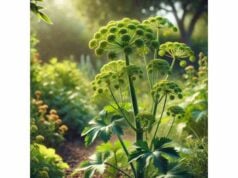
Lime flower, also called linden flower, is the fragrant blossom of the small-leaved lime tree, Tilia cordata. Despite the name, it has nothing to do with the citrus fruit lime. In European herbal practice, lime flower has long been valued as a gentle tea herb for feverish colds, throat irritation, restlessness, and the soft edge of stress that makes it harder to settle. Its appeal lies in its balance: floral but not overpowering, soothing but not heavily sedating, and traditional without feeling obscure.
Modern interest in lime flower comes from the same features that made it popular in older medicine cabinets. The blossoms contain flavonoids, phenolic acids, mucilage, and aromatic compounds that help explain their reputation for calming the body, softening irritation, and supporting comfort during minor upper respiratory complaints. At the same time, lime flower is not a miracle herb. Its strongest support comes from long-standing use, pharmacopoeial recognition, and preclinical research rather than large human trials. That makes sensible use especially important. The key questions are what it contains, what it may realistically help with, how to take it, and when caution matters.
Key Facts
- Traditionally used for mild cold symptoms, especially when warmth, comfort, and gentle sweating are desired.
- Often taken for mild mental stress, evening restlessness, and tension that feels better with a warm infusion.
- A common adult tea range is 1.5 g dried lime flower in 150 mL boiling water, 2 to 4 times daily.
- Avoid use during pregnancy or breastfeeding unless a clinician advises it, and avoid it if you are allergic to linden flower preparations.
Table of Contents
- What Lime Flower Is and Why It Matters
- Key Ingredients and How They Shape Its Effects
- How Lime Flower May Help With Colds, Coughs, and Mild Stress
- What Research Suggests Beyond Traditional Use
- How to Use Lime Flower in Tea, Tincture, and Blends
- Dosage, Timing, and How Long to Take It
- Safety, Side Effects, Interactions, and Who Should Avoid It
What Lime Flower Is and Why It Matters
Lime flower refers to the dried inflorescences of linden trees, most notably Tilia cordata, though traditional herbal monographs also include Tilia platyphyllos and certain mixtures used in commerce. In practical herbal use, the flower is usually harvested together with its pale green bract, the leaf-like structure attached to the blossom cluster. Once dried, it becomes one of the classic European tea herbs for comfort during colds and for easing mild tension.
Part of its appeal is sensory. Lime flower tea has a light honeyed aroma, a soft floral body, and a gentle mouthfeel that makes it easy to drink when someone feels tired, chilled, or unsettled. That matters more than it may seem. Herbs that are pleasant to prepare and pleasant to drink are more likely to become realistic tools for home use.
Traditionally, lime flower has been used for:
- Early cold symptoms
- Mild cough and throat irritation
- Feverish states where a warm infusion is preferred
- Restlessness and mild mental stress
- General evening unwinding
- Mild upper respiratory catarrh
In older household herbal practice, lime flower was often treated as a “first response” tea rather than a strong intervention. It was the sort of herb someone reached for at the first sign of a cold, after a shivery evening, or during a tense period when sleep felt harder to find. In that role, it resembles other classic comfort herbs that sit between food and medicine. For readers who already know the tradition of elderflower in cold-season tea blends, lime flower occupies a nearby place, though with a gentler calming identity.
It also matters because it shows how traditional herbs are often best understood in context. Lime flower is not mainly about one dramatic active compound or one headline benefit. It is about a well-matched pattern of use: warm infusion, mild symptoms, short-term support, and good tolerance in most adults when taken appropriately. That makes it useful, but it also sets limits. It is not intended for severe infections, persistent insomnia, or untreated respiratory distress.
Another reason the herb continues to matter is its official recognition. Lime flower has remained present in European herbal monographs because its traditional uses have been consistent, its preparations are easy to standardize, and its risk profile appears moderate when used properly. That is different from saying it has strong clinical proof for every traditional claim. It means it has enough continuity, plausibility, and practical value to remain a relevant herbal medicine.
Key Ingredients and How They Shape Its Effects
Lime flower does not depend on a single famous molecule. Its character comes from a group of compounds that work together and vary somewhat by species, harvest conditions, and preparation style. This is one reason tea, tincture, and concentrated extracts do not always feel identical in use.
The most important classes of compounds in lime flower include:
- Flavonoids
- Phenolic acids
- Mucilage polysaccharides
- Proanthocyanidins and related polyphenols
- Small amounts of volatile constituents
- Coumarins and trace aromatic compounds
- More recently identified alkaloids in the flowers
Flavonoids are among the most discussed constituents. These include quercetin and kaempferol derivatives, rutin, and related compounds that help explain the herb’s antioxidant and tissue-supportive profile. In herbal terms, these constituents support the idea of lime flower as a soothing, protective, gently calming blossom rather than a harsh stimulant or heavy sedative.
Phenolic acids such as chlorogenic, caffeic, and p-coumaric acids also contribute to the plant’s chemistry. These compounds are often associated with antioxidant behavior and may help explain why lime flower keeps showing up in laboratory studies focused on inflammation, cellular stress, and plant-based protective effects.
Mucilage deserves special attention because it helps make sense of one of lime flower’s most practical traditional uses. Mucilage is a soft, water-loving plant substance that can add a smooth, soothing quality to infusions. It does not turn lime flower into a thick demulcent on the level of marshmallow root, but it does support the herb’s reputation as a gentle choice when the throat feels dry, scratchy, or slightly irritated. That is one reason it is sometimes placed near marshmallow for soothing mucous membrane support in herbal conversations, even though the two herbs are not interchangeable.
Recent phytochemical work has added another layer by identifying previously undescribed alkaloids in Tilia cordata and related lime flowers. These are scientifically interesting because they expand what researchers know about the plant, but they do not transform how most people use the herb at home. Their main value right now is in deepening the chemistry story rather than changing practical self-care.
A useful rule is to match the chemistry to the preparation. Hot water infusions are most relevant for traditional use and are likely to capture the compounds that matter most in tea practice. Alcohol-based preparations may emphasize a somewhat different balance of constituents. This helps explain why lime flower is best known as an infusion herb. Its chemistry fits that form well.
In practical terms, the plant’s ingredients support a modest but coherent profile: soothing, mildly relaxing, upper-respiratory friendly, and best suited to mild complaints rather than aggressive treatment goals.
How Lime Flower May Help With Colds, Coughs, and Mild Stress
Lime flower’s best-known uses can be grouped into two main areas: minor cold discomfort and mild mental stress. That pairing may seem unusual at first, but it makes sense when you think about how the herb is actually used. A warm, fragrant infusion can support comfort in both situations.
During a cold, lime flower is often chosen when symptoms are still relatively mild and the goal is supportive care rather than aggressive symptom control. People traditionally use it when they feel chilled, slightly feverish, achy, or generally unwell, especially if the throat feels irritated and the body seems to want warmth. In this role, the tea is valued not only for plant chemistry but for the simple therapeutic effect of drinking a hot, soothing fluid regularly.
The most realistic cold-related uses include:
- Mild sore throat or throat dryness
- Light cough associated with irritation
- General discomfort at the onset of a cold
- Feverish colds where a warm tea is desired
- Gentle support when the upper airways feel irritated
Lime flower is also associated with a mild diaphoretic tradition, meaning it has been used in warming teas intended to encourage light perspiration during feverish colds. This is an old herbal concept and should not be exaggerated. The herb does not “sweat out” infections in any literal curative sense. What it may do is support warmth, circulation, hydration, and a sense of relief, all of which can matter when someone is resting through a minor viral illness.
The second traditional use is just as important: mild mental stress. Here, lime flower is not a knockout sleep herb. It is better understood as a softening herb. It can make the nervous system feel a little less tight, the evening feel a little easier, and the transition into rest feel less abrupt. For people comparing calming teas, it often sits closer to lemon balm for gentle relaxation than to stronger sedative herbs.
People may find it useful when stress shows up as:
- Difficulty settling in the evening
- A feeling of mild tension rather than panic
- Restlessness during a cold or recovery period
- Stress paired with throat tightness or shallow comfort
- A desire for a calming tea without a very strong sedative effect
It is important to keep expectations realistic. Lime flower may support calm; it is not a treatment for major anxiety disorders, severe insomnia, or persistent respiratory disease. Likewise, it may soothe an irritated throat or mild cough; it is not a substitute for medical care when symptoms include shortness of breath, chest pain, high fever, or worsening sputum.
That balanced perspective is where lime flower is most useful. It works best as a modest, well-timed herb for early, mild, or functional symptoms, especially when warmth and comfort are part of the desired effect.
What Research Suggests Beyond Traditional Use
Modern research on lime flower is interesting, but it needs careful interpretation. The herb has been studied for antioxidant, anti-inflammatory, antimicrobial, chemical-authentication, and metabolite-related effects. These findings help support its traditional reputation, yet they do not turn it into a clinically proven treatment for a wide range of diseases.
One important theme in recent research is chemistry. Scientists have worked to define which compounds are present in different Tilia species and how those differences affect quality control. That matters because herbal teas and commercial linden products are not always identical. Better authentication helps ensure that what is sold as lime flower actually reflects recognized medicinal material.
Another theme is biological activity. Experimental studies suggest that lime flower extracts and their metabolites may influence inflammatory signaling, oxidative stress, and certain features of microbial balance. This is especially interesting because it gives some modern biochemical context to the herb’s long-standing use for irritated tissues and mild respiratory discomfort.
Areas of ongoing interest include:
- Antioxidant behavior in laboratory models
- Modulation of inflammatory markers
- Effects of metabolites formed after digestion
- Quality and species differentiation in the herbal market
- Broader phytochemical diversity than older texts described
One study on lime flower metabolites and the gut microbiota is a good example of why nuance matters. The findings suggest that metabolites formed after microbial transformation may influence inflammatory pathways and microbiota composition in potentially favorable ways. That is scientifically valuable, but it is not the same as proof that a cup of lime flower tea will produce measurable clinical benefit in every person.
The same caution applies to broader pharmacology. Lime flower is sometimes described online as strongly sedative, antispasmodic, antimicrobial, or even cardioprotective. Those claims are usually built from a mix of traditional use, related-species evidence, and preclinical work. They are not all false, but they are often stronger than the human evidence justifies.
A useful way to think about the research is this:
- Traditional uses for colds and mild stress are the most grounded.
- Chemistry and laboratory studies support biological plausibility.
- Large, well-designed human trials remain limited.
That structure helps prevent two opposite errors. The first is to dismiss lime flower because it lacks blockbuster clinical trials. The second is to overstate the evidence because the laboratory findings sound impressive. The truth sits in between. Lime flower is a credible traditional herb with interesting modern support, but its strongest value remains practical and moderate.
For most readers, that means the research strengthens confidence in careful traditional use, rather than justifying grand therapeutic claims.
How to Use Lime Flower in Tea, Tincture, and Blends
Lime flower is most at home in a teacup. Although tinctures and liquid extracts exist, the classic and usually most sensible form is the hot infusion. This matches both the herb’s traditional role and the kind of symptoms people most often want help with: mild cold discomfort, throat irritation, evening restlessness, and general tension.
The main forms in use are:
- Loose dried lime flower for infusion
- Tea bags containing comminuted flower material
- Liquid extract
- Tincture
- Multi-herb cold or calming formulas
For tea, the blossoms are infused in freshly boiled water and covered while steeping to preserve the lighter aromatic compounds. This produces a fragrant, soft-tasting beverage that is easy to sip slowly. In cold-season use, repeated cups through the day are common. In stress-related use, one evening cup is often enough for a gentle start.
Lime flower also blends well. Traditional combinations often pair it with other herbs that share either a respiratory or calming profile. A cold-season blend might include elderflower or peppermint. A bedtime or unwind blend may combine lime flower with chamomile in calming evening teas. These partnerships make sense because lime flower is more of a harmonizing herb than a dominant one.
Tinctures and liquid extracts are useful when convenience matters or when someone wants a product with a smaller volume. They may be reasonable for adults who do not want multiple cups of tea daily. The trade-off is that they lose some of the ritual and hydration value of the infusion, which are part of what makes lime flower especially attractive during colds.
A few preparation tips improve results:
- Cover the cup while steeping to protect aroma
- Use fresh dried material with a clean floral scent
- Avoid old, dusty herb that smells flat or stale
- Sip slowly rather than drinking it all at once
- Match the preparation to the goal, with tea as the default choice
There is also a practical emotional dimension to use. Lime flower is one of those herbs that works partly because it encourages a certain pace. Brewing, covering, waiting, and sipping all reinforce rest. This does not reduce the herb to ritual alone. It simply acknowledges that many traditional herbs work best when preparation and purpose fit together.
For most adults, the infusion remains the best place to start. It is the form most aligned with traditional use, the easiest to control, and the least likely to create confusion about strength or suitability.
Dosage, Timing, and How Long to Take It
With lime flower, dosing is refreshingly straightforward. Traditional monographs provide practical oral ranges for tea, liquid extract, and tincture, and these are well suited to the herb’s real-world uses.
Common adult and adolescent oral ranges include:
- Tea infusion: 1.5 g of comminuted dried lime flower in 150 mL of boiling water, taken 2 to 4 times daily
- Liquid extract: 2 mL, 1 to 2 times daily
- Tincture: 1 mL, 1 to 2 times daily
For tea, that gives a total daily range of about 3 to 6 g of dried herb. This is a moderate amount and reflects the herb’s identity as a gentle, repeatable infusion rather than a highly concentrated remedy.
Timing depends on the goal.
For cold support:
- Start at the first signs of discomfort
- Use warm tea during the day
- Repeat at intervals rather than taking one large dose
- Continue for several days if symptoms remain mild and are improving
For mild stress or evening restlessness:
- Take one cup in the late evening or before bed
- Use a second cup earlier in the day only if helpful and not overly sedating for you
- Keep expectations gentle and cumulative rather than immediate
Children require more caution. Traditional monographs allow certain tea use in children aged 4 to 12 for common-cold symptoms, but they do not recommend use under 4 years for that indication. For mild mental stress, use under 12 years is not recommended due to insufficient data. That distinction is worth remembering because “safe in tea” does not mean “appropriate in every age group for every reason.”
Duration matters too. Lime flower is generally suited to short-term self-care. For common-cold use, the therapy is meant to begin at first signs. If symptoms last longer than about a week, or worsen during use, it is time to stop relying on home care alone and seek clinical advice. For mild stress, persistent symptoms should also prompt broader evaluation rather than indefinite tea use as the only strategy.
Good dosing habits include:
- Use one form at a time before combining products
- Stay within monograph-style ranges
- Choose tea first unless there is a clear reason not to
- Reassess if the herb is not helping within a sensible timeframe
- Stop increasing the amount once you are already in a normal range
Lime flower works best when it is used early, gently, and consistently for the right kind of problem. It is not a herb that rewards aggressive dosing.
Safety, Side Effects, Interactions, and Who Should Avoid It
Lime flower is generally regarded as a low-intensity traditional herb when used as a tea, but “gentle” is not the same as “risk free.” The available safety picture is fairly reassuring, yet it is also shaped by the limits of the evidence. In official monographs, adverse effects are listed as none known, but absence of reported problems is not the same as proof that no risk exists in every context.
The clearest contraindication is hypersensitivity. Anyone who has reacted to lime flower preparations before should avoid it. Allergy is uncommon, but it is the most direct reason not to use the herb.
Groups that should use extra caution or avoid self-prescribed use include:
- People with known allergy to lime flower products
- Pregnant women
- Breastfeeding women
- Children under 4 for common-cold use
- Children under 12 for use aimed at mild mental stress
- Anyone with worsening respiratory symptoms or unclear diagnosis
Pregnancy and breastfeeding deserve a careful note. The issue is not that lime flower is known to be highly toxic. The issue is that safety has not been established well enough to recommend routine use in those periods. In evidence-based herbal care, lack of adequate data is a real reason for restraint.
Interactions are another area where caution should be sensible rather than dramatic. Official monographs report no documented interactions, but formal interaction studies are limited. That means people taking multiple medications, especially for chronic illness, should avoid assuming that “none reported” means “none possible.” If a product also contains alcohol, the same practical caution applies as with any tincture or liquid extract.
The real safety red flags are often about the symptom, not the herb. Seek medical help rather than relying on lime flower alone if you develop:
- Shortness of breath
- High fever
- Purulent sputum
- Worsening cough
- Symptoms lasting beyond about a week
- Persistent or worsening anxiety or sleep disruption
Another important point is scope. Lime flower is a comfort herb, not a stand-alone therapy for serious disease. It can be part of supportive care during a cold, but it should never delay evaluation of pneumonia, asthma exacerbation, severe allergic reaction, or prolonged constitutional symptoms.
Used appropriately, lime flower is best thought of as a short-term herbal infusion for mild upper respiratory complaints and mild tension. That is a modest role, but it is a useful one. Safety is strongest when the herb is matched to that role instead of pushed beyond it.
References
- Community herbal monograph on Tilia cordata Miller, Tilia platyphyllos Scop., Tilia x vulgaris Heyne or their mixtures, flos 2012 (Official Monograph)
- Addendum to Assessment report on Tilia cordata Miller, Tilia platyphyllos Scop., Tilia x vulgaris Heyne, flos 2022 (Official Review)
- Tiliae flos metabolites and their beneficial influence on human gut microbiota biodiversity ex vivo 2022 (Experimental Study)
- Novel Piperidine and 3,4-dihydro-2H-pyrrole Alkaloids from Tilia platyphyllos and Tilia cordata Flowers 2021 (Phytochemistry Study)
- Characterization of herbal teas containing lime flowers – Tiliae flos by HPTLC method with chemometric analysis 2021 (Quality Study)
Disclaimer
This article is for educational purposes only and is not medical advice, diagnosis, or treatment. Lime flower may be appropriate for short-term support in mild colds, throat irritation, or temporary stress, but it is not a substitute for professional care. Seek prompt medical advice for shortness of breath, high fever, chest pain, purulent sputum, severe anxiety, persistent insomnia, or symptoms that do not improve. Use extra caution during pregnancy, breastfeeding, childhood, or when taking prescription medicines.
If this article was helpful, please share it on Facebook, X, or your preferred platform.