Lime mint is a fragrant mint cultivar valued less for brute strength than for elegance. Often associated with the citrata side of peppermint, it offers a softer, citrus-leaning aroma that can suggest lime zest, bergamot, or floral cologne rather than the sharp chill of ordinary peppermint. That makes it especially appealing in teas, infused water, desserts, summer dishes, and gentle home herbal use. Its wellness appeal comes from the same broad plant chemistry that makes many mints useful: volatile aromatic compounds, antioxidant polyphenols, and digestive-supportive properties that may help some people feel calmer and more comfortable after meals.
The important nuance is that lime mint is not as well studied in human trials as standard peppermint oil. Much of what can reasonably be said comes from broader Mentha research, plus what is known about citrata-type mint chemistry. In practice, that means this herb is best approached as a food-forward medicinal plant: flavorful, aromatic, modestly supportive, and most useful in tea and culinary amounts. This guide explains what it is, what it contains, how it may help, how to use it well, and when caution matters.
Quick Facts
- Lime mint may support mild digestive comfort, especially after rich meals or when bloating feels more functional than severe.
- Its most practical strengths are aromatic relaxation and antioxidant-rich culinary use, not drug-like treatment.
- A cautious tea range is 1 to 2 g dried leaves, or about 2 to 5 g fresh leaves, per 240 mL hot water.
- Avoid medicinal-strength use if you are pregnant, breastfeeding, prone to significant reflux, or planning to take concentrated essential oil internally.
Table of Contents
- Lime Mint overview and how it differs from standard peppermint
- Key ingredients and medicinal properties
- Potential health benefits and what the evidence really supports
- How Lime Mint is used in tea, food, and simple home preparations
- Dosage, timing, and practical preparation guidelines
- Safety, side effects, interactions, and who should avoid it
- Selecting, growing, and storing Lime Mint
Lime Mint overview and how it differs from standard peppermint
Lime mint is usually discussed as a citrata-type mint within the peppermint family line, which is why its botanical naming can seem inconsistent across garden catalogs, herb books, and scientific literature. Some sources place similar plants under Mentha x piperita var. citrata, while others discuss them more broadly as bergamot-style or cologne-style mints. What matters for the home user is not taxonomic perfection, but understanding what kind of mint this is. Lime mint is typically grown for its softer citrus-floral aroma rather than for the penetrating menthol force associated with classic peppermint.
That difference shapes both flavor and herbal use. Standard peppermint is brisk, cooling, and often quite assertive. Lime mint is gentler, rounder, and more perfumed. People often describe it as having notes of lime peel, bergamot, or floral citrus rather than pure menthol. In a teacup, that usually translates to a more delicate infusion. In food, it makes the herb feel more versatile, especially in fruit dishes, salads, syrups, and cold drinks.
This is one reason lime mint tends to sit comfortably beside other aromatic kitchen herbs such as lemon balm. It is not a replacement for lemon balm, but it fills a similar sensory role: bright, refreshing, and useful when you want herbal support without an overly medicinal taste. That matters because herbs that are pleasant to use are more likely to become part of a sustainable routine.
Historically, mints have occupied a middle ground between medicine and food. They have been taken for stomach discomfort, bad breath, heaviness after meals, and general refreshment for centuries. Lime mint fits that older model well. It is not best understood as a concentrated therapeutic product. It is better understood as a household herb that supports digestion, comfort, and flavor in modest ways.
Another important distinction is that lime mint is not the same as lime balm, lime basil, or any plant flavored with actual lime fruit. The “lime” character refers to aroma, not citrus juice or vitamin C content. Likewise, it should not be assumed to act exactly like classic peppermint oil in clinical studies. That evidence base belongs mostly to standard peppermint preparations, especially enteric-coated oil capsules used for digestive conditions. Lime mint may share some of the same family traits, but it is still a different sensory and likely chemical profile.
That nuance is useful rather than limiting. It allows you to use the herb for what it does best: gentle digestive support, aromatic uplift, and food-based herbalism. When expectations are realistic, lime mint becomes more valuable, not less.
Key ingredients and medicinal properties
Lime mint owes its character to two major groups of compounds: volatile aromatic constituents and non-volatile polyphenols. The volatile fraction gives the plant its scent and much of its immediate sensory effect. The polyphenol fraction contributes more to antioxidant behavior and broader plant-protective activity.
In classic peppermint, people often focus on menthol and menthone. In citrata-type mints, however, the profile may shift toward compounds such as linalool and linalyl acetate, with citrus-floral notes that feel less sharp and more refined. That does not mean every lime mint plant is chemically identical. Mint chemistry changes with cultivar, climate, harvest time, drying method, and storage. But it does explain why lime mint often smells calmer and less aggressively cooling than ordinary peppermint.
Linalool and linalyl acetate are especially interesting because they are often associated with the herb’s softer aromatic quality. In broader fragrance and herb research, these compounds are linked with relaxing aroma, gentle antimicrobial potential, and sensory appeal. They help explain why lime mint is often chosen for soothing teas and culinary infusions rather than for intensely cooling remedies.
The second major group includes phenolic acids and flavonoids. Like many herbs in the mint family, lime mint likely contains polyphenols such as caffeic acid derivatives and rosmarinic acid. These compounds are well known in Lamiaceae plants for antioxidant and anti-inflammatory potential. They are also part of the reason whole-leaf preparations can be useful even when they do not taste especially strong. A mild infusion may still deliver a meaningful blend of non-volatile plant compounds.
From a practical herbal perspective, lime mint can be described as having several medicinal properties:
- Aromatic and gently carminative
- Mildly antispasmodic in the broader mint-family sense
- Antioxidant-rich
- Potentially antimicrobial in laboratory settings
- Refreshing, appetite-friendly, and useful in digestive teas
The word “carminative” is especially relevant here. It refers to herbs traditionally used to ease gas, fullness, and digestive stagnation. Aromatic plants often do this best when they are taken in modest amounts, not heroic doses. Lime mint fits that pattern well. Its fragrance may stimulate salivation and digestive readiness, while its leaf chemistry may contribute to post-meal comfort.
This also points to an important safety lesson. Whole leaves and essential oil are not interchangeable. When people hear that a plant has “active compounds,” they sometimes assume that stronger extraction is automatically better. With mint-family herbs, that is often the wrong conclusion. A cup of tea and a bottle of essential oil represent very different levels of exposure and very different safety profiles.
That is why the most honest picture of lime mint is layered rather than dramatic. It is not defined by one miracle molecule. Its usefulness comes from the combination of aroma, flavor, and modest phytochemical activity. Those are exactly the qualities that make a culinary herb medicinally practical over time.
Potential health benefits and what the evidence really supports
The strongest case for lime mint is not that it has been proven in large clinical trials, but that it belongs to a well-studied mint lineage with credible digestive, aromatic, and antioxidant potential. That distinction matters. The evidence is real, but it is uneven, and much of the strongest human data belongs to peppermint oil or broader Mentha research rather than to this specific cultivar.
The most practical benefit is digestive comfort. Mint-family herbs have long been used after meals for bloating, mild cramping, heaviness, and a sense that digestion is moving too slowly. Lime mint is especially suitable for this because it is pleasant and mild. It may be less forceful than standard peppermint, but that is not necessarily a disadvantage. A gentler herb often works better for people who want support without a strong cooling effect.
A second likely benefit is antioxidant support. Mint leaves contain phenolic compounds that help protect against oxidative stress in laboratory models. In everyday terms, that means lime mint can contribute useful phytochemicals as part of food and tea use. It is not a replacement for a broadly plant-rich diet, but it can be a meaningful part of one.
A third possible benefit is mild antispasmodic action. The most established version of this claim comes from peppermint oil research in gastrointestinal settings. It would be inaccurate to say that lime mint leaf tea works exactly the same way. Still, the broader mint family has a longstanding association with easing digestive tension and abdominal discomfort. For readers dealing with ordinary after-meal unease rather than diagnosed disease, this is where the herb makes the most sense.
A fourth benefit is aromatic calming. This is sometimes overlooked because it sounds less scientific, yet it matters in real life. A fragrant herb can make the body feel more settled through ritual, sensory conditioning, and mild phytochemical activity all at once. Lime mint is particularly good at this because its citrus-like profile feels lighter and less medicinal than many stronger mints.
In practical use, lime mint compares well with other gentle digestive herbs such as fennel for bloating and post-meal discomfort. It is not identical, but it shares the advantage of being easy to incorporate into daily life.
What the evidence does not support is just as important:
- It is not a proven treatment for irritable bowel syndrome in leaf-tea form.
- It should not be presented as a stand-alone antimicrobial remedy.
- It is not a detox herb in any meaningful clinical sense.
- It is not a substitute for treatment of persistent nausea, significant abdominal pain, or unexplained digestive symptoms.
The best way to frame lime mint is this: it is a supportive herb with a particularly appealing flavor profile, and its benefits are most credible when kept modest. It can help make meals easier to digest, contribute antioxidant compounds, and create a calming sensory experience. That combination is valuable, even if it falls short of headline-grabbing medical claims.
For many readers, that is exactly the right level of usefulness. A herb does not need to be dramatic to deserve a place in the kitchen or the tea jar.
How Lime Mint is used in tea, food, and simple home preparations
Lime mint is at its best when used in ways that protect its aroma. The leaves are delicate enough that rough drying, long boiling, or aggressive cooking can flatten their character. If you want both flavor and herbal value, gentle handling matters.
Tea is the most natural starting point. Fresh or dried leaves make a light infusion with a clean, citrus-lifted mint profile. It is a good after-meal tea, especially when you want something more refined than standard peppermint. It also works well during warm weather, either hot or chilled, because the aroma feels refreshing without becoming sharp. Many people find that lime mint tea tastes complete on its own, but it also blends beautifully with softer herbs.
One especially effective use is in mixed tea formulas. Lime mint pairs well with chamomile, lemon balm, fennel, and mild citrus peels. In particular, it combines naturally with chamomile in calming digestive teas, where it brightens the flavor and keeps the blend from tasting overly sweet or sleepy.
In food, lime mint is more versatile than many people expect. It works well in:
- Fruit salads with melon, berries, peaches, or citrus
- Yogurt, soft cheese, or labneh
- Summer drinks and infused water
- Green salads and light dressings
- Pea dishes, carrots, and spring vegetables
- Syrups, jellies, and herb sugars
- Cold sauces for fish or chicken
Because the leaves are aromatic rather than intensely pungent, they are usually best added late. A few torn leaves over a finished dish often do more than a long simmer ever could. The same principle applies to syrups and herbal ice cubes: brief exposure gives better aroma than prolonged heat.
Some people also use lime mint in aromatic household preparations. A handful of bruised leaves added to a bowl of hot water or a simple room infusion can lend a clean, uplifting scent. This is better understood as sensory use than medical inhalation. The herb can freshen a space and support a calming routine without needing to become a concentrated essential-oil product.
A few simple applications stand out:
- After-meal leaf tea for fullness and mild bloating
- Chopped fresh leaves in fruit and vegetable dishes
- Gentle iced infusions for hot weather hydration
- Herb syrups for sparkling water or desserts
- Small blended teas for evening relaxation
What it is not ideal for is “strong extract” culture. Lime mint is a cultivar that gains much of its value from fresh sensory complexity. The more it is pushed into overly concentrated forms, the less it behaves like the plant people fell in love with in the first place.
For most readers, the best use is the simplest one: fresh leaves when possible, dried leaves when needed, and preparations that keep the plant close to its culinary identity.
Dosage, timing, and practical preparation guidelines
There is no standardized medical dose established specifically for lime mint. That is important to say clearly. Most practical guidance comes from traditional mint use, food practice, and cautious herbal reasoning rather than from lime-mint-specific clinical trials. This is one reason moderation is the smartest approach.
For tea, a practical range is 1 to 2 g dried leaves per 240 mL hot water. If you are using fresh leaves, about 2 to 5 g per cup is a reasonable equivalent, depending on how aromatic the plant is and how light you want the infusion to taste. Steep for 5 to 10 minutes, covered if possible, so the volatile aroma stays in the cup rather than evaporating away.
A good beginner routine is one cup after a meal. If the herb feels comfortable and enjoyable, some adults may use 1 to 3 cups daily for short periods. That does not mean more is better. Lime mint is the kind of herb that works through regularity and gentleness, not through force.
For culinary use, the dosing is simpler:
- Fresh leaves: 1 to 2 tablespoons chopped per serving or shared dish
- Whole leaves for garnish: 4 to 8 leaves, adjusted to taste
- Dried leaves: 1 to 2 teaspoons in a teapot or dressing blend
- Cold infusion: a small handful of fresh leaves per liter of water
Timing also shapes how well the herb works. In everyday practice, lime mint is often best:
- After lunch or dinner
- In the late afternoon when you want refreshment without heaviness
- In warm weather as an iced infusion
- In brief digestive-support periods rather than as year-round medicinal tea
If you are choosing between tea and strong extract, tea is usually the better starting point. A simple infusion is easier to tolerate, easier to dose, and far closer to how the plant has traditionally been used. It also allows you to learn what the herb feels like in your own body. That matters more than abstract theory.
One useful rule is to let the plant stay elegant. Do not boil it hard. Do not pack the cup so full that the tea becomes bitter or overly intense. And do not assume that because stronger mints can be taken in capsules, this cultivar should be used the same way. Its value lies in a softer aromatic profile.
If you like blended herbal routines, lime mint works especially well with other digestive herbs. A small amount alongside ginger in a warming digestive blend can produce a balanced cup, where ginger supplies heat and lime mint supplies lift.
Duration should stay sensible. A few days or a couple of weeks of daily tea is one thing. Long-term medicinal use without a reason or clear benefit is another. If you keep needing stronger herbal support, it is better to look at meals, stress, reflux triggers, and overall digestive patterns than to keep increasing the herb.
Safety, side effects, interactions, and who should avoid it
For most healthy adults, lime mint used in ordinary culinary amounts is low risk. Fresh leaves in food or a mild tea are the forms with the most comfortable balance of usefulness and safety. Problems are more likely when people move into concentrated essential oils, repeated heavy medicinal use, or situations where a mint-family herb is already a poor fit.
The most common side effects are mild and digestive. These may include heartburn, reflux, throat irritation, nausea, or a feeling that the herb is “too cooling” or too fragrant. Not everyone experiences this, but mint-family plants can relax the lower esophageal area in ways that worsen reflux in susceptible people. If you already know mint makes your reflux worse, lime mint may be gentler than peppermint, but it is still wise to be cautious.
Allergic reactions are uncommon but possible. People sensitive to mint-family herbs may notice mouth irritation, rash, or headache. If a tea leaves you feeling worse rather than better, that is enough reason to stop.
The biggest safety distinction is between the leaf and the essential oil. Essential oils are concentrated, chemically variable, and easy to misuse. Lime mint is not an herb that needs internal essential-oil use to be effective. In fact, that is usually the least sensible way to approach it. Whole leaves and leaf infusions are much safer and more traditional.
People who should be more cautious include:
- Pregnant people
- Breastfeeding people
- Young children
- People with significant gastroesophageal reflux
- People with severe gallbladder symptoms unless guided by a clinician
- Anyone planning to use concentrated mint oil internally
- Anyone with complex medication use who reacts unpredictably to herbs
Interaction data for this exact cultivar are limited. Still, a few practical cautions make sense. If you take medicines for reflux, do not assume a mint tea will always be soothing. If you are using sedating herbs or aromatics, remember that a calming tea blend can feel stronger in combination. And if you are taking many herbal products at once, simplicity is safer than stacking several aromatic concentrates together.
Another important distinction is between food use and medicinal use during pregnancy. Small culinary amounts are one thing. Repeated medicinal amounts, strong teas, or essential oils are another. When evidence is limited, restraint is more responsible than confidence.
Two common mistakes are worth avoiding. The first is assuming all mints are clinically interchangeable. The second is assuming that because a plant tastes pleasant, it can be used without limits. Lime mint is forgiving as a kitchen herb, but that does not make concentrated use automatically harmless.
The safest summary is simple: use the leaf, use it lightly, and let taste guide restraint. If symptoms are persistent, painful, or unexplained, move away from self-treatment and toward proper evaluation.
Selecting, growing, and storing Lime Mint
Lime mint is a herb where freshness changes everything. Because so much of its appeal comes from volatile aroma, a tired bunch of leaves will never show the plant at its best. That means selection and storage are not minor details. They are central to whether the herb feels useful or forgettable.
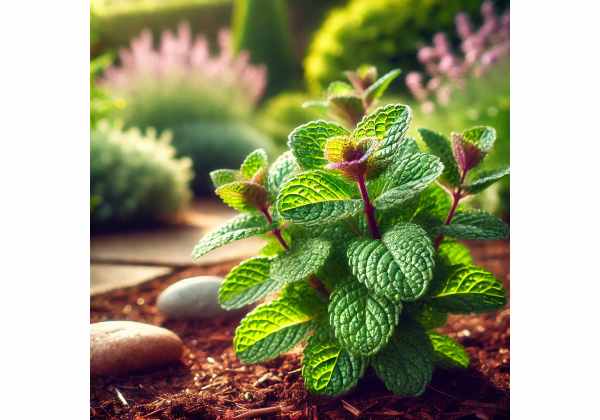
When buying fresh lime mint, look for leaves that are vibrant, unwilted, and strongly aromatic when gently rubbed. The scent should feel bright, citrusy, and minty without smelling dusty or musty. Avoid bunches with blackened edges, slimy stems, or flat aroma. With this plant, smell is often the fastest quality test.
Dried lime mint can still be useful for tea, but it is usually less impressive than fresh. If you buy dried herb, look for green leaves rather than brown fragments, a clean scent, and a clearly identified cultivar or at least a credible mint-family label. Poorly dried mint loses both aroma and subtlety.
Growing your own is often the best option. Like other mints, lime mint generally prefers:
- Sun to partial shade
- Moist but well-drained soil
- Regular harvesting
- Enough space to spread, or a container to keep it controlled
Mint tends to reward frequent cutting. The more you pinch or harvest it, the bushier and more productive it becomes. If you let it get woody and overgrown, the tender leaf quality often declines. Light, repeated harvesting usually gives the best culinary result.
Harvest timing matters too. Morning harvest after dew has dried is often ideal because the leaves are fresh and aromatic without the stress of midday heat. Use the most tender upper leaves first. If you are drying the herb, do it in shade with good airflow rather than high heat. Gentle drying preserves more of the citrus-floral profile.
Storage should be simple and protective. Fresh leaves can be kept cool and lightly wrapped for short periods, though basil-like herbs often dislike very cold storage and mint can bruise easily. Dried leaves should go into an airtight container away from light, heat, and moisture. Once the aroma fades, the herb’s practical value drops quickly.
If you enjoy companion herb gardening, lime mint sits well among other gentle kitchen plants and aromatic borders. It also works nicely beside other versatile culinary herbs that thrive on regular cutting and are valued as much for fragrance as for flavor.
One final point is worth remembering: the best lime mint is rarely the strongest-looking or most aggressively scented. What you want is freshness, balance, and clarity. When the herb smells clean and lively, it usually performs well in both tea and food. That combination of usability and pleasure is what turns a specialty mint into a genuinely worthwhile one.
References
- Mentha piperita: Essential Oil and Extracts, Their Biological Activities, and Perspectives on the Development of New Medicinal and Cosmetic Products 2023 (Review)
- A Comprehensive Review of the Key Characteristics of the Genus Mentha, Natural Compounds and Biotechnological Approaches for the Production of Secondary Metabolites 2023 (Review)
- Investigating the Health Potential of Mentha Species Against Gastrointestinal Disorders—A Systematic Review of Clinical Evidence 2025 (Systematic Review)
- Peppermint Oil: Usefulness and Safety 2025 (Official Safety Guidance)
- Chemical composition and biological activity of Mentha citrata Ehrh., essential oils growing in southern Algeria 2019 (Open-Access Study)
Disclaimer
This article is for educational purposes only and is not medical advice, diagnosis, or treatment. Lime mint is mainly a culinary and traditional herbal plant, and much of the evidence relevant to its possible benefits comes from broader peppermint and Mentha research rather than direct clinical trials on this specific cultivar. Mild tea or food use is very different from concentrated essential-oil use. People who are pregnant, breastfeeding, managing significant reflux, caring for young children, or living with persistent digestive symptoms should seek qualified medical guidance before using this herb medicinally.
If you found this article useful, please share it on Facebook, X, or your preferred platform.