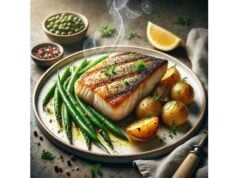
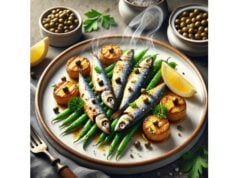
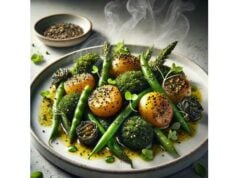
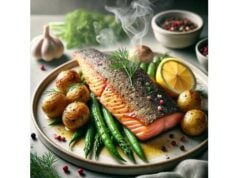
Limpets—small, cone-shelled gastropods that cling to wave-battered rocks—are a traditional coastal food from the Azores to Polynesia. Their flavor sits between clam and abalone: clean, briny, and a touch mineral, with a firm bite that softens when handled well. For cooks, limpets offer versatility. You can sear the meat quickly like scallops, simmer them in garlicky broths, or grill them on the half-shell with butter and herbs. Nutrition-wise, limpets are lean, high in complete protein, and provide key micronutrients common to mollusks: vitamin B12, iron, selenium, iodine, and choline. They also contribute marine omega-3s (EPA and DHA) in modest amounts. As wild intertidal foragers, however, they carry practical considerations: local harvest rules, size and season, and safety factors linked to water quality and handling. This guide distills what matters—from nutrition tables to buying, sustainability, cooking methods that protect nutrients, safe portions, and clear answers to common questions—so you can enjoy limpets with confidence.
Key Takeaways
- Lean, high-protein mollusk with vitamin B12, iron, selenium, iodine, and marine omega-3s.
- Typical serving: 100–150 g cooked meat (about 8–12 medium limpets) once or twice weekly.
- Safety note: mollusk allergy can be severe; harvest only from clean waters and cook to safe doneness.
- People who should limit or avoid: those with confirmed mollusk or shellfish allergy, and pregnant individuals where local advisories warn of contaminants or biotoxins.
Table of Contents
- Limpet Detailed Overview
- Limpet Nutrition Profile
- Limpet Health Benefits
- Risks, Allergies and Interactions
- Selecting, Quality, Sustainability and Storage
- Preparation, Cooking and Nutrient Retention
- Portions, Comparisons and FAQs
Limpet Detailed Overview
Limpets are marine snails (gastropods) that graze on microalgae in the intertidal zone. The edible portion is the muscular foot, which looks like a small, round scallop once freed from the shell. Culinary traditions vary by coastline: in the Macaronesian islands, limpets are famously grilled on the half-shell with garlic and butter; in parts of East Asia and the Pacific, they may be simmered, sliced thin for stir-fries, or cooked in light soups with ginger and greens. In most preparations, quick heat and modest seasoning highlight their oceanic sweetness.
Taste and texture. Properly cooked limpet meat is tender-firm—think between clam and abalone. Overcook it and the foot tightens into chewiness; undercook it and you miss the meat’s delicate sweetness. The shell collects savory juices as the limpet cooks, which is one reason half-shell grilling is beloved: you capture flavor that would otherwise be lost.
How limpets fit in a modern kitchen.
- Fast protein: They cook in minutes, making them weeknight-friendly.
- Flavor amplifier: A handful added to tomato-garlic broth or seafood rice delivers briny depth.
- Low waste: Shells enrich stocks; trim becomes a flavorful addition to fried rice or grain salads.
- Dietary flexibility: Naturally free of carbohydrates and low in saturated fat, they suit many patterns—Mediterranean-style menus, high-protein frameworks, or light, vegetable-forward meals.
Availability and formats. Depending on your region, you might find limpets live on the shell, shucked meats (fresh or frozen), or par-cooked products. Live limpets should close firmly against the shell when touched; meat should smell clean, like the sea. Frozen shucked meat can be excellent quality if processed quickly after harvest.
Harvest notes. Limpets are attached powerhouses; responsible harvesting means observing local rules on size, number, and protected areas. Because they help keep intertidal rocks clear of algal overgrowth, overharvesting can shift the shoreline ecology. Buying from regulated fisheries or harvesting thoughtfully supports both food traditions and shoreline health.
Limpet Nutrition Profile
Values below are per 100 g raw limpet meat unless noted, using representative figures from similar edible gastropods and lean mollusks. Natural variation is expected with habitat, season, and processing. Percent Daily Values (%DV) reflect adult DVs. Where an official DV does not exist, %DV is omitted.
Macros and Electrolytes (per 100 g, raw)
| Nutrient | Amount | %DV |
|---|---|---|
| Energy | 95–115 kcal | — |
| Protein | 19–21 g | 38–42% |
| Total Fat | 0.8–1.8 g | 1–3% |
| Saturated Fat | 0.2–0.4 g | 1–2% |
| Carbohydrate | 2–4 g | 1% |
| Dietary Fiber | 0 g | 0% |
| Sodium | 180–320 mg* | 8–14% |
| Potassium | 260–340 mg | 6–7% |
| Water | ~76–79 g | — |
*Brined or processed products can be higher; check labels.
Fats and Fatty Acids (per 100 g, raw)
| Component | Amount |
|---|---|
| Monounsaturated Fat | ~0.2–0.4 g |
| Polyunsaturated Fat | ~0.3–0.7 g |
| Omega-3 (EPA + DHA) | ~0.3–0.7 g |
| Cholesterol | 60–90 mg (DV 300 mg) |
Protein and Amino Acids (per 100 g, raw)
| Item | Amount |
|---|---|
| Total Protein | 19–21 g |
| Complete Amino Acids | rich in lysine, leucine, threonine |
Vitamins (per 100 g, raw)
| Vitamin | Amount | %DV |
|---|---|---|
| Vitamin B12 (cobalamin) | 1.5–4.0 µg | 63–167% |
| Choline | 70–110 mg | 13–20% |
| Niacin (B3) | 1.5–3.0 mg | 9–19% |
| Vitamin B6 | 0.15–0.30 mg | 9–18% |
| Folate (DFE) | 10–25 µg | 3–6% |
| Vitamin D | 0.5–2.0 µg (20–80 IU) | 3–10% |
| Vitamin E (alpha-tocopherol) | 0.5–1.0 mg | 3–7% |
Minerals (per 100 g, raw)
| Mineral | Amount | %DV |
|---|---|---|
| Iron | 2.0–6.0 mg | 11–33% |
| Selenium | 30–55 µg | 55–100% |
| Iodine | 40–120 µg | 27–80% |
| Zinc | 1.0–2.2 mg | 9–20% |
| Phosphorus | 160–240 mg | 13–19% |
| Magnesium | 25–40 mg | 6–10% |
| Copper | 0.2–0.5 mg | 22–56% |
| Calcium | 25–60 mg | 2–5% |
Glycemic and Acid–Base Metrics
- Negligible carbohydrate; minimal direct glycemic impact.
- Protein-rich foods contribute a modest acid load—pair with vegetables and whole grains to balance overall dietary pattern.
Bioactives / Phytonutrients
- Taurine and creatine occur naturally in mollusks; amounts vary and may support muscle and cellular functions within mixed diets.
- Marine omega-3s (EPA and DHA) contribute to heart and brain health targets when seafood is eaten regularly.
Allergens and Intolerance Markers
- Major allergen group: mollusks. Tropomyosin and other muscle proteins can trigger IgE-mediated reactions in sensitive individuals.
Contaminants / Residues (context)
- Limpets are typically low in mercury due to their trophic level and short lifespan.
- Risk depends on local waters: microbial contamination from sewage outflows and episodic marine biotoxins in some regions. See the safety section for practical guidance.
Fortification and Additives
- Fresh limpet meat is not fortified. Smoked or brined products may include added sodium or phosphates to retain moisture.
Cooked vs. raw note: Cooking reduces water and can concentrate nutrients per 100 g cooked weight; compare raw-to-raw or cooked-to-cooked for accuracy.
Limpet Health Benefits
1) Lean, complete protein for satiety and muscle support
A 100–150 g cooked serving supplies roughly 20–30 g of high-quality protein with minimal saturated fat. That combination supports muscle repair and helps meals feel satisfying without a high calorie load. Pairing limpets with high-fiber sides (beans, leafy greens, whole grains) further improves satiety and cardiometabolic balance.
2) Micronutrient density many diets miss
- Vitamin B12: Limpets provide a reliable source for people who eat little red meat; B12 supports red blood cell formation and neurological function.
- Iron and copper: These minerals work with B vitamins in energy metabolism; mollusks deliver iron in a form many people absorb well when eaten alongside vitamin C–rich foods.
- Selenium and iodine: Both support thyroid hormone metabolism and antioxidant defenses; seafood helps close intake gaps where iodized salt use is inconsistent.
- Choline: Important for cell membranes and lipid transport; limpets contribute alongside eggs, fish, and legumes.
3) Marine omega-3 contribution within a varied seafood pattern
While limpets are leaner than oily fish, they still provide EPA and DHA that add up across the week. A practical approach is to enjoy limpets once and a higher-omega-3 fish (salmon, sardines, mackerel, trout) once or twice weekly. This rotation meets typical weekly omega-3 targets without monotony.
4) Flavor leverage that supports lower sodium cooking
Limpets bring natural umami and gentle brininess. With acids (lemon, wine, tomatoes) and herbs (parsley, cilantro), you can keep added salt modest while maintaining a satisfying flavor profile—useful for blood pressure goals.
5) Culinary versatility with minimal kitchen waste
Quick-cooking meats minimize fuel use and time; shells enrich stock for soups or risotto, stretching value and retaining water-soluble nutrients otherwise left in the pan. This nose-to-tail approach reduces waste and boosts flavor.
How to make these benefits real on your plate
- Keep servings consistent (see the Portions section).
- Choose non-fried methods (grill, sauté, simmer, steam) and serve with vegetables or whole grains.
- Use leftover shells to build a mineral- and flavor-rich broth for the next day’s soup or grain cookery.
- Rotate species so your seafood week balances nutrients, costs, and sustainability.
Risks, Allergies and Interactions
Mollusk allergy (major allergen)
Limpets are mollusks, not crustaceans, but cross-reactivity can occur across shellfish groups. Reactions may range from hives and wheeze to vomiting and anaphylaxis. Anyone with a confirmed mollusk or shellfish allergy should avoid limpets unless an allergist has verified species-specific tolerance. In mixed kitchens, prevent cross-contact by using dedicated tools, oil, and pans.
Contaminants and water quality
- Microbial hazards: Sewage overflows and runoff can contaminate intertidal harvest sites with pathogens (e.g., norovirus, Vibrio species). Source from clean, approved waters or trusted suppliers.
- Marine biotoxins: Algal blooms can produce toxins that accumulate in some shellfish. Because limpets graze on algae, local closures or advisories may apply during bloom events. Heed regional notices before harvesting or buying from small producers.
- Heavy metals: Limpets are generally low in mercury; legacy pollutants depend on location. If you harvest locally, consult regional advisories.
Food safety handling
- Keep raw limpets cold (≤4 °C).
- Rinse shells well to remove sand and debris.
- Cook to safe doneness (opaque, firming flesh; see the Cooking section for temperature guidance).
- Discard any with strong ammonia odor, cracked shells with decomposed meat, or slimy texture.
Nutrition-related cautions
- Sodium: Brined or processed limpets can be high; choose fresh whenever possible and season with citrus and herbs.
- Cholesterol: Mollusks contain dietary cholesterol (often ~60–90 mg per 100 g). For most people, overall dietary pattern affects blood cholesterol more than dietary cholesterol itself; focus on cooking method and sides.
- Purines and gout: Shellfish purines may contribute to flares in susceptible individuals; monitor personal response and overall purine intake.
Medications and conditions
- Anticoagulants: Food-level omega-3 intake is typically compatible, but very high supplemental doses may affect bleeding risk—discuss supplements with a clinician.
- Thyroid disorders: Consider total iodine intake across the diet; limpets contribute but rarely in excess.
Pregnancy and breastfeeding
When sourced from approved waters and fully cooked, limpets can fit into pregnancy diets within national seafood guidance. Avoid raw or undercooked preparations and follow local advisories closely, which may be stricter during harmful algal bloom seasons.
Selecting, Quality, Sustainability and Storage
Choosing quality limpets
- Live, on the shell: Look for steady grip on the shell and responsive movement when touched. Shells should be intact, free of foul odor, and heavy for size (a sign of hydration).
- Shucked meat (fresh or frozen): Flesh should be glossy and translucent to pearly, not gray or dry. Packaging should be cold, with minimal purge.
- Labels and traceability: Favor suppliers that list harvest area and date. For frozen products, check for even ice glaze and avoid packages with excessive ice crystals (possible thaw-refreeze).
Sustainability snapshot
- Limpets help structure rocky shoreline ecosystems by grazing algae. Overharvesting can alter this balance. Many regions set size limits, daily quotas, and protected zones.
- Small-scale, regulated fisheries and community co-management (including Indigenous stewardship where applicable) support ecosystem health and cultural foodways.
- As a consumer, buy from transparent, legally compliant sources, respect local rules when foraging, and diversify your seafood choices across species to spread demand.
Storage and shelf life
- Refrigeration: Keep live limpets un-submerged on a tray under damp cloth or paper at 0–2 °C; cook within 24 hours. Shucked meat keeps 1–2 days in the coldest part of the fridge.
- Freezing: For best quality, freeze shucked meat airtight at −18 °C and use within 3–4 months. Thaw slowly in the refrigerator.
- Leftovers: Refrigerate cooked limpets within 2 hours and eat within 2–3 days. Reheat gently to avoid toughness.
Value and yield
- Shell-to-meat yield varies by species and size; expect 20–35% edible yield from live limpets. Save shells for stock—this stretches value and captures flavor for soups, stews, and risottos.
Signs of quality at the fishmonger
- Clean, briny aroma (not sour or fishy), consistent sizing, and minimal broken shells. Ask how and where they were harvested, and whether the batch passed routine safety checks.
Preparation, Cooking and Nutrient Retention
Prep basics
- Cleaning live limpets: Rinse shells to remove sand. To remove meat, insert a thin, sturdy knife under the foot and slide to release the natural suction. Trim the dark fringe or viscera if present, leaving the muscular foot for cooking.
- Tenderizing options: For large limpets, a light butterfly cut or a few gentle taps with a meat mallet can reduce chewiness. Avoid heavy pounding, which can shred the meat.
- Flavor allies: Lemon, garlic, parsley, olive oil, chili, tomatoes, white wine, ginger, and scallions. Their acids and aromatics balance briny sweetness.
Safe temperature and doneness
- Aim for an internal temperature of 63 °C (145 °F). Because limpets are small, rely on visual cues: meat turns opaque and slightly firm, and juices run clear. Overcooking quickly toughens the foot, so err on the side of just-done.
Techniques that protect texture and nutrients
- Half-shell grill (4–6 minutes): Place cleaned limpets in their shells with a small knob of butter, garlic, and herbs. Grill over medium-high heat just until the meat turns opaque and releases its juices. Serve with lemon; sop up shell juices to retain water-soluble B vitamins and minerals.
- Quick sauté (2–3 minutes): Hot pan, thin film of olive oil, and a fast sear; finish with white wine and parsley. This browns the surface for flavor while keeping the interior tender.
- Gentle simmer (5–8 minutes): Add to simmering tomato-garlic broth or seafood stock near the end. The moist environment preserves tenderness and captures nutrients into the liquid.
- Steam (3–5 minutes): Arrange on aromatics; steam covered until just opaque. Add olive oil and citrus before serving.
Nutrient retention tips
- Omega-3s tolerate typical culinary heat, but prolonged high-temperature frying is unnecessary and adds oil calories.
- Water-soluble vitamins leach into cooking liquid; serve with the pan juices, or reduce into a sauce.
- Sodium management: Skip brines; season lightly and emphasize acids and herbs.
Common pitfalls and fixes
- Rubbery texture: Overcooked. Reduce time, and remove from heat at first opacity.
- Sandy bite: Inadequate cleaning. Rinse shells thoroughly and trim any grit-prone parts.
- Flat flavor: Add brightness (lemon, vinegar), a touch of heat (chili), and fresh herbs; keep salt restrained.
Simple serving templates
- Garlic-lemon parsley: Olive oil, grated garlic, parsley, lemon zest and juice.
- Tomato-chili broth: Cherry tomatoes, chili flakes, garlic, white wine; finish with basil.
- Ginger-scallion splash: Ginger matchsticks, scallion whites, splash of rice wine; finish with scallion greens.
Portions, Comparisons and FAQs
What is a practical serving?
For most adults, 100–150 g cooked limpet meat (about 8–12 medium limpets) once or twice weekly fits into a varied seafood routine. Children’s portions are smaller (30–60 g cooked), adjusted to age and appetite.
How do limpets compare to other shellfish?
- Clams and mussels: Similar protein and mineral density; clams often provide more iron per 100 g, mussels more omega-3s. Limpets have a firmer bite and cleaner, less “brothy” flavor.
- Scallops: Comparable quick-cooking lean protein with a softer texture; scallops tend to be sweeter and milder.
- Abalone: Texturally similar when thin-sliced; abalone is typically pricier and requires longer tenderizing.
- Shrimp (crustacean): Similar calories and protein; flavor is sweeter and more mineral; allergen category differs (mollusk vs. crustacean).
Are limpets low in mercury?
Generally yes. Their short lifespan and algal diet place them low on the food chain. Still, always heed local advisories if harvesting or buying from small, regional producers.
Can I eat limpets during pregnancy?
Yes—when fully cooked, sourced from approved waters, and eaten in moderate portions. Avoid raw or undercooked limpets, follow national seafood guidance, and check regional notices about water quality or algal blooms.
Do limpets have cholesterol?
Like most mollusks, they contain dietary cholesterol (often ~60–90 mg per 100 g). For most people, overall diet quality—especially limiting saturated and trans fats—matters more for blood cholesterol than dietary cholesterol alone.
How do I make limpets tender?
Cook quickly to just-opaque, or slice thin. For larger specimens, a very brief tenderizing step (light mallet taps) helps. Moist cooking methods (simmering, steaming) and acidic finishes (lemon, wine) also keep the bite pleasant.
Budget and meal planning ideas
- Stretch value by using shells for a quick stock; freeze shells until you have enough for soup or risotto.
- Combine a modest amount of limpet meat with vegetables and beans in pasta or grain bowls.
- Buy frozen shucked meat when on offer; thaw slowly for best texture.
Troubleshooting at a glance
- Overly salty dish: You likely used brined product or oversalted. Next time, rinse, pat dry, and rely on citrus and herbs.
- Off smell: Discard. Limpets should smell like clean seawater, not sour or ammonia-like.
- Grit in the dish: Improve your rinse and trimming routine; consider a brief soak in cold, lightly salted water followed by a final rinse.
References
- Omega-3 Fatty Acids – Health Professional Fact Sheet 2024 (Guideline)
- Advice about Eating Fish 2024 (Guideline)
- Safe Minimum Internal Temperature Chart 2023 (Guideline)
- Fish and Shellfish Allergy 2019 (Review)
- Iodine – Consumer Fact Sheet 2024 (Guideline)
Medical Disclaimer
This article is for general education and does not replace personalized medical advice, diagnosis, or treatment. Always consult a qualified healthcare professional about how limpet and other seafood fit your health needs—especially if you are pregnant or breastfeeding, have a mollusk or shellfish allergy, manage cardiovascular or metabolic conditions, or take medications that may interact with diet. If you harvest or buy locally, follow regional advisories on water quality and marine biotoxins.
If you found this guide helpful, please consider sharing it on Facebook, X (formerly Twitter), or any platform you prefer. Your support helps us continue producing clear, balanced, evidence-based articles.