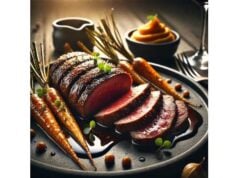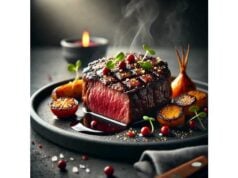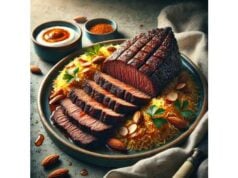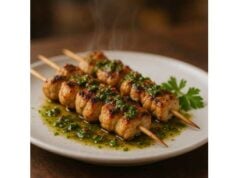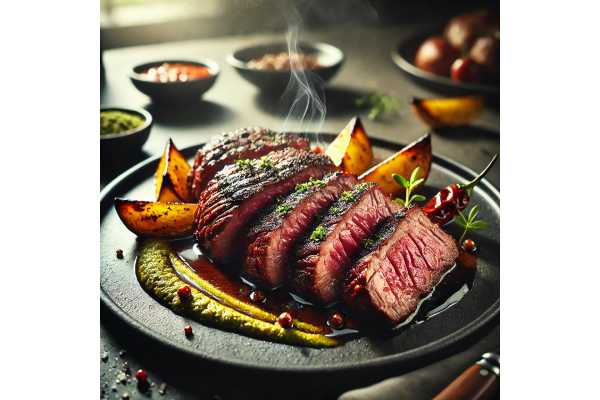
Llama meat is a lean, protein-dense red meat that has nourished Andean communities for centuries and is now drawing wider interest as a flavorful, lower-fat alternative to beef and lamb. Typically harvested from farmed South American camelids (Lama glama), llama offers a delicate, slightly sweet taste with minimal marbling and a fine grain that stays tender when cooked properly. Per 100 g, lean cuts commonly deliver about 24 g of high-quality protein with roughly 110 kcal, making llama well suited for active individuals, weight-conscious eaters, and anyone looking to diversify red-meat choices. The meat also supplies bioavailable heme iron and zinc—two minerals many people underconsume—while its very low carbohydrate content fits low-carb and gluten-free eating patterns. In the kitchen, llama performs much like extra-lean beef: sear quick-cooking steaks over medium heat, cube for stews, or grind for burgers and meatballs. Because intramuscular fat is naturally modest, simple techniques—brief marinades, moderate heat, and short rest times—highlight its tenderness and keep juices where they belong: on the plate, not in the pan.
Fast Facts
- Lean red meat providing ~24 g protein and about 110 kcal per 100 g.
- Rich in heme iron and zinc, supporting red blood cell formation and immune function.
- Safety: cook whole cuts to 63 °C (145 °F) and ground meat to 71 °C (160 °F).
- Typical serving: 85 g cooked (3 oz), enjoyed up to 2–3 times weekly within total red-meat limits.
- People with alpha-gal syndrome, active gout, or high sodium needs (if processed) should limit or avoid.
Table of Contents
- Llama Meat: Detailed Overview
- Llama Nutrition Profile (per 100 g)
- Evidence-Based Health Benefits
- Risks, Allergies and Interactions
- Selecting, Quality, Sustainability and Storage
- Preparation, Cooking and Nutrient Retention
- Portions, Comparisons and FAQs
Llama Meat: Detailed Overview
Llama is a South American camelid domesticated thousands of years ago in the Andes. While llamas are prized globally as pack animals and for fiber, their meat (carne de llama) remains an important food in high-altitude regions of Argentina, Bolivia, Chile, and Peru. For curious home cooks and chefs alike, llama sits comfortably among “alternative red meats”—think venison, bison, or goat—delivering a familiar yet distinctive profile: clean, mildly beef-like flavor with gentle sweetness, a fine texture, and very little surface fat.
As a carcass, llama yields a high proportion of saleable lean cuts such as the loin, leg, and round. Because marbling is minimal, the eating experience depends more on the cut, age at harvest, and handling than on fat content. Quick-cooking steaks from the loin are naturally tender and benefit from a short rest after searing. The round and shoulder excel when sliced thin and flash-cooked, or when slow-braised in stews that take advantage of the meat’s ability to absorb aromatics. Ground llama can replace extra-lean ground beef in burgers, picadillo, or meatballs; a splash of oil or a moisture-retaining ingredient (finely grated onion, soaked breadcrumbs) keeps patties juicy.
From a nutrition standpoint, llama is one of the leanest red meats commonly available, with a protein profile comparable to beef and lamb but less total fat per serving in very lean cuts. It contains virtually no carbohydrate and offers bioavailable heme iron and zinc. Because it is a mammalian meat, llama is considered “red meat” in dietary guidance. That means it fits best within moderate consumption patterns, alongside plenty of vegetables, pulses, whole grains, fruits, and healthy fats.
Culinarily, llama is versatile. In the Andes, you will find it grilled as anticuchos, slow-cooked in rich guisos (stews), sun-dried and seasoned for charqui (jerky), or cured in regional sausages. Modern kitchens use it anywhere very lean beef would shine: stir-fries, lettuce-wrapped tacos, lean chili, or as a high-protein topping for grain bowls. Because it has a mild, clean flavor, seasoning can be simple—salt, pepper, garlic—or more aromatic (cumin, smoked paprika, ají amarillo, oregano). Acidic marinades (citrus, vinegar, yogurt) enhance tenderness without masking flavor.
Finally, consider sourcing. In South America, most llama meat comes from smallholders raising animals on high-altitude native pastures. In other markets, availability is limited; you may find frozen cuts through specialty butchers or ethical wild-game suppliers. As with any meat, look for transparent labeling about origin and processing, and handle it with standard food-safety practices from purchase to plate.
Llama Nutrition Profile (per 100 g)
Below are representative values for raw, lean llama meat. Where % Daily Value (%DV) exists, it is shown for a 2,000-kcal reference diet.
Macros & Electrolytes
| Nutrient | Amount per 100 g | %DV |
|---|---|---|
| Energy | ~110 kcal | — |
| Protein | 24.0 g | 48% |
| Total Fat | 1.6 g | 2% |
| Carbohydrates | 0.0 g | 0% |
| Sodium | 105.6 mg | 5% |
Minerals
| Mineral | Amount per 100 g | %DV |
|---|---|---|
| Iron | 3.26 mg | 18% |
| Zinc | 4.44 mg | 40% |
| Calcium | 11.6 mg | 1% |
Fats & Fatty Acids (qualitative)
- Very low total fat compared with most red meats.
- Fatty-acid profile varies with pasture and feed; lean cuts typically show a favorable ratio of polyunsaturated to saturated fats for red meat.
- Trans fat is naturally negligible in unprocessed, very lean cuts.
Protein & Amino Acids (qualitative)
- Complete protein with all essential amino acids.
- Comparable leucine content to other ruminant meats, supporting muscle protein synthesis.
Bioactives
- Contains meat-specific compounds such as carnosine and creatine that contribute to exercise performance and pH buffering during high-intensity efforts (amounts vary).
Glycemic & Acid–Base Metrics
- Carbohydrate-free; glycemic index and load are effectively zero for unseasoned meat.
- Acid load is similar to other red meats; balance plates with potassium-rich vegetables and legumes.
Notes: Values reflect lean longissimus/prime retail cuts from adult animals and will vary by cut, age, and diet. Processed products (jerky, sausages) can contain substantially more sodium and fat. Percent Daily Values use common reference DVs: protein 50 g, fat 78 g, sodium 2,300 mg, iron 18 mg, zinc 11 mg, calcium 1,300 mg.
Evidence-Based Health Benefits
High-quality protein for strength and satiety. With about 24 g of complete protein per 100 g, llama delivers all essential amino acids in a compact calorie package (~110 kcal). That density helps athletes meet daily protein targets without overshooting energy needs and supports muscle maintenance during weight loss in adults. In meals, pairing llama with fiber-rich vegetables and grains further enhances fullness and post-meal blood sugar control through slower gastric emptying.
Iron you can absorb. Llama provides heme iron, the form humans absorb most efficiently. For people at higher risk of iron shortfalls—menstruating adolescents, pregnant individuals (under medical guidance), endurance athletes, and frequent blood donors—heme iron can help cover daily needs, especially when paired with vitamin-C-rich vegetables (charred peppers, citrus slaws) that enhance non-heme iron absorption elsewhere in the meal.
Zinc for immune and metabolic functions. Llama’s zinc content is robust for a lean red meat, supplying appreciable amounts in modest portions. Zinc contributes to immune cell signaling, wound healing, and taste and smell acuity. Because bioavailability from meat is generally high, llama can be a practical way to raise zinc intake without relying on supplements.
Lower fat than many red meats. Very lean cuts of llama are naturally low in total fat. Swapping higher-fat red meats with llama in burgers, stews, or pasta sauces can meaningfully reduce saturated fat in habitual diets while keeping flavor and texture satisfying—an advantage for people managing LDL cholesterol or total calorie intake.
Useful in gluten-free and low-carb patterns. Unprocessed llama contains zero carbohydrate and no gluten. For people who prefer higher-protein breakfasts, a small portion of seasoned ground llama folded into egg scrambles or breakfast bowls boosts protein without adding refined starch.
Supports culinary diversity and food sovereignty. Incorporating llama honors traditional Andean cuisines and can broaden dietary variety—the strongest predictor of micronutrient adequacy over time. When sourced from responsible producers, llama can also align with values around heritage foods and rural livelihoods.
To realize these benefits, favor minimally processed cuts, combine llama with plenty of plants, and keep cooking temperatures moderate to preserve tenderness and nutrients.
Risks, Allergies and Interactions
Alpha-gal syndrome (AGS). Llama is a mammalian red meat and contains alpha-gal (galactose-α-1,3-galactose). Individuals with AGS—an allergy that may follow certain tick bites—can develop delayed allergic reactions (hives, gastrointestinal distress, or anaphylaxis) after eating red meat. Anyone diagnosed with or suspected of AGS should avoid llama and discuss individualized guidance with an allergist.
General red-meat moderation. Public-health recommendations advise limiting total red-meat intake each week. That translates to enjoying llama alongside ample plant foods and rotating with poultry, fish, eggs, tofu, and legumes. Processed forms (jerky, cured sausages) should be occasional choices because of higher sodium and additives.
Food safety. Handle llama like any raw meat: keep refrigerated below 4 °C (40 °F), avoid cross-contamination, and cook whole cuts to an internal temperature of 63 °C (145 °F) with a 3-minute rest and ground llama to 71 °C (160 °F). Leftovers should reach 74 °C (165 °F) when reheated.
Purines and gout. Like other meats, llama contains purines that can raise uric acid in susceptible individuals. People with active gout or a history of gout flares should limit portion size and frequency and prioritize hydration and a plant-forward plate.
Sodium in processed products. Traditional charqui (jerky) and some sausages may be high in sodium. Those managing blood pressure, kidney disease, or fluid retention should choose fresh cuts or look for lower-sodium options.
Medication considerations. Iron-rich meals can reduce absorption of some oral medications (e.g., certain antibiotics) if taken together. When in doubt, separate meat-heavy meals and affected medicines by a few hours as advised by a clinician or pharmacist.
Pregnancy considerations. Avoid undercooked meat and deli-style cured products. Opt for fully cooked, hot servings; cool leftovers promptly; and reheat to steaming before eating.
Bottom line: llama is safe when cooked and stored properly, but, like all red meat, it fits best in a balanced pattern emphasizing variety and moderation.
Selecting, Quality, Sustainability and Storage
What to look for at purchase. Fresh llama should appear deep cherry-red with fine, tight grain and little visible fat. Any surface moisture should be minimal and clear, not sticky. Frozen cuts should be rock-solid with no ice crystals or freezer burn. When possible, choose vacuum-packed portions with clear labels stating species, cut, weight, origin, and processing method (fresh versus cured).
Cuts and best uses.
- Loin/longissimus: tender steaks for quick searing or grilling.
- Leg/round: great for kabobs, stir-fry strips, schnitzel, or braises when sliced thin.
- Shoulder: ideal for slow cooking, shredding, or grinding.
- Ground llama: best at 90–95% lean; add a moisture-keeper (finely grated onion, yogurt, soaked breadcrumbs) for burgers.
Sourcing and sustainability. Llamas thrive on high-altitude native pastures and can make productive use of sparse rangeland. When buying, favor producers who document humane practices, traceable supply chains, and minimal-additive processing. In many regions, llama meat supports smallholder economies and cultural foodways; purchasing from reputable vendors helps sustain those livelihoods. If local availability is limited, frozen options from specialty butchers are often the most practical entry point.
Storage and shelf life.
- Refrigerator (≤4 °C / 40 °F): whole cuts 3–5 days; ground meat 1–2 days; cooked leftovers 3–4 days.
- Freezer (≤−18 °C / 0 °F): well-wrapped whole cuts up to 6–12 months; ground meat 3–4 months; cooked dishes 2–3 months.
- Thawing: in the refrigerator (best), under cold running water in sealed packaging, or in a microwave followed by immediate cooking. Avoid countertop thawing.
- Refreezing: acceptable for raw meat thawed in the refrigerator; expect modest quality loss.
Smart shopping tips. Plan portions (see Section 7) before you buy; cut bulk packs into meal-ready portions and label with date and cut. If trying llama for the first time, start with a single tender cut (e.g., loin) to learn the flavor and doneness you prefer, then branch into stews, grinds, and cured styles.
Preparation, Cooking and Nutrient Retention
Keep moisture in. Because llama is very lean, preserving juiciness is the top priority. Dry the surface, season with salt 30–60 minutes ahead (or just before cooking), and use moderate heat. High heat can overcook the thin fat layer and tighten muscle fibers.
Marinate smartly. Short marinades (30–90 minutes) with mild acids—citrus juice, vinegar, yogurt, or wine—plus oil and herbs help tenderize the surface and add flavor. Include a small amount of oil (1–2 teaspoons per 450 g meat) to improve heat transfer and browning.
Choose the right method for the cut.
- Quick sear/grill: loin steaks, cutlets, and thin slices (2–3 minutes per side for medium-rare to medium).
- Stir-fry: leg or shoulder sliced across the grain; keep batches small to avoid steaming.
- Braise/stew: shoulder or leg cubes simmered gently with aromatics until fork-tender.
- Ground: burgers or meatballs cooked until the center reaches 71 °C (160 °F); mix with moisture-retaining ingredients.
Doneness and temperatures. For tenderness and food safety, aim for 63 °C (145 °F) with a 3-minute rest for whole cuts. Ground llama should reach 71 °C (160 °F). A quick, accurate digital thermometer is the most reliable tool you can own for cooking lean meats.
Retain nutrients.
- Cut size matters: larger pieces lose less moisture than tiny cubes.
- Use gentle heat: simmer rather than rolling-boil stews to reduce protein squeeze-out.
- Mind the drippings: pan juices contain iron, zinc, and water-soluble B vitamins; use them in sauces rather than discarding.
- Minimal trimming: llama is already lean—avoid excessive trimming that could reduce fat-soluble vitamin absorption from the meal.
Flavor pairings that work. Garlic, black pepper, cumin, smoked paprika, oregano, rosemary, ají amarillo, mustard, soy, ginger, and citrus all complement llama’s mild savor. Balance plates with bright, bitter, or acidic sides: chimichurri, pickled onions, charred peppers, or lemony salads.
Common pitfalls to avoid. Overcooking (it dries fast), insufficient seasoning (lean meat needs salt), and skipping the rest (3–5 minutes helps redistribute juices). When grilling, keep flames moderate and avoid char; use indirect heat to finish thicker cuts.
Portions, Comparisons and FAQs
Recommended portions and frequency. A practical serving is 85 g cooked (3 oz)—about the size of a deck of cards. Most people who include red meat can enjoy llama up to 2–3 times per week as part of the total weekly red-meat allowance recommended by major public-health bodies. Spread servings across the week and build plates with half vegetables, a quarter grains or legumes, and a quarter llama or other protein.
How does llama compare to other meats? Llama’s defining trait is leanness: tender cuts are typically lower in total fat than comparable beef or lamb cuts while matching their protein. Iron and zinc contents are strong for the portion size. If you prefer red meat but want to keep calories and saturated fat in check, llama is a smart swap for many recipes. For the lowest fat, choose loin or trimmed leg; for richer flavor, use shoulder in moist-heat dishes.
Can I use llama in family-favorite recipes? Yes. Substitute one-for-one for very lean beef in stir-fries, tacos, chili, Bolognese, shepherd’s pie, or kabobs. With ground llama, add a tablespoon or two of moisture-keepers (grated onion, finely chopped mushrooms, or soaked breadcrumbs) per 450 g to keep patties tender.
Is llama appropriate for athletes or weight loss? Its high protein-to-calorie ratio suits both. Pair with carbohydrates around workouts for glycogen repletion and with vegetables and legumes at other meals to improve fullness and micronutrient density.
What about processed llama (jerky, sausages)? These can be tasty but are often higher in sodium and sometimes include added fat. Enjoy occasionally, drink water, and balance your day with fresh produce and low-sodium foods.
Who should limit or avoid it? People with alpha-gal syndrome must avoid all mammalian meats, including llama. Those with active gout should limit purine-rich foods, including red meat. If you are on a medically prescribed low-sodium plan, emphasize fresh cuts and skip cured products. During pregnancy, avoid undercooked or deli-style cured meats and reheat leftovers to steaming.
Budget and availability tips. If fresh llama is scarce or expensive, seek frozen cuts from specialty butchers; choose whole muscles (loin or leg) for versatility and portion them at home. Batch-cook stews for economical, high-protein meals throughout the week.
References
- Carne de llama 2016.
- Tenderness evaluation and mineral levels of llama (Lama glama) and alpaca (Lama pacos) meat 2007.
- Cook to a Safe Minimum Internal Temperature 2024 (Guideline).
- Meat of South American camelids – Sensory quality and nutritional composition 2021 (Systematic Review).
- Red meat 2023 (Guideline).
Disclaimer
This guide is educational and does not replace personalized advice from your physician, registered dietitian, or allergist. Red-meat needs and limits vary by health status, medications, and goals. If you have alpha-gal syndrome, gout, cardiovascular risk factors, or are pregnant, seek individual guidance before changing your diet.
If you found this article useful, please consider sharing it with friends and colleagues on Facebook, X (formerly Twitter), or any platform you prefer. Your support helps us continue creating evidence-based, reader-friendly nutrition content.