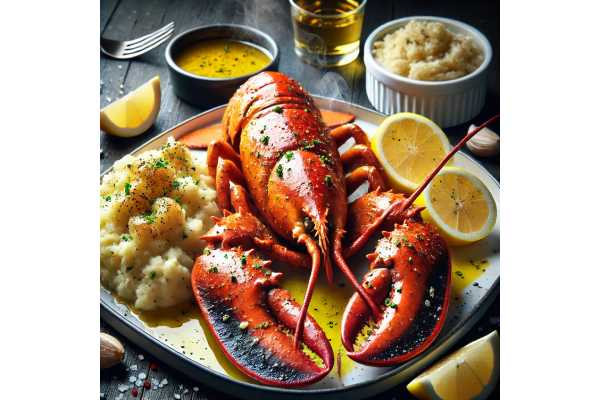
Lobster is a celebration food for many households, yet it can be weeknight-friendly when you know how to buy and cook it. Sweet, succulent, and versatile, lobster meat works across cuisines—from classic steamed tails with lemon to fiery chili-ginger stir-fries, bisques, tacos, and butter-poached rolls. Despite its luxury aura, lobster is a lean seafood with high-quality protein, vitamin B12, selenium, iodine, choline, and modest omega-3s (EPA and DHA). It’s also quick to cook; most cuts are ready in under 10 minutes. As with all shellfish, there are practical caveats: allergy risks, sodium in brined or processed products, and proper handling for safety and quality. This guide gathers what you need—nutrition tables per 100 g, evidence-based benefits, clear safety notes, and kitchen methods that lock in moisture and nutrients—so you can enjoy lobster confidently, whether you’re cracking whole steamed shells for a special dinner or folding chilled meat into a citrusy salad for lunch.
Top Highlights
- Lean, high-protein shellfish with vitamin B12, selenium, iodine, and marine omega-3s (EPA and DHA).
- Typical serving: 100–150 g cooked meat (about 1 small tail or ¾ cup chunks) once or twice weekly.
- Safety note: shellfish allergy can be severe; buy from reputable sources and cook to safe doneness.
- Limit or avoid if you have a confirmed shellfish allergy or follow sodium-restricted diets when using brined or processed products.
Table of Contents
- Lobster Detailed Overview
- Lobster Nutrition Profile
- Lobster Health Benefits
- Risks, Allergies and Interactions
- Selecting, Quality, Sustainability and Storage
- Preparation, Cooking and Nutrient Retention
- Portions, Comparisons and FAQs
Lobster Detailed Overview
Lobster refers to several clawed species (most famously American lobster, Homarus americanus, and European lobster, Homarus gammarus) as well as warm-water spiny lobsters (Panulirus species) that lack large claws. The edible portions are the tail, claws (if present), knuckles, and leg meat; roe (coral) and tomalley (hepatopancreas) are sometimes eaten, though tomalley is not recommended in large amounts due to potential contaminant concentration.
Flavor and texture. Lobster is sweet, briny, and delicate. Tail meat is denser with a pleasant snap; claw and knuckle meat are silkier and slightly sweeter. Spiny lobster tails are lean and firm, ideal for grilling; clawed lobsters offer the prized claw meat for rolls and bisque.
Culinary versatility.
- Fast entrées: Broiled tails with lemon; butter-poached medallions; pan-seared chunks for pasta or risotto.
- Make-ahead dishes: Chilled lobster salad, lobster rolls, or tacos with citrus slaw.
- Soups and sauces: Shells and bodies yield a complex stock for bisque, chowder, or pan sauces.
- Global takes: Chili-ginger stir-fry, saffron rice with lobster, coconut curry, miso-butter glaze under the broiler.
Buying formats. Fresh live lobsters, cooked whole lobsters, raw or cooked tails, claw/knuckle meat, frozen raw tails, and pasteurized cooked meat (refrigerated). Frozen tails are a reliable, often cost-effective entry point—look for intact shells and even ice glaze with minimal frost.
Why it’s nutrition-forward. Lobster delivers a high protein-to-calorie ratio, meaningful selenium and vitamin B12, and modest omega-3s, with very little saturated fat. Because it’s flavorful on its own, you can season lightly and still create special-occasion results without heavy sauces—unless you want to, in which case butter is a classic splurge.
Kitchen science. Shellfish muscle proteins firm quickly around 50–55 °C; pulling lobster promptly at just-opaque preserves juiciness. Overheating squeezes out moisture, toughening the bite and dulling sweetness. Residual heat continues cooking off the stove; accounting for carryover is the difference between succulent and rubbery.
Lobster Nutrition Profile
Values below are per 100 g raw lobster meat unless noted. Actual numbers vary by species, season, diet, and processing (e.g., brining). Percent Daily Values (%DV) reflect adult DVs. Where a DV is not established (e.g., EPA + DHA), %DV is omitted.
Macros and Electrolytes (per 100 g, raw)
| Nutrient | Amount | %DV |
|---|---|---|
| Energy | 85–110 kcal | — |
| Protein | 18–21 g | 36–42% |
| Total Fat | 0.8–1.9 g | 1–3% |
| Saturated Fat | 0.2–0.4 g | 1–2% |
| Carbohydrate | 0 g | 0% |
| Sodium | 120–300 mg* | 5–13% |
| Potassium | 250–320 mg | 5–7% |
| Water | ~76–80 g | — |
*Sodium rises with brining, added salts, or processed “ready” products—check labels.
Fats and Fatty Acids (per 100 g, raw)
| Component | Amount |
|---|---|
| Monounsaturated Fat | ~0.2–0.4 g |
| Polyunsaturated Fat | ~0.3–0.7 g |
| Omega-3 (EPA + DHA) | ~0.25–0.60 g |
| Cholesterol | 120–180 mg (DV 300 mg) |
Protein and Amino Acids (per 100 g, raw)
| Item | Amount |
|---|---|
| Total Protein | 18–21 g |
| Amino Acids | complete profile, rich in lysine, leucine, threonine |
Vitamins (per 100 g, raw)
| Vitamin | Amount | %DV |
|---|---|---|
| Vitamin B12 (cobalamin) | 1.0–2.0 µg | 42–83% |
| Choline | 70–110 mg | 13–20% |
| Niacin (B3) | 2.0–4.0 mg | 13–25% |
| Vitamin B6 | 0.2–0.4 mg | 12–24% |
| Folate (DFE) | 15–30 µg | 4–8% |
| Vitamin E | 0.5–1.0 mg | 3–7% |
| Vitamin D | 0.5–2.0 µg (20–80 IU) | 3–10% |
Minerals (per 100 g, raw)
| Mineral | Amount | %DV |
|---|---|---|
| Selenium | 35–70 µg | 64–127% |
| Iodine | 40–120 µg | 27–80% |
| Phosphorus | 180–260 mg | 14–21% |
| Zinc | 2.0–4.0 mg | 18–36% |
| Copper | 0.2–0.6 mg | 22–67% |
| Magnesium | 25–35 mg | 6–8% |
| Calcium | 40–80 mg | 3–6% |
| Iron | 0.3–1.0 mg | 2–6% |
Glycemic and Acid–Base Metrics
- Carbohydrate-free; negligible direct glycemic effect.
- Protein contributes a modest acid load; pair lobster with vegetables and whole grains to balance the overall meal.
Bioactives / Phytonutrients
- Taurine and creatine naturally occur in shellfish muscle; amounts vary and add to total dietary intake from animal foods.
- Astaxanthin pigments are mainly in the shell; a small amount may carry into meat and sauces, especially if simmered.
Allergens and Intolerance Markers
- Major allergen group: crustacean shellfish; tropomyosin is a dominant allergen protein.
Contaminants / Residues (context)
- Lobster is typically low in mercury due to its trophic level and growth patterns. Sodium and additives may be high in processed or brined products.
Fortification and Additives
- Fresh lobster meat is not fortified. Look for phosphates and salt in some processed or pasteurized meats; these retain moisture but raise sodium.
Cooked vs. raw note: Cooking reduces water content, concentrating nutrients per 100 g cooked. Compare raw-to-raw or cooked-to-cooked for accuracy.
Lobster Health Benefits
1) High-quality protein with minimal saturated fat
Per 100 g, lobster typically delivers 18–21 g of complete protein for under ~110 kcal and very little saturated fat. That combination supports muscle repair and satiety without a heavy calorie load. For people seeking to maintain or build lean mass while managing energy intake, lobster is a practical swap for higher-fat meats.
2) Micronutrients that many diets under-deliver
- Vitamin B12 is essential for red blood cell formation and neurological function. A modest lobster portion can cover a large share of daily needs for people who eat little red meat.
- Selenium supports antioxidant enzymes and thyroid hormone metabolism; lobster is a concentrated source.
- Iodine contributes to thyroid health; marine foods like lobster help close intake gaps where iodized salt use is inconsistent.
- Choline is important for cell membranes and lipid transport; shellfish helps many people meet daily targets alongside eggs, meats, and legumes.
- Zinc and copper contribute to immunity and energy metabolism; lobster provides both in meaningful amounts.
3) Omega-3s that add up across the week
Lobster is leaner than oily fish, but it still contributes EPA and DHA. A practical strategy is to pair one lobster meal with one or two oily-fish meals (salmon, trout, sardines, mackerel) weekly. This rotation aligns with common omega-3 intake targets without sacrificing variety.
4) Flavor leverage that supports lower sodium cooking
Lobster’s natural sweetness and umami reduce the need for heavy salting. Bright acids (lemon, white wine, rice vinegar) and herbs (tarragon, chives, parsley) build vivid flavor so you can season lightly—useful for blood pressure goals.
5) Culinary efficiency and minimal waste
Quick-cooking meat minimizes time and energy. Shells and bodies transform into aromatic stocks that capture water-soluble B vitamins and minerals, extending value across multiple meals (bisques, risottos, sauces).
How to apply these benefits
- Keep portions consistent (see “Portions”).
- Choose non-fried methods—steam, broil, poach, or sauté gently.
- Serve with vegetables or whole grains to boost fiber and potassium.
- Save shells for stock to reclaim nutrients and reduce waste.
Risks, Allergies and Interactions
Crustacean shellfish allergy
Lobster is a major allergen. Tropomyosin, a heat-stable muscle protein, is a frequent trigger. Reactions can range from hives and wheezing to vomiting and anaphylaxis. People with a diagnosed shellfish allergy should avoid lobster unless an allergist has confirmed species-specific tolerance. In shared kitchens, prevent cross-contact by using separate boards, knives, pans, and oil, and by washing hands and surfaces thoroughly.
Sodium and processed products
Plain lobster meat contains modest sodium, but brined, pasteurized, or pre-seasoned products can be significantly higher. If you manage blood pressure or fluid retention, choose fresh or minimally processed meat and season with citrus, herbs, and a measured hand with salt.
Contaminants and advisories
Lobster generally tests low in mercury relative to large predatory fish. However, the tomalley can accumulate contaminants; guidelines in many regions advise limiting tomalley consumption, especially for pregnant or breastfeeding individuals and young children. Purchase from reputable suppliers and follow regional seafood advisories if harvesting locally.
Food safety and handling
- Keep raw lobster below 4 °C and cook the day of purchase for live product.
- Thaw frozen tails gradually under refrigeration; for quick-thaw, submerge sealed packages in cold water, changing water every 30 minutes.
- Cook to safe doneness (see temperature guidance below).
- Discard seafood with strong ammonia odor, sliminess, or blackening beyond normal shell pigment.
Medication and nutrient notes
- Anticoagulants: Ordinary food-level omega-3 intake is typically compatible; high-dose supplements may increase bleeding risk—discuss supplements with your clinician.
- Thyroid disorders: Consider total iodine intake; lobster contributes but is rarely excessive in typical portions.
- Gout and purines: Shellfish purines may trigger flares in susceptible individuals; monitor personal tolerance and overall purine load.
Pregnancy and breastfeeding
Fully cooked lobster from reputable sources can fit into pregnancy diets in moderation within national seafood guidance. Avoid raw or undercooked preparations; be cautious with tomalley and high-sodium processed products; vary species across the week.
Selecting, Quality, Sustainability and Storage
Choosing quality lobster
- Live lobsters: Look for lively movement, curled tail, and intact shells without cracks. Heaviness for size suggests good hydration. Avoid lobsters that are lethargic, with drooping claws or missing limbs (unless sold at a discount as “culls” for immediate cooking).
- Tails (raw or cooked): Flesh should be pearly and translucent (raw) or opaque and glossy (cooked), with no gray edges. Shells should be intact, with a clean briny smell.
- Frozen: Prefer blast-frozen tails with even ice glaze and minimal frost. Check pack dates and avoid packages with liquid pooling or large ice crystals (thaw-refreeze signals).
- Pasteurized meat: Convenient and shelf-stable under refrigeration; check sodium and ingredient list (phosphates, salt).
Sustainability snapshot
- Many lobster fisheries (e.g., trap fisheries with gear limits, size windows, protection for egg-bearing females, and escape vents) are actively managed to balance harvest with stock health. Environmental factors (temperature shifts, habitat, disease) still influence populations. Support responsible fisheries by buying from transparent suppliers that disclose harvest area and gear, and by diversifying seafood choices across species to spread demand.
Storage and shelf life
- Live: Keep cool and moist (not submerged) in the coldest part of the fridge, covered with damp paper or cloth; cook within 24 hours.
- Raw tails or meat: Store at 0–2 °C and cook within 1–2 days.
- Cooked meat: Refrigerate within 2 hours of cooking; consume within 2–3 days.
- Freezing: Freeze cooked or raw meat airtight at −18 °C; best quality within 3–4 months. Label with date and portion size for easy meal planning.
Value and yield
- Expect roughly 20–30% edible yield from a whole lobster (varies with size and season). Using shells for stock increases overall meal yield and flavor. For budget-friendly meals, combine lobster with vegetables, legumes, or grains, using the meat as a highlight rather than the entire plate.
Smart shopping checklist
- Clear labeling (species, harvest area, pack date).
- Clean ocean scent, not fishy or sour.
- Even color on meat; avoid black spots or excessive drip in packaging.
Preparation, Cooking and Nutrient Retention
Safe temperature and doneness
- Aim for an internal temperature of 63 °C (145 °F). In practice, lobster is done when meat is opaque and firm but still juicy, and shell color deepens. Because it’s small and cooks fast, rely on both a thermometer and visual cues. Allow brief rest off heat; carryover finishes the center.
Core techniques that protect tenderness
- Steam (6–10 minutes for tails):
- Steam over salted, aromatic water (bay leaf, lemon).
- Benefits: moist heat reduces oxidation of delicate fats; juices stay in the shell to capture flavor and B vitamins.
- Butter-poach (5–7 minutes):
- Warm butter with a splash of water or wine to create a gentle emulsion; keep below a simmer.
- Slide in medallions and cook to just-opaque.
- Benefits: luxurious texture, minimal moisture loss, and sauce doubles as nutrient-carrying medium.
- Broil or grill (4–6 minutes):
- Split tails, brush with olive oil or a small amount of butter; broil/grill cut-side up until just-opaque.
- Benefits: quick caramelization; high heat plus short time preserves juiciness if you pull promptly.
- Sauté (3–4 minutes):
- Briefly cook bite-size pieces in a hot pan with olive oil; finish with lemon and herbs.
- Benefits: rapid sear, great for pasta fold-ins and tacos.
- Stock and bisque from shells:
- Toast shells with tomato paste and aromatics; simmer 30–45 minutes.
- Benefits: recovers flavor and water-soluble nutrients, reduces waste.
Nutrient retention tips
- Capture the juices. Serve steaming or roasting liquids as part of the dish; that’s where water-soluble B vitamins and minerals collect.
- Mind the salt. Use citrus, herbs, and aromatics for flavor intensity with modest sodium.
- Avoid overcooking. Lobster becomes rubbery if held too long on high heat—pull at first opacity.
Flavor templates (scalable)
- Classic lemon-tarragon: Butter or olive oil, lemon zest/juice, chopped tarragon, cracked pepper.
- Chili-ginger: Grated ginger, garlic, chili, splash of rice wine; finish with scallions and a touch of rice vinegar.
- Tomato-saffron: Sauté aromatics, add saffron and tomatoes; fold in lobster off heat with parsley.
- Brown-butter citrus: Brown butter with thyme; finish with orange and lemon juice and a pinch of sea salt.
Common pitfalls and quick fixes
- Rubbery texture: Overcooked—shorten time, use gentler heat, and stop at 63 °C.
- Watery meat: Frozen tails not fully thawed released excess moisture; thaw slowly in the refrigerator.
- Flat flavor: Add acid and fresh herbs; a tiny knob of butter or good olive oil carries aroma without heavy salt.
Portions, Comparisons and FAQs
What is a practical serving?
For most adults, 100–150 g cooked lobster (about one small tail or ¾ cup of meat) once or twice weekly fits within a balanced seafood plan. Children’s portions are smaller (30–60 g cooked), adjusted for age and appetite.
How does lobster compare with other seafood?
- Shrimp: Similar calories and protein per 100 g; lobster is slightly sweeter and has a silkier texture in claw/knuckle meat.
- Crab: Comparable lean protein; taste is sweeter and more delicate; sodium varies with processing.
- Scallops: Lean and very quick-cooking with a cleaner sweetness; lobster is richer in selenium and B12 per typical serving.
- Salmon/trout (oily fish): Much higher omega-3s; rotate with lobster to meet weekly EPA + DHA goals.
Is lobster low in mercury?
Generally yes, especially compared with large predatory fish. Still, follow national seafood guidance and any local advisories if you harvest or buy regionally.
Can I eat lobster during pregnancy?
Yes—when fully cooked, sourced from reputable suppliers, and eaten in moderate portions within weekly seafood recommendations. Avoid raw or undercooked lobster and limit tomalley due to potential contaminants.
What about cholesterol?
Lobster contains dietary cholesterol (often ~120–180 mg per 100 g). For most people, overall diet quality—especially limiting saturated and trans fats—matters more for blood cholesterol than dietary cholesterol alone. Cooking methods (steaming, poaching) and sides (vegetables, whole grains) support heart-healthy patterns.
Any sustainability tips?
Choose suppliers who disclose harvest area and gear type; look for trap fisheries with conservation measures (escape vents, size limits, protection for egg-bearing females). Diversify seafood choices across species to spread demand.
Budget and meal planning ideas
- Stretch a small amount of lobster by combining with vegetables and whole grains—think corn-and-tomato salad, barley risotto, or soba with greens.
- Use shells for stock; freeze shells until you have enough for bisque.
- Buy frozen tails in bulk when on sale; portion, label, and thaw slowly for best texture.
Troubleshooting at a glance
- Ammonia odor or sliminess: Discard—signs of spoilage.
- Meat sticks to shell: Under- or overcooked; next time, cook to 63 °C and rest 1–2 minutes, then crack.
- Salty results: Rinse brined products; season at the table with citrus and herbs.
References
- Advice about Eating Fish 2024 (Guideline)
- Safe Minimum Internal Temperature Chart 2023 (Guideline)
- Omega-3 Fatty Acids – Health Professional Fact Sheet 2024 (Guideline)
- Fish and Shellfish Allergy 2019 (Review)
- Iodine – Consumer Fact Sheet 2024 (Guideline)
Medical Disclaimer
This article is for general education and is not a substitute for personalized medical advice, diagnosis, or treatment. Always seek guidance from a qualified healthcare professional about how lobster fits your health needs—especially if you are pregnant or breastfeeding, have a shellfish allergy, manage cardiovascular or metabolic conditions, or take medications that may interact with diet. If you harvest locally, follow regional seafood advisories and safety notices.
If this guide helped, please consider sharing it on Facebook, X (formerly Twitter), or any platform you prefer. Your support helps us continue creating clear, evidence-based food and nutrition resources.