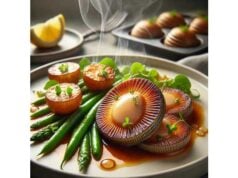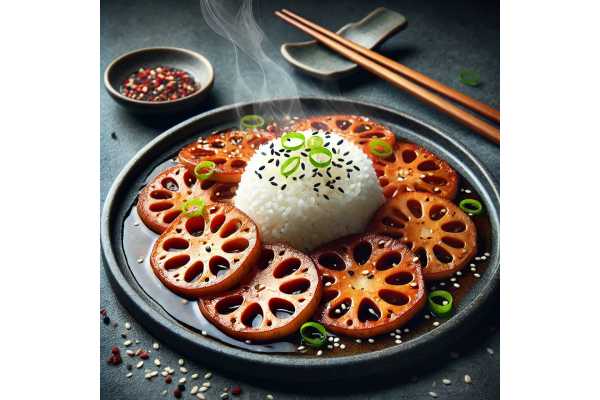
Lotus root is the crisp, patterned rhizome of the lotus plant—an aquatic vegetable prized across East and South Asia for its snap, mild sweetness, and versatility. Slice it into stir-fries and soups, simmer it until tender, or pickle it for a refreshing side. Beyond its culinary appeal, lotus root offers practical nutrition: it’s naturally low in fat, provides steady carbohydrates, and supplies fiber, potassium, and vitamin C. Its latticed structure holds sauces well and stays pleasantly crunchy when cooked briefly, making it an easy addition to weeknight meals. Traditional cooks often pair it with warming spices, vinegar, or fermented seasonings; modern kitchens grate it into fritters, roast it into chips, or braise thick rounds to soak up broths. If you’re looking for a produce aisle staple that does more than one job—comforting soup vegetable, crisp salad ingredient, or nutrient-dense side—lotus root earns a spot.
Nutrition Snapshot
- Good source of vitamin C (about 40–45 mg per 100 g) and potassium (about 450–560 mg per 100 g).
- Typical serving is 100–150 g cooked, 2–3 times per week as part of a varied diet.
- Shellfish-type allergies are unrelated, but anyone with known lotus or water-plant allergies should avoid.
- Choose cooking methods like steaming or quick stir-frying to retain vitamin C and texture.
- People on strict low-potassium diets should limit portions and seek individual guidance.
Table of Contents
- Lotus root at a glance
- Nutrition profile (per 100 g)
- Evidence-based health benefits
- Risks, allergies and interactions
- Selecting, quality, sustainability and storage
- Preparation, cooking and nutrient retention
- Portions, comparisons and FAQs
Lotus root at a glance
Lotus root is the edible rhizome of the sacred lotus (Nelumbo nucifera). It grows in ponds or flooded fields, sending up leaves and flowers while its underground stem extends in segmented tubes. Those tubes are harvested, trimmed, and sold fresh (muddy beige skin), vacuum-packed, frozen, or pickled. Cross-sections reveal a distinctive wheel-spoke pattern of air canals that give lotus root its signature look and unique texture.
Flavor and texture: raw lotus root is crisp and juicy, with a gentle, slightly sweet flavor somewhere between water chestnut and young potato. Quick cooking preserves crunch; longer simmering yields a tender bite that still holds shape. The neutral profile makes lotus root a “carrier” for aromatics—ginger, scallion, chilies, sesame oil—as well as acidic ingredients like rice vinegar and citrus, which brighten starchy dishes.
Culinary uses:
- Stir-fries: Thin slices seared briefly with aromatics stay crunchy.
- Soups and braises: Thicker rounds soften while absorbing broth; common with ribs, mushrooms, or miso.
- Pickles and salads: Blanched and dressed with vinegar, mustard seeds, or chili oil.
- Snacks: Baked or air-fried chips; grated into fritters with scallion and egg.
- Stuffed or stewed: In some regional cuisines, lotus root is filled with glutinous rice and simmered.
Seasonality and sourcing: Lotus root is grown widely in East Asia and increasingly available elsewhere. Fresh roots appear in cooler months but vacuum-packed or frozen options are steady year-round. Choose firm, heavy rhizomes with tight skin and no soft spots; the cut ends should look clean, not dark or slimy.
Nutrition summary: Lotus root is low in fat and provides steady carbohydrates, alongside fiber, potassium, and vitamin C. It also contains smaller amounts of B-vitamins, copper, manganese, and polyphenols. Because vitamin C is heat-sensitive, gentler cooking methods help preserve it.
Dietary fit: It’s naturally gluten-free, vegan, and low in saturated fat. Its fiber supports fullness without heaviness, and its neutral flavor adapts to low-sodium or heart-healthy cooking patterns. Those needing to manage potassium or carbohydrate intake can control portions and preparation to fit their plan.
Nutrition profile (per 100 g)
How to read this section: Values are for raw lotus root per 100 g. Percent Daily Value (%DV) uses general adult DVs (e.g., fiber 28 g/day, potassium 4,700 mg/day, vitamin C 90 mg/day, sodium 2,300 mg/day). Values vary by cultivar, soil, and handling; cooking changes some nutrients, particularly vitamin C.
Macros & Electrolytes (per 100 g)
| Nutrient | Amount | %DV |
|---|---|---|
| Energy | 60–74 kcal | — |
| Water | ~79–81 g | — |
| Carbohydrate | ~14–17.2 g | 5–6% |
| Dietary Fiber | ~4.0–4.9 g | 14–18% |
| Total Sugars | ~0.5–1.0 g | — |
| Protein | ~2.1–2.6 g | 4–5% |
| Total Fat | ~0.08–0.1 g | 0% |
| Sodium | ~32–40 mg | 1–2% |
| Potassium | ~450–560 mg | 10–12% |
Vitamins (per 100 g)
| Vitamin | Amount | %DV |
|---|---|---|
| Vitamin C (Ascorbic Acid) | ~40–45 mg | 44–50% |
| Vitamin B6 (Pyridoxine) | ~0.25 mg | 15% |
| Folate (DFE) | ~13–25 µg | 3–6% |
| Niacin (Vitamin B3) | ~0.3–0.5 mg | 2–3% |
| Thiamin (Vitamin B1) | ~0.1–0.16 mg | 8–13% |
| Vitamin K | trace–low | — |
| Vitamin A (RAE) | minimal | — |
Minerals (per 100 g)
| Mineral | Amount | %DV |
|---|---|---|
| Calcium | ~36–45 mg | 3–3% |
| Iron | ~0.9–1.2 mg | 5–7% |
| Magnesium | ~18–23 mg | 4–5% |
| Phosphorus | ~80–100 mg | 6–8% |
| Zinc | ~0.2–0.3 mg | 2–3% |
| Copper | ~0.20–0.26 mg | 22–29% |
| Manganese | ~0.2–0.3 mg | 9–13% |
| Selenium | ~0.6–1.0 µg | 1–2% |
Carbohydrates & starch quality
Lotus root’s carbs are mostly starch with modest natural sugars. Its fiber content (≈4–5 g per 100 g) contributes to slower digestion and a more gradual rise in blood glucose compared with many refined starches. Chilling cooked slices and reheating can increase resistant starch fraction slightly, which may further support glycemic moderation and gut health; the effect size depends on cooking and storage conditions.
Bioactives / phytonutrients
Lotus root provides phenolic compounds (including flavonoids and tannins) in small amounts. These vary widely across cultivars, seasons, and processing (e.g., browning reactions during cutting and exposure to air). While lotus root is not a concentrated “superfood,” its polyphenols add to overall dietary antioxidant intake.
Cooking impact (high-level)
- Steaming / microwaving: generally better vitamin C retention than boiling.
- Boiling: tends to leach vitamin C into water; reserve and use the cooking liquid in soups to recapture some nutrients.
- Deep-frying: increases fat and energy; may reduce certain polyphenols compared with steaming.
Footnote: Packaged, seasoned lotus-root snacks and pickles can include added sodium or sweeteners; check labels if you’re watching sodium or sugar.
Evidence-based health benefits
Supports immune defense and collagen formation
A 100 g portion of raw lotus root can provide roughly half the daily vitamin C goal for adults. Vitamin C contributes to normal immune function and facilitates collagen synthesis, which supports skin integrity, wound healing, and blood vessel health. Because vitamin C is water-soluble and heat-sensitive, quick cooking or using lotus root in soups (where cooking liquid is consumed) helps preserve functional amounts.
Helps meet potassium needs for blood pressure control
Each 100 g offers about 450–560 mg potassium. Adequate potassium intake helps counterbalance high sodium intake and supports normal blood pressure regulation. If you’re following heart-healthy or DASH-style patterns, lotus root fits well as a side or starch replacement, especially when cooked without excess salt.
Digestive support through fiber
Lotus root provides approximately 4–5 g fiber per 100 g—mostly insoluble, with some soluble fractions. Insoluble fiber adds bulk and helps promote regularity, while the soluble portion can support a healthy microbiome. When lotus root is cooked, cooled, and reheated (for example, blanched slices turned into a salad the next day), resistant starch may increase slightly, which can further aid colonic fermentation and short-chain fatty acid production.
Weight-management friendly
Low in fat and moderate in energy, lotus root is satiating due to water and fiber content. Replacing part of a higher-calorie starch (e.g., deep-fried sides) with steamed or stir-fried lotus root can reduce meal energy while maintaining texture contrast and plate satisfaction.
Culinary versatility improves vegetable variety
Diet quality benefits when people eat a broader range of vegetables. Lotus root’s neutral flavor and structural integrity make it an “on-ramp” for adding vegetables to mixed dishes—think fast stir-fries with tofu and greens, or brothy soups with beans and mushrooms—expanding overall plant diversity without overhauling favorite recipes.
Nutrient synergy in traditional pairings
Common pairings like lotus root with mushrooms, greens, or lean meats combine vitamin C-rich lotus with plant iron sources (greens) or mushroom vitamin D precursors, potentially improving non-heme iron absorption and adding micronutrient breadth to the meal.
What these benefits are not: Lotus root is not a cure or treatment for disease. Its advantages come from being a nutrient-dense vegetable that fits well into balanced patterns, not from high-dose bioactives.
Risks, allergies and interactions
Allergy and intolerance
Lotus root allergy is uncommon; documented reactions to lotus foods are rare compared with common allergens (e.g., peanut, soy, shellfish). Still, any individual can be sensitive to specific plant proteins. Signs include hives, itching, swelling, or gastrointestinal distress. Discontinue and seek care if symptoms occur. People with known allergies to lotus or related aquatic plants should avoid lotus root.
Microbial and parasitic safety
Because lotus grows in water and mud, raw consumption carries a higher risk of microbial contamination. In many cuisines, lotus root is cooked (stir-fried, braised, steamed, or blanched) rather than eaten raw. Wash thoroughly, peel, remove any bruised areas, and cook until heated through. If using raw in salads or pickles, blanch briefly (e.g., 1–2 minutes) and chill promptly.
Chemical contaminants
Aquatic vegetables can accumulate heavy metals depending on water quality and sediment—including cadmium, lead, mercury, or arsenic. Risks vary by region and farming practices. Buying from reputable suppliers, choosing growers with quality controls, and diversifying produce sources reduce exposure. Peeling, trimming discolored areas, and discarding heavily browned or damaged sections are sensible kitchen practices.
Nutrient considerations
- Potassium: Individuals with advanced kidney disease or those instructed to follow low-potassium diets should limit portions.
- Carbohydrates: For diabetes management, the modest fiber helps, but carbohydrate content still counts; portions and cooking method (favor steaming/stir-frying over deep-frying) matter.
- Sodium: Pickled or seasoned lotus products may be high in sodium; rinse before use or choose low-sodium options.
Medication and condition notes
- Diuretics / ACE inhibitors / ARBs: These can increase serum potassium; combine with high-potassium foods thoughtfully if you’re on such medications and have kidney impairment.
- Anticoagulants: Lotus root is not a concentrated vitamin K source; normal food portions are rarely an issue, but keep overall diet consistent if you’re on warfarin.
- Pregnancy: Lotus root prepared hygienically is fine as part of a balanced diet; avoid unwashed, raw, or unpasteurized preparations.
Signs of spoilage
Sliminess, sour or off smells, extensive darkening beyond normal mild browning after cutting, or soft spots indicate poor quality; discard.
Selecting, quality, sustainability and storage
Selecting fresh lotus root
- Look for: firm, heavy segments with smooth skin, intact nodes, and minimal blemishes.
- Avoid: spongy feel, deep cracks, or leaking fluid. Cut ends should look pale and moist, not dark or dehydrated.
- Color: light tan skin is normal; interior flesh should be creamy white. Mild browning after cutting is common and can be minimized with acidulated water (a splash of vinegar or lemon).
Forms available
- Fresh: best texture and flavor; often sold in whole or segmented rhizomes.
- Vacuum-packed / chilled: peeled and ready to slice, convenient for quick cooking.
- Frozen slices: excellent for soups and stews; thaw gently to reduce breakage.
- Pickled: shelf-stable or refrigerated; great for salads and bento-style plates.
Sustainability pointers
Lotus cultivation often uses shallow ponds or flood fields. When responsibly managed, lotus fields can provide habitat and erosion control; however, runoff and sediment quality matter. Favor producers with water-quality monitoring and good agricultural practices. Reducing food waste is the simplest sustainability win: choose appropriately sized segments, store well, and use trimmings in stock.
Storage
- Whole, unpeeled: wrap loosely and refrigerate (crisper drawer) for up to 5–7 days.
- Peeled / sliced (raw): submerge in cold water with a splash of vinegar and refrigerate; change water daily; use within 2–3 days.
- Cooked: cool quickly and refrigerate in a covered container for up to 3–4 days; freeze for longer storage (texture softens slightly on thawing).
- Pickled: follow label for shelf life; refrigerate after opening.
Quality troubleshooting
Surface browning after cutting comes from enzymatic oxidation. A brief soak in cold acidulated water limits discoloration. If slices turn dark gray, they may have reacted with iron cookware; use stainless steel for the cleanest color.
Preparation, cooking and nutrient retention
Basic prep (5 steps)
- Scrub and rinse the rhizome to remove mud.
- Peel with a vegetable peeler to remove the thin skin.
- Trim ends and any bruised spots; inspect the holes for trapped sediment and rinse if needed.
- Slice to desired thickness: 2–3 mm for stir-fries and chips; 5–10 mm for braises or soups; matchsticks for salads.
- To prevent browning, drop slices into cold water with a splash of vinegar or lemon until you cook.
Cooking methods and when to use them
- Stir-frying (2–4 minutes): Preserves crunch and most vitamin C compared with boiling. Add aromatics first; finish with a splash of broth or vinegar.
- Steaming (5–10 minutes): Gentle and even, ideal when you want tender-crisp texture without leaching nutrients.
- Blanching (1–2 minutes): Best for salads or quick pickles; shock in cold water to set texture and color.
- Simmering/braising (15–30 minutes): Produces tender slices that soak up flavors; use in broths or stews so nutrients leached into liquid are consumed.
- Baking/air-frying (15–20 minutes at moderate heat): For chips; brush lightly with oil and season after cooking.
- Deep-frying: Crisp but raises fat and energy; reserve for treats.
Tips for nutrient retention
- Cut just before cooking; minimize time exposed to air.
- Favor steaming, microwaving, or fast stir-frying to retain vitamin C.
- If boiling, use minimal water and repurpose the cooking liquid in soups.
- Avoid overcooking; stop when slices are just tender with some snap.
Flavor builders
- Aromatics: ginger, garlic, scallions, star anise.
- Acids: rice vinegar, citrus, black vinegar.
- Heat: chilies, Sichuan pepper.
- Umami: miso, soy sauce, mushroom powder, kombu broth.
- Fresh finishes: toasted sesame oil, cilantro, or lime.
Three quick serving ideas
- Sesame-ginger stir-fry: thin slices + snap peas + tofu; finish with sesame oil and rice vinegar.
- Brothy comfort: thick rounds simmered with mushrooms and greens in miso-ginger broth.
- Crisp salad: blanched slices tossed with chili oil, black vinegar, and roasted peanuts.
Portions, comparisons and FAQs
Smart portions
- Everyday serving: 100–150 g cooked (about ¾–1½ cups of slices).
- As a starch side: pair with high-fiber greens and lean protein.
- For snacks: bake or air-fry lightly oiled slices; keep sodium in check.
How lotus root compares to similar foods (per 100 g, raw)
- Lotus root: ~60–74 kcal; ~14–17 g carbs; ~4–5 g fiber; ~40–45 mg vitamin C; ~450–560 mg potassium.
- Potato: ~77 kcal; ~17 g carbs; ~2.2 g fiber; ~20 mg vitamin C; ~425 mg potassium.
- Burdock root (gobo): ~72 kcal; ~17 g carbs; ~3.3 g fiber; low vitamin C; ~308 mg potassium.
- Water chestnut: ~97 kcal; ~24 g carbs; ~3 g fiber; low vitamin C; ~584 mg potassium.
Frequently asked questions
Can I eat lotus root raw?
It’s occasionally served raw in salads after careful cleaning and slicing, but brief blanching is safer and improves color. In most traditions, lotus root is cooked.
Is lotus root low-carb?
No. It’s a moderate-carbohydrate vegetable similar to potatoes or burdock. Portion control and pairing with protein and non-starchy vegetables support glycemic goals.
Does lotus root have a low glycemic impact?
Its fiber and structure may moderate blood glucose compared with refined starches, but the overall glycemic effect depends on cooking method, portion, and the meal context.
Are the holes edible?
Yes—the holes are natural air canals in the rhizome and are completely edible. Rinse them if sediment is visible.
What about pickled lotus root—healthy or not?
Pickled lotus root can be a balanced side if sodium is moderate. Rinse gently or choose low-sodium styles if needed.
How do I stop browning after slicing?
Use acidulated water (cold water plus vinegar or lemon juice), keep slices submerged, and cook promptly.
References
- Nutrition Facts for Raw Lotus Root 2025.
- Effect of different cooking methods on the content of vitamins and true retention in selected vegetables 2017 (Systematic methods study).
- A review on extraction, composition, structure, and function of bioactive compounds from Nelumbo nucifera 2023 (Systematic Review).
- Health Risk Assessment of Potentially Toxic Element Uptake by Lotus (Nelumbo nucifera) Cultivated in Floating Lake Gardens 2025.
- Effect of Cooking Method on Vitamin C Loses and Antioxidant Activity of Indigenous Green Leafy Vegetables Consumed in Western Uganda 2022.
Disclaimer
The information in this article is for educational purposes and general nutrition guidance. It is not a substitute for personalized medical advice, diagnosis, or treatment. Always talk with a qualified healthcare professional about your individual needs, especially if you have chronic health conditions, take prescription medications, are pregnant or breastfeeding, or have been advised to restrict potassium or specific foods. If you suspect a food allergy or experience adverse symptoms, seek medical care promptly.
If you found this guide useful, consider sharing it with friends or on your preferred platforms like Facebook or X. Your support helps us continue creating clear, trustworthy nutrition content.