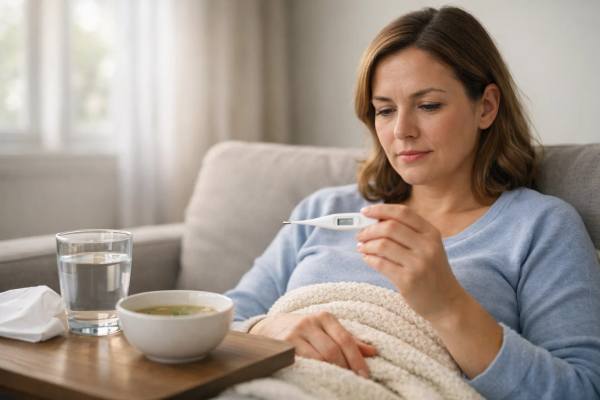
A low-grade fever can feel deceptively simple: a mildly elevated number on a thermometer, a bit of fatigue, and the nagging question of whether you should treat it or just watch and wait. In most cases, a “slight fever” is part of the body’s normal response to infection or inflammation, especially during common viral illnesses. The tricky part is that temperature is not one fixed value—your baseline, the time of day, and the type of thermometer all influence what you see. That is why one person’s “fever” is another person’s normal afternoon rise. This guide breaks down what counts as low-grade fever, how to measure temperature correctly, the most likely causes in adults and children, and the warning signs that deserve medical attention. The goal is clarity: fewer guesses, better decisions, and less anxiety around the number.
Essential Insights
- A low-grade fever is often a short-lived immune response, but trends and symptoms matter more than a single reading.
- Measurement method can shift results by about 0.3°C to 0.6°C (0.5°F to 1.0°F), so consistency is key.
- Treat for comfort, not to “chase” a normal number—overmedicating is a common avoidable risk.
- Seek care sooner for infants, pregnancy, immune suppression, or fever with breathing trouble, confusion, severe headache, or dehydration.
- Track temperature the same way twice daily for 48–72 hours if you are unsure, and note symptoms and any fever-reducing medicines.
Table of Contents
- What counts as low-grade fever
- How to measure temperature well
- Common causes in adults
- Common causes in children
- When to treat and home care
- When to worry and get checked
- What a clinician may do
What counts as low-grade fever
“Low-grade fever” is a useful phrase, but it is not a single, universal cutoff. Clinically, many clinicians use 38.0°C (100.4°F) as a practical definition of fever for oral measurements in older children and adults. “Low-grade” usually means you are hovering above your normal baseline but not reaching the ranges more strongly linked with serious bacterial infection or severe illness.
A common everyday range people call “low-grade” is roughly 37.5°C to 38.0°C (99.5°F to 100.4°F). Some use a slightly wider band (for example, up to about 38.3°C or 101°F), especially when the measurement is rectal or when symptoms clearly fit an infection. The nuance is that the measurement site changes the number:
- Rectal temperatures tend to run higher than oral.
- Armpit (axillary) readings tend to run lower and are more affected by technique.
- Ear (tympanic) and forehead (temporal) readings can be accurate, but technique and device quality matter.
It also helps to remember that body temperature naturally fluctuates. Many people run cooler in the morning and warmer late afternoon and evening. Hydration status, sleep, stress, recent exercise, a hot shower, heavy blankets, and a warm room can all bump readings upward without indicating illness. That is one reason a single reading is less informative than a pattern.
A practical way to think about it:
- A “true fever” is usually a repeatable elevation using the same method, with symptoms that make sense (chills, body aches, sore throat, cough, malaise).
- A “low-grade fever” is often mild, short, and self-limited, especially when tied to a viral illness.
- Your baseline matters: if you typically run 36.3°C (97.3°F), a stable 37.6°C (99.7°F) may feel significant. If you usually run 37.0°C (98.6°F), the same reading may be less meaningful.
If you are uncertain whether a mild elevation “counts,” focus on the combination of (1) repeat readings, (2) symptoms, and (3) risk factors (age, pregnancy, immune suppression, major chronic disease). That combination guides what to do next more reliably than the label “low-grade.”
How to measure temperature well
When people worry about a low-grade fever, the most common hidden culprit is not the immune system—it is measurement noise. A small shift in technique can change the reading enough to flip “normal” into “low-grade.” If you want a number you can trust, aim for consistency more than perfection.
Pick one method and stick with it for a few days. Switching between forehead, ear, and oral readings can make normal variation look like a rising fever. If you are monitoring an illness, use the same thermometer, the same site, and (if possible) the same times of day.
Here are practical tips by method:
- Oral (mouth): Avoid hot or cold drinks, smoking, vaping, chewing gum, or brushing teeth for 15–30 minutes first. Place the tip under the tongue and keep lips closed. Oral readings can run lower if you are breathing through your mouth due to congestion.
- Rectal: Often the most consistent for infants and young children, but it is not necessary for most older children and adults. Use gentle technique and a thermometer designed for rectal use.
- Armpit (axillary): Convenient but least precise. Make sure the armpit is dry, the tip is centered high in the armpit, and the arm is held snugly against the body for the full reading time.
- Ear (tympanic): Pull the ear gently (back and up for older children and adults; back and down for infants) to straighten the canal, and aim toward the eardrum. Earwax and poor positioning can lower accuracy.
- Forehead (temporal): Follow the device instructions closely. Sweat, makeup, a cold room, or a hot car ride can distort results.
Think about timing. A fever-reducing medicine can lower temperature for several hours and make it look like the fever “broke” when the illness is still active. If you are tracking trends, note the time of any acetaminophen or ibuprofen dose. Also note that a reading right after exercise, a hot bath, or heavy bundling can be misleading—rest quietly for 15–20 minutes and recheck.
Use a simple temperature log for 48–72 hours when you are unsure. Twice daily is often enough: morning and evening. Record:
- Temperature and method (oral, ear, forehead)
- Symptoms (cough, sore throat, nasal congestion, muscle aches)
- Hydration and appetite
- Any fever reducers and the time taken
This log is useful because it captures what clinicians look for: trajectory (rising, falling, stable) and context (symptoms and risk). Low-grade fever paired with improving symptoms is usually reassuring. Low-grade fever that steadily rises, persists, or comes with new red flags deserves more attention.
Common causes in adults
In adults, the most common reason for a low-grade fever is a viral infection, especially early in the course or during recovery. Many respiratory viruses cause a mild temperature rise along with fatigue, sore throat, cough, congestion, and body aches. A low-grade fever can also appear as the immune system clears the infection, even when the worst symptoms are fading.
Common adult causes include:
- Common viral respiratory infections: Often mild fever or none at all, but some people run warmer for a few days.
- Influenza-like illnesses: Can start with higher fever, but some cases remain in the low-grade range, especially in older adults.
- Sinus inflammation or infection: Congestion and facial pressure can be viral at first; fever is not always present.
- Bronchitis: Usually viral; fever may be mild. Persistent cough is often the headline symptom.
- Pneumonia: Can present with low-grade fever plus cough, shortness of breath, chest discomfort, and fatigue—particularly in older adults.
Beyond respiratory illness, several non-respiratory causes are common enough to keep in mind:
- Urinary tract infection (UTI): Sometimes low-grade fever with urinary frequency, burning, urgency, or back pain.
- Gastrointestinal viruses: Low-grade fever with nausea, vomiting, or diarrhea.
- Inflammation and autoimmune flares: Some inflammatory conditions cause low-grade temperature elevations, especially with joint pain, rash, or profound fatigue.
- Medication effects: Certain medicines can cause fever as a side effect or allergic reaction. A new medication plus fever and rash is a reason to seek care promptly.
- After vaccines: A mild fever for 24–48 hours can occur as an immune response.
- Hormonal and physiologic shifts: Menstrual cycle changes can slightly raise temperature; this is not the same as fever but can confuse the picture.
A useful “pattern check” is to ask: Does the temperature match the story? A mild fever with sore throat, congestion, and fatigue in a household where others are sick usually fits a viral pattern. A mild fever with no obvious symptoms can still be benign—especially if you are under-slept or stressed—but persistent unexplained fever deserves a closer look.
Finally, duration matters. Many viral illnesses improve within 3–7 days, though cough and fatigue can last longer. A low-grade fever that persists beyond 7–10 days, returns after you were improving, or is paired with worsening respiratory symptoms (shortness of breath, chest pain, new confusion) should prompt medical evaluation.
Common causes in children
Children get fevers more often than adults because their immune systems are learning and reacting to frequent exposures. In kids, a low-grade fever can appear early in an illness, at night when temperature naturally rises, or during recovery. Most of the time, the cause is still viral.
Common childhood causes include:
- Viral upper respiratory infections: Runny nose, cough, sore throat, hoarseness, and mild fever are typical.
- Croup and other viral airway illnesses: Barky cough or noisy breathing may occur, sometimes with low-grade fever.
- Ear infections: Fever may be mild or absent; ear pain, tugging, or irritability can be clues.
- Stomach viruses: Low-grade fever plus vomiting or diarrhea is common.
- Strep throat: Fever may be higher, but some children present with a lower fever plus sore throat, headache, and belly pain.
- Urinary tract infection: In younger children, fever may be the main sign. Pain with urination is not always reported clearly.
- After immunizations: Mild fever and fussiness can happen for a short period.
A key point for parents and caregivers is that how the child looks and behaves often matters more than the exact number. A child with a mild fever who is drinking, urinating regularly, breathing comfortably, and perking up between naps is usually at lower risk than a child with a lower number who is lethargic, dehydrated, or struggling to breathe.
That said, age changes the risk calculus. Younger infants have fewer obvious symptoms when ill, and clinicians take fever more seriously:
- Infants under 3 months: A temperature at or above 38.0°C (100.4°F) is typically treated as urgent, even if the baby looks fairly well.
- Infants 3–6 months: Fever still warrants closer attention, especially if feeding drops, diapers decrease, or behavior changes significantly.
There are also a few “myth traps” worth addressing gently:
- Teething can raise discomfort and cause drooling, but it is less likely to cause a true fever by itself. If a child has a clear fever, look for other causes.
- Over-bundling can warm a child and raise a skin or forehead reading. If your child feels hot, remove extra layers, wait 15–20 minutes, and recheck.
When in doubt, track the trend and symptoms for a short window. If the fever is low-grade but persistent, or if symptoms point to a specific problem (ear pain, painful urination, severe sore throat, wheezing), it is reasonable to contact a clinician for guidance.
When to treat and home care
A low-grade fever does not automatically need to be “brought down.” Fever is one tool the immune system uses, and the safest goal at home is usually comfort and hydration, not chasing a perfect number. For many people, rest and fluids are enough.
When it makes sense to treat:
- The fever is causing discomfort (headache, body aches, chills).
- Sleep is disrupted.
- A child is clearly miserable, not drinking, or cannot settle.
- You need symptom relief to maintain hydration or rest.
When you can often skip fever reducers:
- You feel okay and are functioning.
- The fever is mild and you are improving.
- You are using temperature primarily as a monitoring tool and want to avoid masking trends.
If you do use fever reducers, use them thoughtfully:
- Avoid doubling up accidentally. Many cold and flu combination products contain acetaminophen. Taking a separate acetaminophen product on top is a common cause of unintentional overdose.
- Do not alternate medications routinely unless a clinician specifically advises it. Alternating can increase dosing errors, especially for children.
- Children should not receive aspirin for viral illnesses due to the risk of a rare but serious complication.
- Certain health conditions change what is safest: liver disease, heavy alcohol use, stomach ulcers, kidney disease, blood-thinners, and asthma can affect medication choice. When unsure, ask a pharmacist or clinician.
Home care that often helps more than medication:
- Hydration: Water, broths, oral rehydration solutions, and warm tea can help. In children, small frequent sips are often better than large cups.
- Light clothing and a comfortable room temperature: Avoid heavy bundling. Use a light blanket if chills are present.
- Sleep and reduced exertion: Pushing hard through an illness can prolong symptoms.
- Nasal comfort measures: Saline sprays, humidified air, and gentle steam can reduce mouth-breathing and improve oral temperature accuracy as well as comfort.
- Food: Appetite may drop. Focus on fluids and simple foods; forcing meals is rarely necessary.
A practical “48-hour plan” for a low-grade fever without red flags:
- Measure temperature consistently (same method) morning and evening.
- Treat symptoms only if they interfere with hydration or rest.
- Watch for direction: improving, stable, or worsening.
- Seek care sooner if new warning symptoms appear.
This approach avoids unnecessary medication while still keeping you attentive to changes that matter.
When to worry and get checked
Most low-grade fevers are not dangerous, but some situations deserve a lower threshold for medical advice. The safest rule is: the number is only one signal. Concerning symptoms, high-risk health contexts, and persistent fever patterns are the reasons to escalate.
Seek urgent care immediately (or emergency services) for fever with any of the following:
- Trouble breathing, blue lips, or severe wheezing
- Chest pain, fainting, or severe weakness
- Confusion, new severe drowsiness, or difficulty staying awake
- Stiff neck, severe headache unlike your usual, or light sensitivity
- A widespread purple or non-blanching rash
- Seizure
- Signs of dehydration: very dry mouth, dizziness, minimal urination, no tears in a crying child, or persistent vomiting
- Severe pain (especially one-sided facial pain with swelling, severe ear pain, or intense abdominal pain)
Contact a clinician promptly (same day or within 24 hours) if:
- An infant under 3 months has a temperature at or above 38.0°C (100.4°F) by a reliable method.
- A child is younger than 6 months and looks unwell, feeds poorly, or has fewer wet diapers.
- You are pregnant, immunocompromised, or receiving chemotherapy or immune-modulating drugs.
- You have a serious chronic condition (advanced heart, lung, kidney disease) and symptoms are worsening.
- Fever follows a new medication and you also develop rash, swelling, or breathing symptoms.
- Fever comes with persistent cough, shortness of breath, or chest discomfort, especially if it is getting worse rather than better.
Persistent patterns that merit evaluation:
- Low-grade fever that lasts more than 7–10 days without a clear improving illness pattern.
- Fever that disappears and then returns after you were improving, particularly with new symptoms.
- Recurrent low-grade fever episodes over several weeks, especially with night sweats, unintentional weight loss, swollen glands, or profound fatigue.
A helpful way to decide is to combine three questions:
- How high is it and how reliable is the measurement?
- How does the person look and function?
- How long has it lasted and what is the trend?
Low-grade fever with steady improvement is usually reassuring. Low-grade fever with worsening function, new red flags, or persistent unexplained duration deserves medical attention—even if the number never looks dramatic.
What a clinician may do
When you see a clinician for low-grade fever, the visit is usually less about the thermometer and more about pattern recognition: Is this consistent with a self-limited infection, or is there a signal of something that needs testing or treatment? Your observations—especially a brief temperature and symptom log—can speed up the process.
A clinician will typically start with targeted questions:
- When did symptoms begin, and what came first (sore throat, cough, fatigue, fever)?
- Has the fever been continuous, intermittent, or only at night?
- Any exposures: sick contacts, travel, new pets, mold, workplace outbreaks?
- Any new medicines or supplements?
- Any risk factors: immune suppression, pregnancy, chronic lung disease, recent surgery?
Then comes a focused exam, often emphasizing:
- Throat, ears, sinuses, and lungs
- Hydration status and heart rate
- Abdominal and urinary tenderness if symptoms suggest it
- Skin for rash or signs of allergic reaction
Testing is not always necessary. If your symptoms and exam fit a typical viral pattern and you are otherwise stable, a clinician may recommend supportive care and “watchful waiting” with clear return precautions. That is often good medicine: unnecessary antibiotics and broad testing can create harm through side effects, false positives, and missed rest.
When testing is appropriate, it is usually targeted:
- Respiratory testing when symptoms strongly suggest a specific viral illness and results would change isolation decisions, treatment options, or risk assessment.
- Urine testing when urinary symptoms are present, or in children where fever may be the main sign.
- Chest imaging if there are signs of pneumonia (worsening cough, shortness of breath, abnormal lung exam).
- Blood work when fever is persistent, unexplained, or paired with red flags like severe fatigue, weight loss, or abnormal vital signs.
For persistent unexplained fever, clinicians may broaden the approach. They will often confirm that fever is truly present (reliable measurement method) and then look for inflammatory markers, infection signals, or clues from history. This is also where your tracking matters: consistent method, consistent times, and notes on fever reducers can help distinguish real persistence from noisy readings.
If you leave the visit with one key takeaway, let it be this: the safest decisions come from the combination of severity, trajectory, and risk context—not from a single number taken one time with an inconsistent method.
References
- Evaluation and Management of Well-Appearing Febrile Infants 8 to 60 Days Old – PubMed 2021 (Guideline)
- Fever therapy in febrile adults: systematic review with meta-analyses and trial sequential analyses – PubMed 2022 (Systematic Review)
- Recommendations for Updating Fever and Inflammation of Unknown Origin From a Modified Delphi Consensus Panel – PMC 2024 (Consensus Guidance)
- Febrile illness – Emergency management in children | Children’s Health Queensland 2024 (Guideline)
- Normal Body Temperature: A Systematic Review – PubMed 2019 (Systematic Review)
Disclaimer
This article is for general educational purposes and is not a substitute for personalized medical advice, diagnosis, or treatment. Temperature thresholds and recommended actions vary by age, medical history, pregnancy status, immune status, and measurement method. Seek urgent medical care for severe or rapidly worsening symptoms (such as trouble breathing, confusion, chest pain, seizure, severe dehydration, or a purple rash), and contact a qualified clinician for guidance if you are concerned about an infant, pregnancy, immune suppression, or a fever that persists or returns.
If you found this guide helpful, consider sharing it on Facebook, X (formerly Twitter), or any platform you prefer so others can make calmer, better-informed decisions about low-grade fever.