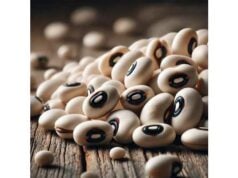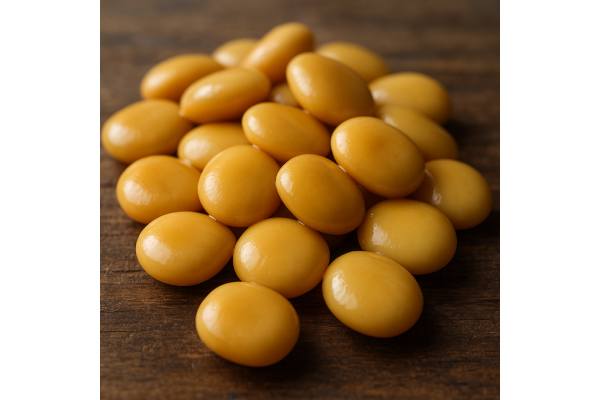
Lupini beans—also called lupin or lupine beans—are a Mediterranean and Latin American favorite with an unusually high protein-to-calorie ratio, a pleasantly firm bite, and a faintly nutty flavor. Sold either as dried seeds (for home cooking) or as ready-to-eat beans preserved in brine, they are popular as a snack, tossed into salads, or blended into spreads. Compared with many other legumes, lupini beans are naturally low in digestible carbohydrates and provide meaningful fiber, potassium, magnesium, and folate alongside complete-meal levels of plant protein. They also carry a unique safety note: certain lupin varieties contain bitter alkaloids that must be removed through soaking and repeated rinsing. Commercial products are pre-processed and safe; home cooks simply need to follow debittering and cooking directions closely. If you or someone you cook for has a peanut or other legume allergy, check labels carefully because lupin is a recognized allergen in many regions. This guide explains what makes lupini beans distinctive, how to prepare them safely, how their nutrition compares per 100 g, and practical ways to use them—from mezze plates to high-protein bowls.
Essential Insights
- Roughly 15 g protein and 3–4 g fiber per 100 g cooked help with satiety and steady energy.
- Safety note: only eat properly cooked, fully debittered lupini; bitter alkaloids must be removed.
- Typical serving: ½ cup cooked (≈100 g) or 40–50 g drained brined beans, enjoyed 3–5 times weekly.
- Limit or avoid if you have a known lupin or peanut allergy, or if you need a strict low-sodium diet (rinsing brined beans helps).
Table of Contents
- Lupini Beans: Detailed Overview
- Lupini Beans Nutrition Profile
- Evidence-Based Health Benefits
- Risks, Allergies and Interactions
- Selecting, Quality, Sustainability and Storage
- Preparation, Cooking and Nutrient Retention
- Portions, Comparisons and FAQs
Lupini Beans: Detailed Overview
Lupini beans are the edible seeds of lupin plants (genus Lupinus), a hardy legume long cultivated around the Mediterranean basin and in the Andes. You’ll encounter two broad categories in food:
- Sweet lupins (low-alkaloid cultivars): bred for palatability and now widely used in packaged snacks, jarred brined beans, and lupin flour.
- Bitter lupins (traditional high-alkaloid types): require multi-day debittering (soaking and frequent water changes) before cooking; once processed correctly, they are safe and prized for their firm texture.
Culinarily, lupini beans behave a bit like al dente chickpeas with a gently nutty, savory flavor. They’re common in antipasti bowls and mezze platters, tossed with olive oil, lemon, and herbs, or quickly marinated with garlic and chili. Their firm skins give a satisfying “pop” when bitten, making them ideal for snacks and salads where softer beans might break down. Lupin flour—milled from the dehulled kernel—is increasingly used to enrich gluten-free baking and to bolster protein in pancakes, breads, and pastas.
Nutritionally, lupini beans stand out for very high protein and modest digestible carbohydrate after soaking and cooking. They also supply potassium, magnesium, iron, zinc, copper, and folate with little saturated fat. This combination supports appetite control, muscle maintenance in plant-forward diets, and cardiometabolic goals. Their low glycemic impact is attractive in meals that aim for stable post-prandial glucose, especially when lupini replace refined starches.
From a sustainability lens, lupins are nitrogen-fixing, drought-tolerant plants that enrich soils and can thrive in marginal conditions. They offer a favorable nutrient-per-euro (or dollar) profile and a lower greenhouse gas footprint than most animal proteins.
Two practical caveats set lupini apart: first, alkaloid removal is essential when starting from bitter seeds; second, allergy is increasingly recognized, with documented cross-reactivity in some people with peanut allergy. Both issues are manageable with awareness and label literacy. If you buy commercial brined lupini, the beans are already processed for safety; simply rinse to reduce salt and enjoy.
Lupini Beans Nutrition Profile
All values below refer to cooked lupini beans, boiled and drained, without salt, per 100 g (≈½ cup). Ready-to-eat brined lupini often contain significantly more sodium; a brief rinse can lower it.
Macros & Electrolytes (per 100 g cooked)
| Nutrient | Amount | %DV | Notes |
|---|---|---|---|
| Energy | ~119 kcal | — | High protein, modest digestible carbs |
| Protein | ~15.6 g | 31% | Lysine-rich; pair with grains for methionine |
| Total carbohydrate | ~9.9 g | 4% | Much of it is fiber/resistant starch |
| Dietary fiber | ~3.5–4.0 g | 12–14% | Supports satiety and gut health |
| Total sugars | ~1.0–1.5 g | — | Naturally low |
| Total fat | ~2.0–2.5 g | 3% | Mostly unsaturated |
| Saturated fat | ~0.3 g | 2% | Low |
| Sodium | ~5–10 mg | 0% | Brined products may exceed 300–500 mg |
| Potassium | ~350–420 mg | 7–9% | Favors a good K:Na ratio |
| Water | ~70 g | — | Contributes to fullness |
Carbohydrates
| Component | Amount | Practical note |
|---|---|---|
| Starch (incl. resistant) | ~5–7 g | Slow digestibility vs. refined grains |
| Fiber | ~3.5–4.0 g | Fermentable fractions feed gut microbes |
| Net carbs | ~6 g | Carbs minus fiber |
Fats & Fatty Acids
| Component | Amount | Notes |
|---|---|---|
| Monounsaturated fat | ~0.7–0.9 g | Heart-friendly |
| Polyunsaturated fat | ~0.7–0.9 g | Small ALA (omega-3) fraction |
| Trans fat | 0 g | Not present naturally |
Protein & Amino Acids (highlights)
| Item | Amount/100 g | Context |
|---|---|---|
| Protein | ~15.6 g | Higher than most cooked beans |
| Lysine | high | Complements grain proteins |
| Methionine | lower | Balance across the day with grains/nuts/seeds |
Vitamins (per 100 g cooked)
| Vitamin | Amount | %DV |
|---|---|---|
| Folate (DFE) | ~50–80 µg | 13–20% |
| Thiamin (B1) | ~0.10–0.20 mg | 8–17% |
| Vitamin B6 | ~0.10–0.20 mg | 6–12% |
| Niacin (B3) | ~1.0–1.5 mg | 6–9% |
| Vitamin E | ~0.2–0.4 mg | 1–3% |
| Vitamin K | ~2–4 µg | 2–3% |
| Vitamins A, D, B12 | ~0 | 0% |
Minerals (per 100 g cooked)
| Mineral | Amount | %DV |
|---|---|---|
| Iron | ~2.0–2.5 mg | 11–14% |
| Magnesium | ~45–55 mg | 11–13% |
| Phosphorus | ~110–140 mg | 9–11% |
| Zinc | ~1.0–1.2 mg | 9–11% |
| Copper | ~0.20–0.25 mg | 22–28% |
| Manganese | ~0.4–0.6 mg | 17–26% |
| Calcium | ~30–45 mg | 2–3% |
| Selenium | ~2–4 µg | 4–7% |
Allergens & Intolerance Markers
- Lupin is a priority allergen in several regions; cross-reactivity with peanut can occur in some individuals.
- FODMAP content is moderate; long soaking, proper cooking, and gradual introduction improve tolerance.
Anti-nutrients & Processing
- Quinolizidine alkaloids (e.g., lupanine) are naturally present in bitter varieties and are removed by soaking and repeated rinsing.
- Phytates and trypsin inhibitors decrease substantially with soaking, debittering, and cooking.
Glycemic & Acid–Base Metrics
- Low glycemic tendency due to high protein and fiber.
- Slightly base-forming relative to meats and many grains.
Footnote: Brined lupini beans are ready-to-eat but can be salty. Rinse under running water for 10–20 seconds to reduce sodium while preserving minerals and fiber.
Evidence-Based Health Benefits
1) High-protein plant option with strong satiety
Few cooked legumes reach lupini beans’ protein density—about 15 g per 100 g, with a firm texture that slows eating. Protein and fiber together activate fullness signals in the gut, often reducing subsequent calorie intake without deliberate restriction. In everyday meals, swapping part of a refined starch or high-fat entrée for a lupini-based dish typically lowers energy density while preserving satisfaction.
2) Support for healthy blood sugar patterns
Lupini beans provide slowly digestible carbohydrates, resistant starch, and fiber, which collectively flatten post-meal glucose curves. Trials evaluating pulses as a category (beans, lentils, peas) consistently show improved postprandial glycemia when pulses replace higher-GI foods. Lupini’s higher protein content may accentuate this effect by modestly slowing gastric emptying and stimulating insulin-independent satiety pathways. For practical use, mix drained brined lupini into grain bowls to reduce the portion of rice or pasta while raising protein and fiber.
3) Lipid management within heart-smart patterns
Regular pulse intake is linked to modest LDL cholesterol reductions over weeks, especially when beans displace foods rich in saturated fat. Mechanisms include increased bile acid excretion from soluble fiber, favorable shifts in microbial metabolites, and net diet quality improvements. Lupini beans fit especially well in Mediterranean-style patterns: olive oil, vegetables, whole grains, nuts, and pulses harmonize to improve triglyceride and LDL profiles over time.
4) Minerals that favor blood pressure and energy metabolism
A 100 g portion supplies meaningful potassium and magnesium, both helpful for vascular tone and nerve–muscle function, plus iron and copper involved in oxygen transport and antioxidant enzymes. Because lupini beans are naturally low in sodium when cooked from dry, they contribute to a favorable potassium-to-sodium ratio; when using brined beans, a quick rinse trims excess sodium while retaining minerals.
5) Gut microbiome support
Lupini fiber and resistant starch reach the colon where microbes ferment them into short-chain fatty acids (SCFAs) like butyrate. SCFAs nourish colon cells, reinforce tight junctions that maintain the gut barrier, and signal satiety at the brain–gut axis. Introduce lupini gradually if you’re sensitive to fiber or raffinose-family oligosaccharides; many people find that digestive comfort improves within 2–4 weeks of consistent, moderate intake.
6) Weight maintenance and body composition
Higher-protein, high-fiber foods help maintain lean mass during weight loss and can reduce hunger between meals. Lupini beans make it easier to assemble protein-forward plant plates—for example, a lemon-herb lupini salad with chopped vegetables and toasted seeds—which can replace ultra-processed snacks.
7) Sustainability and affordability advantages
Lupins are nitrogen-fixing and drought-tolerant. Choosing lupini a few times per week replaces some more resource-intensive proteins, lowers diet-related emissions, and delivers strong nutrient value per euro or dollar.
Ways to apply the evidence this week
- Replace half the pasta in a salad with rinsed brined lupini to double protein and cut refined starch.
- Build a Mediterranean bowl: tomatoes, cucumbers, olives, herbs, olive oil, lemon, and lupini over bulgur.
- Blend lupini–garlic–lemon spread to use on toast, wraps, or as a veggie dip.
- Add warm, sautéed lupini to roasted vegetables for a satisfying plant-protein side.
Risks, Allergies and Interactions
Alkaloids and proper processing
Bitter lupin varieties contain quinolizidine alkaloids that taste intensely bitter and can cause GI upset or worse if not removed. Commercial producers use validated soaking and rinsing cycles to meet safety thresholds. Home cooks should either (a) purchase sweet lupin seeds or (b) follow a reliable debittering protocol: soak in abundant water, change the water several times daily until bitterness is gone, then boil in fresh water until fully tender. Never eat raw or partially processed lupini beans.
Allergy and cross-reactivity
Lupin is a recognized priority allergen in several jurisdictions. Cross-reactivity has been documented in some people with peanut allergy due to shared or similar proteins. Symptoms may include oral pruritus, hives, wheezing, vomiting, or, rarely, anaphylaxis. Individuals with known peanut or legume allergies should seek allergist guidance before introducing lupin products and read labels carefully, especially for lupin flour in baked goods.
Digestive tolerance (FODMAPs and fiber)
Lupini beans contain fermentable oligosaccharides that can cause gas or bloating for some. To improve comfort:
- Soak dried beans thoroughly and discard soaking water.
- Rinse brined beans briefly before eating.
- Start with ¼–½ cup portions and increase gradually over 2–4 weeks.
- Combine with herbs/spices (fennel, cumin, bay) that many cooks find helpful.
Sodium management
Jarred or canned lupini are often packed in brine and can contain substantial sodium. Rinse under running water for 10–20 seconds to reduce sodium. If you’re on a salt-restricted plan, choose low-sodium products or cook from dry.
Kidney conditions and minerals
Lupini deliver potassium and phosphorus. People with chronic kidney disease or those on mineral-restricted diets should personalize portions with a renal dietitian.
Medication considerations
- Warfarin/anticoagulants: Vitamin K in lupini is low; consistency across the whole diet is more important than avoiding this bean.
- Iron status: As a source of non-heme iron, lupini pair well with vitamin C-rich foods to enhance absorption.
- Fiber–drug timing: If advised, separate certain medications from high-fiber meals by a couple of hours to avoid absorption issues.
Food safety basics
Refrigerate cooked beans within 2 hours, store 3–4 days chilled, and reheat thoroughly. Freeze for up to 3 months in meal-sized portions.
Selecting, Quality, Sustainability and Storage
Forms you’ll find
- Brined, ready-to-eat lupini (jars, cans, pouches): Pre-processed and safe; excellent for quick snacks and salads. Check sodium and rinse before serving.
- Dried sweet lupin seeds: Lower in bitter alkaloids; soak and cook like other beans.
- Dried bitter lupin seeds: Traditional but require multi-day debittering; use only if you can follow a trusted method.
- Lupin flour or flakes: High-protein, low-carb ingredient for gluten-free baking and battering; strong allergen labeling applies.
How to choose quality
- Appearance: Uniform size and color; intact skins; no signs of mold or moisture in packaging.
- Label check: Look for “sweet lupin” or ready-to-eat beans. Confirm lupin in the allergen statement if buying mixed snacks or baked goods.
- Sodium awareness: Prefer “low-sodium” or “no added salt” when available; otherwise plan to rinse.
Sustainability snapshot
- Nitrogen fixation: Improves soil fertility and reduces synthetic fertilizer needs.
- Resource efficiency: Drought tolerance and lower greenhouse gas emissions per gram of protein than most animal sources.
- Diet diversity: Rotating pulses (lupin, chickpea, lentil) supports resilient food systems and consumer variety.
Storage guidelines
- Dried seeds: Keep in airtight containers, cool and dark; best texture within 12–18 months.
- Brined beans (unopened): Store in a cool pantry; check “best by” dates.
- Opened jars/cans: Transfer leftovers (with some brine) to a lidded container; refrigerate and use within 3–4 days.
- Cooked from dry: Cool quickly, refrigerate 3–4 days, or freeze up to 3 months in 1-cup portions.
Budget-smart tips
- Buy larger jars or dry seeds to lower cost per serving.
- Batch-cook from dry and freeze; the firm texture holds up well after thawing.
- Use leftover cooking liquid to enrich soups or braises.
Preparation, Cooking and Nutrient Retention
If you’re starting with dried sweet lupin (low-alkaloid):
- Rinse and sort. Remove debris or damaged beans.
- Soak 8–12 hours. Cover with 3–4× water; drain and rinse. Quick-soak: boil 2–3 minutes, rest covered 1 hour, drain.
- Boil then simmer. Add fresh water (3–4× volume). Bring to a rolling boil for 10 minutes, then simmer until tender, 45–60+ minutes depending on age.
- Seasoning: add aromatics anytime; salt and acidic ingredients (tomatoes, vinegar) once skins have softened to avoid toughening.
- Texture check: properly cooked beans are fully tender through the center yet pleasantly firm.
If you’re starting with dried bitter lupin (traditional high-alkaloid):
- Debittering is mandatory. Soak in abundant water; change the water several times daily (e.g., every 4–8 hours) until the pronounced bitterness disappears when you taste a bean. This can take 2–5 days, depending on seed type and size.
- After debittering, boil in fresh water for at least 10 minutes, then simmer to tenderness.
- Do not consume before bitterness is gone and full tenderness is achieved.
Pressure cooker option (after soaking):
- Cook on high pressure for 15–20 minutes, natural release 10–15 minutes; check doneness and add a few minutes if needed. This shortens time and reduces anti-nutrients.
Using brined, ready-to-eat lupini:
- Rinse 10–20 seconds to reduce surface salt.
- Toss with lemon, olive oil, garlic, parsley, and chili for a quick mezze.
- For warm dishes, sauté gently with aromatics; avoid long boiling, which can toughen skins.
Nutrient retention strategies
- Keep some cooking liquid for soups/stews to capture water-soluble B vitamins and minerals.
- Avoid prolonged overcooking, which can compromise texture and heat-sensitive nutrients.
- Pair with vitamin C-rich ingredients (lemon, tomato, peppers) to enhance non-heme iron absorption.
- For sodium control, rely on dried-to-cooked beans or rinse brined beans and season with herbs, citrus, and spices rather than extra salt.
Five simple ways to enjoy lupini this week
- Herbed lupini salad: cherry tomatoes, cucumber, red onion, parsley, lemon, olive oil.
- Warm skillet lupini: garlic, smoked paprika, and spinach; finish with sherry vinegar.
- Lupini–avocado toast: mash with lemon and chili; top with radish and microgreens.
- Protein bowl: farro, roasted peppers, lupini, olives, and arugula with tahini-lemon sauce.
- Creamy spread: blitz lupini with garlic, cumin, and olive oil; thin with warm water to desired texture.
Portions, Comparisons and FAQs
Portion guide
- Standard side serving: ½ cup cooked (≈100 g).
- As a main protein: 1 cup (≈180–200 g) with vegetables and whole grains.
- Brined snack portion: 40–50 g drained (roughly a small handful).
How often?
Most adults can enjoy lupini beans 3–5 times per week, adjusting portions for appetite, mineral needs, and sodium goals.
Lupini vs. other legumes (typical per 100 g cooked)
- Lupini beans: ~119 kcal, ~15.6 g protein, ~3.5–4 g fiber, low net carbs; strong for high-protein, lower-carb meals.
- Chickpeas: ~164 kcal, ~9 g protein, ~7–8 g fiber; creamier texture, higher carbs.
- Lentils: ~116 kcal, ~9 g protein, ~8 g fiber; quick cooking, softer texture.
- Kidney beans: ~127 kcal, ~8–9 g protein, ~6–7 g fiber; robust skins, great in stews.
Frequently Asked Questions
Are lupini beans a complete protein?
They’re rich in lysine but relatively lower in methionine. Eating them alongside grains, nuts, seeds, eggs, or dairy across the day covers amino acids well.
Do I need to soak sweet lupin?
Yes, soaking shortens cooking time and improves texture and digestibility. Bitter seeds require multi-day debittering before cooking.
Why do jarred lupini taste salty?
They’re stored in brine for preservation and flavor. Rinsing briefly reduces sodium while preserving texture.
Can people with diabetes include lupini?
Yes. Lupini’s protein, fiber, and resistant starch yield a low glycemic impact, especially when they replace refined starches and are paired with non-starchy vegetables and healthy fats.
I have a peanut allergy; is lupin safe?
Lupin is a recognized allergen with some cross-reactivity in peanut-allergic individuals. Consult an allergist before trying lupin products and read labels carefully, including for lupin flour in baked goods.
Any special storage tips after opening a jar?
Refrigerate in a lidded container with a bit of brine and use within 3–4 days. For longer storage, cook from dry and freeze portions.
Do lupini beans cause gas?
They can for some. Soak thoroughly, cook until tender, rinse brined beans, start with small portions, and build up gradually over 2–4 weeks.
References
- Nutrition Facts for Lupins, Mature Seeds, Cooked, Boiled, Drained, Without Salt 2025
- Natural Toxins in Food 2024 (Guidance)
- Scientific Opinion of the Panel on Contaminants in the Food Chain on a request from the European Commission on quinolizidine alkaloids in lupin seed and products derived from lupin seed 2007
- International tables of glycemic index and glycemic load values 2021: a systematic review 2021 (Systematic Review)
- Pulse consumption improves indices of glycemic control in adults with and without type 2 diabetes: a systematic review and meta-analysis of acute and long-term randomized controlled trials 2021 (Systematic Review)
Disclaimer
This article is for general education and is not a substitute for personalized medical advice, diagnosis, or treatment. If you have food allergies (especially to lupin or peanut), chronic kidney disease, or specific nutrition needs, consult a qualified clinician or registered dietitian before changing your diet. Seek urgent care for any signs of a severe allergic reaction or suspected foodborne illness.
If this guide helped you, please consider sharing it on Facebook, X (formerly Twitter), or any platform you prefer. Your support helps us continue producing clear, evidence-informed nutrition resources.