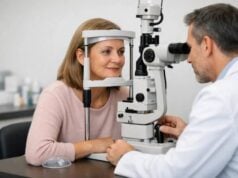
Lutein and zeaxanthin are the two carotenoids most concentrated in the macula—the central part of the retina responsible for sharp, detailed vision. They act like internal “sunglasses,” filtering high-energy blue light, and they also support the eye’s antioxidant defenses in a tissue that is constantly exposed to light and oxygen. Because the body cannot make them, your macula depends on steady intake from food or supplements. The most established use is in specific age-related macular degeneration risk groups, but many people also consider them for glare sensitivity, screen-heavy days, and overall retinal resilience. This article explains what lutein and zeaxanthin do, who is most likely to benefit, how to get them from everyday foods, and how to think about dosage without overpaying or overpromising.
Core Points
- Lutein and zeaxanthin build macular pigment, which helps filter blue light and may support visual comfort in bright conditions.
- The strongest evidence for supplementation is in certain people at higher risk for age-related macular degeneration progression, not as a universal “eye vitamin.”
- Food sources are highly effective when eaten consistently, especially leafy greens and eggs.
- Supplements are usually taken with a meal containing fat to improve absorption.
- People who smoke or recently quit should be cautious with eye formulas that include beta-carotene and should discuss the safest formulation with a clinician.
Table of Contents
- What lutein and zeaxanthin do in the eye
- Benefits and what the evidence supports
- Who is most likely to benefit
- Best food sources and easy meal ideas
- Dosage, supplements, and how to choose
- Safety, side effects, and what to avoid
What lutein and zeaxanthin do in the eye
Lutein and zeaxanthin belong to a family of plant pigments called carotenoids. Unlike many nutrients that circulate broadly, these two have a special habit: they accumulate in the retina, especially in the macula. In the macula, they form what clinicians often call macular pigment, a protective layer that sits in front of the light-sensitive cells responsible for fine detail, reading vision, and color discrimination.
They filter light before it reaches fragile tissue
A practical way to understand macular pigment is to imagine a built-in filter. Lutein and zeaxanthin preferentially absorb higher-energy visible wavelengths, including blue light. This filtering can reduce light scatter inside the eye and may help with glare discomfort in some people. It does not turn your retina into armor, but it can reduce the “load” of high-energy light reaching sensitive retinal cells over time.
They support antioxidant defenses where demand is high
The retina has unusually high metabolic activity. It processes light signals continuously and contains large amounts of polyunsaturated fats, which are vulnerable to oxidation. Lutein and zeaxanthin can function as antioxidants in this environment. Think of them as part of the eye’s local maintenance crew: they help counter oxidative stress and may support cellular resilience alongside other dietary antioxidants.
They are nutrients you must supply consistently
Your body cannot manufacture lutein or zeaxanthin. Levels in the retina are influenced by:
- Dietary intake over months and years
- Absorption efficiency in the gut
- How much dietary fat is present with the meal
- Individual differences in transport proteins and metabolism
- Lifestyle factors that affect oxidative stress, such as smoking and poor sleep
This is why “I took a supplement for a week” rarely changes anything you can feel. Building macular pigment is more like training than like taking a pain reliever—it tends to be gradual, and consistency matters.
Why the two are discussed together
Lutein and zeaxanthin are closely related, but they distribute differently in the macula. Zeaxanthin is often more concentrated in the central macula, while lutein is more common in surrounding regions. Many supplements pair them because that mix better resembles the natural pattern found in healthy retinal tissue.
Benefits and what the evidence supports
People are often drawn to lutein and zeaxanthin because the story sounds intuitive: “blue-light filtering and antioxidant support should protect vision.” The reality is more nuanced. Benefits depend on baseline diet, eye health status, and what outcome you are measuring.
Age-related macular degeneration support is the most established use
The strongest clinical relevance is in specific age-related macular degeneration (AMD) risk groups, where supplementation is used to support a broader risk-reduction strategy. Large research programs have studied formulas that include lutein and zeaxanthin in combination with other nutrients. In these settings, lutein and zeaxanthin are not treated as standalone “miracle” ingredients, but as part of a targeted supplement plan for people at meaningful risk of progression.
A key practical takeaway is that evidence is strongest for people who already have signs that place them in a higher-risk category, rather than for everyone who wants “prevention.” If you have no AMD, the expected effect is smaller and less certain, and food-first strategies become more sensible.
Visual performance outcomes can improve for some people
Some research focuses on functional measures such as glare recovery, contrast sensitivity, and photostress recovery time (how fast your vision stabilizes after bright light). These outcomes matter in daily life: night driving, bright offices, and outdoor glare are common complaints. In real-world terms, people who benefit often describe:
- Less “washed out” vision in harsh light
- Faster recovery after camera flash or bright sunlight
- More comfortable long screen sessions when dryness is also managed
It is important to keep expectations realistic. These are often subtle improvements, and they are easier to notice when a person starts with low dietary intake and low baseline macular pigment.
Cataracts and general protection claims are mixed
Because lutein and zeaxanthin also accumulate in the lens, they are often marketed for cataract prevention. The evidence here is not as consistent as the marketing suggests. Lens aging is multifactorial: UV exposure, smoking, diabetes, steroid use, and genetics all play roles. A nutrient that supports antioxidant defenses may be helpful as part of a healthy pattern, but it is rarely decisive on its own.
What “benefit” should mean for most people
A grounded definition of benefit looks like this:
- You improve dietary quality in a way that supports overall health
- You build a sustainable routine that increases retinal protective pigments over time
- If you are in a higher-risk AMD category, you use a clinically studied formulation under professional guidance
If the goal is to “make my eyes younger,” you will likely be disappointed. If the goal is to strengthen long-term resilience and support comfort in bright conditions, lutein and zeaxanthin can be a rational part of a broader eye-health strategy.
Who is most likely to benefit
The biggest mistake with lutein and zeaxanthin is assuming the same dose and product make sense for everyone. In practice, the highest-value use is targeted: the right people, the right expectations, and the right plan.
People with intermediate AMD or high-risk retinal findings
Supplement strategies that include lutein and zeaxanthin are most often discussed for individuals who have retinal signs that place them at higher risk of AMD progression. In that scenario, supplementation is not a replacement for monitoring or treatment. It is one supportive layer alongside:
- regular eye exams and imaging when recommended
- smoking cessation
- blood pressure and cholesterol management
- UV and glare protection
- diet quality, including omega-3 rich foods and colorful plants
If you have AMD, the most helpful question to ask your clinician is not “Should I take lutein?” but “Which formulation matches my risk category, and what is the goal we are targeting?”
People with low dietary intake of carotenoid-rich foods
If you rarely eat leafy greens, eggs, corn, or orange and yellow vegetables, you may be starting from a lower baseline. In those cases, increasing lutein and zeaxanthin intake can have more noticeable effects on macular pigment over time. A simple clue is dietary pattern: if most meals are beige (bread, pasta, meat, cheese) with few colorful plants, you are likely under-consuming carotenoids.
People who struggle with glare and bright-light discomfort
Some people are bothered by bright sunlight, headlights, or high-glare indoor lighting even without diagnosed retinal disease. If glare sensitivity is part of your daily friction, lutein and zeaxanthin may help, but they are rarely the whole answer. Glare complaints are also influenced by:
- dry eye disease and unstable tear film
- uncorrected astigmatism or outdated prescription
- early lens changes
- migraine or light sensitivity patterns
In this group, lutein and zeaxanthin work best when paired with practical glare strategies: sunglasses that truly block UV, consistent lubrication if eyes are dry, and thoughtful lighting choices.
Who should be cautious about self-prescribing
Consider medical guidance before supplementing if you:
- currently smoke or recently quit
- have significant liver disease or fat-malabsorption conditions
- take multiple supplements already and are at risk of excessive combined doses
- are pregnant or breastfeeding and want higher-than-food doses
- have a complex eye history, such as advanced retinal disease or recent surgery
For most healthy adults, food-first intake is the safest and most reliable starting point. Supplements are best used when there is a clear reason—risk category, low intake that is hard to correct, or a clinician-recommended formulation.
Best food sources and easy meal ideas
Food sources of lutein and zeaxanthin come with a built-in advantage: they deliver these pigments alongside fiber, minerals, and other phytonutrients that support vascular health—important because the retina depends on healthy circulation. For most people, food is also the simplest long-term plan.
Top food sources to prioritize
Lutein is especially abundant in dark leafy greens, while zeaxanthin is prominent in certain yellow and orange foods. Strong options include:
- Spinach, kale, collard greens, and Swiss chard
- Romaine lettuce and parsley
- Egg yolks
- Corn
- Orange and yellow peppers
- Broccoli and green peas
- Pistachios and some other nuts in smaller amounts
Eggs are worth highlighting because the lutein and zeaxanthin in yolks can be highly bioavailable due to the natural fat content, even if the absolute amount is lower than a large serving of greens.
Absorption tips that actually matter
Because lutein and zeaxanthin are fat-soluble, absorption improves when you pair them with dietary fat. Small changes can make a meaningful difference:
- Add olive oil or avocado to salads and greens.
- Sauté spinach or kale lightly with oil rather than eating only raw greens.
- Combine vegetables with nuts, seeds, or full-fat yogurt when appropriate.
- Include eggs a few times per week if they fit your diet and health goals.
Cooking can help by breaking down plant cell walls, but overcooking is not necessary. Gentle sautéing or steaming is often a good balance.
Simple weekly patterns
Rather than chasing perfect numbers, aim for repeatable routines:
- One leafy-green serving daily, even if small
- A “yellow and orange” vegetable most days
- Eggs several times a week if tolerated
- A handful of nuts or seeds as a regular snack
Easy meal ideas without diet fatigue
- Omelet with spinach and peppers
- Corn and bean salad with olive oil and lime
- Kale sautéed with garlic and a drizzle of olive oil, served with salmon or tofu
- Greek-style bowl: romaine, cucumber, peppers, chickpeas, and a feta or olive oil dressing
- Smoothie strategy: blend spinach with fruit and add a spoon of nut butter for fat
If you are considering supplementation, a two-week food-first sprint is still worthwhile. It tests whether you can realistically hit consistent intake with diet alone. Many people find they can, especially once they learn that absorption improves when greens are paired with fat and prepared in a way they actually enjoy.
Dosage, supplements, and how to choose
Supplement decisions should be driven by a clear goal. Are you trying to meet a clinically studied AMD formulation? Are you correcting a low-intake diet gap? Or are you experimenting for glare comfort? Each scenario points to a different level of intensity and a different standard for evidence.
Common supplemental doses and what they mean
Many eye supplements use doses in the range of:
- Lutein: often around 10 mg daily
- Zeaxanthin: often around 2 mg daily
These numbers are widely recognized because they match dosing used in major AMD research formulations. Higher lutein doses, such as 20 mg, appear in some products marketed for visual performance, but “more” is not automatically better. If you raise dose, you should also raise the standard for product quality and your reason for taking it.
When a combined formula may be more appropriate
If you are using supplementation specifically for AMD risk reduction, many clinicians recommend a formula that includes lutein and zeaxanthin as part of a broader nutrient mix. The rationale is practical: AMD risk is influenced by oxidative stress and retinal metabolism, and multi-nutrient formulations have more direct research behind them than lutein alone. This is also where ingredient selection matters, especially for people with a smoking history, because some older eye formulas used beta-carotene.
How to choose a supplement without getting trapped by marketing
Use these criteria:
- Choose a product that clearly lists lutein and zeaxanthin amounts per serving.
- Prefer products that are transparent about testing and quality standards.
- Be cautious with “proprietary blends” that obscure exact doses.
- Avoid stacking multiple eye supplements that duplicate the same ingredients.
If you are already taking a multivitamin, check whether it includes carotenoids. You may not need a separate high-dose eye formula unless there is a specific reason.
How and when to take it
To improve absorption:
- Take lutein and zeaxanthin with a meal that contains fat.
- Consistency beats timing. Choose a meal you rarely skip.
- If your stomach is sensitive, take it with your largest meal rather than on an empty stomach.
How long until you can judge effect
Most people should think in months, not days. A reasonable evaluation window is 8–12 weeks for consistent intake, especially if you are tracking functional outcomes like glare comfort. If you are using supplements as part of an AMD plan, the metric is not “I feel different,” but long-term risk management and clinician-guided monitoring.
Safety, side effects, and what to avoid
Lutein and zeaxanthin are generally well tolerated at common supplemental doses, and they have a long history of dietary exposure. Still, “natural” does not mean “automatic.” Safety depends on formulation choices, personal risk factors, and how many supplements you stack.
Common side effects
Side effects are usually mild when they occur:
- digestive upset, especially when taken without food
- harmless skin yellowing in some people with higher carotenoid intake
- occasional headache or nausea reported by some users
If you notice a new symptom soon after starting a supplement, stop it and reassess. Reintroduce only if you can confirm the supplement is the likely cause and you have a compelling reason to continue.
Smoking history and formulation caution
If you smoke or recently quit, be cautious with eye formulas that contain beta-carotene. This is not a reason to avoid lutein and zeaxanthin, but it is a reason to avoid older formulations that rely on beta-carotene. In this group, choosing a carotenoid approach that does not depend on beta-carotene is often discussed in clinical settings.
Medication and health considerations
Lutein and zeaxanthin do not have many well-known high-risk interactions, but supplements live in the real world of complex health histories. Consider clinician input if you:
- take anticoagulant therapy and also plan to add multiple high-dose supplements
- have liver disease or fat-malabsorption conditions
- have had bariatric surgery or chronic gastrointestinal disease that affects absorption
- are pregnant or breastfeeding and considering high-dose supplementation
Also consider the “hidden risk” of ingredient stacking. Many eye products combine multiple nutrients. Taking two different eye formulas can double doses unintentionally.
What to avoid for best results
- Do not treat supplements as a substitute for eye exams, especially if you have retinal disease risk.
- Do not assume supplements reverse AMD, cataracts, or blurry vision from uncorrected prescription.
- Do not ignore foundational risk factors: smoking, uncontrolled blood pressure, unmanaged diabetes, poor sleep, and low dietary quality can outweigh any supplement benefit.
A safe, practical approach
For most people, the safest progression looks like:
- Improve food intake consistently for at least a few weeks.
- If you still want supplementation, choose a single product with transparent dosing.
- Take it with meals, track tolerance, and reassess after 8–12 weeks.
- If you have AMD or significant risk factors, align supplement choice with clinician guidance and monitoring.
Supplements can be useful tools, but they work best as part of a larger plan that protects the retina through diet, lifestyle, and appropriate medical care.
References
- Antioxidant vitamin and mineral supplements for slowing the progression of age-related macular degeneration 2023 (Systematic Review)
- Long-term Outcomes of Adding Lutein/Zeaxanthin and ω-3 Fatty Acids to the AREDS Supplements on Age-Related Macular Degeneration Progression: AREDS2 Report 28 2022 (RCT Follow-up)
- Age-Related Macular Degeneration Preferred Practice Pattern® 2025 (Guideline)
- The Age-Related Eye Disease Study 2 (AREDS2): study design and baseline characteristics (AREDS2 report number 1) 2012 (RCT)
Disclaimer
This article is for educational purposes only and does not provide medical advice, diagnosis, or treatment. Nutritional needs and supplement choices can vary based on age, medical conditions, medications, smoking history, and specific eye findings such as age-related macular degeneration risk category. If you have diagnosed retinal disease, sudden vision changes, or you are considering high-dose eye supplements, consult a qualified eye-care professional for individualized guidance and appropriate monitoring.
If you found this article helpful, please consider sharing it on Facebook, X (formerly Twitter), or any platform you prefer.