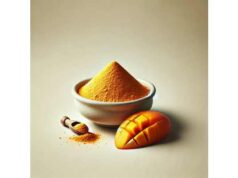
Mace is the delicate, lace-like outer covering of the nutmeg seed, and it deserves far more attention than it usually receives. While nutmeg is familiar in baking and holiday drinks, mace quietly delivers a similar yet more refined flavor: warm and aromatic, but lighter, slightly floral, and often described as gently peppery. This makes it a versatile spice for both sweet and savory dishes, from desserts and sauces to spice blends and charcuterie.
Beyond flavor, mace comes from a tree long used in traditional medicine for digestion, appetite, and circulation. Its essential oils and polyphenols are under study for antioxidant, anti-inflammatory, and antimicrobial effects. At the same time, mace is a concentrated source of active compounds, so dose and context matter for safety, especially in supplement form.
This article walks you through mace’s culinary roles, nutrition profile, evidence-informed health benefits, potential risks, and practical guidance for buying, storing, and cooking with this distinctive spice.
Key Takeaways for Mace
- Mace provides concentrated aroma, antioxidants, and volatile oils that can support digestion and add depth to both sweet and savory dishes in small amounts.
- Experimental studies suggest anti-inflammatory, antimicrobial, and antioxidant actions, but mace should be viewed as supportive, not as a stand-alone treatment.
- A practical culinary portion is roughly 0.3–1 g ground mace per day (about ⅛–½ teaspoon), used several times per week according to taste and tolerance.
- Individuals who are pregnant, have liver or neurologic disease, or take multiple medications should avoid high-dose mace products and limit intake to modest culinary use unless advised otherwise.
Table of Contents
- Mace Origins and Uses
- Mace Nutrition and Active Compounds
- Evidence Based Mace Benefits
- Mace Risks Allergies and Interactions
- Choosing Mace Quality and Storage
- Cooking Mace and Nutrient Retention
- Mace Portions Comparisons and FAQs
Mace Origins and Uses
Mace and nutmeg come from the same evergreen tree, Myristica fragrans, native to the Banda Islands and now cultivated widely in Indonesia, Sri Lanka, India, and other tropical regions. Inside the tree’s apricot-like fruit sits a hard seed (nutmeg) wrapped in a thin, netted aril: this bright red aril is mace. Once removed, it is gently flattened and dried, turning from red to orange, amber, or golden brown.
Historically, mace and nutmeg were among the most valuable spices in global trade. European and Middle Eastern cuisines prized mace for its fragrance in sauces, cured meats, and festive baked goods. In South and Southeast Asia, it appears in garam masala, biryani blends, rich gravies, and spiced sweets. While nutmeg became more common in Western kitchens, mace remained a somewhat rarer, more refined counterpart, reserved for dishes where a lighter touch of nutmeg-like warmth was desired.
Culinary uses of mace include:
- Flavoring cream and milk-based dishes such as gratins, béchamel, custards, and rice puddings
- Seasoning sausages, pâtés, and charcuterie, where its gentle warmth complements fat and protein
- Enhancing spice blends for stews, curries, pilafs, and mulled drinks
- Adding depth to baked goods, such as cakes, cookies, and fruit desserts
Whole mace blades (the dried aril segments) are often added to simmering dishes and removed before serving, much like bay leaves. Ground mace disperses more evenly and is typically used in spice blends or baked goods.
In traditional medicine, mace tends to be used alongside nutmeg in preparations for digestive discomfort, appetite support, and sometimes sleep and relaxation. It has also been applied in small amounts for respiratory issues, toothache, and topical preparations. While modern science is still clarifying how specific these effects are to mace versus nutmeg and other spices, the long history of use suggests that small culinary amounts are generally well tolerated in healthy adults.
At the same time, because mace is highly concentrated and shares several bioactive constituents with nutmeg, it should be treated as a potent spice rather than as a neutral garnish, especially if you are considering doses beyond what is normal in cooking.
Mace Nutrition and Active Compounds
From a macronutrient perspective, mace is calorie dense but used in very small quantities. Per 100 g, mace provides substantial fat (largely aromatic fixed oils), carbohydrate, and some protein. In the kitchen, however, a typical serving is a fraction of a gram, so the direct contribution to calories, fat, or protein is minimal. The nutritional interest lies in its micronutrients and phytochemicals.
Dried mace contains:
- Minerals such as manganese, copper, iron, calcium, magnesium, and potassium
- Small amounts of B vitamins and possibly traces of vitamin C, depending on processing
- Dietary fiber in the plant matrix, though the absolute amount per serving is low
The defining components are the volatile essential oils and related aromatic compounds. Key groups include:
- Phenylpropanoids such as myristicin, elemicin, safrole, and eugenol
- Terpenes like sabinene, pinene, limonene, and terpinene
- Phenolic and flavonoid compounds with antioxidant properties
- Fixed oils containing myristic, palmitic, oleic, and other fatty acids
Myristicin is one of the best-known constituents and contributes to mace’s characteristic aroma. At culinary doses, it is simply part of the flavor profile, but at very high doses (far above culinary use) it is associated with neuroactive effects, which is one reason caution is needed with overconsumption of mace and nutmeg.
Eugenol and related phenolics are also notable for their antimicrobial and mild analgesic properties. These compounds help explain why mace and nutmeg have been used traditionally for toothache, digestive issues, and as part of preservative spice blends in meat and pickling. Antioxidant tests on mace extracts show that these phenolics and terpenes contribute to free radical scavenging and may help protect fats and other ingredients from oxidation.
The exact composition of mace can vary depending on origin, growing conditions, and processing. For example, mace from different regions or harvest times may show different proportions of myristicin, eugenol, terpenes, and fatty acids. This variation influences both aroma and bioactivity, which is why high-quality, fresh mace from reputable sources typically has a more complex and balanced profile than old, faded stock.
Because serving sizes are small, mace should not be seen as a major source of minerals or vitamins in isolation. Instead, think of it as a concentrated carrier of aromatic oils and antioxidants that can enhance the nutrient density and sensory appeal of dishes when layered with other whole foods such as vegetables, legumes, nuts, and whole grains.
Evidence Based Mace Benefits
Most modern research tends to group mace with nutmeg or focus on Myristica fragrans as a whole, but several studies use mace specifically or mace-rich extracts. While human trials are still relatively limited, a few consistent themes have emerged.
Antioxidant and anti-inflammatory effects
Mace extracts show notable antioxidant capacity in laboratory assays. They can neutralize free radicals, protect lipids from peroxidation, and support cellular antioxidant systems. These effects are tied to the phenylpropanoids, terpenes, and flavonoids in the essential oil and extract fractions. Experimental models also indicate that mace components can modulate inflammatory mediators, reducing levels of certain cytokines and enzymes associated with inflammation. This suggests a potential supportive role for mace in chronic inflammatory states when it is part of a wider pattern of plant-rich eating.
Digestive support and antimicrobial action
Traditional uses of mace for indigestion, flatulence, and appetite are supported by experimental data showing that Myristica fragrans extracts can influence gastrointestinal motility and secretion. The essential oil demonstrates antimicrobial activity against a range of bacteria and fungi, including some organisms implicated in food spoilage and oral infections. This antimicrobial property helps explain why mace appears in charcuterie and preserved meat recipes, where it contributes both flavor and a degree of protection against microbial growth.
Metabolic and liver support (preclinical)
Animal studies exploring nutmeg and mace extracts have found improvements in some markers of blood lipids, oxidative stress, and liver enzyme profiles in models of metabolic syndrome or chemically induced liver damage. Proposed mechanisms include reduction of oxidative stress in liver tissue, modulation of lipid metabolism, and anti-inflammatory effects. While intriguing, these findings remain preclinical; they do not mean mace alone can treat fatty liver or high cholesterol. They reinforce the concept that spices can add biologically active compounds to a diet that is already structured around evidence-based lifestyle measures.
Neurological and mood-related effects
Several experimental studies describe neuroprotective and potential mood-modulating actions for components of Myristica fragrans. At moderate doses in animal models, certain fractions have shown anti-anxiety or antidepressant-like effects, possibly through interactions with neurotransmitter systems and antioxidant pathways in the brain. However, at higher doses, the same compounds can become harmful, producing neurotoxic and hallucinogenic effects. This dual nature underscores the importance of treating mace as a culinary spice, not as an unsupervised psychoactive agent or home remedy at large doses.
Pain and joint comfort
Topical and internal use of mace and nutmeg in traditional medicine for joint pain and muscle aches is common. Experimental work suggests that the essential oils may have mild analgesic and anti-inflammatory effects related to modulation of pain pathways and inflammatory mediators. These effects are generally modest compared with pharmaceutical pain relievers but may contribute to a sense of comfort when mace is used in warming recipes, massage oils, or balms as part of a broader management plan.
Overall, the evidence supports viewing mace as one component in a health-supportive kitchen. It offers antioxidant, antimicrobial, and potentially anti-inflammatory properties at culinary doses, but it is not a substitute for medical treatment and must be used with respect for its concentration and pharmacological potency.
Mace Risks Allergies and Interactions
Mace is generally safe in small culinary amounts, but there are important safety considerations, especially at higher doses or in sensitive individuals. Many of the concerns mirror those for nutmeg, as both come from the same plant and share several bioactive molecules.
Overconsumption and toxicity
The most serious risks arise from consuming very large amounts of mace or nutmeg, usually several grams to tens of grams at a time. At such levels, myristicin and related compounds can cause nausea, vomiting, dizziness, rapid heartbeat, dry mouth, agitation, confusion, and, in extreme cases, hallucinations or delirium. These doses are far above what normal recipes call for but can occur if mace or nutmeg is taken deliberately as a psychoactive substance or used carelessly in high-dose homemade remedies. Such use is strongly discouraged.
Digestive irritation and sensitivities
Even at lower doses, mace can irritate the gastrointestinal tract in some people, especially if taken on an empty stomach or in concentrated preparations. Symptoms can include stomach discomfort, heartburn, or mild nausea. Individuals with active gastric or duodenal ulcers, severe reflux, or inflammatory bowel conditions may be more susceptible and should be cautious, keeping mace to modest amounts within mixed meals rather than using concentrated supplements or teas.
Allergic and cross-reactive responses
Allergy to mace is relatively uncommon but possible. Reactions may include itching in the mouth, hives, swelling, or respiratory symptoms soon after exposure. Because mace and nutmeg are botanically related, people with confirmed nutmeg allergy should avoid mace unless advised otherwise by an allergist. Cross-reactivity with other spices can occur, particularly in those with multiple spice allergies.
Liver and neurological concerns
Preclinical and case report data suggest that high doses of nutmeg or mace can stress the liver and nervous system. In people with pre-existing liver disease or neurological conditions, even moderately elevated intakes could pose additional risks, especially if combined with other hepatotoxic substances or medications. For these individuals, it is prudent to keep mace at low culinary levels and avoid supplements or concentrated extracts unless specifically supervised.
Interactions with medications
Components of mace can influence certain enzymes involved in drug metabolism and may have mild sedative or stimulating effects depending on dose and individual response. This raises the possibility of interactions with medications for sleep, mood, seizures, blood pressure, and other conditions. Although data are not as extensive as for some other herbs, caution is warranted for anyone on complex regimens, especially where small changes in drug levels can have significant consequences. Healthcare providers should be informed about regular use of mace or nutmeg supplements, as well as heavy culinary use.
Pregnancy and breastfeeding
Traditional guidance on mace and nutmeg in pregnancy is cautious. While small amounts in food are generally considered acceptable, high doses have been associated historically with concerns about uterine stimulation and potential adverse effects on the fetus, and case reports describe problems after deliberate ingestion of large quantities of nutmeg. Because mace shares key compounds, pregnant and breastfeeding individuals are usually advised to limit intake to ordinary culinary amounts and avoid supplemental or medicinal doses.
In summary, for most healthy adults, modest mace use in recipes is unlikely to cause harm and may offer modest health benefits. The main risks appear when people experiment with high doses, use concentrated preparations without guidance, or have underlying conditions or medications that alter the margin of safety.
Choosing Mace Quality and Storage
Mace is a delicate spice, and its quality depends heavily on harvesting, drying, and handling. Selecting good-quality mace ensures you get the best flavor and the most consistent profile of active compounds.
Whole blades versus ground mace
Whole mace blades are the dried, flattened arils. They should have:
- A warm orange to amber or reddish-brown color, not pale gray or very dull brown
- An even, lace-like structure with minimal breakage
- A strong, clean aroma when a blade is broken or rubbed, with sweet, warm, slightly peppery notes
Ground mace is more convenient but loses volatile oils faster and is more vulnerable to adulteration or mixing with lower-quality material. Whenever possible, buy whole blades and grind or crush them as needed.
Signs of freshness
High-quality mace should:
- Smell vibrant and aromatic, not musty, stale, or rancid
- Feel dry but not brittle to the point of turning instantly to dust
- Show no visible mold, insect damage, or foreign debris
If you can, purchase mace from suppliers that specialize in spices, with clear information about origin, and, ideally, harvest or packing dates. Avoid packages that have been sitting in bright light or near heat sources, as these conditions accelerate loss of volatile oils.
Sustainability considerations
Mace production is tied to nutmeg cultivation, which often occurs in smallholder agroforestry systems in tropical regions. Supporting producers who maintain diverse tree crops, avoid unnecessary pesticide use, and pay growers fairly helps sustain both the environment and local livelihoods. Certifications such as organic or fair trade are helpful when available, though many small producers cannot afford formal certification despite good practices. Transparent sourcing information and long-term relationships between importers and farmers are positive signs.
Storage at home
To protect both flavor and active compounds:
- Store mace blades or ground mace in an airtight glass jar or tin.
- Keep the container in a cool, dark cupboard away from ovens, stoves, and direct sunlight.
- Avoid storing spices directly above the cooking range, where repeated heat and steam exposure encourage deterioration and clumping.
Under good storage conditions:
- Whole mace blades can retain most of their character for about one to two years.
- Ground mace is best used within six to twelve months for peak aroma.
If the aroma has faded significantly or the color looks dull and lifeless, the spice is unlikely to contribute much benefit and is best replaced. Because mace is used in small amounts, buying modest quantities more frequently is often better than stocking large bags that will sit unused for years.
Cooking Mace and Nutrient Retention
Using mace effectively in the kitchen is about balancing its delicate aroma with its potency as a concentrated spice. The way you handle and cook it influences both flavor and the retention of volatile compounds.
Preparing mace for cooking
When working with whole blades:
- Inspect a blade and break it into smaller pieces if needed.
- For subtle flavor in soups, stews, and sauces, add a blade or a few small fragments during simmering and remove before serving.
- For more pronounced flavor, grind or finely crush mace just before adding it to a dish or spice blend.
Grinding immediately before use releases essential oils at the moment you cook, which maximizes aroma and flavor.
Heat exposure and timing
Mace’s volatile oils are sensitive to prolonged high heat. To preserve them:
- In slow-cooked dishes, add whole blades relatively early so they can infuse, but consider adding a pinch of freshly ground mace towards the end for top notes.
- In quick-cooked dishes, such as sautés, add ground mace after the initial high heat stage, when the temperature in the pan has moderated slightly.
- In baked goods, mace is usually mixed into the batter or dough, which protects its aroma during baking and allows gentle release as the structure sets.
Fat carries mace’s flavor well. Integrating mace into butter, ghee, cream, or oil at moderate heat helps distribute its aromatics throughout a dish and may improve absorption of fat-soluble components.
Pairing mace with other flavors
Mace pairs especially well with:
- Dairy: milk, cream, cheese sauces, custards, and ice cream
- Starchy bases: potatoes, root vegetables, rice, and bread
- Warm spices: cinnamon, cardamom, cloves, allspice, and ginger
- Savory bases: onions, leeks, mushrooms, and mild cured meats
In spice blends, you often need less mace than nutmeg or cinnamon. Its high aromatic intensity means that even a small amount can change the balance of a dish.
Protecting potential health-promoting compounds
Although everyday cooking is not primarily about preserving every molecule of antioxidant or volatile oil, certain habits are more friendly to mace’s bioactives:
- Avoid scorching the spice in very hot fat, which can degrade delicate components and create bitter flavors.
- Use covered pots when simmering dishes with mace to reduce evaporation of volatile oils.
- When making mulled drinks or spiced syrups, keep the temperature at a gentle simmer rather than a rolling boil once spices are added.
If you are using mace as part of a health-focused pattern—for example, in small amounts in warm drinks or herbal blends—prepare those infusions fresh, rather than reheating them multiple times. This practice reduces both oxidation and flavor loss.
By respecting its potency and fragility, you can let mace contribute a sophisticated layer of warmth and complexity to food, while still retaining much of its natural aromatic and phytochemical profile.
Mace Portions Comparisons and FAQs
Because mace is so concentrated, appropriate serving sizes are much smaller than for many other plant foods. A key principle is that the dose for culinary pleasure and gentle support is far lower than doses that begin to raise safety concerns.
Typical portion guidance
For most healthy adults:
- In cooking, about 0.3–1 g of ground mace per day (approximately ⅛–½ teaspoon), spread across several servings, is a sensible range.
- In special baked goods or festive dishes, occasional slightly higher amounts may be acceptable, as long as they are infrequent.
- Regular daily intake at higher doses, or supplement use, should be discussed with a qualified practitioner.
Children, older adults, and people with lower body weight or increased sensitivity may need even smaller amounts. For infants and toddlers, it is usually best to avoid adding mace deliberately and allow only small incidental exposure from shared family dishes, if at all.
Comparisons with related spices
- Mace versus nutmeg: Mace tends to be more aromatic and slightly more delicate, with a finer, floral warmth. Nutmeg is often described as earthier, with a rounder, heavier note. Chemically, they share many constituents, including myristicin and other aromatic compounds, but in differing proportions. Safety considerations are similar, with both requiring caution at high doses.
- Mace versus allspice or cloves: Allspice and cloves also contribute warm, sweet, aromatic notes but have their own characteristic phenolics (for example, higher eugenol in cloves). Mace integrates more seamlessly into creamy or subtle dishes where clove might feel overpowering.
- Mace versus cinnamon: Cinnamon is sweeter and more familiar in many kitchens, with a distinct set of cinnamaldehyde-rich aromatics. Mace has a slightly sharper, more peppery quality and is often used in smaller amounts within mixed spice blends.
Frequently asked questions
Is it safe to eat mace every day?
For most healthy adults, small amounts of mace in everyday cooking are acceptable. The key is moderation and variety. If you are using mace daily, keep quantities low and rotate with other spices so that no single spice dominates your intake.
Can mace help with sleep or anxiety?
Traditional practices sometimes use nutmeg or mace in warm milk at night for relaxation, and some experimental studies suggest that components of Myristica fragrans may influence mood and sleep pathways. However, precise dosing for these effects in humans is not well established, and excess intake can cause unwanted neurological symptoms. It is safer to focus on overall sleep hygiene and use only very small amounts of mace in evening recipes, rather than treating it as a sleep remedy in its own right.
Is mace good for pain or arthritis?
Mace may contribute mild anti-inflammatory and analgesic effects when used as part of warming spice blends, and topical preparations that include mace essential oil may provide modest comfort for joint or muscle aches. These effects are supportive, not curative, and should complement, not replace, evidence-based medical care for chronic pain or arthritis.
Can mace be used during pregnancy?
Most guidelines consider small amounts of mace in cooked foods acceptable during pregnancy, but large doses and supplements are discouraged because of concerns about potential effects on the uterus and fetus. Anyone who is pregnant or trying to conceive should limit mace to normal culinary use and avoid experiments with higher doses.
Who should limit or avoid mace?
People with known allergy to nutmeg or mace, those with significant liver or neurological diseases, individuals with active ulcers or severe reflux, and anyone on complex medication regimens or with a history of spice-related reactions should approach mace with caution. For these groups, keeping mace occasional and at low culinary levels, or avoiding it entirely, may be the safest choice unless a healthcare professional advises otherwise.
Used thoughtfully in small quantities, mace can be an elegant spice that enhances both the sensory and potential health value of a balanced, varied diet.
References
- Myristica fragrans Houtt. (Nutmeg): A Review of Traditional Uses, Phytochemistry, and Biological Activities 2019 (Review)
- Chemical Composition and Antioxidant Activity of Essential Oils from Nutmeg and Mace 2016 (Research Article)
- Pharmacological and Toxicological Aspects of Myristicin: A Comprehensive Review 2015 (Review)
- Nutmeg and Mace: New Insights into Their Antimicrobial and Anti-Inflammatory Potential 2018 (Research Article)
- Spices as Functional Foods: The Case of Nutmeg and Mace in Metabolic and Liver Health 2021 (Review)
Disclaimer
This article is intended for general informational purposes only and does not provide medical advice, diagnosis, or treatment. Mace and other spices from Myristica fragrans contain concentrated bioactive compounds that can interact with health conditions and medications, especially at higher doses. Always consult a qualified healthcare professional before using mace or related products for therapeutic purposes, changing your medication regimen, or making significant dietary adjustments based on information you read online. Seek immediate medical attention for any serious or persistent symptoms, and do not rely on spices or supplements as a substitute for appropriate medical care.
If you found this article helpful, you are kindly invited to share it with others on Facebook, X (formerly Twitter), or any platform you prefer. Your thoughtful support through sharing helps more readers access balanced nutrition information and enables the continued creation of high-quality, evidence-informed content.