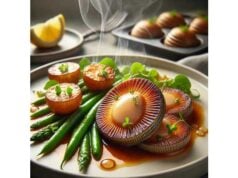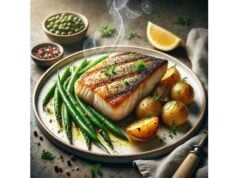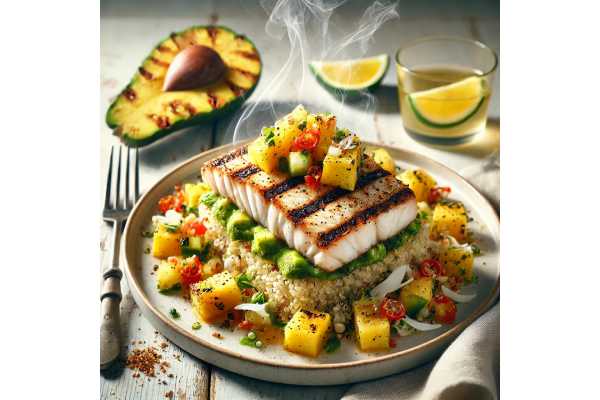
Mahi-mahi—also called common dolphinfish (not related to dolphins)—is a lean, mild-flavored ocean fish prized for its firm texture and versatility. It cooks quickly, adapts to grilling, roasting, and pan-searing, and holds up in soups, tacos, and curry. Nutritionally, mahi-mahi delivers high-quality protein with very little fat, notable amounts of vitamin B12, niacin, potassium, and selenium, and a modest dose of omega-3s. It’s often a “good choice” in mercury guidance and, when sourced by selective gears like troll or pole-and-line, can be a responsible seafood pick. Because it’s lean, careful cooking prevents dryness, and proper cold-chain handling prevents histamine formation (a cause of scombroid illness). If you enjoy fish for heart health, maintaining muscle, or just easy weeknight meals, mahi-mahi belongs on the shortlist—especially for those who prefer a clean taste and crisp, flaky bite.
At a Glance
- High-protein, low-fat fish with vitamin B12, niacin, potassium, and selenium per 100 g.
- Moderate omega-3s; pair with oily fish weekly for EPA and DHA targets.
- Typical serving is 120–150 g cooked, eaten 1–2 times weekly within varied seafood intake.
- Shellfish or fish allergy applies; also avoid if you’ve had scombroid illness from mishandled fish.
- Pregnant and breastfeeding people should follow “Best” or “Good choice” fish lists and weekly limits.
Table of Contents
- Detailed Overview
- Nutrition Profile
- Evidence-Based Health Benefits
- Risks, Allergies and Interactions
- Selecting, Quality, Sustainability and Storage
- Preparation, Cooking and Nutrient Retention
- Portions, Comparisons and FAQs
Detailed Overview
Mahi-mahi (Coryphaena hippurus) is a fast-growing pelagic fish found in tropical and subtropical waters of the Atlantic, Pacific, and Indian Oceans. It’s known for vibrant blue-green skin when alive and for a culinary personality that’s delicate yet sturdy. The fillets are off-white when raw and cook to a clean white, with a fine, meaty flake that resists falling apart. Because the flavor is mild, it pairs well with citrus, herbs, chili, tropical fruits, or Mediterranean aromatics.
From a nutrition perspective, mahi-mahi is a lean source of complete protein. A 100 g raw portion typically offers around 85–100 kcal, ~18–24 g protein, and <1–2 g total fat. It contributes vitamin B12 (for red blood cells and nerves), niacin (energy metabolism), selenium (antioxidant function via selenoproteins), and potassium (fluid balance and blood pressure support). While it contains less omega-3 than oily fish like salmon or mackerel, mahi-mahi still provides EPA and DHA that support heart and brain health when included as part of an overall seafood pattern.
Safety-wise, mahi-mahi is commonly listed among lower- to moderate-mercury species and appears as a “good choice” in many consumer charts. Two further considerations matter. First, like other scombroid-prone species (e.g., tuna, mackerel), mahi-mahi can generate histamine if not kept cold from boat to plate. Excellent refrigeration and buying from reputable vendors minimize this risk. Second, general fish-allergy precautions apply.
Culinarily, mahi-mahi thrives under high heat: sear, grill, or roast to 52–57°C (125–135°F) for moist, flaky results. Because it’s lean, brief brining, a yogurt or miso marinade, or a brush of oil helps retain juiciness. It shines in tacos with slaw and lime, Mediterranean sheet-pan suppers with cherry tomatoes and olives, or island-style plates with pineapple salsa. For meal prep, cooked mahi-mahi keeps well for next-day salads and grain bowls.
Environmental notes depend on catch method and region. Troll- and pole-and-line methods typically reduce bycatch. When available, look for products labeled with selective gears and transparent origins to support responsible fisheries.
Nutrition Profile
Below are representative values for raw mahi-mahi per 100 g, with % Daily Value (%DV) based on adult DVs. Actual values vary by season, habitat, and sample.
Macros & Electrolytes (per 100 g raw)
| Nutrient | Amount | %DV |
|---|---|---|
| Energy | 85–100 kcal | — |
| Protein | 18.5–24.0 g | 37–48% |
| Total Fat | 0.7–1.5 g | 1–2% |
| Saturated Fat | ~0.2–0.3 g | 1% |
| Carbohydrates | 0 g | 0% |
| Fiber | 0 g | — |
| Sodium | ~90–120 mg | 4–5% |
| Potassium | ~450–550 mg | 10–12% |
| Cholesterol* | ~80–95 mg | — |
- Cholesterol does not have an established %DV.
Protein & Amino Acids
Mahi-mahi provides all essential amino acids. The high leucine content supports muscle protein synthesis, and adequate methionine and lysine make it complementary to plant proteins in mixed meals.
Fats & Fatty Acids
| Fatty Acid | Amount (g) | Notes |
|---|---|---|
| Omega-3 EPA+DHA | ~0.15–0.30 g | Modest; varies by catch and season |
| Omega-6 | <0.1 g | Low |
| Monounsaturated | ~0.2–0.4 g | Minor |
| Polyunsaturated | ~0.2–0.4 g | Includes EPA/DHA |
Vitamins (per 100 g raw)
| Vitamin | Amount | %DV |
|---|---|---|
| Vitamin B12 (cobalamin) | ~1.0–1.5 µg | 42–63% |
| Niacin (B3) | ~7–9 mg | 44–56% |
| Vitamin B6 | ~0.2–0.4 mg | 12–24% |
| Vitamin D | trace–small | varies |
| Choline | ~60–80 mg | 11–15% |
Minerals (per 100 g raw)
| Mineral | Amount | %DV |
|---|---|---|
| Selenium | ~35–45 µg | 64–82% |
| Phosphorus | ~180–220 mg | 14–18% |
| Magnesium | ~30–40 mg | 7–10% |
| Iron | ~0.8–1.5 mg | 4–8% |
| Calcium | ~10–25 mg | 1–2% |
| Zinc | ~0.4–0.6 mg | 4–5% |
Bioactives/Phytonutrients
Mahi-mahi contains taurine and carnosine (small amounts), plus creatine, which may support short, high-intensity efforts; these are not quantified on standard labels but contribute to the functional profile of fish.
Contaminants/Residues
Mercury content is typically in the lower-to-moderate range relative to large predatory fish. Guidance frameworks categorize mahi-mahi as a “good choice” with suggested weekly limits for sensitive groups. Levels vary by geography and size.
Glycemic & Acid–Base Metrics
With 0 g carbohydrate, mahi-mahi has no glycemic load. Its protein-mineral balance is neutral-to-slightly acid-forming; pairing with vegetables and whole grains creates a balanced plate.
Footnote on data: Values reflect composite nutrition datasets for raw mahi-mahi and may differ by source lot, season, and analytical method. Cooking method affects water loss and concentrates many nutrients per cooked 100 g.
Evidence-Based Health Benefits
Cardiovascular support through seafood patterns. Regular seafood intake—varied across lean and oily species—is linked to lower cardiovascular disease (CVD) risk. Mahi-mahi contributes high-quality protein, micronutrients (selenium, potassium, B vitamins), and modest long-chain omega-3s. On its own, it is not an omega-3 powerhouse, but in a weekly rotation that includes oily fish (e.g., salmon, sardines), it helps people achieve recommended seafood frequency that correlates with improved outcomes.
Lean protein for body composition. With roughly 18–24 g protein per 100 g and very little fat, mahi-mahi fits calorie-controlled plans and post-exercise meals where lean protein supports muscle repair. Its neutral flavor encourages larger vegetable portions and diverse seasonings without adding saturated fat.
Micronutrients with functional roles.
- Vitamin B12 supports red blood cell formation and neurological function; fish-derived B12 has high bioavailability.
- Selenium is integral to antioxidant enzymes (e.g., glutathione peroxidases), supporting cellular defenses.
- Potassium helps maintain normal blood pressure.
- Niacin participates in hundreds of metabolic reactions via NAD/NADP.
Cognitive and visual development (indirect). While mahi-mahi’s EPA/DHA content is moderate, counting it toward a pattern of two or more seafood servings per week supports baseline omega-3 intake targets that benefit fetal development and general brain and eye health over the life span.
Satiety and meal balance. Lean marine proteins tend to be satiating per calorie. Pairing mahi-mahi with fiber-rich sides (beans, whole grains, vegetables) improves fullness and may ease adherence to healthy eating patterns.
Digestibility and versatility. The firm texture and mild taste suit a wide range of cuisines. For those who avoid stronger-tasting fish, mahi-mahi often serves as a “gateway” seafood, increasing total fish consumption and, by extension, weekly omega-3 intake when combined with richer species.
Athlete-friendly choice. A quick-cooking, lower-fat fish is practical pre- or post-training, minimizing gastrointestinal load while delivering complete protein and electrolytes.
Risks, Allergies and Interactions
Fish allergy. Anyone with a known fish allergy should avoid mahi-mahi. Symptoms can include hives, wheezing, swelling, gastrointestinal distress, and anaphylaxis. People with shellfish allergy sometimes tolerate finfish and vice versa, but cross-reactivity can occur; evaluation with an allergy professional is essential.
Scombroid (histamine) poisoning. Mahi-mahi is among species that can cause histamine (scombroid) illness when mishandled. If fish is not kept cold after harvest, natural histidine in the muscle can convert to histamine. Symptoms (flushing, headache, palpitations, diarrhea, rash) appear within 10–60 minutes and usually resolve within 12–48 hours. Prevention hinges on cold-chain integrity: buy from reputable sources, ensure it’s ice-cold at purchase, and refrigerate promptly.
Ciguatera (region-specific). Large tropical reef fish can occasionally transmit ciguatoxins. Mahi-mahi is not a primary ciguatera species, but exposure is possible in certain regions. Responsible sourcing and avoiding very large, older fish reduce risk.
Mercury and sensitive groups. While mahi-mahi is generally lower than high-mercury predators, it is still a predatory fish and can contain mercury. Pregnant and breastfeeding people and young children should follow fish-choice charts and weekly limits, selecting a variety of lower-mercury species across the week.
Drug and nutrient interactions.
- Anticoagulants/antiplatelets: Omega-3 intake from typical mahi-mahi portions is modest and rarely problematic; still, anyone on warfarin or similar therapy should keep overall omega-3 patterns consistent.
- Sodium sensitivity: Fresh, unprocessed mahi-mahi is naturally modest in sodium; however, brined or injected products may contain added sodium—check labels if you’re limiting salt.
- Gout: Fish contains purines. Those with gout should individualize intake based on tolerance and medical guidance.
Food safety at home. Cook to safe doneness while preserving moisture. Store raw fish at ≤4°C (≤40°F) and use within 1–2 days. Leftovers keep 1–2 days refrigerated; reheat just to steaming to avoid overcooking.
Selecting, Quality, Sustainability and Storage
How to choose quality mahi-mahi
- Appearance: Moist, firm fillets with translucent sheen. Avoid dry edges, gaping, or browning. Skin-on pieces may show a speckled gold-green hue.
- Smell: Fresh, oceany aroma—never sour or ammonia-like.
- Temperature: Displayed on plentiful ice or in a well-chilled case; packaged fillets should feel very cold to the touch.
Fresh vs. frozen. Frozen-at-sea options can rival or exceed “fresh” fish that has traveled for days. IQF (individually quick frozen) fillets thaw cleanly and provide consistent quality and pricing. If buying fresh, ask the harvest or landing date.
Sustainability pointers
- Gear type: Troll- and pole-and-line-caught mahi-mahi generally have lower bycatch than longlines.
- Origin transparency: Prefer suppliers who disclose catch area and method.
- Certification and programs: Regional fishery data and fishery improvement projects offer context. In many areas, mahi-mahi populations are productive because of the species’ rapid growth and early maturity.
Storage at home
- Short-term (1–2 days): Place fillets on a plate over paper towels, cover, and keep at the back of the fridge (≤4°C). For peak quality, rest the fish on a small bed of crushed ice inside a container, draining meltwater.
- Freezing (≤3 months): Wrap air-tight (plastic + freezer bag) or vacuum-seal. Label with date.
- Thawing: Defrost overnight in the refrigerator or under cold running water in sealed packaging; never thaw at room temperature.
Signs of improper handling
- Texture changes: Mushy flesh or excessive gaping may indicate temperature abuse.
- Odor: Strong, peppery, or “cheesy” notes can signal histamine formation; discard.
Budget and substitutions
Mahi-mahi often occupies a mid-price tier. For a similar lean, firm texture, consider halibut (firmer, pricier), swordfish (richer, higher mercury), or domestic rockfish and Pacific cod (milder, lower mercury). For tacos or bowls, tilapia or pollock work when budget is tight.
Preparation, Cooking and Nutrient Retention
Prep basics
- Pat dry and season simply. Salt 20–40 minutes before cooking can lightly dry-brine the surface for better browning.
- Marinades for moisture. Brief (15–30 min) marinades with yogurt, kefir, miso, or citrus-soy add flavor and help retain moisture in this lean fish.
- Even thickness. For tail pieces, fold thin ends under to even thickness and prevent overcooking.
Core methods
- Pan-sear: Heat a film of oil in a heavy pan. Sear 2–4 minutes per side depending on thickness. Finish with butter, lemon, herbs.
- Grill: Oil grates well. Grill over medium-high 2–4 minutes per side; avoid constant flipping. A basket or skewers help with thinner pieces.
- Roast: Roast at 220°C/425°F for 8–12 minutes. Add a topping (salsa verde, olive-tomato relish) to preserve juiciness.
- Poach or steam: Gentle methods (broth, coconut milk, aromatics) keep fillets moist and are ideal for meal prep.
- Curry or stew: Add near the end; simmer 4–6 minutes so the flakes stay intact.
Doneness and safety
- Pull at an internal temperature of 52–57°C (125–135°F) for moist, medium doneness; carryover heat finishes cooking. If you prefer firmer texture, go toward the upper end.
- Fish should flake easily but remain slightly translucent in the center.
Retaining nutrients
- Avoid overcooking. Excess heat drives moisture and some heat-labile vitamins out.
- Cook with produce. Pair with vitamin C–rich salsas (tomato, citrus) to enhance iron absorption from the meal.
- Use healthy fats. A tablespoon of olive oil or avocado oil enhances fat-soluble vitamin uptake without adding heavy saturated fat.
Flavor playbook
- Citrus-herb: Lemon zest, parsley, capers, olive oil.
- Island-style: Lime, chili, pineapple-mango salsa.
- Mediterranean: Garlic, cherry tomatoes, olives, oregano.
- Asian-inspired: Ginger, sesame, soy, scallions.
- Smoky-spice: Paprika, cumin, coriander with yogurt-lime sauce.
Food service tips at home
- Rest fillets 2–3 minutes before serving.
- Slice across the grain for neat flakes.
- For tacos, toss warm flakes with a squeeze of lime and a teaspoon of oil to keep them glossy.
Portions, Comparisons and FAQs
Recommended portion and frequency
- Serving size: 120–150 g (4–5 oz) cooked per adult.
- Frequency: 1–2 times per week as part of the general goal of at least two seafood meals weekly. Rotate with oily species to raise EPA/DHA intake.
How does mahi-mahi compare to…
- Salmon: Salmon is fattier with ~1.5–2.5 g EPA+DHA per 100 g; richer in vitamin D. Mahi-mahi is leaner and lower in calories per portion.
- Tuna (yellowfin): Both are lean and high in protein. Mahi-mahi often carries a lower mercury consideration than some tuna types and has a milder taste.
- Cod: Cod is very lean and delicate; mahi-mahi is slightly firmer, better for grilling.
- Swordfish: Swordfish is meatier with higher fat and often higher mercury; many sensitive groups limit swordfish, whereas mahi-mahi is more commonly a “good choice.”
Is mahi-mahi good for weight management?
Yes. It’s low in calories and high in protein, which supports fullness. Keep cooking fats moderate and emphasize vegetables and whole grains alongside.
Does mahi-mahi have omega-3s?
Yes, but in modest amounts compared with oily fish. Combine it with higher-omega-3 choices during the week—salmon, sardines, trout—to meet long-chain omega-3 targets.
Can I eat mahi-mahi while pregnant?
Generally yes, within weekly serving recommendations for lower-mercury fish. Choose trusted sources, cook thoroughly, and diversify seafood types during the week.
What about histamine (scombroid) poisoning?
Buy from reputable sellers with strict refrigeration, keep fish cold from purchase to cooking, and avoid fish with peppery or ammonia-like odors. When in doubt, discard.
Best budget use?
Buy frozen fillets, cook from thawed, and use leftovers in next-day bowls or tacos. Because the taste is mild, economical spice blends and salsas go a long way.
References
- Advice about Eating Fish 2024 (Guideline)
- Omega-3 Fatty Acids – Health Professional Fact Sheet 2022 (Guideline)
- Food Poisoning from Marine Toxins 2025 (Guideline)
- Pacific Mahimahi 2023
- Coryphaena hippurus 2024
Disclaimer
This article provides general nutrition and safety information for educational purposes and is not a substitute for personalized medical advice, diagnosis, or treatment. Always consult a qualified healthcare professional about your specific health needs, allergies, and dietary choices, especially if you are pregnant, breastfeeding, managing a medical condition, or taking prescription medications.
If you found this guide useful, please consider sharing it with others on Facebook, X (formerly Twitter), or the platform you prefer. Your support helps us continue creating clear, reliable nutrition content.