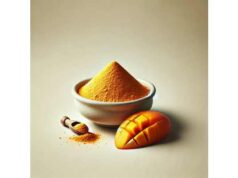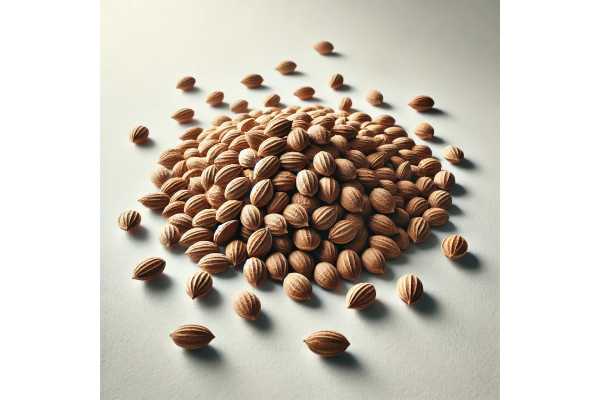
Mahlab is a fragrant spice made from the ground inner kernels of the Prunus mahaleb cherry, used for centuries across the Eastern Mediterranean and Middle East. If you have ever tasted a festive bread with a soft almond–cherry aroma and a hint of vanilla, there is a good chance mahlab was involved. Today, bakers still rely on it for holiday breads, biscuits, and pastries, while chefs experiment with it in desserts, dairy dishes, and even savory sauces.
Beyond flavor, mahlab seeds are surprisingly nutrient dense. They contain notable amounts of protein and oil, including polyunsaturated fatty acids, as well as polyphenols and other phytochemicals with antioxidant and anti-inflammatory potential. Modern research is beginning to examine these compounds for roles in metabolic health, gut protection, and cellular defense. At the same time, mahlab belongs to the cherry and almond family, so questions about cyanogenic compounds and safe intake are reasonable.
This guide walks you through what mahlab is, what is known about its nutrition and health effects, how to use it safely in the kitchen, and who may need extra caution.
Essential Insights for Mahlab
- Mahlab is a ground cherry kernel spice that offers a distinctive almond–cherry aroma, protein, and polyunsaturated seed oils in very small serving sizes.
- Laboratory and animal studies suggest antioxidant, antimicrobial, and gut-protective actions, but mahlab should be viewed as a supportive food component, not a stand-alone treatment.
- A practical culinary portion is about 0.5–2 g per day (roughly ¼–1 teaspoon of ground mahlab), used a few times per week in baked goods or mixed dishes.
- People with nut or stone-fruit allergies, those with liver or kidney disease, and pregnant individuals should keep mahlab to small culinary amounts and avoid concentrated extracts unless medically supervised.
Table of Contents
- Mahlab Background and Culinary Uses
- Mahlab Nutrition Profile and Compounds
- Mahlab Health Effects from Research
- Mahlab Safety Allergies and Interactions
- Buying Mahlab Quality Sustainability and Storage
- Using Mahlab in Cooking and Nutrient Retention
- Mahlab Portions Comparisons and FAQs
Mahlab Background and Culinary Uses
Mahlab comes from a small cherry-like fruit produced by Prunus mahaleb, a tree native to parts of the Mediterranean and Western Asia. Traditionally, the tree has served several roles: its wood is valued, it can be used as a rootstock for cultivated cherries, and its seeds are processed into this aromatic spice. The process is labor intensive. The small fruits are harvested and dried, the stones are cracked, and the inner kernels are removed, dried again, and finally ground to a fine powder.
The aroma of mahlab is distinctive: a blend of almond, cherry, and a soft vanilla-like sweetness with a slightly bitter, floral finish. That complexity makes it especially popular in festive and ceremonial baking. It is a signature ingredient in certain holiday breads and pastries in Greek, Turkish, Armenian, Levantine, and Middle Eastern traditions. In these recipes, mahlab is often combined with cardamom, sesame, or orange blossom water to create layered aromatics.
Beyond sweet applications, mahlab can be used in savory cooking. Some regional recipes incorporate it into cheese fillings, meat rubs, or yogurt dips, where its nutty, slightly bitter edge balances richness and acidity. Because the spice is potent, it is usually used sparingly, often in the range of a quarter to half a teaspoon in a batch of dough or filling.
Culturally, mahlab has also had a role in folk remedies. In several traditions it has been used for digestive complaints, as an expectorant, or as a tonic for general strength. Seeds and fruit extracts have been investigated in modern laboratories for antioxidant and antimicrobial actions, as well as potential effects on blood sugar and inflammation.
In the modern kitchen, mahlab remains a niche but increasingly global ingredient. Artisan bakeries and home bakers interested in traditional or fusion recipes are reintroducing it to wider audiences. It offers a way to add depth and character to otherwise familiar items such as brioche, scones, cookies, or even granola, without overwhelming them with spice heat. When handled thoughtfully, a small amount can turn a simple dough into something memorable, with aroma that lingers long after baking.
Mahlab Nutrition Profile and Compounds
Because mahlab is made from seeds rather than fruit pulp, its nutritional pattern is closer to that of nuts and oilseeds than to fresh fruit. Analyses of mahlab seed powders show that, on a dry-weight basis, they can be rich in oil, protein, and digestible carbohydrates. Many samples fall around one-third fat, one-third carbohydrate, and just under one-third protein, with some variation between cultivars and commercial sources.
The seed oil fraction is particularly interesting. Studies on white mahlab seeds have found that the oil content can be roughly 30 percent by weight and is dominated by polyunsaturated and monounsaturated fatty acids. A conjugated fatty acid called alpha-eleostearic acid can make up a large share, alongside oleic and linoleic acids. Together, these three fatty acids account for the vast majority of the oil’s profile. This combination suggests potential roles in lipid metabolism and cell membrane structure, although culinary serving sizes of mahlab are too small to treat it as a primary fat source.
Beyond macronutrients, mahlab kernels contain minerals such as potassium, magnesium, calcium, phosphorus, and trace elements like zinc and manganese in nutritionally relevant amounts when considered per 100 g of seed. In real-world use, however, the amount of mahlab consumed at one time is usually less than a gram, so its direct contribution to daily mineral targets is modest. Instead, its value lies in adding nutrient-dense, bioactive-rich material to foods that may already contain other sources of protein, minerals, and healthy fats.
The phytochemical profile of mahlab is diverse. Researchers have documented:
- Phenolic acids and flavonoids with antioxidant properties
- Anthocyanins and other pigments in the fruit and, to a lesser extent, in kernels
- Coumarin derivatives and other aromatic compounds
- Volatile constituents that shape the almond–cherry aroma
Comprehensive profiling studies of mahlab seeds across different varieties and roasting levels have shown how these compounds shift with genetics and processing. For example, roasting can change the balance of volatile aromatics and may slightly alter antioxidant capacity, which matters for both flavor design and potential functional uses.
Mahlab, like other members of the cherry and almond family, also contains small amounts of cyanogenic glycosides such as amygdalin or related compounds. These molecules can release hydrogen cyanide when broken down. At the trace levels present in culinary use, and when seeds are processed and dosed appropriately, these do not usually pose a risk for healthy adults, but they are an important part of safety discussions for higher intakes.
Overall, mahlab can be thought of as a compact carrier of seed oil, protein, and polyphenols. Its direct contribution to calorie or protein intake is small at typical doses, yet its dense matrix of bioactive compounds may help explain the biological effects observed in experimental research.
Mahlab Health Effects from Research
Modern research on mahlab examines many parts of the plant: seeds, seedcakes, fruits, and leaf extracts. While human clinical trials are still limited, preclinical and in vitro work suggests several potential health-relevant actions.
Laboratory studies consistently report strong antioxidant capacity in mahlab extracts. Seed, fruit, and even shell fractions show the ability to neutralize reactive species and protect lipids and other biomolecules from oxidation in test systems. Phenolic compounds, anthocyanins, and certain coumarin derivatives are thought to contribute to these effects. Antioxidant activity is relevant to long-term health because chronic oxidative stress is linked with cardiovascular disease, insulin resistance, and cellular aging, although translating test-tube antioxidant scores into human outcomes always requires caution.
Mahlab preparations also demonstrate antimicrobial and antifungal activity. Extracts have inhibited a range of bacteria and fungi in culture, and combinations with conventional agents have been explored for potential synergistic effects. This supports the traditional use of mahlab-containing foods and drinks as tonics and may help explain why mahlab kernel powder has been tested as a functional ingredient in bread and other products from a safety and shelf-life perspective.
In terms of metabolic and organ-focused effects, several animal studies are noteworthy. Fruit and seed extracts have been evaluated in models of chemically induced colitis, kidney stone formation, and metabolic disruption. In some cases, mahlab extracts improved markers of inflammation, oxidative stress, or tissue damage compared with controls, suggesting protective effects on gut and kidney tissues and possibly on blood lipid or glucose patterns. These findings are promising but preliminary and should not be taken as evidence that mahlab products alone can prevent or treat such conditions.
There is growing interest in the oil fraction itself. Seed oils and phenolic-rich fractions derived from mahlab seedcakes have shown antioxidant activity and effects on key enzymes involved in oxidative processes. Functional food developers are exploring whether mahlab oil might be used in niche applications where its fatty acid profile and bioactive compounds could add value.
A number of recent reviews draw these strands together, concluding that Prunus mahaleb displays antioxidant, antimicrobial, anti-inflammatory, gastro-protective, and potentially neuroprotective and glucose-modulating activities in preclinical models. Importantly, they emphasize that evidence is still concentrated in test-tube and animal work, with relatively few human trials to confirm efficacy, optimal dosing, or long-term safety.
From a practical standpoint, the current evidence supports viewing mahlab as one of many potentially beneficial plant ingredients that can enrich a whole-food diet. It may be especially interesting for people seeking to diversify their spice and seed intake with underutilized species. However, it should not replace established medical treatments or core diet and lifestyle strategies. Instead, think of mahlab as a specialty spice with a rich cultural history and an emerging research profile that fits well within a varied pattern of eating based on minimally processed foods.
Mahlab Safety Allergies and Interactions
Safety around mahlab focuses on three main areas: cyanogenic compounds, allergy or cross-reactivity, and possible interactions with health conditions or medications.
Like many stone-fruit seeds, mahlab kernels contain cyanogenic glycosides such as amygdalin or related molecules. When these compounds are hydrolyzed, they can release hydrogen cyanide, a highly toxic substance at sufficient doses. The amounts in culinary portions of properly processed mahlab appear to be very low, especially when the spice is used occasionally and in gram-level or smaller doses. However, very large intakes of raw or poorly processed kernels, or high-dose homemade extracts, could theoretically approach unsafe cyanide exposure, particularly for children or individuals with reduced detoxification capacity.
Allergic reactions are another consideration. Mahlab is botanically related to cherries, almonds, and other members of the same plant family that are known allergenic triggers in some people. Individuals with existing allergies to tree nuts or stone fruits may be at increased risk of cross-reactivity and should approach mahlab cautiously, ideally with guidance from an allergy specialist. Symptoms can include oral itching, hives, swelling, or, rarely, more severe reactions.
Gastrointestinal sensitivity is possible, particularly when mahlab is used in concentrated form. Some people may experience stomach discomfort, nausea, or loose stools if they consume large quantities of rich, seed-based foods or oils, including mahlab derivatives. Introducing the spice gradually and using it in mixed dishes can help gauge tolerance.
Interactions with medications are not well studied for mahlab specifically. However, its seed components and polyphenols may, in theory, influence the activity of enzymes involved in metabolizing certain drugs, or add to the overall burden of bioactive compounds in people taking multiple herbal or nutritional products. In animal and laboratory settings, mahlab extracts have shown effects on inflammatory pathways, oxidative stress, and enzyme activity, which are also targets for various medications. For this reason, people on complex regimens for chronic conditions should inform their healthcare providers if they plan to use mahlab regularly or in supplemental forms.
Pregnancy and breastfeeding require particular caution. Safety data on high-dose mahlab use in these life stages are lacking, and the presence of cyanogenic compounds and other potent phytochemicals argues against experimental dosing. Culinary amounts in occasional baked goods are generally considered acceptable, but more than that should be discussed with a healthcare professional.
Finally, individuals with significant liver or kidney disease, or those with compromised respiratory function, may have a narrower margin for tolerating cyanide and other compounds that require efficient detoxification and excretion. For them, limiting mahlab to rare, small exposures, or avoiding it altogether, may be the most prudent course unless advised otherwise by their clinical team.
In short, mahlab appears safe for most healthy adults when used in normal culinary quantities. The main safety concerns arise at high doses, with underlying disease, with poorly supervised use of extracts, or in people with relevant allergies.
Buying Mahlab Quality Sustainability and Storage
Because mahlab is still a specialty ingredient in many markets, quality can vary considerably. Paying attention to appearance, aroma, and sourcing helps ensure that what you buy is both flavorful and as safe as possible.
Mahlab is sold either as whole kernels or as a pre-ground powder. Whole kernels are ivory to light beige and roughly almond-shaped but much smaller. They should look clean, dry, and free of visible mold or damage. When lightly crushed, they release a pronounced almond–cherry fragrance; an absence of aroma suggests age or poor storage. Ground mahlab is convenient for baking but more vulnerable to oxidation, flavor loss, and potential adulteration with cheaper fillers.
Whenever possible, buying whole kernels and grinding small amounts at home just before use offers the best control over freshness and quality. A small electric spice grinder or a sturdy mortar and pestle works well. If you prefer pre-ground mahlab, look for suppliers who specialize in spices, provide harvest or packing dates, and move stock quickly.
Sustainability and ethics are also worth considering. Mahaleb trees are often grown in mixed landscapes and used as rootstocks for other cherries. There is growing interest in using parts of the plant that were previously discarded, such as shells and seedcakes, as sources of antioxidants and other bioactive compounds. This “from waste to resource” approach may reduce environmental impact and improve income for growers and processors. Choosing products from transparent suppliers, or from regions with established smallholder orchards, supports more sustainable production.
At home, proper storage is essential for preserving both flavor and safety:
- Keep mahlab in an airtight container, preferably glass or metal with a tight seal.
- Store the container in a cool, dry, dark place, away from sunlight, heat, and humidity.
- Avoid storing spices above the stove or dishwasher, where temperature and moisture fluctuate.
Under these conditions, whole kernels can maintain quality for about one to two years, while ground mahlab is best used within six to twelve months. If the spice develops an off smell, mustiness, or a rancid, oily note, it should be discarded. Likewise, any sign of visible mold means the product should not be used.
Because mahlab is relatively potent and used in small quantities, buying little and buying often is a good strategy. A small jar is likely to be used up while still fragrant, whereas a large bag may sit for years and lose most of its character before it is finished.
Using Mahlab in Cooking and Nutrient Retention
Cooking with mahlab is as much art as science, because its flavor is both delicate and powerful. Understanding how to handle it in the kitchen can help you enjoy its character while preserving as many of its beneficial compounds as practical.
For sweet baking, mahlab is a natural partner for enriched doughs and dairy. It works well in:
- Festive breads and brioches
- Sweet rolls and buns
- Cookies, shortbread, and biscotti
- Milk puddings, custards, and rice desserts
In these contexts, mahlab is usually combined with other aromatics such as citrus zest, cardamom, or vanilla. A typical starting point is about a quarter teaspoon of freshly ground mahlab for a recipe using 300–500 g of flour. You can then adjust up or down after tasting the results; too much mahlab quickly becomes bitter or overpowering.
Savory uses are less well known but equally promising. Small amounts of mahlab can be added to:
- Cheese and yogurt spreads
- Meat or poultry marinades and rubs
- Stuffings for pastries or vegetables
- Nut and seed-based crusts or coatings
In these dishes, mahlab adds a background warmth and nuttiness rather than obvious sweetness. It can bridge the flavors of dairy, herbs, and gentle acidity.
From a nutrient and phytochemical standpoint, the main concern during cooking is the stability of volatile aromatics and certain sensitive compounds. Long, high-temperature exposure can evaporate or degrade some of these molecules. To balance flavor and retention:
- Grind mahlab shortly before using to limit pre-cooking oxidation.
- For baked goods, mix it into the dough or batter so it is protected within the moist matrix as the product bakes.
- In stovetop dishes, add mahlab later in the cooking process or during a gentle simmer rather than at maximum heat.
Seed oils in mahlab are relatively stable under typical baking conditions, especially when embedded in a dough rather than exposed directly on a hot surface. Controlled heating tests suggest that mahlab oils can tolerate common kitchen temperatures reasonably well, though extremely high heat or repeated frying should still be avoided.
If you are using mahlab primarily out of interest in its potential health effects, pairing it with other nutrient-dense ingredients is helpful. For example, a whole-grain festive bread with nuts and seeds, lightly sweetened and flavored with mahlab, provides more substantial nutritional value than a refined white loaf with a similar spice dose.
Finally, remember that “nutrient retention” with mahlab often means preserving its aromatic and phenolic character while keeping portions small. It is not necessary to maximize intake to gain any benefit; in fact, moderate use within a varied diet is likely to be more sustainable and safer than concentrating mahlab into large, frequent doses.
Mahlab Portions Comparisons and FAQs
Because mahlab is concentrated, appropriate portions are small. Unlike staple foods, it is not meant to be eaten by the spoonful but as a seasoning.
For most healthy adults, a reasonable culinary range is roughly 0.5–2 g per day when used, equivalent to about a quarter to one teaspoon of ground mahlab. This might be spread across several servings of bread, pastries, or other dishes. On festive occasions, a single serving could contain slightly more, but such occasions are typically infrequent. Children, older adults with low body weight, and people with chronic illness may need lower amounts; in many cases, occasional exposure from shared family dishes is plenty.
Compared with other seeds, mahlab has some unique aspects:
- Relative to sesame or sunflower seeds, mahlab offers more distinctive aromatics and is used at much lower doses.
- Nutritionally, its oil and protein content per 100 g are comparable to some oilseeds, but this rarely translates into major macronutrient intake because portions are tiny.
- Its cyanogenic content is a shared feature with bitter almonds and certain other kernels, underscoring the need for moderation and proper processing.
Frequently asked questions include:
Can I use mahlab every day?
In small culinary amounts, mahlab can be part of a regular pattern of eating, especially if it is rotated with other spices and seeds. There is no established “daily requirement,” and using it occasionally may be more realistic for many people, given its strong flavor.
Is mahlab a good source of healthy fats?
Mahlab seed oil has an interesting fatty acid profile, with notable polyunsaturated components and bioactive conjugated fatty acids. However, at typical doses of less than a gram or two of spice, the absolute amount of fat consumed is small. It is better seen as a fine-tuning addition to a diet that already includes well-studied sources of healthy fats such as nuts, seeds, and certain oils.
Does roasting mahlab affect its health benefits?
Roasting can change volatile aromatics and may modestly alter phenolic content and antioxidant activity, depending on temperature and time. Some work suggests that careful roasting can preserve or even enhance certain sensory and functional properties, while harsh conditions may degrade them. For home use, moderate roasting or using commercially roasted products from reputable suppliers is sensible.
Is mahlab safe for people with diabetes or heart disease?
Preclinical work hints at possible benefits of mahlab extracts for metabolic parameters and vascular health, but these findings are early. Culinary amounts of mahlab are unlikely to harm most people with these conditions and may fit into a broader pattern of heart- and glucose-friendly eating. However, any use of concentrated supplements should be discussed with a healthcare professional, particularly for those on medication.
Who should limit or avoid mahlab?
Caution is advisable for anyone with:
- Known allergy to stone fruits, almonds, or related seeds
- Significant liver or kidney disease
- Pregnancy or breastfeeding, especially if considering anything beyond small culinary doses
- Complex medication regimens where untested herbal interactions are a concern
In these cases, either avoiding mahlab or limiting it to rare, very small exposures is prudent unless a clinician offers tailored advice.
Used thoughtfully, mahlab offers a way to connect with ancient culinary traditions while benefiting from a modern understanding of seed nutrition and phytochemicals. The key is moderation, diversity, and respect for both its flavor and its potency.
References
- Profiling of primary and phytonutrients in edible mahlab cherry (Prunus mahaleb L.) seeds of different cultivars 2023 (Research Article)
- Characterization of white mahlab (Prunus mahaleb L.) seed oil: a rich source of α-eleostearic acid 2014 (Research Article)
- Evaluation of total phenolic content and antioxidant activity in ten selected mahaleb (Prunus mahaleb L.) genotypes 2015 (Research Article)
- Bioactivities of Prunus mahaleb: A mini review 2024 (Systematic Review)
- Exploring the utility of Prunus mahaleb extracts as a source of natural bioactive compounds for functional applications 2025 (Research Article)
Disclaimer
The information in this article is intended for general educational purposes and does not constitute medical advice, diagnosis, or treatment. Mahlab and other plant-derived ingredients can interact with health conditions and medications, particularly at higher doses or in concentrated extract form. Always consult a qualified healthcare professional before using mahlab for therapeutic purposes, changing your medication or treatment plan, or making significant dietary changes based on what you read here. Seek prompt medical care for any concerning symptoms, and do not delay or disregard professional advice because of information found online.
If you found this overview of mahlab useful, you are warmly encouraged to share it with others on Facebook, X (formerly Twitter), or any platform you prefer. Thoughtful sharing helps more readers discover balanced, evidence-informed nutrition content and supports the continued creation of high-quality educational resources.