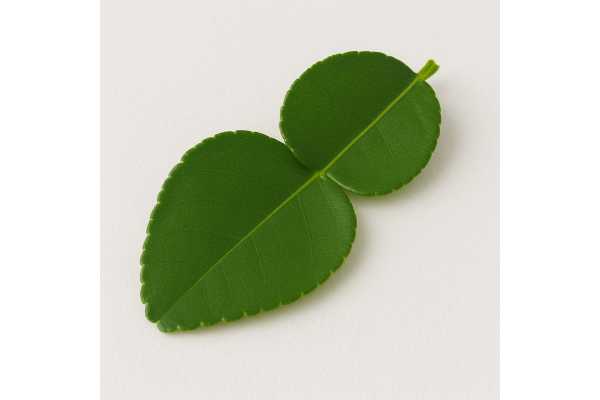
Makrut lime leaf, from the citrus tree Citrus hystrix, is one of the signature aromatics of Southeast Asian cooking. Its twin-lobed leaves release an intense citrus, floral, and slightly spicy fragrance that can transform a simple broth or curry into something complex and memorable. While many people know the fruit’s bumpy peel, it is the leaf that cooks reach for when they want bright flavor without sharp acidity.
Beyond its culinary appeal, makrut lime leaf contains essential oils and plant compounds with antioxidant, antimicrobial, and insect-repellent properties. Modern research is exploring how these phytochemicals might support food preservation, skin health, and metabolic balance when used appropriately. At the same time, concentrated forms such as essential oils require careful handling, especially for people with sensitive skin or citrus allergies.
This guide walks you through what makrut lime leaves are, how they are used, what is known about their potential health effects, and how to enjoy them safely in everyday cooking.
Key Takeaways for Makrut Lime Leaf
- Makrut lime leaves add intense citrus aroma with minimal calories, making dishes feel fresher and more complex without extra salt or sugar.
- Leaf essential oils contain aromatic compounds with antioxidant and antimicrobial activity, but most evidence comes from lab and animal studies, not large human trials.
- A typical culinary portion is about 2–5 leaves (or 0.5–2 g dried) per dish, used several times per week for most healthy adults.
- People with known citrus allergy, very sensitive skin, or strong fragrance intolerance should be cautious and may need to avoid direct contact with makrut lime leaf and its essential oil.
Table of Contents
- Makrut Lime Leaf Fundamentals
- Makrut Leaf Nutrients and Phytochemicals
- Makrut Leaf Evidence Based Benefits
- Makrut Leaf Risks and Sensitivities
- Selecting Makrut Leaves and Storage
- Cooking with Makrut Leaves Wisely
- Makrut Leaf Portions and Common Questions
Makrut Lime Leaf Fundamentals
Makrut lime (Citrus hystrix) is a small, hardy citrus tree native to Southeast Asia, especially Thailand, Indonesia, and surrounding regions. The fruit is small with a characteristically knobbly, rough peel, but in everyday cooking it is the leaves that are most prized. They grow as “double” leaves, with two leaflets joined end to end, which makes them easy to recognise once you have seen them.
The leaves hold a high concentration of volatile aromatic compounds in their oil glands. When torn, crushed, or finely sliced, they release a fresh yet intense fragrance that combines lime zest, lemongrass, and a faint floral note. This aromatic profile explains why the leaves are almost always used in small quantities: a few pieces can flavour an entire pot of soup.
In traditional cuisines, makrut lime leaves appear in:
- Thai dishes such as tom yum soup, green and red curries, fish cakes, and stir-fries
- Lao and Cambodian soups, minced meat salads, and stews
- Indonesian, Malaysian, and Sri Lankan curries, sambals, and coconut-based sauces
They can be used whole (then removed before serving), shredded into fine slivers, or ground into curry pastes. The leaves contribute aroma more than taste; they do not make a dish sour in the way lime juice does.
Beyond the kitchen, makrut lime leaves and their essential oil have long been used in traditional remedies and household products. In some cultures they are added to herbal baths, steam inhalations, or hair rinses for a feeling of freshness. The essential oil is used in perfumes, massage oils, insect-repellent blends, and natural cleaning sprays because of its powerful fragrance and antimicrobial activity.
It is also important to address naming. The term “kaffir lime” is widely used in older recipes and commercial products but is considered offensive in many regions because of its historical use as a slur. “Makrut lime” or simply “Citrus hystrix lime” are more respectful alternatives and are increasingly preferred in culinary writing and food labelling.
As a culinary ingredient, makrut lime leaf is usually consumed in very small amounts. That means its direct nutritional contribution is modest, yet it can significantly shape flavor, reduce the need for added salt, and introduce a variety of bioactive compounds from its essential oils and polyphenols.
Makrut Leaf Nutrients and Phytochemicals
Because makrut lime leaves are used as a seasoning rather than a bulk vegetable, standard food tables rarely list a complete nutrient breakdown. However, by considering what is known about citrus leaves and the plant’s phytochemistry, we can outline the main nutritional and bioactive features.
On a macronutrient level, fresh leaves are mostly water, with small amounts of fibre, carbohydrate, and protein. A typical serving in a dish (2–5 leaves, around 1–3 g) contributes negligible calories, fat, sugar, and sodium. From an energy perspective, they are essentially “free” flavor.
The more interesting story lies in micronutrients and phytochemicals:
- Vitamins and minerals: Like many leafy plant parts, makrut leaves contain vitamin C, provitamin A carotenoids, and small amounts of minerals such as potassium and calcium. The absolute intake per serving is modest because of the tiny quantity eaten, but these nutrients contribute to the leaf’s antioxidant potential.
- Phenolic compounds: Research on Citrus hystrix has identified various flavonoids and phenolic acids. These compounds help neutralise free radicals in test-tube experiments and may support the stability of foods when makrut is used as a natural preservative.
- Coumarins and other secondary metabolites: The plant contains coumarins and related molecules, which can contribute to both aroma and bioactivity. In high concentrations, some citrus coumarins are photosensitising, but leaf preparations used in food typically provide very low levels compared with concentrated peel oils.
The essential oil extracted from leaves is especially well studied. Across many analyses, the major volatile constituents of leaf oil commonly include citronellal, citronellol, citronellyl acetate, sabinene, and related monoterpenes, although the exact profile depends on plant origin, leaf age, and extraction method. These compounds are responsible for the characteristic fragrance and play roles in:
- Antioxidant and radical-scavenging activity
- Antimicrobial and antifungal effects in vitro
- Insect-repellent and insecticidal properties
- Possible modulation of inflammatory and metabolic pathways in experimental models
When leaves are briefly simmered in soups or curries, a fraction of these volatile molecules moves into the cooking liquid and fat, where they can influence both aroma and shelf life. Drying and long boiling tend to decrease the more delicate top notes while leaving heavier constituents relatively more prominent.
From a practical standpoint, think of makrut lime leaves not as a major nutrient source like leafy greens, but as a dense package of plant aromatics. Used regularly, they can help diversify your intake of plant compounds, supporting a varied dietary pattern rich in herbs and spices, which is associated with better overall diet quality.
Makrut Leaf Evidence Based Benefits
Research on Citrus hystrix has grown rapidly in the last decade, but most studies focus on extracts and essential oils, often in laboratory or animal models rather than in long-term human trials. This means we should interpret potential benefits as promising but still emerging, especially when thinking about casual culinary use.
1. Antioxidant and anti-inflammatory potential
Extracts of makrut lime leaves and their essential oils show strong antioxidant activity in various assay systems. They can scavenge free radicals and help protect model lipids or biological membranes from oxidation. Some cell-based and animal studies suggest these extracts may also modulate inflammatory markers, although the doses used are typically much higher than what is obtained from a bowl of soup.
In everyday cooking, this antioxidant effect is more likely to contribute to food quality (slower rancidity, better color and aroma) than to serve as a standalone therapeutic tool. Still, incorporating a variety of aromatic leaves and spices is one way to build an overall diet rich in protective plant compounds.
2. Antimicrobial and food-preserving effects
Makrut lime leaf essential oil and extracts have demonstrated activity against a range of bacteria and fungi in vitro, including food-related microbes. In applied studies, incorporating makrut-derived ingredients into edible coatings, marinades, or packaging films has helped slow microbial growth and oxidation in foods such as meat and fish.
At home, that does not replace basic food safety practices, but dishes that include makrut leaves—especially in acidic or salty environments like curries, soups, or pickles—may gain a small additional layer of protection alongside refrigeration and proper hygiene.
3. Insect repellent uses
The volatile profile of makrut leaf oil has been tested as a natural insect repellent. Laboratory and field-style tests report repellent or insecticidal effects against certain mosquitoes, houseflies, and other pests, making the oil a candidate ingredient for plant-based repellents and household sprays.
These applications usually involve strongly scented topical or environmental formulations rather than food use. Anyone using such products on skin should pay attention to dilution, potential irritation, and product instructions.
4. Metabolic and other experimental findings
A handful of animal and cell studies suggest that Citrus hystrix leaves or peel extracts might influence blood sugar regulation, lipid profiles, or fat cell development. Proposed mechanisms include antioxidant activity, enzyme modulation, and changes in gene expression related to metabolism.
These findings are intriguing but preliminary. There are no robust human studies showing that adding makrut lime leaves to your diet alone will treat metabolic conditions. It is more realistic to view them as part of a broader pattern of using herbs and spices to enhance flavor, making healthful meals more enjoyable and perhaps contributing incremental benefits over time.
5. Sensory and dietary benefits
Finally, the most immediate advantage is sensory. Makrut lime leaves can make simple, plant-forward meals taste vivid and satisfying. When food is more aromatic and flavorful, it can be easier to enjoy meals that are moderate in salt, added sugar, and heavy sauces. Over months and years, that kind of culinary support may have more impact on health than any single phytochemical.
Makrut Leaf Risks and Sensitivities
For most people using small culinary amounts, makrut lime leaves are unlikely to pose major health risks. However, certain situations call for caution, especially with concentrated products like essential oils.
1. Citrus allergy and cross-reactivity
People who are allergic to citrus fruits may react to leaves as well, since many of the same proteins and aromatic compounds appear throughout the plant. Symptoms can range from oral tingling and itching to skin rashes or, rarely, more serious reactions. Anyone with a known citrus allergy should speak with their healthcare professional before trying makrut lime leaves and avoid them if past reactions have been significant.
2. Skin irritation and sensitisation
Makrut leaf essential oil is rich in terpene compounds that can irritate the skin, especially when oxidised or used undiluted. Safety reviews of citrus flower- and leaf-derived cosmetic ingredients conclude that these materials are generally safe when formulated to avoid irritation and sensitisation and when certain photosensitising components are kept within limits.
For personal use, that translates to practical guidelines:
- Do not apply undiluted makrut leaf essential oil directly to skin.
- If using in massage oils or cosmetic products, ensure proper dilution and patch-test first.
- Store oils tightly closed, away from heat and light, to reduce oxidation.
3. Phototoxicity and furocoumarins
Some citrus oils, especially those from peels, contain furocoumarins that can increase sensitivity to sunlight and raise the risk of skin damage when applied before sun exposure. Makrut leaf oil tends to be less associated with strong phototoxicity than certain peel oils, but it may still include small amounts of potentially photosensitising components.
To be cautious, avoid using leave-on products with citrus oils on large skin areas before intense sun exposure unless they are specifically labelled and formulated as safe for daytime use.
4. Internal use of essential oil
There is growing interest in ingesting essential oils, but internal use of makrut leaf oil is not well studied in humans. Animal safety data suggest relatively low acute toxicity at modest doses, yet the high concentration of active compounds means that even small volumes far exceed normal culinary exposure.
Without personalised guidance from a qualified professional, it is safer to keep makrut essential oil for external or aromatic use only and obtain flavor in food from the whole leaves.
5. Special populations and medications
- Pregnancy and breastfeeding: Human data specific to makrut lime leaf are limited. Occasional culinary use is generally considered acceptable for most, but concentrated extracts and essential oils should be avoided unless a healthcare professional advises otherwise.
- Children: Children may be more sensitive to strong fragrances and essential oils. Culinary use in family dishes is usually fine, but topical or aromatic uses should be conservative and guided by age-appropriate recommendations.
- Medications and conditions: Theoretically, potent citrus extracts could influence liver enzymes or interact with certain medications, but there are no well-documented interactions for culinary amounts of makrut leaf. People on complex medication regimens, or with chronic liver or kidney disease, should still discuss heavy or supplemental use of any herbal product with their healthcare team.
Selecting Makrut Leaves and Storage
Choosing good-quality makrut lime leaves and storing them properly makes a noticeable difference to both flavor and safety. Because the leaves are often transported long distances from tropical growing regions, paying attention to freshness and handling is especially important.
Fresh leaves
When available, fresh leaves offer the brightest aroma. Look for:
- A glossy, deep green colour without yellowing or brown spots
- Firm, slightly leathery texture rather than limp or brittle leaves
- Strong fragrance when lightly rubbed between your fingers
Avoid leaves that are dull, torn, excessively dry, or have visible mould or insect damage. If you buy them bundled, check the inner leaves, which can sometimes harbour moisture and spoilage.
At home, remove any obviously damaged leaves, wrap the rest lightly in paper towel, and place them in an airtight container in the refrigerator. In this state, they usually keep for about a week.
Frozen leaves
Because makrut lime leaves freeze exceptionally well, many home cooks and restaurants rely on frozen supplies. Freezing preserves most of the aroma compounds and colour, with only a modest change in texture, which matters little since the leaves are usually cooked or steeped.
You can freeze leaves by:
- Washing and drying them thoroughly.
- Spreading them in a single layer on a tray to freeze individually.
- Transferring them to an airtight bag or container once frozen.
Properly frozen, they can maintain good quality for 6–12 months. You can use them directly from the freezer without thawing.
Dried and powdered leaves
Dried leaves and powders are more shelf-stable but tend to have a softer, more muted aroma compared with fresh or frozen. They are still useful when fresh leaves are unavailable, particularly in spice blends or dry rubs.
When buying dried forms, choose products that:
- Are vibrant green rather than grey or brown
- Come in sealed, opaque packaging to limit light and air exposure
- List only makrut lime leaf on the ingredient label, without unnecessary additives
Store them in a cool, dark cupboard in well-sealed jars. Aim to use opened dried leaves within about 6–12 months for best flavour.
Sustainability considerations
Makrut lime trees are often grown in small orchards or mixed gardens alongside other crops. To support sustainable practices:
- Favour suppliers that can trace their sourcing and describe growing practices.
- Where possible, choose producers from regions known for responsible agriculture and fair labour.
- If you live in a suitable climate, consider growing a potted makrut lime tree at home, which allows you to harvest leaves as needed and reduce transport-related impact.
Even these small choices can help align everyday cooking with environmental and social responsibility.
Cooking with Makrut Leaves Wisely
Makrut lime leaves can feel intimidating at first because their flavor is so intense, but a few simple techniques make them easy and enjoyable to use. The goal is to release their fragrance while avoiding overly bitter or woody notes.
Basic preparation methods
- Whole leaves: Often added to soups, stews, or curries and removed before serving, similar to bay leaves. Gently tear or bruise them to expose the oil glands and enhance aroma.
- Fine shreds: Stack several leaves, remove the tough central stem, roll them tightly, and slice into very thin strips (chiffonade). These slivers can be stirred into salads, steamed fish, or coconut-based curries for bursts of fragrance.
- Pastes and marinades: Blend leaves with garlic, shallot, chillies, lemongrass, ginger, and spices to form curry pastes or wet rubs for seafood, tofu, or poultry.
Because the leaves are fibrous, most people prefer not to eat large pieces directly. Fine shreds soften somewhat during cooking, but whole leaves are usually removed.
Timing and heat
Many of the key aroma compounds in makrut leaf oil are volatile and sensitive to prolonged high heat. To retain their brightness:
- Add whole leaves early to broths or stews if you want deeper, background citrus notes.
- Add shredded leaves or pastes later in cooking—during the final 5–10 minutes—so their fragrance stays vivid.
- Avoid frying leaves at very high temperatures for long periods, as this can dull aroma and potentially create off-flavours.
Simple ways to use makrut lime leaves
- Simmer 2–3 leaves in a pot of rice or quinoa, then discard them before serving for a subtle citrus fragrance.
- Add a leaf or two to coconut milk when warming it for soup or curry, then remove before blending.
- Infuse leaves in hot water with ginger and a small amount of sweetener to make a soothing herbal tea.
- Combine with lemongrass, galangal, and lime juice for classic Southeast Asian flavour profiles.
Maximising flavour while supporting nutrition
If you are using makrut lime leaves to help reduce salt or sugar:
- Build layers of flavour with aromatics (onion, garlic, ginger), herbs, and spices before adding salt.
- Use citrus juice, vinegar, or tamarind alongside makrut leaves to provide brightness that can make lower-salt dishes feel more satisfying.
- Pair with vegetables, legumes, and whole grains, letting the strong aroma carry dishes that are otherwise quite simple.
Used this way, makrut lime leaves become a practical culinary tool that supports both pleasure and healthier cooking patterns.
Makrut Leaf Portions and Common Questions
Because makrut lime leaves are so potent, “how much is too much?” is a common question. Evidence-based dosing guidelines for culinary herbs are rarely as precise as those for medicines, but some reasonable practical ranges can help.
Typical culinary portions
For most healthy adults, incorporating makrut lime leaves into cooking a few times per week is considered a moderate, food-based use. Common amounts include:
- Soups and curries: 2–5 whole leaves per pot (serving 2–4 people), removed before eating.
- Rice and grains: 1–2 leaves per cup of dry grain during cooking.
- Salads and garnishes: 1–2 finely shredded leaves across several portions.
- Herbal infusions: 1–2 leaves per cup of hot water, steeped and then strained.
Because the leaves themselves are not usually eaten in large quantities, total intake of fibre and micronutrients from them remains low, but exposure to aroma compounds and polyphenols can still be meaningful.
How does makrut leaf compare with other citrus herbs?
- Versus lime zest: Lime zest is more acidic and directly sour, whereas makrut leaves emphasise floral and herbal citrus notes. Zest contributes more vitamin C by weight, but it also tends to be used in slightly larger amounts.
- Versus lemongrass: Lemongrass has a grassy, lemony flavour driven by citral, while makrut leaf aroma is more complex, with citronellal and related compounds. The two are often used together to create a layered flavour profile.
- Versus other citrus leaves: Leaves from regular lime or lemon trees can be used in a similar way but are usually milder and less distinctive than makrut leaves.
Frequently asked questions
Can I eat the leaves themselves?
Small shredded pieces can be eaten, but many people find them tough and prefer to remove whole leaves or large strips before serving. There is no requirement to eat the leaf to gain aroma benefits, since most key compounds diffuse into the dish.
Are makrut lime leaves safe during pregnancy?
Culinary use in normal recipe amounts is generally considered low risk for most pregnant individuals, but there is limited direct research on pregnancy outcomes. Concentrated extracts and essential oils should be avoided unless recommended by a qualified professional.
Can children eat foods seasoned with makrut lime leaves?
In family meals, small amounts used to flavour soups, curries, or rice are typically well tolerated, assuming there is no citrus allergy. As with adults, essential oils and strong topical products should be used cautiously and in age-appropriate ways.
What about supplements or high-dose extracts?
Some products may market Citrus hystrix leaf or peel extracts for specific health benefits. Because human evidence is still limited and quality can vary, it is best to discuss any concentrated supplement with a healthcare provider, especially if you have underlying health conditions or take regular medications.
How can I substitute if I cannot find makrut lime leaves?
There is no perfect substitute, but you can approximate the flavour with a combination of lime zest and a small amount of lemongrass or bay leaf. Use less than you think you need at first, and adjust gradually to avoid overpowering the dish.
Ultimately, the safest and most sustainable way to enjoy makrut lime leaves is as a flavourful accent in a diverse, plant-forward diet rather than as a standalone remedy.
References
- Citrus hystrix: A review of phytochemistry, pharmacology and industrial applications research progress 2023 (Systematic Review)
- Essential oil of Citrus hystrix DC.: A mini-review on chemical composition, extraction method, bioactivities, and potential applications in food and pharmaceuticals 2023 (Review)
- Kaffir Lime Essential Oil Variation in the Last Fifty Years: A Meta-Analysis of Plant Origins, Plant Parts and Extraction Methods 2022 (Systematic Review / Meta-Analysis)
- Profiling study of the major and minor components of kaffir lime oil (Citrus hystrix DC.) in the fractional distillation process 2017 (Experimental Study)
- Safety Assessment of Citrus Flower- and Leaf-Derived Ingredients as Used in Cosmetics 2021 (Safety Assessment)
Disclaimer
The information in this article is intended for general educational purposes and should not be used as a substitute for personalised medical advice, diagnosis, or treatment. Makrut lime leaves and related products can affect individuals differently, especially in the presence of allergies, chronic health conditions, pregnancy, breastfeeding, or regular medication use. Always consult a qualified healthcare professional before making significant changes to your diet, using concentrated herbal preparations or essential oils, or addressing specific health concerns. Never disregard professional medical advice or delay seeking it because of something you have read here.
If you found this article helpful, you are warmly encouraged to share it with others on Facebook, X (formerly Twitter), or any platform you prefer. Thoughtful sharing supports our ability to continue creating carefully researched, accessible nutrition and food content for readers around the world.