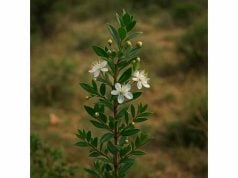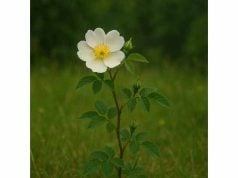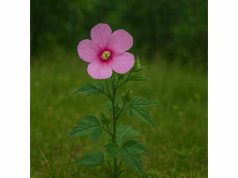
Mallow is one of those herbs that feels gentle from the first cup. Best known in modern herbal practice as Malva sylvestris or common mallow, it is also part of a wider group of Malva species used in traditional medicine and as edible plants. Its leaves and flowers are especially valued for their softening, moisture-holding mucilage, which helps explain why mallow has long been used for dry coughs, throat irritation, mouth discomfort, mild digestive upset, and tender or inflamed skin. Modern reviews also describe a broader phytochemical profile that includes flavonoids, tannins, phenolic compounds, and other constituents with antioxidant and anti-inflammatory potential. Still, this is not an herb to oversell. The best official support for mallow remains traditional use, and the human research base is still modest. That said, mallow remains highly practical. It is approachable, soothing, and usually easy to tolerate when used in the right form and at sensible doses. For everyday herbal care, that combination matters more than hype.
Core Points
- Mallow is most useful for soothing dry, irritated tissues in the throat, mouth, stomach, and skin.
- Its strongest traditional role is as a demulcent, meaning it helps coat and calm irritated mucous membranes.
- A common flower tea range is 1 to 2 g in 250 mL water, taken 2 to 3 times daily.
- Avoid medicinal use during pregnancy and breastfeeding, and avoid it if you are allergic to mallow or similar plants.
Table of Contents
- What Mallow Is and Which Parts Are Used
- Mallow Key Ingredients and Medicinal Properties
- Health Benefits and What the Evidence Really Shows
- Common Uses for Throat, Digestion, Mouth, and Skin
- Dosage, Preparation, and How to Take Mallow
- How to Choose Good Mallow and Avoid Common Mistakes
- Mallow Safety, Side Effects, and Who Should Avoid It
What Mallow Is and Which Parts Are Used
Mallow usually refers to several related plants in the Malva genus, but in herbal medicine the best known species is Malva sylvestris, commonly called common mallow. This matters because not every product labeled “mallow” is identical. Some teas focus on the flowers, others on the leaves, and some use both. Official European herbal monographs distinguish between mallow flower and mallow leaf preparations, which is a helpful reminder that the plant part affects both traditional indications and dosing. In practice, the flower and leaf are the main medicinal parts used for teas, infusions, gargles, and soothing mouth preparations.
The herb has a long history across Europe, North Africa, and parts of Asia as both a food and a medicine. The leaves are sometimes eaten as greens, while the flowers and leaves are dried for herbal use. Traditional systems have used mallow for cough, hoarseness, sore throat, mild stomach or bowel discomfort, constipation, skin irritation, and inflamed mucous membranes. What ties these uses together is not some mysterious all-purpose power, but a very specific herbal action: mallow is soothing, moistening, and protective. It excels when tissues feel dry, irritated, or raw.
That soothing quality comes largely from mucilage, a slippery group of plant polysaccharides that swell in water and create a soft coating. This is why mallow tea feels gentler than many other medicinal herbs. It does not hit like a strong bitter or stimulant. Instead, it calms friction. Readers sometimes compare that effect to slippery elm’s mucilage-rich soothing profile, and the comparison is useful as long as you remember the plants are different in strength, tradition, and chemistry. Mallow is lighter, greener, and usually less dense in texture than slippery elm.
Another practical point is that mallow is best understood as a supportive herb, not a replacement for diagnosis. If you have mild throat irritation, a dry cough after talking too much, or stomach discomfort with a feeling of heat or roughness, mallow makes intuitive sense. If you have trouble swallowing, blood in the stool, weight loss, persistent abdominal pain, or a worsening cough with fever and breathing difficulty, an herb like mallow is not enough. Good herbal use starts with matching the plant to the problem.
There is also some confusion between common mallow and marshmallow. They are not the same plant, though both are famous for soothing mucous membranes. Common mallow belongs in a family of mucilage-rich herbs that often feel gentle and broad in action. That is part of its appeal. For many people, mallow is less about “fixing” the body and more about giving irritated tissues a chance to settle. When you frame it that way, its traditional reputation becomes much easier to understand.
Mallow Key Ingredients and Medicinal Properties
Mallow’s best-known active group is its mucilage, and that is where any practical discussion should begin. Mucilage is a blend of water-loving polysaccharides that turns slick and gel-like when mixed with liquid. In herbal terms, this gives mallow its classic demulcent action: it coats irritated surfaces and helps reduce the feeling of dryness, scratchiness, or friction. That single property explains a great deal of mallow’s traditional use for dry cough, sore throat, mild stomach irritation, and mouth discomfort.
But mallow is not just a mucilage herb. Reviews of Malva sylvestris also describe flavonoids, terpenoids, phenol derivatives, coumarins, sterols, tannins, saponins, and alkaloids in the leaves and flowers. These compounds help explain why mallow is often discussed not only as soothing, but also as antioxidant and mildly anti-inflammatory. Anthocyanin pigments in the flowers and other phenolic compounds add to that broader profile. In plain language, mallow protects partly by physical coating and partly through chemistry that may help moderate irritation and oxidative stress.
This layered chemistry is why mallow can feel more versatile than its very mild taste suggests. The main medicinal properties usually associated with it are:
- demulcent and emollient
- mild anti-inflammatory
- antioxidant
- softening and moisture-preserving
- gently laxative or stool-softening in some settings
- soothing to oral, pharyngeal, gastric, and intestinal mucosa
The word “gently” matters here. Mallow is rarely the right herb when a strong physiological push is needed. It is not a harsh laxative, a strong expectorant, or a potent antimicrobial. Instead, it is often used when tissues are irritated and need calm support rather than stimulation. That makes it especially useful in mixed patterns, such as a cough that feels dry rather than chesty, or a digestive complaint that feels inflamed rather than sluggish.
The part used also shapes the effect. Flower preparations are especially common for mouth, throat, and upper digestive comfort, and official guidance for flower teas reflects that. Leaf products are also traditionally used in similar ways. Commercial extracts may aim for different outcomes, including constipation support or cosmetic use, but they should not be assumed to behave exactly like a simple tea. Once you move into concentrated extracts or formulated products, the mucilage balance and whole-herb character can change.
For readers who know other classic soothing herbs, mallow fits well beside licorice as another soothing demulcent, though licorice has a much more distinctive endocrine and mineralocorticoid profile. Mallow is usually the quieter option. It offers less dramatic systemic activity, but that can be an advantage when the goal is simple comfort, not a heavy-handed intervention.
Health Benefits and What the Evidence Really Shows
The most reliable way to talk about mallow’s health benefits is to separate traditional use, preclinical promise, and human evidence. Traditional use is strong. Laboratory and animal research are also broad and suggestive. Human clinical evidence exists, but it is still limited and uneven. That means mallow deserves respect, but not exaggeration.
The best-supported traditional benefits are for irritation of the mouth and throat, associated dry cough, and mild gastrointestinal discomfort. Those are also the uses recognized in the European herbal monograph for mallow flower. This is important because the monograph does not present mallow as a cure for infection, reflux disease, ulcer disease, or inflammatory bowel disease. It presents it as a demulcent, meaning a symptom-relieving herb that helps calm irritated tissue. That is a modest claim, but a useful one.
Modern reviews add broader possibilities. Because mallow contains flavonoids, mucilages, tannins, and other compounds, it shows antioxidant, anti-inflammatory, antimicrobial, and even antiproliferative activity in laboratory settings. Those findings help explain why the herb appears in traditional formulas for skin care, bowel function, and mouth inflammation. But they should not be converted into sweeping clinical promises. A test tube and a cup of tea are not the same thing.
Where the human evidence becomes more interesting is in targeted supportive use. A 2025 triple-blind randomized clinical trial in cancer patients found that a Malva sylvestris mouthwash used three times daily for 14 days reduced chemotherapy-induced stomatitis severity and pain more than chlorhexidine by day 7. That is meaningful, but the context matters: it was a mouthwash, in a specific patient group, for a specific complication. It supports mallow’s soothing oral use, but it does not prove that any mallow tea will treat every mouth or throat condition.
A second human signal comes from a 2024 questionnaire-based survey of a chemically characterized Malva sylvestris extract-based supplement in healthy consumers with functional constipation. Reported bowel movement frequency, stool consistency, and abdominal pain improved, but the study was not a randomized placebo-controlled trial. It is promising, not definitive. Still, it fits what herbalists would predict from a mucilage-rich plant with mild laxative and soothing qualities.
So what benefits are most reasonable to expect?
- soothing relief for dry, irritated mouth or throat
- support for mild dry cough or rough-feeling upper airway irritation
- gentle relief of mild gastrointestinal discomfort
- possible help with functional constipation in some formulations
- topical soothing potential for minor irritated skin
For dry cough and scratchy throat, some readers also compare mallow with mullein for throat and cough support. Mullein is often chosen when the emphasis is respiratory, while mallow is especially helpful when dryness and tissue irritation are the dominant sensations.
Common Uses for Throat, Digestion, Mouth, and Skin
In real life, mallow is used less as a capsule herb and more as a soothing preparation. Tea is the classic form, and it makes sense because water extracts the mucilage that gives the herb much of its reputation. A warm infusion is often chosen when someone has a scratchy throat, a dry cough that feels irritating rather than heavy, or mild digestive discomfort with a sense of heat, roughness, or tenderness.
The most common internal uses are:
- tea for mouth or throat irritation
- warm infusion for associated dry cough
- tea for mild stomach or bowel discomfort
- gentle support when bowel movements are dry or difficult
- soft oral rinses or gargles for irritated mucosa
For mouth and throat care, mallow is especially appealing because it is mild. Strong antiseptic herbs can feel harsh on already tender tissues. Mallow works differently. It soothes first. That is also why it has drawn interest in supportive mouthwash research. A demulcent herb does not need to be aggressive to be clinically useful. In a sore mouth, comfort itself matters.
In digestive use, mallow tends to suit irritation more than stagnation. If someone feels burning, scratchiness, or post-meal sensitivity, mallow may be a better fit than a strongly bitter digestive. If someone mainly has gas, heaviness, and sluggish motility without irritation, a more aromatic seed herb may work better. In that sense, mallow complements rather than replaces fennel for post-meal bloating. Fennel moves gas. Mallow soothes surfaces. Sometimes those needs overlap, but they are not identical.
Topical use is another traditional lane. Cooled mallow infusions or simple water-based preparations have been used on minor inflamed or irritated skin. Modern discussions of mallow in cosmetic and dermatologic contexts often focus on its moisture-preserving and antioxidant profile rather than on any dramatic wound-healing claim. That is the right mindset for home use too. Mallow belongs in gentle, low-risk skin soothing, not in the treatment of serious wounds or infected lesions. For readers exploring skin-focused herbs, calendula for gentle skin applications is a natural comparison, though calendula tends to be more obviously resinous and wound-oriented.
A final practical use is in mixed soothing formulas. Mallow combines well with other mild herbs for the mouth, throat, or stomach because it rarely dominates the formula. It adds softness. That quality is subtle, but it is exactly why so many traditional systems kept it close at hand. Sometimes the best herb is not the most forceful one, but the one that makes recovery more comfortable.
Dosage, Preparation, and How to Take Mallow
Mallow dosing depends on the plant part and the form. The clearest official adult guidance comes from the European monograph for mallow flower. For adolescents, adults, and older adults, the monograph lists 1 to 2 g of comminuted mallow flower in 250 mL of boiling water as an infusion or in 250 mL of water as a decoction, taken 2 to 3 times daily, with an average daily dose of 5 g. That range is used for oral or pharyngeal irritation with dry cough and for mild gastrointestinal discomfort. The same source says medicinal use is not recommended in children under 12 because adequate data are lacking.
For home use, that translates into a very practical routine:
- Measure 1 to 2 g dried mallow flowers, or use the product’s stated serving if standardized.
- Add about 250 mL hot water.
- Cover and steep for 10 to 15 minutes.
- Strain and sip slowly.
- Repeat 2 to 3 times daily for short-term use, depending on the reason for taking it.
Timing matters a little. For throat and mouth irritation, frequent sipping or using the cooled infusion as a gargle can make more sense than drinking it all at once. For digestive discomfort, taking it after meals is usually more intuitive. For a dry cough, late afternoon and evening use may be especially comforting. Since mallow is not stimulating, it often fits well near bedtime.
Duration matters too. The official monograph advises consulting a clinician if mouth or throat symptoms last more than one week or if stomach and gut discomfort lasts more than two weeks during use. That is a good rule even outside Europe. Mallow is a symptom-soothing herb, not a reason to ignore persistence.
Extracts deserve a different mindset. The 2024 constipation survey used a chemically characterized extract-based food supplement, not a simple tea, and reported improvement in bowel symptoms. That kind of product cannot be translated directly into spoonfuls of dried herb unless the manufacturer provides a clear equivalence. When using an extract, the label and standardization matter more than general tea advice.
Mallow also pairs well with other gentle demulcent or throat herbs. Some people combine it with plantain as another soothing leaf for the mouth and throat when the goal is a very soft, non-irritating infusion. The key is not to overcrowd the formula. With mallow, simplicity often works best because the main benefit comes from soothing contact rather than from hitting multiple targets at once.
How to Choose Good Mallow and Avoid Common Mistakes
Mallow is easy to underestimate because it is so gentle. One common mistake is assuming that a mild herb can be used casually without paying attention to product quality. In reality, a stale or poorly processed mallow tea can feel almost useless, while a fresh, well-kept product can be noticeably soothing. Flowers and leaves should look clean, recognizable, and lightly aromatic rather than dusty, brown, or inert. If the herb seems mostly stem fragments and debris, the experience will rarely match expectations.
Another mistake is choosing the wrong preparation for the wrong problem. Mallow is best when dryness and irritation are central features. It is less impressive when the issue is thick congestion, severe constipation, strong infection, or chronic inflammatory disease requiring formal care. If you use mallow where a stronger or differently targeted herb is needed, it can seem ineffective even when the herb itself is perfectly good.
A third mistake is overcomplicating it. People sometimes add five or six herbs to a throat or stomach blend, then cannot tell what is helping. Mallow often performs best in simple formulas because its mechanism is direct. It coats, calms, and softens. That benefit can easily get lost when blended with very bitter, resinous, or strongly aromatic plants. If you want to test whether mallow helps you, start with mallow alone for several days.
Storage also matters. Because mallow is often bought as a leaf-and-flower tea, it should be kept:
- in an airtight container
- away from humidity and kitchen steam
- out of direct sunlight
- for a reasonable period rather than indefinitely
If the color has faded and the herb no longer softens the water noticeably, it may simply be old. Mucilage-rich herbs do not need to smell dramatic to be good, but they do need to retain enough freshness to swell and release their soothing components.
Finally, do not mistake a comforting symptom shift for proof that nothing serious is going on. Mallow can make a throat feel better while the underlying problem still deserves attention. The same is true of the stomach and bowel. Comfort is valuable, but it is not diagnosis. One of the most mature ways to use herbs is to appreciate the relief they offer without turning that relief into denial. That is especially true with gentle plants, which can lull people into extending self-care beyond what is sensible.
Mallow Safety, Side Effects, and Who Should Avoid It
Mallow is generally regarded as a mild herb, and official European sources report that no side effects were known at the time of monograph assessment for mallow flower medicines. Still, “mild” is not the same as “risk-free.” The safest way to think about mallow is that it is usually well tolerated when used short term and in traditional forms, but it still deserves the same basic care as any medicinal herb.
The clearest official precautions are straightforward. Mallow flower preparations are intended for adolescents and adults, and use in children under 12 is not established because adequate data are lacking. The EMA monograph also states that safety during pregnancy and lactation has not been established and, in the absence of sufficient data, use during pregnancy and breastfeeding is not recommended. That alone is enough reason to avoid casual medicinal use in those periods, even though food-level exposure in mixed dishes is a separate question.
Hypersensitivity is the main formal contraindication. If you know you react to mallow itself, do not use it. The 2024 EMA addendum also reviewed a serious reaction in a combination product and concluded that hypersensitivity remains the relevant precaution already covered in the monograph. That does not mean mallow commonly causes severe allergy. It means allergy is the adverse event category regulators continue to take seriously.
Potential side effects in everyday use are usually limited to mild digestive upset, nausea from a product that does not suit you, or rare allergic reactions such as itching, rash, or mouth irritation. Stop using the herb and seek care if you notice swelling, difficulty breathing, rapidly worsening symptoms, or any sign of a strong allergic response. Also seek medical help promptly if throat symptoms come with fever, pus, or shortness of breath, since the monograph specifically flags these as reasons to consult a clinician.
There are no well-established drug interactions in the monograph, which is reassuring, but absence of reported interactions is not the same as proof of none. With mucilage-rich herbs, caution is still sensible if you take important prescription medicines on a tight schedule. People with chronic disease, immunosuppression, or complex medication regimens should use medicinal mallow with more care than healthy adults using an occasional cup of tea.
The best safety summary is simple:
- use short term and for clear reasons
- stay within traditional tea-style dosing unless guided otherwise
- avoid medicinal use in pregnancy and breastfeeding
- avoid use if you have known hypersensitivity
- do not let a soothing herb delay evaluation of persistent or worsening symptoms
Used this way, mallow remains what it has always been best at being: a calm, supportive herb for irritated tissues, not a substitute for proper medical care.
References
- European Union herbal monograph on Malva sylvestris L., flos 2018 (Monograph)
- The phytochemical profiling, pharmacological activities, and safety of malva sylvestris: a review 2023 (Review)
- Phytochemistry and Pharmacological Activity of Malva sylvestris L: A Detailed Insight 2024 (Review)
- Efficacy and Satisfaction of a Chemically Characterized Malva sylvestris L. Extract-Based Food Supplement for Functional Constipation in Healthy Consumers: Preliminary Results of a Questionnaire-Based Survey 2024
- The effect of Malva sylvestris mouthwash on chemotherapy-induced stomatitis and associated pain in patients with cancer: a triple-blind randomized clinical trial 2025 (RCT)
Disclaimer
This article is for educational purposes only and does not replace medical advice, diagnosis, or treatment. Mallow is a traditional soothing herb, but persistent cough, painful swallowing, significant digestive symptoms, mouth ulcers that do not heal, or worsening skin problems deserve professional evaluation. Speak with a qualified healthcare professional before using mallow medicinally if you are pregnant, breastfeeding, giving it to a child, managing a chronic illness, or taking prescription medicines.
If this article helped you, please share it on Facebook, X, or any platform you prefer so others can find it.