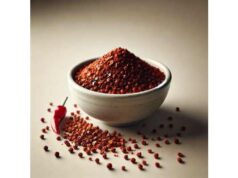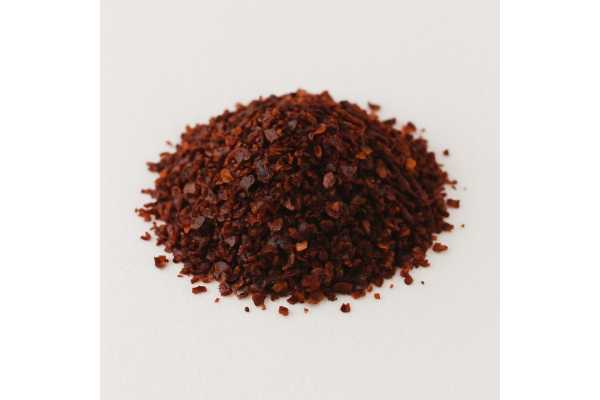
Marash pepper, sometimes spelled “Maras” pepper, is a sun-dried, coarsely ground chili from the Kahramanmaraş region of Turkey. It is known for its deep red color, gentle heat, and rich, almost jammy flavor with notes of dried fruit and smoke. In modern cooking, Marash pepper is valued as both a seasoning and a finishing spice, used to lift eggs, roasted vegetables, grilled meats, dips, and even chocolate desserts.
Beyond flavor, Marash pepper is a member of the Capsicum annuum family, so it provides many of the bioactive compounds associated with chili health benefits: vitamin C, carotenoids, polyphenols, and the pungent molecule capsaicin. These support antioxidant defenses, metabolic health, and overall dietary variety when used in small, regular amounts. This guide walks you through what Marash pepper is, its nutrition and active compounds, potential health benefits and risks, how to choose and store it, and realistic serving suggestions for daily cooking.
Key Flavor and Health Highlights
- Marash pepper is a medium-heat Turkish chili with a fruity, gently smoky taste that works well as a finishing spice.
- It provides vitamin C, carotenoids, and polyphenols that contribute to antioxidant and anti-inflammatory effects when used regularly in small amounts.
- A practical culinary portion is about 1–2 teaspoons (2–4 g) per serving, several times per week, adjusted to heat tolerance.
- People with chili sensitivity, reflux, or active digestive ulcers should limit intake and introduce Marash pepper cautiously.
- Those on certain medications for blood pressure, blood thinning, or gastrointestinal disorders should ask a clinician before using chili products medicinally.
Table of Contents
- Marash Pepper Background and Identity
- Marash Pepper Nutrition and Compounds
- Marash Pepper Science Based Benefits
- Marash Pepper Risks and Reactions
- Choosing Marash Pepper and Storage
- Cooking With Marash Pepper Thoughtfully
- Marash Pepper Portions and FAQs
Marash Pepper Background and Identity
Marash pepper takes its name from Kahramanmaraş in southeastern Turkey, a region with a long tradition of chili cultivation and drying. In its place of origin, the pepper is typically grown, harvested fully ripe, sun-dried, and then stone-ground into moist flakes with a small amount of oil and salt. The result is a deep brick-red, slightly oily chili flake with a soft, almost chewy texture rather than a dry, brittle one.
Culinarily, Marash pepper sits between sweet paprika and hotter chilies. Its heat level is usually considered medium: warm and slowly building, not aggressively sharp. Many cooks compare it to Aleppo pepper, but Marash is often described as slightly smokier and more robust, with a savory backbone that holds up well in hearty dishes like stews, braises, and grilled meats.
A distinctive feature of Marash pepper is its balance of flavor elements: gentle heat, natural sweetness, subtle sour notes, and a hint of smokiness from the drying process. This layered profile makes it a versatile seasoning for both traditional Turkish recipes and modern fusion cooking. It works particularly well as a finishing sprinkle on eggs, roasted vegetables, yogurt dips, grilled fish, and flatbreads, where its color and aroma are most noticeable.
In Turkey, Marash pepper is used much like table salt: kept within reach and added at the table to soups, kebabs, legumes, and even breakfast dishes. Outside its home region, it is increasingly popular in professional kitchens and among home cooks looking for more nuanced alternatives to generic chili flakes.
From a botanical standpoint, Marash pepper is a cultivar of Capsicum annuum, the same species that includes bell peppers, jalapeños, cayenne, and many other familiar chilies. Like other members of this species, it contains capsaicinoids (including capsaicin), carotenoids that give it its red color, and a range of polyphenols. These components underlie both its characteristic flavor and its potential health effects.
Because Marash pepper is typically sold as flakes rather than whole pods, it is important to buy from reputable sources to avoid mislabeling or substitution with lower quality chilies. High-quality Marash pepper should have a rich aroma, visible sheen from natural oils, and a deep red or mahogany hue without a dull brown or gray cast.
Marash Pepper Nutrition and Compounds
Marash pepper is used in small quantities, so it does not contribute large amounts of macronutrients. Its key value lies in its dense concentration of micronutrients and phytochemicals, especially when compared gram-for-gram to many other seasonings.
Because Marash pepper is a dried Capsicum annuum chili, its baseline nutrition is similar to other dried red chilies and paprika. A typical 2-gram teaspoon provides only a few calories (usually under 10), trace protein and fat, and a very small amount of carbohydrate. However, those grams are rich in vitamins, minerals, and bioactive compounds.
One of the most notable nutrients in dried chilies is vitamin C (ascorbic acid). While some vitamin C is lost during drying and storage, red peppers still provide meaningful amounts per gram, especially in less-processed forms. In fresh peppers, as little as 50 g can provide around half of the recommended daily intake of vitamin C; dried forms are more concentrated by weight, but serving sizes are smaller. In practice, regular use of Marash pepper can make a modest contribution to total vitamin C intake alongside fruits and vegetables.
Carotenoids are another major component. The red color of Marash pepper indicates the presence of pigments such as capsanthin, capsorubin, beta-carotene, and related compounds. These carotenoids act as antioxidants and, in some cases, precursors to vitamin A. Experimental work on chili peppers shows that red varieties often have higher total carotenoid content than green or yellow counterparts, and that these compounds can help neutralize reactive oxygen species in the body.
Polyphenols and flavonoids also feature in the profile of red chilies. Studies examining different chili varieties consistently find significant levels of phenolic acids and flavonoids, which contribute to both antioxidant capacity and subtle bitter or astringent notes in flavor. The exact content varies with cultivar, growing conditions, maturity at harvest, and processing methods, but Turkish-type peppers, including those similar to Marash, tend to be rich in these compounds.
Capsaicinoids are the family of molecules responsible for pungency. Capsaicin and dihydrocapsaicin are the best known and are present in Marash pepper at moderate levels, sufficient to create warmth without overwhelming heat. Capsaicinoids are biologically active: they interact with TRPV1 receptors in the mouth and digestive tract, creating a sensation of heat and triggering physiological responses such as increased salivation, mild increases in heart rate, and transient metabolic changes.
Mineral-wise, a teaspoon of Marash pepper offers small amounts of potassium, magnesium, and trace amounts of iron and manganese. While the absolute quantities are modest, they contribute to the overall mineral diversity of the diet, particularly when chilies are used daily in combination with other plant foods.
The way Marash pepper is processed also affects its nutritional and phytochemical profile. Sun-drying at lower temperatures tends to preserve more vitamin C and carotenoids than high-heat drying. The addition of a little oil helps “lock in” fat-soluble pigments and may improve the bioavailability of carotenoids when the pepper is consumed with meals that contain some fat.
Overall, Marash pepper is best understood as a concentrated source of bioactive compounds and flavor rather than a major contributor to calories or macronutrients. Used consistently in small amounts, it can complement the broader nutrient profile of a plant-forward diet.
Marash Pepper Science Based Benefits
Most of what we know about the health effects of Marash pepper comes from broader research on Capsicum annuum chilies, capsaicin, and pepper carotenoids. While few studies investigate Marash specifically, its composition is close enough to other red chili varieties that their findings offer useful guidance when interpreted cautiously.
One of the best-established areas is antioxidant activity. Red chilies contain carotenoids, vitamin C, and phenolic compounds that can neutralize reactive oxygen species in cell culture and animal models. Reviews of chili pepper phytochemistry highlight that these antioxidants may help reduce oxidative stress, a process linked with aging and chronic conditions such as cardiovascular disease and certain cancers. In everyday terms, Marash pepper can act as a small but meaningful contributor to your overall antioxidant intake when used alongside vegetables, fruits, herbs, and other spices.
Capsaicin and related capsaicinoids have been studied for their potential roles in weight management and metabolic health. Experimental work in animals and some human trials suggests that dietary capsaicin can modestly increase energy expenditure, support fat oxidation, and influence appetite regulation when consumed regularly. Other research on pepper extracts and capsaicin-rich preparations indicates potential benefits for blood lipids and markers of metabolic syndrome, although results are not uniform and doses used in studies are often higher than typical culinary intake.
Another area of interest is cardiovascular health. Observational studies in populations that use chili peppers frequently have found associations between higher chili intake and lower all-cause and cardiovascular mortality. Mechanistic explanations include improved endothelial function, mild reductions in blood pressure, favorable changes in lipid profiles, and anti-inflammatory effects of chili compounds. It is important, though, to remember that these populations also differ in many other dietary and lifestyle factors, so chili use cannot be credited as the sole protective factor.
Chili peppers also show antimicrobial and anti-inflammatory properties in laboratory experiments. Extracts from Capsicum species can inhibit the growth of certain bacteria and may modulate inflammatory pathways. In traditional cuisines, Marash and related peppers are often combined with garlic, onion, and acidic ingredients, which together create a less hospitable environment for harmful microbes and may enhance shelf life of preserved dishes.
There is emerging interest in the role of chili consumption in gut health. Low to moderate amounts of capsaicin may interact with gut sensory nerves and influence motility, secretion, and the perception of pain. Some small studies suggest that gradual introduction of chili can reduce symptoms in people with functional dyspepsia by desensitizing sensory pathways over time, although others experience worsening symptoms. Individual response appears to be highly variable.
From a practical standpoint, one of the most immediate “health benefits” of Marash pepper is that it can make nutrient-dense foods more appealing. Adding a spoonful to lentils, chickpeas, roasted vegetables, or whole grains can transform their flavor, encouraging more frequent consumption of these staples. This indirect effect—helping you enjoy healthy dishes more often—is often overlooked but highly relevant for real-world nutrition.
Despite these promising areas, Marash pepper should be viewed as a supportive component of a balanced diet, not a standalone remedy. Most of the evidence for chili-related benefits involves patterns of regular intake as part of an overall dietary pattern rich in whole plant foods, rather than high-dose supplements.
Marash Pepper Risks and Reactions
For most healthy adults, culinary amounts of Marash pepper are safe and well tolerated. However, like all chili products, it can cause issues for some people, especially when introduced abruptly or consumed in large quantities.
The most common side effects are local and short-lived: burning in the mouth, tingling lips, and a sensation of heat in the throat or stomach. Sensitive individuals may experience watering eyes, runny nose, or mild coughing if they inhale powder or fumes while cooking. These responses are due to capsaicin activating TRPV1 receptors in sensory nerves and are typically self-limiting.
Gastrointestinal sensitivity is the main concern. People with acid reflux, gastroesophageal reflux disease (GERD), gastritis, peptic ulcers, or irritable bowel syndrome (IBS) may find that spicy foods worsen their symptoms. Spices like Marash pepper can increase gastric secretion and transiently irritate the mucosa in susceptible individuals, leading to heartburn, abdominal discomfort, or altered bowel habits. For these groups, it is wise to start with very small amounts and monitor symptoms, or to avoid hot spices entirely if they are known triggers.
Allergy to Capsicum species is relatively rare but documented. Reactions can include oral allergy syndrome (itching or swelling in the mouth), skin rash, or, in severe cases, systemic symptoms. Cross-reactivity with other members of the nightshade family (such as tomatoes or eggplants) or with latex has been described in some case reports. Anyone who has experienced significant reactions to chili, bell pepper, or related foods should speak with an allergist before experimenting with new chili varieties like Marash.
Medication interactions are less common with culinary use but become more relevant if chili or capsaicin preparations are used in larger-than-normal amounts or as supplements. Capsaicin may influence absorption or metabolism of certain drugs by affecting gastrointestinal motility or liver enzymes. There is also theoretical concern about combined effects with blood pressure medications, blood thinners, or sedatives because of capsaicin’s vascular and nervous system actions. If you take prescription medications and plan to use chili or capsaicin therapeutically (beyond normal seasoning), professional guidance is important.
Handling safety deserves attention as well. Even though Marash pepper is milder than some hot chilies, its oils can cause skin and eye irritation. It is sensible to avoid rubbing your face or eyes after handling the flakes and to wash your hands thoroughly. If pepper dust or oil gets into the eyes, rinsing with plenty of water and, if needed, seeking medical help is recommended.
Finally, children, pregnant individuals, and people with frail health or significant chronic disease should be especially cautious with spicy foods. Small tastes are usually acceptable in healthy pregnancies and childhood, but there is no reason to push chili consumption if it causes discomfort. In these groups, the priority should be a varied, balanced diet, with Marash pepper acting as an optional flavor accent.
Choosing Marash Pepper and Storage
Because Marash pepper is a specialty product, quality can vary widely. Paying attention to a few sensory cues and sourcing habits can help you select flakes that are fresh, authentic, and flavorful.
Color is a primary indicator. High-quality Marash pepper should be deep red to dark crimson, sometimes with a mahogany tint. A bright, jewel-like red often suggests fresher product or careful drying, whereas a dull brown or grayish tone may indicate age, oxidation, or poor storage. That said, natural variation exists, and slightly darker hues are not necessarily inferior if the aroma remains strong.
Aroma is even more important. When you open the container, you should notice a rich, complex scent: fruity, slightly smoky, and gently peppery, with hints of sun-dried tomato or raisin. A flat, dusty, or musty smell suggests the pepper is old or improperly stored. If you sense rancid or “stale oil” notes, the natural oils in the flakes have oxidized, and the product is past its prime.
Texture offers clues as well. Traditional Marash pepper flakes are slightly moist and oily to the touch, not bone dry. This texture comes from sun-drying followed by grinding with a little oil and sometimes salt. The flakes should be coarse enough that you can see bits of skin and flesh, not a fine powder. If the product is very powdery, it may be a different style of chili or a blended product labeled as Marash.
When possible, look for single-origin or clearly labeled products specifying Kahramanmaraş or Turkish origin. Specialty spice merchants, high-quality Middle Eastern or Mediterranean grocers, and reputable online spice companies are more likely to sell authentic Marash pepper than generic supermarket brands. Avoid mixes that list “chili flakes” without specifying type if your goal is to capture the particular flavor profile of Marash.
For storage, light, heat, air, and moisture are the main enemies. Keep Marash pepper in an airtight container, ideally opaque or stored in a dark cupboard away from the stove. Glass jars with tight lids work well, but avoid clear containers kept in direct sunlight. A cool, dry pantry is preferable to a warm shelf near the oven.
Under good conditions, Marash pepper typically retains its flavor for about 6–12 months, though it may remain safe to eat longer. You will notice declining aroma and color before it becomes unsafe. Buying smaller quantities that you can finish within a few months is better than stocking a large bag that lingers for years.
If you live in a hot or humid climate, consider dividing a large purchase into smaller jars and keeping part of it in the refrigerator or freezer. Chilling can slow oxidation of oils and preserve volatile aroma compounds. Just make sure the container is well sealed to prevent condensation when you take it in and out; allowing the jar to warm to room temperature before opening helps avoid moisture build-up.
Checking the spice periodically—looking at color, smelling aroma, and tasting a pinch—is the most practical way to decide whether it is still worth using. When the flavor seems muted, you can either use slightly larger amounts or replace it with a fresh batch to enjoy Marash pepper at its best.
Cooking With Marash Pepper Thoughtfully
Marash pepper shines when used as both a cooking ingredient and a finishing touch. Understanding how its flavor behaves in different techniques will help you get the most out of every pinch.
Because of its natural oils and medium heat, Marash pepper is especially well suited to blooming in warm fat. Gently heating the flakes in olive oil, butter, or ghee releases their aroma and color without burning the spices. This is the foundation for drizzling over cooked eggs, roasted vegetables, yogurt, or grilled meats. The key is low to medium heat and short exposure—just until the pepper smells fragrant and the oil takes on a reddish hue.
In stews, soups, and braises, Marash pepper can be added early in cooking to infuse the entire dish with warmth and color. A common approach is to sauté onions and garlic, then add tomato paste and Marash pepper together before deglazing with stock or water. This technique deepens the flavor base and allows the pepper to meld with other ingredients. Start with 1–2 teaspoons for a family-sized pot and adjust in future batches.
As a finishing spice, Marash offers a way to add controlled heat and a polished look. A light sprinkle over hummus, lentil soup, roasted carrots, grilled fish, or labneh not only enhances taste but also adds visual appeal. In this role, the pepper stays relatively “fresh,” so you taste more of its fruity and sweet notes and less of the cooked smokiness.
Marash pepper also works surprisingly well in marinades and rubs. Combine it with garlic, lemon juice, olive oil, and herbs for chicken or vegetable skewers, or mix it with cumin, coriander, and a touch of cinnamon for lamb. Because Marash is not extremely hot, it allows you to build complex spice profiles without overwhelming diners who are sensitive to chili.
For those exploring plant-based cooking, Marash pepper pairs beautifully with chickpeas, lentils, roasted cauliflower, eggplant, and hearty greens. A simple technique is to roast vegetables with olive oil and salt, then toss with Marash pepper, lemon zest, and fresh herbs after they come out of the oven. This keeps the pepper’s volatile aroma intact.
If you are accustomed to standard crushed red pepper flakes, you may find that Marash provides more flavor per unit of heat. A rough equivalence is that 1 teaspoon of Marash pepper offers a similar heat level to ½ teaspoon of typical crushed red pepper, though this varies by brand and individual tolerance. When substituting, start low and increase gradually.
To preserve nutrients and delicate aromas, consider adding at least part of the Marash pepper toward the end of cooking rather than subjecting all of it to prolonged heat. Vitamin C and some aroma compounds are heat-sensitive; splitting the addition—half early in the pan, half as a final sprinkle—balances depth and brightness.
Finally, remember that Marash pepper is salt-free or only lightly salted, so you’ll need to season dishes with salt separately. Taste frequently and adjust chili, salt, acid (lemon or vinegar), and fat (oil or butter) together, since they interact to shape the final perception of flavor and heat.
Marash Pepper Portions and FAQs
Because Marash pepper is a condiment rather than a staple food, portion guidance focuses on practical culinary use and individual tolerance rather than strict numeric limits.
For most healthy adults, a typical serving is about 1–2 teaspoons (approximately 2–4 g) of Marash pepper in a meal serving 2–4 people. This amount provides noticeable flavor and color with moderate heat. If you are new to chili or have a low tolerance, begin with ½ teaspoon and increase over several meals as you become comfortable.
In terms of weekly frequency, using Marash pepper several times per week in everyday cooking is a reasonable pattern. People in traditional chili-consuming cultures often eat some type of chili daily, but their habits develop over many years. There is no specific “minimum effective dose” for health benefits; what matters more is that chili use supports, rather than displaces, an overall varied, nutrient-rich diet.
For children, it is wise to introduce Marash pepper very gradually, if at all, and to respect their feedback. A tiny pinch stirred into a family dish may be tolerated, but there is no nutritional requirement for chili in childhood. For older children and teenagers who enjoy spicy food, the same principles as adults apply: moderate amounts, mindful of any digestive upset.
People with reflux, gastritis, ulcers, or sensitive digestion should either avoid hot spices or work closely with a health professional to test small amounts. If symptoms such as heartburn, stomach pain, or diarrhea regularly follow meals containing chili, it is better to reduce or eliminate the trigger rather than forcing adaptation.
Common questions include:
Can Marash pepper help with weight loss?
Chili compounds like capsaicin have been associated with small increases in energy expenditure and potential influences on appetite and fat metabolism. However, these effects are modest and depend on overall dietary patterns. Marash pepper can support weight management indirectly by making healthy foods more satisfying, but it is not a standalone solution.
Is Marash pepper gluten-free and suitable for most diets?
Pure Marash pepper flakes are naturally gluten-free and plant-based. The main concerns come from potential cross-contamination in processing facilities or from added ingredients in blends. If you have celiac disease or severe gluten sensitivity, choose brands that confirm gluten-free handling.
How does Marash pepper compare to Aleppo pepper?
Both are Middle Eastern/Turkish-style chilies with medium heat and fruity, slightly tangy flavor. Marash is often described as a bit smokier and deeper, while Aleppo can be slightly brighter and more raisin-like. In many recipes, they can substitute for one another, though the final profile will change subtly.
Can I use Marash pepper instead of crushed red pepper flakes?
Yes, but you may need slightly more Marash to reach the same heat level, and the flavor will be rounder and less sharp. Start with equal volumes and adjust in subsequent cooking based on preference.
The overarching guideline is simple: let comfort and enjoyment lead. Use Marash pepper in amounts that enhance your food and fit your digestion, rather than chasing specific gram targets.
References
- Antioxidant, Anti-Obesity, Nutritional and Other Beneficial Effects of Different Chili Pepper: A Review 2022 (Systematic Review)
- Capsaicin: An In-Depth Review of Its Chemical Properties, Health Benefits, and Challenges in Food Applications 2025 (Review)
- Chili Pepper Carotenoids: Nutraceutical Properties and Mechanisms of Action 2020 (Systematic Review)
- Antioxidant and Anti-Obesity Properties of Local Chilies Varieties in Malaysia 2020 (Experimental Study)
- Bioactive Compounds and Antioxidant Activities of Selected Types of Chilli Peppers 2023 (Original Research)
Disclaimer
The information in this article is for general educational purposes only and is not intended to provide medical advice, diagnose health conditions, or replace individualized guidance from a qualified healthcare professional. Effects of Marash pepper and other chili products can vary based on personal health status, medications, and overall diet. Always consult your physician, dietitian, or other licensed provider before making significant changes to your eating pattern, especially if you have existing medical conditions, take prescription medications, are pregnant or breastfeeding, or are considering using chili-based supplements.
If you found this guide helpful, you are warmly encouraged to share it with others on Facebook, X (formerly Twitter), or any platform you prefer. Thoughtful sharing helps more readers discover reliable, nuanced nutrition information and supports the ongoing work of creating high-quality content.