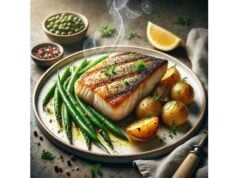
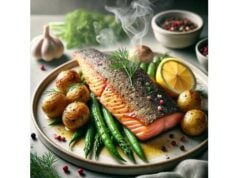
Marlin is a firm, meaty billfish prized by chefs for steaks, sashimi, and smoking—yet it also raises smart questions about mercury, sourcing, and how often to eat it. This guide brings the two sides together. You will find a practical nutrition snapshot per 100 g, evidence-based health takeaways, and clear safety guardrails for families, athletes, and seafood lovers. We also walk through how to pick high-quality marlin at the counter, store it without losing freshness, and cook it to keep moisture and nutrients in. Expect straight talk on contaminants (including who should avoid marlin), along with sustainability pointers and simple swaps when marlin is not the best fit. Whether you grill thick center-cut steaks, cure for poke, or hot-smoke fillets for weekend brunch, this article shows how to enjoy marlin thoughtfully—and when to choose an alternative.
Fast Facts
- 100 g cooked portion provides ~25–26 g protein and marine omega-3 fatty acids; rich in vitamin B12 and selenium.
- Predatory fish like marlin can contain higher methylmercury; not advised for people who are or may become pregnant, those breastfeeding, or young children.
- Typical serving: 85–115 g (3–4 oz) once every few weeks for most healthy adults; rotate with lower-mercury seafood.
- Limit or avoid if pregnant, planning pregnancy, breastfeeding, or for children; also avoid if you’ve had scombroid (histamine) reactions to fish.
Table of Contents
- Detailed Overview
- Nutrition Profile
- Evidence-Based Health Benefits
- Risks, Allergies and Interactions
- Selecting, Quality, Sustainability and Storage
- Preparation, Cooking and Nutrient Retention
- Portions, Comparisons and FAQs
Detailed Overview
Marlin refers to several large billfish species (notably blue and striped marlin) with dense, steak-like flesh and a mild-to-rich flavor reminiscent of swordfish. The raw color ranges from pale pink to golden-orange depending on fat content and species; when cooked, marlin turns off-white with a fine, meaty flake. Because of its firm texture, marlin is versatile: thick steaks hold up to high-heat grilling and pan-searing, leaner cuts take well to quick poaching or steaming, and higher-fat portions can be sliced for sashimi by professionals who follow strict cold-chain and parasite-control standards. Smoked marlin is a brunch staple in some regions and a flavorful addition to pasta, tacos, and salads.
Nutritionally, marlin is a high-protein, low-carbohydrate seafood with meaningful amounts of marine omega-3 fatty acids (EPA and DHA). It tends to be rich in vitamin B12 and selenium—two nutrients many people under-consume—while providing useful amounts of phosphorus, niacin (vitamin B3), and potassium. Like most finfish, marlin is low in sugars and starch, free from dietary fiber, and contains no gluten.
The catch: marlin sits high in the marine food web. That position brings flavor and texture many cooks love, but it also means a higher potential for methylmercury accumulation compared to small, short-lived fish. Accordingly, marlin often appears in “limit or avoid” lists for people who are pregnant, planning pregnancy, or feeding young children. For everyone else, marlin can still fit into seafood rotation when enjoyed occasionally and balanced with lower-mercury choices such as salmon, sardines, trout, anchovies, mussels, and farmed shellfish.
From a culinary standpoint, treat marlin like other dense steaks: dry the surface, season simply, and cook to medium-rare/medium (or just-done for poached preparations) to avoid dryness. A brief rest helps redistribute juices. For food safety and flavor, pay attention to handling: this species is prone to histamine formation (scombroid) if temperature control lapses after harvest. Choose reputable sources, look for impeccable cold-chain, and store properly as soon as you get home.
Finally, sustainability varies by fishery and gear type. Longline operations can have bycatch challenges; however, some fisheries have stronger management and better practices. When in doubt, ask your fishmonger about origin and gear, and consider rotating with certified or well-managed alternatives if sustainability is your priority.
Nutrition Profile
Serving basis: Unless noted, values below are per 100 g of raw edible portion. Cooking changes water content and nutrient values; cooked portions of 85–115 g (3–4 oz) are typical for meals.
Values are representative averages; actual content varies by species (blue vs. striped), cut, and fat content.
Macros and Key Electrolytes (per 100 g)
| Nutrient | Amount | % Daily Value (%DV) |
|---|---|---|
| Energy | 155 kcal | — |
| Protein | 25.9 g | 52% (based on 50 g) |
| Total Fat | 4.7 g | 6% (78 g) |
| Saturated Fat | 1.2 g | 6% (20 g) |
| Carbohydrates | 0.0 g | 0% (275 g) |
| Sodium | 115 mg | 5% (2,300 mg) |
| Potassium | 430 mg | 9% (4,700 mg) |
| Cholesterol | 79 mg | —* |
*No established %DV for cholesterol.
Fats and Fatty Acids (per 100 g)
| Component | Amount | Notes |
|---|---|---|
| Omega-3 EPA + DHA | ~0.5–1.0 g | Species and diet dependent |
| Omega-6 | ~0.1–0.2 g | Typically low |
| Monounsaturated Fat | ~1.7 g | Varies with marbling |
| Polyunsaturated Fat | ~1.2 g | Predominantly omega-3 |
Protein and Amino Acids
| Metric | Amount |
|---|---|
| Protein | 25.9 g |
| Digestible Indispensable Amino Acid Score (DIAAS) | High (animal protein) |
Vitamins (per 100 g)
| Vitamin | Amount | %DV |
|---|---|---|
| Vitamin B12 (cobalamin) | ~2.0 µg | 83% (2.4 µg) |
| Niacin (B3) | ~8.5 mg | 53% (16 mg) |
| Vitamin D | ~3.0 µg (120 IU) | 15% (20 µg) |
| Vitamin B6 | ~0.5 mg | 29% (1.7 mg) |
Minerals (per 100 g)
| Mineral | Amount | %DV |
|---|---|---|
| Selenium | ~45 µg | 82% (55 µg) |
| Phosphorus | ~230 mg | 18% (1,250 mg) |
| Magnesium | ~40 mg | 10% (420 mg) |
| Iron | ~1.0 mg | 6% (18 mg) |
| Zinc | ~0.6 mg | 5% (11 mg) |
Contaminants/Residues
- Methylmercury: High relative to small fish; accumulation occurs with size and age.
- Histamine risk (scombroid): Improper cold-chain after catch can allow histamine formation, causing allergy-like illness.
Allergens & Intolerance Markers
- Fish protein allergy: Marlin contains parvalbumin and other finfish allergens. Cross-reactivity among finfish is common.
Footnote: Values represent averages for marlin and comparable billfish. Nutrient content varies with species, cut, and fat level; cooking methods and moisture loss will shift per-portion totals. Omega-3 content reflects typical ranges reported for large marine finfish; no official %DV exists for EPA/DHA.
Evidence-Based Health Benefits
1) High-quality protein for muscle repair and satiety
A 100 g portion of marlin delivers ~26 g of complete protein with all indispensable amino acids. This supports muscle protein synthesis after training, helps preserve lean mass during weight management, and contributes to satiety at relatively modest calories. Because fish protein is highly digestible, it’s a practical option for athletes and older adults who may need higher protein per meal to stimulate muscle building.
2) Vitamin B12 for blood and nerve health
Marlin is a robust source of vitamin B12, a nutrient essential for red blood cell formation, myelin maintenance, and DNA synthesis. Inadequate B12 can lead to megaloblastic anemia and neurologic symptoms such as numbness or cognitive changes. Regular inclusion of B12-rich seafood helps individuals with limited intake of fortified foods or those with increased needs. People with malabsorption, long-term metformin or acid-suppressing therapy, or plant-exclusive diets may still require B12 supplements as guided by a clinician.
3) Selenium and antioxidant defenses
Selenium in marlin supports a family of selenoproteins—glutathione peroxidases, thioredoxin reductases, and selenoprotein P—that help manage oxidative stress, maintain thyroid hormone metabolism, and support immune function. In many diets, seafood is a leading selenium contributor. Meeting—but not exceeding—daily needs is key; most adults require ~55 µg/day.
4) Marine omega-3s for cardiometabolic support
EPA and DHA in marlin contribute to triglyceride lowering, membrane fluidity, and anti-inflammatory signaling. Evidence shows omega-3 intake from fish can help reduce triglycerides and modestly improve other cardiometabolic markers. Large meta-analyses suggest benefits for certain cardiovascular outcomes, especially with higher-dose purified EPA in specific patient groups. While marlin is not the richest omega-3 fish, it still contributes meaningfully when part of a varied seafood pattern alongside salmon, sardines, trout, and mussels.
5) Micronutrient breadth beyond “protein”
Niacin, phosphorus, potassium, and vitamin D in marlin complement the macro profile. Niacin supports energy metabolism and skin health; phosphorus supports bone mineralization and cellular energy (ATP); potassium helps manage fluid balance and supports normal blood pressure when paired with adequate fruits and vegetables.
Context matters: whole food vs. supplements
For most healthy people, eating seafood regularly (2–3 servings per week from low-mercury species) aligns with cardiometabolic goals. Fish-oil supplements should be individualized; they can benefit certain high-risk patients under medical care, but they are not a substitute for dietary patterns centered on whole foods.
Bottom line: Marlin can contribute protein, B12, selenium, and omega-3s—but due to mercury, it’s best as an occasional choice within a seafood rotation weighted toward lower-mercury, higher-omega-3 fish.
Risks, Allergies and Interactions
Methylmercury (primary concern)
As a long-lived predator, marlin can contain elevated methylmercury, a neurotoxin that crosses the placenta and concentrates in the fetal brain. Public health guidance places marlin in “avoid” or “highest mercury” categories for those who are or might become pregnant, those who are breastfeeding, and young children. For other adults, occasional consumption is acceptable, but frequent intake may raise blood mercury levels—especially if combined with other high-mercury fish (e.g., shark, swordfish, certain tunas).
Scombroid (histamine) poisoning
If marlin is not kept cold after capture, naturally occurring bacteria can convert histidine to histamine, leading to scombroid poisoning that mimics an allergic reaction. Onset is generally within 10–60 minutes and may include flushing, headache, palpitations, abdominal cramps, and diarrhea. Most cases resolve within 12–48 hours. Prevention depends on strict cold-chain control from boat to plate; buy from reputable sellers, keep fish chilled, and discard any fish that tastes peppery/metallic or causes mouth tingling.
Allergy
Marlin contains fish allergens (e.g., parvalbumin). People with finfish allergy should avoid marlin unless cleared by an allergist. Cross-reactivity across finfish is common; tolerance to shellfish does not imply tolerance to finfish.
Medication and nutrient interactions
- Anticoagulants/antiplatelets: Very high omega-3 intakes from supplements may increase bleeding tendency in some contexts; typical marlin servings are not an issue for most people.
- Thyroid conditions: Selenium supports thyroid hormone metabolism; meeting—not exceeding—needs is recommended.
- Food safety for raw dishes: Raw marlin served in restaurants is typically handled under hazard-analysis plans; home raw preparation is not advised without expert handling and a validated deep-freezing step.
Who should limit or avoid marlin?
- People who are pregnant, planning pregnancy, or breastfeeding.
- Children.
- Individuals with diagnosed finfish allergy.
- Anyone with a history of scombroid reactions or poor tolerance to histamine-rich foods.
Practical frequency guidance for healthy adults
If you choose marlin, consider no more than once every few weeks, and rotate with low-mercury seafood (e.g., salmon, sardines, trout, anchovies, mussels) for 2–3 seafood meals weekly overall.
Selecting, Quality, Sustainability and Storage
At the counter
- Appearance: Fresh marlin ranges from pale pink to golden-orange. Avoid dull gray or brown edges. Steaks should be moist, not wet, with tight musculature and minimal gapping.
- Aroma: Clean, ocean-like; never sour or “ammonia-like.”
- Cut: Center-cut steaks are thick and even for grilling. Loins and fillets offer flexibility for searing or cubing.
- Ask questions: Origin (e.g., Pacific), gear type (troll/pole vs. longline), harvest date, and whether the product has been previously frozen. Reputable sellers can answer these directly.
Sustainability cues
- Prefer sources with stronger management and lower bycatch risk; ask for troll- or handline-caught fish where available.
- Rotate with certified or well-rated species if your fishmonger cannot confirm responsible sourcing (e.g., farmed bivalves, Alaskan salmon, U.S. trout).
Storage at home
- Refrigeration (short term): Keep marlin on ice in a shallow pan, covered, at ≤4°C (≤40°F). Use within 24 hours for raw service or within 48 hours for cooking.
- Freezing: Wrap tightly in moisture-proof packaging; freeze at −18°C (0°F) or below. For best quality, use within 2–3 months.
- Thawing: Thaw overnight in the refrigerator on a rack to drain; never at room temperature. For speed, use a sealed bag submerged in cold water, changing the water every 30 minutes.
- Leftovers: Cool quickly, store at ≤4°C (≤40°F), and eat within 2 days. Reheat to steaming hot but avoid overcooking.
Safety checkpoints
- Buy just before heading home, keep fish cold, and minimize time in the “danger zone” (5–60°C / 41–140°F).
- Discard fish that tastes unusually peppery/metallic or produces oral tingling—a red flag for histamine.
When marlin isn’t available
Swordfish, yellowfin tuna steaks, and high-oil species like salmon can substitute, depending on the recipe. For lower-mercury menus, favor salmon, trout, sardines, mackerel (Atlantic or chub, not king), anchovies, and mussels.
Preparation, Cooking and Nutrient Retention
Core prep tips
- Pat dry and season simply. Moisture on the surface steams the fish and blocks browning.
- Oil the fish, not the pan (for searing). A thin film prevents sticking and promotes even crust.
- Aim for medium-rare to medium. Overcooking makes lean portions dry. Pull steaks when the center is just turning opaque and springy to the touch.
- Rest briefly. Two to three minutes lets juices redistribute.
High-heat methods
- Grill or pan-sear: 2–3 cm-thick (¾–1¼-inch) steaks; sear 2–4 minutes per side over high heat. Finish on cooler grates if needed.
- Broil: Position 10–12 cm (4–5 inches) from the element; watch closely to avoid overcooking.
- Smoke: Brine 4–6 hours (3–5% salt solution) with a touch of sugar, dry to form a pellicle, then smoke low (80–95°C / 175–200°F) to just-done for moist flakes.
Moist-heat and quick methods
- Poach: Simmer gently in a court bouillon (aromatics, citrus, peppercorn) at sub-boil temperatures.
- Steam: 6–10 minutes for small portions; season with ginger, scallion, soy, and sesame for an East Asian profile.
- Cure or raw (professional settings only): Sashimi or poke requires pristine fish, validated freezing, and strict hygiene; not recommended for home preparation or for vulnerable groups.
Nutrient retention tactics
- Time and temperature: Shorter cooking preserves heat-sensitive vitamins (B6) and omega-3s.
- Moisture management: Overcooking squeezes out juices carrying B-vitamins and minerals.
- Fat capture: If pan-searing, deglaze with lemon and herbs to create a quick sauce that retains flavorful fat-soluble nutrients.
- Cut size: Even thickness ensures even doneness; thin edges overcook and lose more nutrients.
- Marinades: Acidic marinades (citrus, vinegar) add flavor but can firm the surface; 15–30 minutes is usually enough.
Simple seasoning ideas
- Mediterranean: Olive oil, garlic, lemon zest, oregano; serve with tomato-caper relish.
- Island style: Lime, scallion, chili, and a touch of allspice; finish with mango salsa.
- Japanese-inspired: Shoyu, mirin, ginger; quick sear and glaze reduction.
Food safety temperatures
Home cooks commonly target a just-opaque center for steaks (approximate internal 52–55°C / 125–130°F when removed from heat). For those preferring well-done, cook gently and add a sauce to offset dryness.
Portions, Comparisons and FAQs
Recommended portions and frequency
- Typical cooked serving: 85–115 g (3–4 oz).
- How often? For most healthy adults, marlin is best as an occasional choice—e.g., once every few weeks—balanced with low-mercury seafood 2–3 times weekly overall.
- Who should avoid? People who are pregnant, planning pregnancy, or breastfeeding; children; anyone with finfish allergy.
How does marlin compare to similar fish?
- Marlin vs. swordfish: Both are meaty, grill-friendly, and comparatively high in mercury. Swordfish often has slightly higher omega-3s per 100 g but similar B12 and selenium ranges.
- Marlin vs. salmon: Salmon is far richer in EPA/DHA and far lower in mercury, making it a better frequent choice.
- Marlin vs. tuna steaks: Yellowfin/ahi has a leaner texture with variable mercury; albacore tends to be moderate. Marlin’s texture is closer to swordfish than to most tuna.
- Marlin vs. mussels/sardines: Bivalves and small oily fish deliver excellent omega-3s and minerals with very low mercury, ideal for weekly rotation.
FAQs
Is marlin good for weight management?
Yes—high protein (~26 g/100 g) supports fullness with moderate calories. Pair with vegetables and whole grains for balanced meals.
Can I eat marlin raw?
Raw marlin should be handled by trained professionals with validated freezing protocols. Vulnerable groups should avoid raw fish. Home raw preparation is not advised.
Does marlin have bones?
Steaks are typically center-cut and mostly boneless, though pin bones or connective tissue may remain; inspect and remove before cooking.
Is smoked marlin healthy?
Smoked fish is flavorful and protein-rich but can be higher in sodium. Enjoy occasionally and balance with fresh options.
What are good lower-mercury substitutes?
Salmon, trout, sardines, anchovies, Atlantic mackerel (not king), and mussels. These options deliver more EPA/DHA with far less mercury.
How should athletes use marlin?
Use as a post-training protein option occasionally. For frequent seafood meals, prioritize lower-mercury fish to hit weekly omega-3 targets.
References
- Advice about Eating Fish 2024 (Guidance)
- Food Poisoning from Marine Toxins 2025 (Guideline)
- Vitamin B12 – Health Professional Fact Sheet 2025 (Guideline)
- Selenium – Health Professional Fact Sheet 2025 (Guideline)
- Effect of omega-3 fatty acids on cardiovascular outcomes 2021 (Systematic Review)
Disclaimer
This article is for general information and education. It does not replace personalized medical advice, diagnosis, or treatment. Nutrient values vary by species, cut, and preparation. If you are pregnant, planning pregnancy, breastfeeding, buying for children, managing a medical condition, or considering supplements, consult a qualified health professional for guidance tailored to you.
If you found this helpful, please consider sharing it with friends or on Facebook or X to support our work in creating clear, trustworthy nutrition guides.