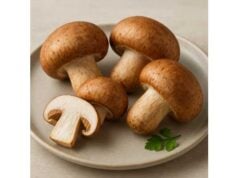
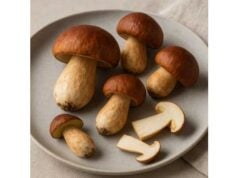
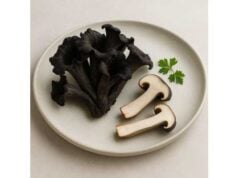
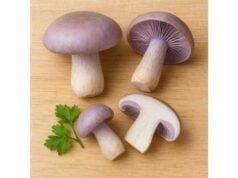
Matsutake (Tricholoma matsutake) is one of the world’s most prized wild mushrooms, celebrated for its cinnamon–pine aroma and firm, springy bite. Found in symbiosis with red pines and other conifers, it appears briefly in autumn and commands extraordinary prices at peak quality. In the kitchen, matsutake shines in simple dishes that respect its perfume—brothy soups, rice, and quick sautés—where a small amount can flavor an entire meal. Nutritionally, it offers low calories with fiber, B vitamins, potassium, and copper. Like other culinary fungi, matsutake contains ergothioneine and beta-glucans; and when mushrooms are exposed to ultraviolet (UV) light, vitamin D2 may rise substantially. Because harvesting and handling are delicate, knowing how to buy, store, and cook matsutake preserves both aroma and texture. This guide gathers practical steps, current evidence, and safety notes—so you can enjoy matsutake confidently, whether you’re tasting it for the first time or planning a seasonal feast.
Key Takeaways
- Distinct pine–spice aroma flavors broths, rice, and simple sautés; a little goes a long way.
- Typical cooked serving 60–90 g (about ½–1 cup) once or twice per week in season.
- Allergy to mushrooms and misidentification are the main risks; always source from reliable sellers.
- UV-exposed mushrooms can provide meaningful vitamin D2; content varies by handling.
- People on strict low-purine diets or with mushroom allergies should limit or avoid.
Table of Contents
- Matsutake detailed overview
- Matsutake nutrition profile
- Evidence-based health benefits
- Risks, allergies and interactions
- Selecting, sustainability and storage
- Preparation, cooking and nutrient retention
- Portions, comparisons and FAQs
Matsutake detailed overview
Matsutake is an ectomycorrhizal mushroom—meaning it forms a living partnership with tree roots—most famously Japanese red pine (Pinus densiflora), but also certain spruces and firs in Asia, Europe, and North America. This symbiosis makes cultivation difficult; most matsutake on the market is wild-harvested in a brief fall window, then shipped under strict temperature and humidity control. Quality is graded by aroma strength, cap tightness, and freedom from insect damage. Top-grade mushrooms have a closed, ivory cap with a cinnamon-brown veil, a thick stipe, and a crisp snap when cut. Their scent is unmistakable: resinous pine, warm cinnamon, and a hint of clean earth.
A tiny knob can season a pot of rice; a handful perfumes a clear broth for multiple diners. Because aroma is volatile, gentle heat and minimal seasoning are key. Matsutake is not “meaty” in the way of shiitake or oyster; it is fragrant and textural—a flavor amplifier across simple foods. In Japan, it shows up in matsutake gohan (mushroom rice), dobin mushi (a clear, aromatic soup steamed in a teapot), and grilled slices dressed with citrus and soy. Scandinavian and Pacific Northwest cuisines similarly embrace it with butter, juniper, and grilled fish.
From a nutrition standpoint, matsutake follows the pattern of most culinary mushrooms: few calories, modest protein, and meaningful micronutrients, especially B vitamins and minerals such as copper and potassium. It also contains ergothioneine and glutathione—antioxidants that help counter oxidative stress. Like other mushrooms, it’s rich in non-digestible fibers (including beta-glucans and chitin) that contribute to satiety and gut microbiome fermentation. Vitamin D2 content depends on UV exposure during or after harvest; commercial “vitamin D mushrooms” are typically exposed to UV to boost D2.
Because matsutake is foraged, trace composition varies with region, soil, and maturity stage. Younger, tighter specimens are often more aromatic; aroma shifts with drying and storage. These natural variations are part of the mushroom’s charm—and why careful selection, storage, and a light touch in cooking matter.
Matsutake nutrition profile
How to read this section: Values below reflect typical ranges for raw matsutake per 100 g, compiled from published composition studies and standard mushroom datasets. Because vitamin D2 depends on UV exposure, its value is presented as a range. Percent Daily Values (%DV) use adult reference intakes.
Macros and electrolytes (per 100 g, raw)
| Nutrient | Amount | %DV |
|---|---|---|
| Energy | 28–35 kcal | — |
| Water | 89–92 g | — |
| Protein | 1.8–2.4 g | 4% |
| Total fat | 0.2–0.4 g | 0% |
| Carbohydrate | 5.5–7.0 g | 3% |
| Dietary fiber | 2.0–2.8 g | 7%–10% |
| Total sugars | 1.5–2.3 g | — |
| Sodium | 1–5 mg | 0% |
| Potassium | 250–320 mg | 5%–7% |
Carbohydrates
| Component | Amount | Notes |
|---|---|---|
| Fiber (total) | 2.0–2.8 g | Includes beta-glucans and chitin |
| Starch | ~0 g | Mushrooms store little to no starch |
| Mannitol + glucose | 1.0–2.0 g | Main free sugars in many mushrooms |
Fats and fatty acids
| Component | Amount | %DV |
|---|---|---|
| Saturated fat | 0.03–0.07 g | 0% |
| Monounsaturated fat | 0.03–0.08 g | — |
| Polyunsaturated fat | 0.08–0.15 g | — |
| Cholesterol | 0 mg | 0% |
Protein and amino acids (selected, per 100 g)
| Amino acid | Amount |
|---|---|
| Glutamic acid (free + bound) | ~0.3–0.5 g |
| Aspartic acid | ~0.2–0.3 g |
| Leucine | ~0.10–0.14 g |
| Lysine | ~0.10–0.13 g |
Vitamins (per 100 g)
| Vitamin | Amount | %DV |
|---|---|---|
| Thiamin (B1) | 0.05–0.10 mg | 4%–8% |
| Riboflavin (B2) | 0.20–0.30 mg | 15%–23% |
| Niacin (B3) | 3.0–5.0 mg | 19%–31% |
| Vitamin B6 | 0.05–0.10 mg | 3%–6% |
| Folate (DFE) | 20–30 µg | 5%–8% |
| Vitamin D2* | 0.2–20 µg | 1%–100% |
Minerals (per 100 g)
| Mineral | Amount | %DV |
|---|---|---|
| Phosphorus | 70–100 mg | 6%–8% |
| Potassium | 250–320 mg | 5%–7% |
| Copper | 0.2–0.3 mg | 22%–33% |
| Selenium | 2–9 µg | 4%–16% |
| Iron | 0.3–0.7 mg | 2%–4% |
| Calcium | 1–4 mg | 0% |
Bioactives and aroma markers
- Beta-glucans: Viscous fibers that support healthy post-meal glucose and cholesterol responses.
- Ergothioneine and glutathione: Antioxidants found in many mushrooms.
- Aroma compounds: 1-octen-3-ol, benzaldehyde, and methyl cinnamate contribute the recognizable pine–spice scent; drying and heating shift this balance.
Footnote on vitamin D2: Vitamin D content varies widely. UV-exposed mushrooms can deliver 10–30 µg per 100 g; non-UV-exposed mushrooms may contain little vitamin D. Labels on “vitamin D mushrooms” state the micrograms per serving.
Evidence-based health benefits
1) Supports balanced post-meal glucose
Matsutake, like other culinary mushrooms, contains soluble fibers (beta-glucans) that increase the viscosity of intestinal contents and slow carbohydrate absorption. When mushrooms replace refined starches or portions of meat in mixed meals, people often see a gentler rise in glucose and insulin. The effect is practical rather than dramatic: add a serving of mushrooms to starch-heavy meals (rice, noodles, potatoes), and you tend to blunt the spike while adding volume, fiber, and minerals.
2) Nutrient density with low energy
Per 100 g, matsutake typically provides fewer than 35 kcal while delivering fiber, riboflavin, niacin, copper, and potassium. That combination helps with weight-conscious meal planning: you can build satisfying bowls—rice or barley, greens, and a protein—without the calorie load of fatty meats, yet with deep flavor.
3) Vitamin D contribution—when UV-exposed
UV exposure converts ergosterol in mushrooms into vitamin D2. Studies across mushroom types show that UV-treated mushrooms can meaningfully raise dietary vitamin D intake and, in controlled settings, improve serum vitamin D status. If vitamin D is your goal, look for packages labeled with a vitamin D amount per serving; otherwise, assume minimal D2.
4) Antioxidant and aroma-linked benefits
Matsutake contains ergothioneine and glutathione, antioxidants associated with cellular defense pathways. Its signature volatile compounds (notably 1-octen-3-ol and methyl cinnamate) don’t just smell evocative—they may interact with taste and olfactory receptors to enhance perceived savoriness, prompting you to use less salt and fat for flavor.
5) Fermentable fibers and the microbiome
The non-digestible carbohydrates in mushrooms feed gut bacteria that produce short-chain fatty acids (SCFAs), including butyrate. While matsutake-specific human trials are limited, the mechanism is shared across edible mushrooms: more fermentable fiber in the diet is linked with improved gut barrier function and metabolic signaling.
How to integrate matsutake to realize benefits
- Swap smart: Replace some meat or refined starch with matsutake in rice bowls or noodle soups.
- Use the whole pot: Cooking liquid captures minerals and soluble fibers; serve as broth or sauce.
- Season lightly: Citrus, soy, and fresh herbs brighten without masking aroma or relying on salt.
- Batch for the week: Briefly sauté and refrigerate; add to eggs, grains, and clear soups.
What not to expect
Matsutake is not a miracle food or a stand-alone therapy. Think of it as a potent flavor and nutrition booster that helps you cook more healthful meals you want to eat—especially when fresh, whole ingredients are the baseline.
Risks, allergies and interactions
Allergy and intolerance
- Mushroom allergy: Although uncommon, true mushroom allergy exists. Reactions range from oral itching to hives and, rarely, anaphylaxis. If you’ve reacted to edible fungi before, avoid matsutake or seek specialist advice.
- Digestive tolerance: Mushrooms contain fermentable carbohydrates and chitin; large servings may cause bloating or gas in sensitive individuals. Cooking thoroughly and eating moderate portions helps.
Foraging and misidentification
- Safety first: Matsutake has look-alikes that require expert identification. Always buy from reputable sellers or forage with certified experts. Eating the wrong wild mushroom can be dangerous.
- Handling: Because matsutake often grows close to soil and roots, dirt and insects may hitchhike. Trim bases, brush carefully, and cook well.
Medication and condition considerations
- Anticoagulation: Culinary portions of mushrooms are generally safe; however, extracts or supplements (not typically used with matsutake) can pose interaction risks. If you take warfarin or other anticoagulants, avoid concentrated mushroom extracts unless your clinician approves.
- Blood sugar–lowering drugs: Food amounts of mushrooms are compatible with diabetes care plans; monitor glucose when changing meal composition, as increased fiber can affect post-meal readings.
- Gout/hyperuricemia: Mushrooms are moderate in purines. If you’re highly sensitive, keep portions modest and distribute intake.
- Pregnancy and lactation: Culinary amounts are acceptable; avoid supplements made from wild mushrooms due to variable composition.
Food safety
- Cook thoroughly: Heat improves digestibility and reduces microbial risks.
- Avoid spoiled product: Discard matsutake that smells sour or fishy, or shows sliminess or dark, wet patches.
- Storage hygiene: Refrigerate promptly and keep separate from raw meats.
Supplements vs. food
Matsutake is best enjoyed as food. There is no widely accepted, standardized matsutake supplement for health outcomes. If you encounter extracts or powders, treat them as you would any dietary supplement: confirm quality, avoid drug interactions, and involve your healthcare provider.
Selecting, sustainability and storage
Selecting high-quality matsutake
- Look: Choose tight, heavy mushrooms with closed or barely opening caps; avoid split caps or insect damage. The stipe should be thick and ivory, the cap smooth with cinnamon-brown hues.
- Feel: Firm and springy, not soft or spongy. A crisp cut surface indicates freshness.
- Smell: You should detect clean pine, cinnamon, and warm spice. Sour, musty, or fishy notes mean deterioration.
- Sizing: Smaller, tighter “buttons” are most aromatic; larger, open specimens can be excellent when very fresh. Consider mixed sizes for rice and soups.
Aroma and quality by origin and handling
- Geography and maturity matter: Aroma compounds shift with region and stage of maturity. Younger specimens tend to be brighter and more pine-forward; older ones can smell warmer and more mushroomy.
- Drying: Vacuum freeze-drying better preserves fresh-like volatiles compared with hot-air drying, which boosts roasted, caramel, or ester notes.
- Transport: Modified-atmosphere packaging (low oxygen, elevated carbon dioxide) can extend shelf life under cold-chain conditions.
Sustainability snapshot
- Wild resource: Because matsutake is foraged, sustainable harvesting is crucial. Ethical pickers leave part of the cluster intact, minimize soil disturbance, and follow local regulations.
- Footprint perspective: Per gram of edible protein and culinary utility, mushrooms generally have a lower carbon footprint than animal proteins. Using matsutake to flavor simple plant-forward meals is a conservation-minded way to enjoy it.
- Biodiversity: Responsible foraging supports forest health and long-term availability; improper harvesting harms mycelial networks.
Storage and handling
- Refrigeration: Wrap loosely in paper towels and store in a breathable container at 1–4°C. Avoid sealed plastic, which traps moisture and mutes aroma.
- Shelf life: Use within 2–5 days for peak fragrance; premium, tightly closed mushrooms last longer.
- Cleaning: Trim the stem end; brush or wipe. Avoid soaking—matsutake absorbs water and loses aroma.
- Freezing: Best after a quick sauté to drive off moisture. Cool, portion, and freeze; texture becomes softer but flavor holds for soups and rice.
- Dried product: Rehydrate in warm water or dashi; strain soaking liquid and use as broth. Expect a deeper, more roasted aroma compared with fresh.
Preparation, cooking and nutrient retention
Prep for aroma and bite
- Keep pieces chunky. Cut or tear thick slices (0.5–1 cm) so the stipe stays crisp and the caps sear without shriveling.
- Dry surface. Pat with a towel before cooking to encourage browning.
- Heat control. Use medium-high heat and cook in batches—crowding steams and dulls aroma.
Best techniques
- Rice (matsutake gohan, simplified): Rinse short-grain rice; cook with light stock or water, a splash of sake or dry white wine, and sliced matsutake laid on top. Keep seasoning minimal (salt or a little soy). Steam 15–20 minutes; rest 10 minutes. Fluff gently so aroma rises with the steam.
- Clear soup (dobin-style at home): Combine light dashi or chicken broth with a few matsutake slices, a sliver of citrus peel, and a drop of soy. Simmer 3–5 minutes—just enough to infuse.
- Quick sauté: Film a pan with neutral oil or butter; sear matsutake in a single layer until browned at the edges, 2–3 minutes per side. Finish with salt, lemon, and chopped chives or mitsuba.
- Grill: Brush slices with oil; grill over medium heat until lightly charred, 1–2 minutes per side. Finish with citrus and a pinch of salt.
- Pairings: Rice, barley, and buckwheat; mild greens (spinach, mizuna); fish, eggs, tofu, chicken; aromatics like citrus, ginger, or thyme.
Retaining nutrients and aroma
- Water-soluble vitamins/minerals: Keep cooking times short and use the cooking liquid—soups, rice, and pan sauces recapture nutrients that leach into water.
- Fibers and beta-glucans: Heat-stable; sautéing and simmering preserve them.
- Vitamin D2: If using UV-exposed mushrooms for vitamin D, typical home cooking does not destroy D2; avoid prolonged high-temperature drying that can degrade delicate volatiles.
- Aroma stewardship: High heat for too long drives off volatiles. Aim for a golden sear without charring, and season at the end. Citrus brightens; heavy garlic or chili can eclipse matsutake’s perfume.
Simple meal templates
- Aromatic grain bowl: Warm barley or brown rice, quick-sautéed matsutake, blanched greens, a soft egg, and citrus–soy splash.
- Brothy noodles: Clear broth with matsutake, greens, and soba; a dab of miso whisked in off heat.
- Fish with mushrooms: Pan-seared white fish topped with butter-basted matsutake and lemon zest.
Portions, comparisons and FAQs
Suggested portions and frequency
- Cooked serving: 60–90 g (about ½–1 cup) is typical; adjust for budget and tolerance.
- Frequency: Once or twice weekly in season fits well within balanced menus.
- Cost-savvy tip: Use small amounts to perfume rice, soup, or eggs—maximizing aroma per gram.
How matsutake compares with other mushrooms (per 100 g, raw, typical values)
- Calories: Matsutake 28–35 kcal; shiitake ~34 kcal; oyster 33–35 kcal; button 22–25 kcal.
- Fiber: Matsutake 2.0–2.8 g; shiitake ~2 g; oyster ~2 g; button ~1–2 g.
- B vitamins: Matsutake is riboflavin/niacin-forward; shiitake tends to be rich in niacin; oyster contributes folate and B3.
- Vitamin D: Highly variable for all mushrooms; only UV-exposed products reliably provide significant D2—always check the label.
Frequently asked questions
Is matsutake a good protein source?
Not by itself. It contributes 2 g protein per 100 g raw, but shines as a flavor-rich, low-calorie ingredient alongside beans, tofu, eggs, fish, or chicken.
Can I eat matsutake raw?
Cook it. Heat brings out aroma, improves digestibility, and reduces microbial risk.
Does matsutake have a strong “mushroom” taste?
It is distinctive but not heavy—think pine forest, warm spice, and clean earth. A few slices can season an entire pot of rice.
What should I do if I can’t find fresh matsutake?
Look for frozen or dried matsutake from reputable sellers. Expect a deeper, roasted profile from dried; rehydrate and use the soaking liquid as broth.
How do I preserve leftover aroma?
Store cooked pieces in an airtight container 2–3 days; rewarm gently. For longer storage, quick-sauté and freeze in small portions for soups and rice.
Are there vegan or gluten-free uses?
Absolutely. Matsutake elevates vegetable broths, gluten-free grains, tofu, and legumes without dairy or gluten.
References
- Volatile Flavor of Tricholoma matsutake from the Different Regions of China by Using GC×GC-TOF MS 2025 (Research Article)
- Flavor Variations in Precious Tricholoma matsutake under Different Drying Processes as Detected with HS-SPME-GC-MS 2024 (Research Article)
- Quality Characteristics Analysis and Remaining Shelf Life Prediction of Fresh Tibetan Tricholoma matsutake under Modified Atmosphere Packaging in Cold Chain 2019 (Research Article)
- UV induced conversion during drying of ergosterol to vitamin D in various mushrooms: Effect of different drying conditions 2020 (Systematic Review)
- Vitamin D from UV-Irradiated Mushrooms as a Way for Vitamin D Supplementation: A Systematic Review on Classic and Nonclassic Effects in Human and Animal Models 2023 (Systematic Review)
Medical Disclaimer
This information is educational and is not a substitute for personalized medical advice, diagnosis, or treatment. Always consult your healthcare professional about your specific needs—especially if you are pregnant, have food allergies, manage chronic conditions, or take prescription medications. If you suspect an adverse reaction, seek medical care promptly.
If this guide helped you, please consider sharing it on Facebook, X (formerly Twitter), or your preferred platform. Your support helps us continue creating clear, trustworthy food and nutrition content.