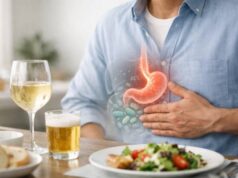
Menopause is often described in terms of hot flashes, sleep changes, and mood shifts, but many people notice their digestion changing too. Constipation, bloating, and new food sensitivities can show up during perimenopause and persist after the final menstrual period. These symptoms are not “all in your head.” Hormone patterns influence gut motility, bile flow, pelvic floor function, and even the makeup of the gut microbiome. At the same time, stress, disrupted sleep, shifting body composition, and common midlife medications can add extra pressure to the digestive system.
The good news is that gut health responds to steady, practical changes. The most helpful approach usually combines targeted fiber, fluid timing, and simple routines that support daily bowel movements—without extreme diets or confusing supplement stacks.
Key Takeaways for Menopause Digestion
- A menopause-related drop in estrogen and progesterone can slow gut motility and increase constipation risk.
- Microbiome shifts are common in midlife, and food diversity tends to matter more than perfect “clean eating.”
- Increasing fiber too fast can worsen gas and bloating, especially if hydration and movement do not rise too.
- A steady plan works best: add soluble fiber first, pair it with fluids, and build a consistent morning routine.
Table of Contents
- Hormones and gut function during menopause
- Microbiome shifts and the estrobolome
- Why constipation becomes more common
- Fiber and fluid strategies for regularity
- Supplements and foods that can help
- Lifestyle habits that reinforce gut comfort
Hormones and gut function during menopause
Menopause is not a single moment; it is a transition. In perimenopause, hormones can swing sharply from month to month before settling into a lower, steadier level after menopause. Those swings matter because estrogen and progesterone both interact with the gastrointestinal tract.
How estrogen and progesterone touch digestion
Your gut is lined with nerves and smooth muscle that coordinate peristalsis—the wave-like movement that pushes stool forward. Sex hormones influence this system in a few practical ways:
- Motility and transit time: Lower or fluctuating hormones can reduce coordinated movement, making stools drier and harder to pass.
- Visceral sensitivity: Some people become more aware of normal gut sensations, which can feel like bloating or pressure.
- Fluid balance and bile flow: Hormones can influence how fluid is handled in the colon and how bile acids move through the digestive tract, which affects stool consistency.
The result is often a pattern many people recognize: a few days of constipation, then a day of looser stool, then a return to “normal,” especially in late perimenopause.
Why symptoms often cluster with sleep and stress
Hot flashes, night sweats, and insomnia can shift the gut-brain axis. Poor sleep tends to increase stress signaling and can change appetite, cravings, and food timing. When meals become irregular, fiber intake often drops and hydration becomes inconsistent—two of the fastest ways to make constipation stick.
A useful mental model
If your digestion changed around menopause, it usually helps to think in three overlapping layers:
- Motility: How quickly stool moves and how easy it is to evacuate.
- Microbes: How your gut community responds to diet, sleep, and medications.
- The “hardware”: Pelvic floor coordination, hemorrhoids, and structural issues that can show up with age.
Diet can support all three, but constipation rarely improves from diet alone if pelvic floor coordination or medications are the main driver. That is why the most effective plan is often a mix of food strategy and routine.
Microbiome shifts and the estrobolome
Your gut microbiome is an ecosystem—bacteria, fungi, and other microbes that help break down food, produce metabolites, and interact with your immune system. Midlife is a time when the microbiome can shift, partly due to hormones and partly due to lifestyle factors that often change at the same time (sleep, stress, activity, and medications).
What “microbiome shifts” can look like in real life
Microbiome changes do not cause a single, predictable symptom. Instead, they tend to alter your digestive “baseline.” People often notice:
- Increased gas or bloating with foods they previously tolerated.
- More constipation, especially after travel, stress, or a low-fiber week.
- More variability—good days and bad days instead of a stable pattern.
A key point: microbiome health is not about chasing one perfect strain or eliminating entire food groups. For most people, diversity and consistency matter more than intensity.
The estrobolome and estrogen recycling
You may hear the term estrobolome, which refers to gut microbes involved in processing estrogens. Estrogen is metabolized in the liver, sent into the digestive tract, and some of it can be reactivated by gut bacteria and reabsorbed. This matters because it links gut function with hormone balance and may help explain why gut and metabolic changes can travel together during menopause.
Even if you never notice a “hormone-gut” connection day to day, supporting the gut environment can be a reasonable part of a menopause plan—especially if constipation and inflammation-related symptoms are present.
What helps the microbiome most during menopause
A practical microbiome-supportive approach usually includes:
- Plant variety over perfection: Aim for a broad rotation of vegetables, fruits, legumes, nuts, seeds, and whole grains rather than “eating the same healthy foods” every day.
- Steady fiber, not spikes: The microbiome responds better to regular fiber than weekend-only “salad rescue.”
- Fermented foods in small, repeatable amounts: Yogurt, kefir, fermented vegetables, miso, and tempeh can be useful if tolerated.
- Medication awareness: Antibiotics, acid reducers, and certain pain medications can reshape the microbiome and motility. Sometimes the timing of symptoms lines up with a new prescription.
If bloating is your dominant symptom, it is often smarter to start with gentle soluble fiber and predictable meals rather than aggressively adding raw cruciferous vegetables, large bean portions, or multiple prebiotic supplements all at once.
Why constipation becomes more common
Constipation is one of the most common gut complaints in perimenopause and menopause. It can be frustrating because it often arrives alongside other changes—sleep disruption, fatigue, and shifts in body composition—making it hard to tell what is driving what.
Constipation is more than “not going every day”
Clinically, constipation usually refers to a pattern that may include:
- Hard or lumpy stools.
- Straining or needing a long time on the toilet.
- A feeling of incomplete emptying.
- Fewer bowel movements than your normal baseline.
Some people still go daily but feel blocked or incomplete. Others go every three days but feel fine. Your comfort and stool form often matter more than the number.
Common menopause-era drivers
Several factors commonly overlap in midlife:
- Slower motility: Hormone shifts, reduced activity, and lower fluid intake can all slow transit.
- Pelvic floor coordination changes: History of childbirth, pelvic surgery, chronic straining, or aging-related muscle changes can make evacuation harder even when stool is soft.
- Medication effects: Iron supplements, some antidepressants, antihistamines, certain blood pressure medications, and opioid pain relievers can contribute.
- Diet drift: Busy schedules and appetite changes can reduce fiber and increase ultra-processed foods that displace fiber.
- Low-grade dehydration: Many people underestimate fluid needs, especially if they reduce thirst cues, drink more coffee, or avoid fluids to reduce nighttime urination.
Red flags that deserve medical evaluation
New or worsening constipation should be taken seriously when it is paired with:
- Blood in the stool or black stools.
- Unexplained weight loss.
- Persistent abdominal pain, vomiting, or fever.
- New anemia, severe fatigue, or loss of appetite.
- A sudden change in bowel habits that does not settle.
These symptoms do not automatically mean something dangerous is happening, but they are strong reasons to speak with a clinician promptly.
Two constipation types that need different fixes
A simple way to sort constipation is:
- Slow-transit constipation: Stool moves too slowly, often responding to fiber, fluids, osmotic agents, and movement.
- Outlet or pelvic floor constipation: Stool reaches the rectum but is difficult to evacuate, often needing pelvic floor therapy, technique changes, and avoiding straining.
If you add fiber and fluids and still feel “stuck,” pelvic floor coordination is worth exploring. Many people are surprised by how fixable this can be once it is correctly identified.
Fiber and fluid strategies for regularity
Diet changes can meaningfully improve constipation during menopause, but the sequence matters. The most common mistake is adding a large amount of fiber quickly—then blaming fiber when bloating worsens. A better plan is to build the right type of fiber at a pace your gut can accept, paired with fluid timing that supports stool hydration.
Start with the fiber that softens, not the fiber that “scrapes”
Fiber is often described as soluble versus insoluble:
- Soluble, gel-forming fiber helps draw water into stool and often improves stool softness and ease of passage. Examples include oats, chia, flax, psyllium, and many fruits.
- Insoluble, coarse fiber can be helpful for some people, but it may increase discomfort if you are already bloated or if transit is slow. Examples include wheat bran and large amounts of raw vegetables.
For menopause constipation, a gentle starting point is usually soluble fiber first, then adding more variety once stools are softer and more regular.
Build fiber in “micro-steps” for two weeks
A practical ramp-up looks like this:
- Add one fiber-forward item daily (for example: 2 tablespoons chia in yogurt, or a bowl of oats).
- Keep it consistent for 3–4 days.
- Add the next item (for example: 1 cup lentils or beans split across meals, or 1–2 kiwifruit).
- Continue until your pattern stabilizes.
This approach reduces gas because your microbiome has time to adapt.
Hydration that actually helps stool
Constipation improves more reliably when fluids are paired with fiber. Consider:
- A large glass of water within an hour of waking.
- Another glass with your main fiber addition (especially if you use psyllium or chia).
- Extra fluids on days with sweating, travel, or higher activity.
If nighttime urination is a concern, shift more fluids earlier in the day rather than cutting total intake sharply.
Food examples that often work well
These options are simple, repeatable, and easy to measure:
- Kiwifruit or prunes as a daily “bowel cue” snack.
- Ground flax stirred into yogurt or oatmeal.
- Legumes in smaller, frequent amounts (instead of a single large serving).
- Soups and stews that combine fluids and fiber.
- Olive oil and other fats to help stool glide, especially when meals are very low-fat.
If you also have reflux, IBS, or significant bloating, it may help to choose cooked vegetables more often than raw and to keep portion sizes modest while your gut resets.
Supplements and foods that can help
Supplements can be useful during menopause-related constipation, but they work best as tools—not as the whole plan. The goal is to create soft, easy-to-pass stools without cramping, urgency, or dependence on frequent stimulant laxatives. If you have kidney disease, take multiple prescriptions, or have a history of bowel obstruction, it is especially important to speak with a clinician before trying new agents.
Psyllium and other gentle bulking options
Psyllium is a common first-line fiber supplement because it forms a gel that can soften stool and support regularity. The most important rules are:
- Start low and increase slowly. A small daily dose is often better than large intermittent doses.
- Always take it with adequate water. Without fluid, it can worsen constipation.
- Expect a short adjustment period. Mild gas can occur early on, then often settles.
If psyllium feels too heavy, partially hydrolyzed guar gum or food-based fiber (oats, chia, flax) may be better tolerated.
Magnesium and osmotic support
Some magnesium forms pull water into the bowel, which can help soften stool. This can be helpful when diet changes are not enough, but it is not ideal for everyone:
- People with kidney disease should avoid magnesium unless a clinician approves.
- Higher doses can cause diarrhea or electrolyte problems in sensitive individuals.
- Timing matters: some people do better taking it in the evening, others in the morning.
Polyethylene glycol (an osmotic laxative) is another option commonly used for chronic constipation. It is often better tolerated than stimulant laxatives, but long-term plans should still be individualized.
Probiotics and fermented foods
Probiotics are not guaranteed to help constipation, but some people do notice improvements in stool frequency, gas, or comfort. A realistic strategy is:
- Choose one product.
- Trial it for 4–8 weeks.
- Continue only if you notice a clear benefit.
Fermented foods can be an alternative, especially for people who prefer food-first strategies. Start with small daily servings to avoid bloating.
When to escalate beyond self-care
If you have tried a consistent fiber plan, hydration, and a basic supplement strategy and constipation persists, it may be time to evaluate:
- Pelvic floor dysfunction (often treated with targeted physical therapy).
- Thyroid issues, iron deficiency, or blood sugar changes.
- Medication alternatives or dose adjustments.
- Prescription constipation therapies when appropriate.
A menopause transition is not the time to accept chronic straining as “normal.” Straining can worsen hemorrhoids and pelvic floor problems over time, making constipation harder to treat later.
Lifestyle habits that reinforce gut comfort
Diet sets the stage, but daily habits often determine whether constipation improves. The most effective habits are simple and repeatable—designed to support the natural gastrocolic reflex (the urge to have a bowel movement after eating) and to reduce pelvic floor strain.
Create a consistent bowel “window”
Many people do best with a predictable morning routine:
- Drink water soon after waking.
- Eat breakfast within a consistent time window.
- Give yourself 5–10 minutes of calm bathroom time afterward.
Even if you do not go every day at first, this routine trains the body to expect regular evacuation, which can improve motility over time.
Use posture and breathing to reduce straining
Small technique changes can help immediately:
- Elevate your feet slightly (a low stool can help).
- Exhale slowly while bearing down gently, rather than holding your breath.
- Avoid long, repeated straining cycles.
If you routinely feel blocked or incomplete, this is also a reason to consider pelvic floor assessment.
Movement as a motility signal
You do not need intense workouts to help constipation. What matters is frequency:
- A 10–20 minute walk after meals can stimulate gut movement.
- Light core and hip strength work can support pelvic stability and bowel mechanics.
- Consistency beats intensity, especially during times of fatigue or sleep disruption.
Stress, sleep, and the gut-brain axis
Menopause can challenge sleep quality, and the gut often responds to that stress. Helpful steps include:
- A stable bedtime and wake time when possible.
- Limiting very large late-night meals that can disrupt sleep and slow morning motility.
- Brief relaxation practices (breathing, stretching, quiet walking) to reduce sympathetic “fight or flight” signaling.
If sleep disruption is severe—especially with frequent night sweats—addressing sleep directly can indirectly improve constipation, because appetite, hydration, and food timing become easier to manage.
A simple step-up plan when constipation flares
When you notice constipation returning, use a short sequence:
- Day 1–2: Increase fluids and add a soluble fiber food (chia, oats, kiwifruit, prunes).
- Day 3–4: Add a gentle supplement if needed (for example, psyllium with water).
- Week 2: If still struggling, reassess medications, pelvic floor symptoms, and seek clinical guidance.
This “reset” approach is usually more effective than jumping between random fixes.
References
- Spotlight on the Gut Microbiome in Menopause: Current Insights 2022 (Review). ([PubMed][1])
- Systematic Review and Meta-analysis: Changes of Gut Microbiota before and after Menopause 2022 (Systematic Review and Meta-Analysis). ([PMC][2])
- American Gastroenterological Association-American College of Gastroenterology Clinical Practice Guideline: Pharmacological Management of Chronic Idiopathic Constipation 2023 (Guideline). ([PMC][3])
- The Effect of Fiber Supplementation on Chronic Constipation in Adults: An Updated Systematic Review and Meta-Analysis of Randomized Controlled Trials 2022 (Systematic Review and Meta-Analysis). ([PMC][4])
- Exploratory Comparative Effectiveness Trial of Green Kiwifruit, Psyllium, or Prunes in US Patients With Chronic Constipation 2021 (RCT). ([PubMed][5])
Disclaimer
This article is for educational purposes and is not a substitute for personalized medical advice, diagnosis, or treatment. Menopause-related digestive changes are common, but new, persistent, or worsening constipation should be discussed with a qualified healthcare professional—especially if you have blood in the stool, unexplained weight loss, anemia, severe abdominal pain, vomiting, fever, or a significant change in bowel habits. If you are considering supplements (including magnesium, fiber products, or probiotics) or regular laxative use, ask your clinician or pharmacist about safe dosing and interactions with your medications and health conditions.
If you found this guide useful, consider sharing it on Facebook, X (formerly Twitter), or any platform you prefer so others can benefit from it too.