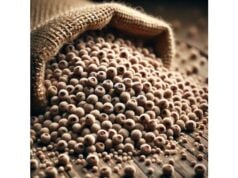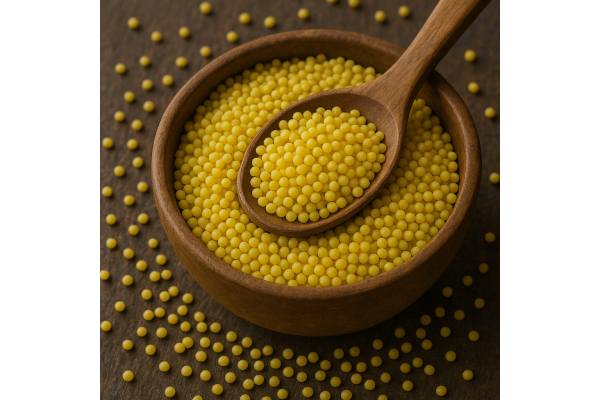
Millet is a family of small, quick-growing cereal grains that thrive where other crops struggle. Long valued across Africa and Asia, millets are making a modern comeback for practical reasons: they cook fast, taste nutty and comforting, and deliver fiber, slow-digesting carbohydrates, and useful amounts of protein and minerals. Different species—like pearl, finger (ragi), foxtail, and proso—bring distinct textures and nutrients; for example, finger millet is unusually rich in calcium for a grain, and most millets are naturally gluten-free. In the kitchen, millet swings savory or sweet: a fluffy pilaf, a creamy porridge, a crisp flatbread, or a nourishing dosa-style batter. From a sustainability lens, millets tolerate heat and drought, fit well into rotations, and support food security in variable climates. This guide translates the science and tradition into clear steps: how to choose among types, what you get nutritionally per 100 grams, evidence-based benefits and risks (including thyroid nuances), best cooking methods to preserve nutrients, and sensible serving sizes with smart swaps and comparisons.
Key Takeaways
- Naturally gluten-free whole grains that provide fiber, magnesium, and manganese with steady, slow-digesting carbohydrates.
- Finger millet stands out for calcium, while yellow varieties offer carotenoids; soaking or fermenting can improve mineral bioavailability.
- Typical serving: ½–1 cup cooked (about 100–200 g), enjoyed 3–7 times weekly within a varied whole-grain rotation.
- Safety note: rare millet allergy and possible thyroid concerns if pearl millet is consumed excessively alongside very low iodine intake.
- People with celiac disease, low-iodine diets, or advanced kidney disease should personalize portions and product choices with a clinician or dietitian.
Table of Contents
- Millet: Detailed Overview
- Millet Nutrition Profile
- Evidence-Based Health Benefits
- Risks, Allergies and Interactions
- Selecting, Quality, Sustainability and Storage
- Preparation, Cooking and Nutrient Retention
- Portions, Comparisons and FAQs
Millet: Detailed Overview
Millet is not one grain but a group of small-seeded grasses cultivated for human food and fodder. The most commonly eaten types include pearl millet (Pennisetum glaucum), finger millet or ragi (Eleusine coracana), foxtail millet (Setaria italica), proso millet (Panicum miliaceum), little millet (Panicum sumatrense), kodo millet (Paspalum scrobiculatum), and barnyard millet (Echinochloa species). Each species has its own culinary personality—pearl cooks fluffy with a pleasant bite, finger lends a malty-cocoa note to porridge and flatbreads, and foxtail turns silky for pilafs and salads.
A few features make millets uniquely practical:
- Speed and flexibility in the kitchen. Most millets cook in 10–25 minutes on the stovetop (sooner with soaking or pressure cooking). Their texture can be tuned from light and separate to creamy and spoonable.
- Naturally gluten-free. Millet grains contain no gluten, making them useful in gluten-free cooking when processed in dedicated facilities to minimize cross-contact.
- Balanced macronutrients. Millets are predominately carbohydrate for steady energy, with meaningful fiber and moderate protein (often 10–12 g per 100 g raw).
- Micronutrients and bioactives. Magnesium, manganese, phosphorus, and copper are notable. Finger millet can deliver high calcium, while most millets supply phenolic compounds and carotenoids (variety-dependent).
- Culinary range. Think pilafs, porridges, idli and dosa-style fermented batters, uttapam-like pancakes, crispy flatbreads, salads, grain bowls, veggie burgers, and baked goods (when blended with other flours or binders).
Sustainability is part of millet’s story. As drought-tolerant and short-season cereals, millets fit semi-arid regions where maize or wheat may fail. They thrive on marginal soils, integrate well into rotations as break crops, and flower extensively—supporting on-farm biodiversity and pollinators. That resilience is why millets are called “climate-smart” grains and why chefs and home cooks are embracing them as affordable, reliable pantry staples.
Deciding which millet to buy depends on your goal:
- For a fluffy side similar to couscous, start with proso or foxtail.
- For porridge or baked goods, try finger (ragi) for its creamy body and pleasant bitterness.
- For hearty pilafs and salads, pearl gives satisfying chew and stands up to dressings.
- For quick breakfasts or mix-ins, little and barnyard cook tender-fast and take on spices well.
With a couple of techniques—rinsing, optional soaking, and mindful water ratios—you can make millets a dependable, weeknight-friendly staple that also scales up to weekend cooking projects.
Millet Nutrition Profile
Context for tables: Values below are representative of unfortified, whole-grain millets. Composition varies by species, variety, and processing (polishing, decortication, or pearling removes bran and germ, reducing fiber and minerals). Unless noted, values are per 100 g raw (uncooked). %DV uses current adult reference values for a 2,000 kcal diet. Energy has no %DV.
Macros and Electrolytes — generic whole millet (raw)
| Nutrient | Amount | %DV |
|---|---|---|
| Energy | 378 kcal | — |
| Protein | 11.0 g | 22% |
| Total fat | 4.2 g | 5% |
| Saturated fat | 0.7 g | 3% |
| Carbohydrate | 72.9 g | 27% |
| Dietary fiber | 8.5 g | 30% |
| Total sugars | 1.7 g | — |
| Sodium | 5 mg | 0% |
| Potassium | 195 mg | 4% |
| Water | ~8–10 g | — |
Carbohydrates (quality indicators)
| Component | Typical amount | Notes |
|---|---|---|
| Starch | predominant | Mostly slowly digestible in intact cooked grains; gelatinization and milling increase glycemic impact. |
| Resistant starch (after cooling) | small but meaningful | Cooling cooked millet increases resistant starch; reheating preserves a portion. |
| Soluble and insoluble fiber | ~8–10 g total | Insoluble predominates; soluble fraction rises with fermentation and sprouting. |
Fats and Fatty Acids
| Fatty acid | Amount (g) |
|---|---|
| Monounsaturated | ~1.0 |
| Polyunsaturated | ~2.0 (mainly linoleic, omega-6) |
| Alpha-linolenic (omega-3) | ~0.1 |
| Cholesterol | 0 |
Protein and Amino Acids (illustrative)
| Amino acid | Amount (g) |
|---|---|
| Leucine | ~0.85 |
| Isoleucine | ~0.45 |
| Valine | ~0.60 |
| Lysine | ~0.28 |
| Methionine | ~0.23 |
| Threonine | ~0.40 |
| Phenylalanine | ~0.55 |
| Tryptophan | ~0.16 |
Note: Like most cereals, millets are relatively lysine-limited. Pair with legumes, dairy, eggs, fish, or meat to boost overall protein quality across the day.
Vitamins
| Vitamin | Amount | %DV |
|---|---|---|
| Thiamin (B1) | 0.42 mg | 35% |
| Riboflavin (B2) | 0.28 mg | 22% |
| Niacin (B3) | 4.7 mg | 29% |
| Vitamin B6 | 0.38 mg | 22% |
| Folate (DFE) | 85 µg | 21% |
| Vitamin E (alpha-tocopherol) | 0.05 mg | <1% |
| Vitamin K (phylloquinone) | trace | — |
| Vitamin C | 0 mg | 0% |
Minerals
| Mineral | Amount | %DV |
|---|---|---|
| Magnesium | 114 mg | 27% |
| Manganese | 1.6 mg | 70% |
| Phosphorus | 285 mg | 23% |
| Copper | 0.75 mg | 83% |
| Zinc | 1.7 mg | 15% |
| Iron | 3.0 mg | 17% |
| Selenium | 2.7 µg | 5% |
| Potassium | 195 mg | 4% |
| Calcium | 8 mg | <1% |
| Sodium | 5 mg | 0% |
Finger millet (ragi) highlight — raw, per 100 g
| Nutrient | Amount | %DV |
|---|---|---|
| Calcium | ~344 mg | 34% |
| Dietary fiber | ~11.0 g | 39% |
| Iron | ~3–4 mg | 17–22% |
| Note | — | Finger millet is notable for calcium compared with other cereals; color varieties contain more phenolics. |
Bioactives and Phytonutrients
- Phenolic acids (ferulic, caffeic), flavonoids, and tannins reside largely in bran and seed coat; darker varieties tend to be richer.
- Carotenoids (lutein, zeaxanthin) appear in some millets; levels vary by species and color.
- Dietary inositols and related compounds are present, especially in certain species.
Allergens and Intolerance Markers
- Gluten: Millets are naturally gluten-free; verify dedicated processing if gluten-free is medically required.
- FODMAPs: Typically modest in intact cooked portions; batters with added sweeteners or fibers can differ.
Anti-nutrients
- Phytates (and tannins, species-dependent) can reduce mineral absorption. Soaking, germination, fermentation, or nixtamal-like alkaline treatments lower phytate levels and can enhance bioavailability.
- Goitrogenic C-glycosylflavones are reported in pearl millet; see Safety section for context.
Glycemic and Acid–Base Metrics
- Glycemic index: generally low to moderate for intact cooked millets; milling, fine flours, and instant products raise GI.
- PRAL: mildly acid-forming, similar to other cereal grains.
Footnotes: Values reflect unfortified whole grains. Decorticated or pearled millets show lower fiber and minerals per 100 g due to bran/germ removal. Cooking in excess water and draining reduces water-soluble B-vitamins and minerals.
Evidence-Based Health Benefits
1) Support for healthier blood sugar patterns
Millets typically deliver a lower to moderate glycemic response when eaten as intact, minimally processed grains. Their structure, fiber, and polyphenols slow starch digestion and absorption. Controlled trials and meta-analyses suggest that regular millet intake can reduce fasting and post-meal glucose and modestly improve longer-term markers such as HbA1c when incorporated into balanced diets. You can tilt results in your favor by keeping kernels intact (pilaf, porridge with texture), avoiding overcooking, and cooling and reheating cooked millet to generate resistant starch that blunts glucose rise.
2) Everyday minerals for metabolism and nerves
A 100 g raw portion (about ⅔ cup dry) of generic millet provides ~114 mg magnesium and ~285 mg phosphorus, plus copper, manganese, and zinc. Magnesium supports insulin signaling, muscle and nerve function, and blood pressure regulation; phosphorus helps energy production; copper and manganese assist antioxidant enzymes. If your current pattern leans on refined grains, rotating millet into meals a few times a week is a simple way to upgrade mineral density.
3) Fiber for fullness and digestive rhythm
With ~8–11 g fiber per 100 g raw, millets contribute both insoluble fiber (bulks stool and speeds colonic transit) and soluble or fermentable fractions (fuel for gut microbes). People often report steadier energy and improved satiety when swapping refined starches for millet-based sides. If you are new to higher-fiber staples, increase gradually—start with ½ cup cooked portions and scale up over one to two weeks.
4) Polyphenols and carotenoids that round out plant diversity
Millets provide phenolics (ferulic acid, catechins, and others), flavonoids, and, in some varieties, carotenoids like lutein and zeaxanthin. These bioactives add to the overall antioxidant potential of plant-forward diets. Darker millets (e.g., certain finger or foxtail types) tend to be richer in phenolics; traditional batters made by fermentation can further increase bioactive availability.
5) Gluten-free variety with cultural range
For people who must avoid gluten, millet offers reliable variety beyond rice and corn—think ragi porridge, foxtail pilafs, 100% millet flatbreads, or multi-grain idli/dosa batters. Cross-contact is a consideration: look for products produced in dedicated gluten-free facilities when medically necessary.
6) Sustainability and food security benefits
Millets thrive with lower water inputs and shorter seasons, providing resilient calories in challenging climates. Choosing millets supports agricultural diversity, which is good for farms and ecosystems—and for household budgets when you buy whole grains in bulk and store them well.
Practical ways to apply the evidence
- Build a grain rotation: alternate millet with oats, brown rice, quinoa, and barley for different fibers and phytochemicals.
- For glycemic goals, choose intact millets most often; reserve fine flours for occasional use or blend them with ground nuts and seeds to slow glycemic impact.
- Pair millet with non-starchy vegetables and a protein (legumes, fish, eggs, yogurt, tofu) to extend satiety and flatten post-meal glucose.
Risks, Allergies and Interactions
Allergy and intolerance
Millet allergy is uncommon but documented. Reactions range from hives and oral itching to, rarely, anaphylaxis. If you have histories of seed or grass-pollen allergies, introduce millet cautiously and consult an allergist if symptoms appear. For those with celiac disease or medically indicated gluten-free diets, millets are naturally gluten-free but can be cross-contaminated in shared fields, mills, or bakeries. Choose certified gluten-free products when medically necessary.
Thyroid and goitrogen concerns
Historical observations linked pearl millet consumption in iodine-poor settings with goiter. Laboratory work points to C-glycosylflavones in pearl millet that can inhibit thyroid peroxidase, a key enzyme in thyroid hormone synthesis. That said, recent systematic reviews of human data conclude the association is inconsistent and context-dependent, with iodine status and overall diet likely acting as modifiers. Practical takeaway: ensure adequate iodine intake (e.g., iodized salt as advised by your clinician), vary grain choices, and avoid relying exclusively on pearl millet as the staple when iodine intake is uncertain.
Anti-nutrients and mineral bioavailability
Like other whole grains, millets contain phytates and—species-dependent—tannins that bind minerals. Traditional methods such as soaking, germination (sprouting), fermentation, and malting can reduce phytates and increase the bioavailability of iron and zinc. Even simple steps—soak for a few hours, cook by absorption, pair with vitamin C–rich foods—can help.
Kidney and mineral-restricted diets
Millets provide phosphorus and potassium. People with advanced chronic kidney disease on restricted mineral plans should confirm appropriate portions and product choices with their kidney team. Using absorption cooking methods and portion planning makes it easier to fit millets into tailored meal plans.
Glycemic and digestive comfort
Glycemic effects vary by form: intact grains and coarse meals have lower impact than fine flours and instant cereals. Large servings of high-fiber millet or air-popped popcorn-style snacks made with millet may cause bloating if introduced abruptly. Start with smaller portions, increase fluids, and titrate up over one to two weeks.
Who should limit or avoid?
- Anyone with a confirmed millet allergy.
- Individuals with celiac disease unless products are certified gluten-free and cross-contact is controlled.
- People with very low iodine intake relying mainly on pearl millet as a staple—diversify grains and discuss iodine with a clinician.
- Those on mineral-restricted plans (e.g., advanced CKD) who require customized portions.
Selecting, Quality, Sustainability and Storage
Know your millets and forms
- Pearl millet: Larger, slightly chewy grains; excellent in pilafs, salads, and fermented batters.
- Finger millet (ragi): Finely ground for porridges and flatbreads; naturally higher calcium and deep, toasty flavor.
- Foxtail millet: Delicate, cooks quickly, great for fluffy sides and grain bowls.
- Proso millet: Neutral taste, versatile for salads and veggie burgers; toasts beautifully.
- Little, barnyard, and kodo millets: Small kernels that cook fast; add well to soups, khichdi-style dishes, and breakfast bowls.
Whole vs polished/decorticated
Whole-grain millets retain bran and germ, preserving fiber, minerals, and phytochemicals. Polished or decorticated forms cook faster and taste milder but lose some nutrition. If you are new to millet, try both—keep whole-grain for days you want higher fiber and polished for quick, tender textures.
Quality cues at purchase
- Color and aroma: Fresh millet smells clean and slightly nutty; avoid musty or rancid notes.
- Uniform kernels: Minimal broken grains or dust means more even cooking.
- Packaging: Airtight, moisture-free bags or jars; look for “whole-grain” on the label.
- Gluten-free need? Choose certified gluten-free millets from dedicated facilities.
Sustainability snapshot
Millets are short-season, drought-tolerant cereals suited to rainfed agriculture, often requiring lower inputs than maize or wheat in semi-arid regions. They support crop diversity, soil cover, and resilience under heat stress. Buying from regional mills, exploring heirloom or colored varieties, and minimizing waste through proper storage can further shrink your footprint.
Storage and shelf life
- Dry grains: Keep airtight in a cool, dark pantry; use within 6–12 months. For longer storage, refrigerate or freeze to slow oxidation of germ oils.
- Flours: Higher surface area means faster rancidity; store refrigerated or frozen and use within 3–4 months.
- Cooked millet: Refrigerate within 2 hours; use within 3–5 days or freeze up to 3 months (portion in flat, labeled packs).
- Rancidity check: Discard if you notice paint-like or soapy aromas, unusual bitterness, or visible moisture or mold.
Budget and convenience
- Buy whole grains in sizes you can finish in a few months.
- Keep one quick-cooking option (foxtail or polished pearl) and one whole-grain option (proso, finger) to match your schedule.
- For busy weeks, cook a batch and freeze in 1-cup portions for fast grain bowls, salads, and sides.
Preparation, Cooking and Nutrient Retention
Before you cook
- Rinse millets in cool water to remove dust.
- Toast in a dry skillet (3–5 minutes) for a deeper, nutty flavor and slightly firmer texture.
- Soak (optional): 1–4 hours softens the bran, may reduce phytates, and shortens cooking time. Drain well.
Stovetop basics
- Fluffy pilaf: 1 cup millet + 2 cups water or broth; bring to a boil, cover, and simmer 12–18 minutes (species vary). Rest 5 minutes, then fluff.
- Creamy porridge: 1 cup millet + 2½–3 cups liquid; simmer gently, stir near the end to mobilize starch; sweet or savory finishes both work.
- Absorption method: Prefer measured liquid over excess boiling and draining to retain B-vitamins and minerals.
Pressure cooker or rice cooker
- Electric pressure cooker: 1 cup millet + 1¾–2 cups liquid; 5–7 minutes on high pressure; natural release 5 minutes.
- Rice cooker: Use the white rice setting; check for doneness and rest before fluffing.
Fermentation and batters
- For idli or dosa–style batters, combine millet and urad dal, soak separately, grind, and ferment 8–12 hours (warm climate) until bubbly. Fermentation can lower phytates, increase B-vitamin availability, and produce a tender crumb.
Baking with millet
- Use millet flour at 10–30% of total flour for nutty complexity in pancakes, muffins, and quick breads. In gluten-free loaves, combine millet with binders (psyllium or xanthan) and moisture (eggs, yogurt, mashed squash) to prevent crumbling.
- Whole millet adds crunch to bread and granola; pre-soak or par-cook to avoid tooth-breakers.
Retention strategies
- Keep heat and water moderate and avoid prolonged boiling to protect water-soluble nutrients.
- Cook in broth or sauce when possible to capture nutrients into the dish.
- Pair with vitamin C–rich vegetables (peppers, tomatoes, citrus) to increase meal-level iron uptake.
- Cool and reheat cooked millet to increase resistant starch for a steadier glycemic profile.
- For mineral bioavailability, use soaking, germination, or fermentation—even short soaks help.
Five go-to ideas
- Weeknight pilaf: Toast proso millet, simmer with vegetable broth, fold in peas, herbs, lemon zest, and toasted almonds.
- Ragi breakfast: Cook finger millet with milk or fortified plant drink, finish with dates, walnuts, and a pinch of cardamom.
- Foxtail salad: Toss cooled grains with cherry tomatoes, cucumbers, olives, feta, and a lemon-olive oil vinaigrette.
- Millet dosa: Ferment foxtail millet with urad dal; serve with sambar and coconut chutney.
- Stuffed peppers: Fill roasted peppers with pearl millet, black beans, corn, spices, and cilantro-lime yogurt.
Portions, Comparisons and FAQs
Practical portions and frequency
- Typical cooked serving: ½–1 cup (about 100–200 g) per meal, depending on hunger and activity.
- Weekly cadence: 3–7 millet meals as part of a rotation with other whole grains and legumes.
- If you are fiber-sensitive: begin at ¼–½ cup cooked, hydrate well, and increase over 1–2 weeks.
How millet compares with other staples
- Versus brown rice: Millet often provides more magnesium and manganese per 100 g raw; both are gluten-free. Brown rice tends to be milder and stickier; millet is nuttier and can be lighter or creamy.
- Versus quinoa: Quinoa has a more balanced amino-acid profile (higher lysine); millet generally offers more variety in textures and tends to be less expensive.
- Versus oats: Oats excel in beta-glucan, while millets add diverse phenolics and different cooking roles (pilaf, dosa, flatbreads).
- Versus corn: Whole-grain polenta and millet both fit gluten-free diets; millet usually cooks faster and has a lower to moderate glycemic impact when intact.
FAQs
Is millet gluten-free?
Yes. Millets are naturally gluten-free. For celiac disease, buy certified gluten-free products to reduce cross-contact risk.
Which millet is best for diabetes-friendly meals?
Choose intact grains like foxtail, little, kodo, or pearl cooked al dente and served with protein and non-starchy vegetables. Limit instant cereals and fine flours.
Does millet affect the thyroid?
Context matters. Pearl millet contains compounds that can inhibit a thyroid enzyme in lab settings. In real diets, adequate iodine intake, grain diversity, and overall balance are key. If you rely heavily on pearl millet and are unsure about iodine, discuss with your clinician and consider iodized salt as advised.
How do I prevent mushy millet?
Toast first, use 1:2 grain-to-liquid for fluffy results, simmer gently, avoid stirring, and rest 5 minutes before fluffing.
Can kids and older adults eat millet?
Yes. Millet is soft-chew friendly when cooked with more liquid. For children and older adults, emphasize variety, texture-appropriate dishes (porridge, patties), and pairings that supply protein and vitamin C.
What about sprouted millet?
Sprouting can reduce phytates and change flavor and texture. Buy from reputable producers or sprout at home with careful food safety: rinse, drain thoroughly, and refrigerate promptly once sprouts form.
References
- A Systematic Review and Meta-Analysis of the Potential of Millets to Manage and Prevent Diabetes 2021 (Systematic Review)
- Does consumption of pearl millet cause goiter? A systematic review 2024 (Systematic Review)
- The nutrition and therapeutic potential of millets 2024 (Systematic Review)
- Germination induced changes in bioactive compounds and antioxidant potential of millets: a review 2022 (Review)
- USDA FoodData Central 2024 (Database)
Disclaimer
This guide is for general education and is not a substitute for personalized medical advice, diagnosis, or treatment. Nutrition needs and tolerances vary widely. If you have celiac disease, a confirmed grain allergy, thyroid disease, diabetes, kidney disease, or you follow a therapeutic diet, consult your healthcare professional or a registered dietitian for tailored recommendations. Seek medical care promptly for signs of allergic reaction or foodborne illness.
If this article was helpful, please consider sharing it with friends or colleagues on Facebook, X, or any platform you prefer. Your support helps us continue producing careful, reader-first nutrition guidance.