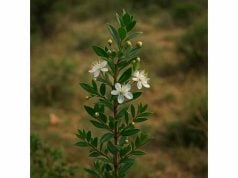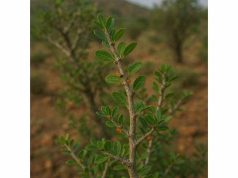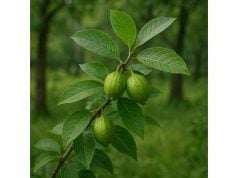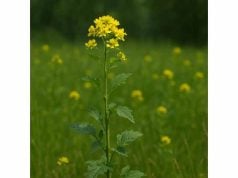
Molokhia, also known as jute mallow, saluyot, and ewedu in different food traditions, is one of those rare plants that sits comfortably between nourishment and herbal practice. Its leaves are prized for their soft texture, mineral density, and natural mucilage, which gives cooked molokhia its signature silky body. Across the Middle East, Africa, and parts of Asia, it has long been used as both a staple food and a traditional household remedy.
What makes molokhia especially interesting is that its value does not come from one dramatic active compound alone. Instead, it brings together fiber, vitamins, minerals, polyphenols, and soothing polysaccharides in a way that supports digestion, antioxidant defense, and overall dietary quality. At the same time, some claims around molokhia are stronger than the evidence behind them, and different parts of the plant do not carry the same safety profile. This guide looks at what molokhia contains, the benefits it may offer, how it is traditionally used, practical serving guidance, and the safety points that matter most.
Quick Overview
- Molokhia supports digestive comfort through fiber and soothing mucilage.
- Its leaves provide useful amounts of minerals, antioxidant compounds, and vitamin-rich plant nutrients.
- A practical food serving is about 75 to 150 g cooked leaves, or roughly 1 to 2 cups of prepared soup.
- Concentrated use is best avoided in pregnancy, with glucose-lowering medication, or when seeds and non-leaf parts are involved.
Table of Contents
- What molokhia is and why it stands out
- Key ingredients and medicinal properties of molokhia
- Potential health benefits and what research supports
- Traditional uses and how molokhia is prepared
- Dosage, forms, and practical how to use it
- Safety, side effects, and who should be careful
- Buying, storing, and common mistakes to avoid
What molokhia is and why it stands out
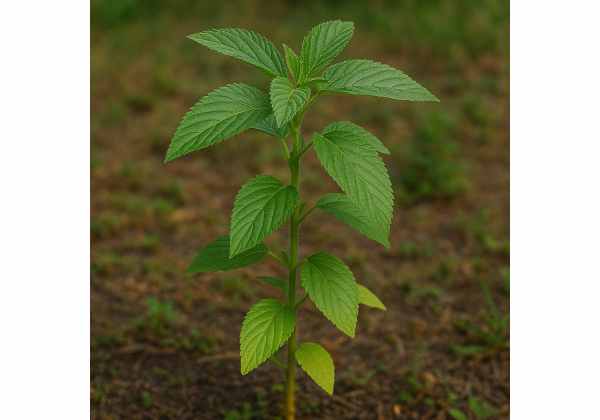
Molokhia is the leaf of Corchorus olitorius, a warm-climate plant best known in culinary traditions as a tender green used in soups, stews, and sauces. In some regions it is called jute mallow, in others saluyot, ewedu, or simply molokhia. That variety of names reflects how widely the plant has traveled and how differently people cook it. Yet across those traditions, one feature remains constant: when the leaves are chopped and heated, they produce a naturally slippery, glossy texture that makes the dish feel both substantial and soothing.
That texture is more than a culinary curiosity. It points to the plant’s mucilage and polysaccharide content, which are central to the way molokhia behaves in food and to some of its traditional health uses. Unlike sharper greens that are prized mainly for bitterness or aroma, molokhia is valued for body, softness, and digestibility. It thickens broth, coats grains well, and pairs easily with garlic, lemon, coriander, onions, lentils, poultry, and rice.
One reason molokhia deserves a more careful discussion than many leafy greens is that it is often described as both a food and a medicine. That is true, but it can be misleading if left too broad. The leaves used in soup are not the same thing as a concentrated seed extract, and they should not be treated as interchangeable. In everyday practice, the edible leaf is the main part people know, while the broader plant has a more complex phytochemical profile that includes compounds not relevant to normal cooking.
Molokhia also stands out because it is best understood as a functional food before it is understood as a supplement. It is not famous because people take capsules of it every day. It is valuable because regular leaf use can raise the nutrient quality of a meal, add fiber and plant compounds, and support the texture and satiety of food without relying on heavy fats or refined thickeners.
That makes molokhia different from many herbs that are used in tiny doses. It lives in the space between vegetable and medicinal plant. In that sense, it resembles okra for mucilage-rich digestive support, though the flavor, leaf form, and cultural use are distinct. For most people, molokhia works best as a regular cooked green with possible health-supporting value, not as a high-dose remedy meant to replace medical care.
Key ingredients and medicinal properties of molokhia
The appeal of molokhia begins with its nutritional density, but its chemistry goes beyond basic vitamins and minerals. The leaves contain fiber, protein in modest but meaningful amounts, and a broad spectrum of micronutrients that can strengthen the overall quality of a meal. Traditional analyses and modern reviews describe molokhia as a good source of calcium, iron, potassium, phosphorus, folate-related nutrients, vitamin C, vitamin E, and provitamin A compounds. In food terms, that means molokhia is not just a leafy garnish. It contributes real substance.
Its most distinctive feature, however, is the mucilage. This thick, soluble, gel-forming material helps explain why cooked molokhia feels silky and why it has traditionally been associated with soothing, demulcent, and digestive-friendly properties. Mucilage can help soften the texture of meals, support stool regularity, and slow the movement of food through the stomach and intestines in a way that some people find gentler and more satisfying.
Molokhia also contains a notable range of phytochemicals. Reviews of Corchorus olitorius identify phenolic acids such as chlorogenic acid and caffeic acid derivatives, along with flavonoids such as quercetin glycosides, kaempferol-related compounds, luteolin-related compounds, and other antioxidant constituents. These compounds are often discussed because of their ability to help neutralize oxidative stress in laboratory settings and because they may contribute to the plant’s broader anti-inflammatory and metabolic reputation.
From a traditional herbal perspective, the leaves have been described with several action terms:
- Demulcent, meaning soothing to irritated tissues
- Mild laxative or stool-softening in some preparations
- Digestive support food, especially when paired with grains or legumes
- Nourishing tonic food rather than a strongly stimulating herb
- Softening and moistening leafy vegetable in dry, heavy, or constipating diets
That last point matters. Molokhia is not typically valued because it strongly pushes the body in one direction. It is valued because it nourishes while gently influencing digestion and meal quality. This is closer to the logic of a traditional food remedy than a potent botanical drug.
Still, the chemistry is not entirely simple. Corchorus species are also known for cardiac glycosides in some plant parts, especially seeds and non-culinary materials. That does not make a normal bowl of leaf soup dangerous, but it does mean that “the plant” should not be discussed carelessly. The edible leaf and the whole species are not the same practical thing.
For readers familiar with nutrient-dense greens, molokhia fits well beside kale and other antioxidant-rich leafy vegetables, but its mucilage and traditional soup use make it feel softer, more soothing, and often easier to build into comfort foods.
Potential health benefits and what research supports
Molokhia is often praised as a cure-all, but a more useful and honest view is this: its strongest benefits are nutritional and functional, while many medicinal claims remain promising but not fully proven in large human trials.
The most defensible benefit is digestive support. Because molokhia combines fiber with mucilage, it can help make meals more filling and easier to move through the digestive tract. Many people experience cooked molokhia as a softening food rather than a harsh roughage. That makes it especially helpful in diets that are low in vegetables or dominated by dry starches. It may also support post-meal comfort when prepared simply and eaten in moderate portions.
A second likely benefit is antioxidant support. Molokhia leaves contain phenolic compounds and flavonoids that are repeatedly linked with antioxidant activity in lab and preclinical work. This does not mean molokhia “detoxes” the body in a magical way. It means that, as part of a plant-rich diet, it contributes compounds that help the body manage oxidative stress and inflammation.
A third area of interest is blood sugar response. Limited human evidence and a larger body of preclinical research suggest that molokhia may help blunt post-meal glucose rise, likely because of its soluble fiber and mucilage as well as its phytochemical profile. That is a meaningful clue, but it is not enough to call molokhia a stand-alone diabetes treatment. The most responsible interpretation is that it may be a useful food choice within a glucose-conscious eating pattern.
Other possible benefits are less certain but still worth noting:
- It may support a healthier lipid profile when used regularly in plant-forward diets.
- Its mineral and folate content can help strengthen the nutrient density of meals aimed at preventing deficiencies.
- Traditional use suggests soothing value for irritated tissues and constipation-prone digestion.
- Laboratory and animal work points toward anti-inflammatory, gastroprotective, and tissue-healing potential.
The gap between promise and proof matters. Much of the stronger language around molokhia comes from cell studies, animal work, or traditional reports. Those are helpful starting points, not final answers. It is reasonable to say molokhia is a beneficial leafy vegetable with interesting medicinal potential. It is not reasonable to say it has clearly proven effects for cancer, ulcer disease, or chronic metabolic disease in routine home use.
The practical takeaway is that molokhia is most convincing when discussed as a therapeutic food. It may not work like a concentrated supplement, but it can still matter. That is often how the best traditional foods behave: they do not overwhelm the body, yet over time they help shape a better dietary pattern. In that way, it resembles purslane and other nutrient-dense edible greens that blur the line between nourishment and herbal support.
Traditional uses and how molokhia is prepared
Molokhia has a remarkably broad cultural life. In Egypt it is a famous green soup, often cooked with garlic and coriander and served with rice or bread. In the Levant, it may appear with lemon, olive oil, onions, or poultry. In West Africa, closely related preparations become soft sauces eaten with staples such as yam, cassava, millet, or maize-based dishes. In the Philippines, saluyot is used in broths and vegetable dishes. In Japan and parts of Southeast Asia, dried leaves or soups highlight its thickening and nourishing qualities.
This culinary history is important because it explains how molokhia has been used medicinally. It was not always taken as a measured dropper of tincture. More often, it entered the body as food that could also soothe, moisten, fortify, and ease elimination. That pattern is common in traditional medicine, especially with plants that are safe enough to eat as vegetables when the right part is used.
Traditional uses associated with molokhia leaves include:
- Supporting regular bowel movements
- Softening dry or constipating meals
- Acting as a nourishing food during recovery
- Providing a gentle, soothing meal when appetite is reduced
- Serving as a mineral-rich green in regions where dietary variety may be limited
In some traditions, leaf infusions or decoctions have also been used more directly for digestive complaints, aches, or general weakness. Folk use has extended into women’s health, fever support, and wound-related applications in certain cultures. Those uses are part of the ethnobotanical record, but they should not automatically be translated into modern treatment claims without stronger evidence.
How molokhia is prepared affects both taste and tolerance. Finely chopped leaves create a smoother, more uniform soup. Whole or roughly cut leaves create more texture. Garlic, onion, cumin, coriander, and acidic ingredients help balance the plant’s earthy depth and slight slipperiness. Longer cooking deepens body, but very prolonged boiling can dull flavor and reduce brightness.
Simple preparation principles tend to work best:
- Wash the leaves well.
- Remove tough stems if needed.
- Chop or mince depending on the style you want.
- Simmer gently rather than aggressively boiling for long periods.
- Finish with aromatics, fat, and acid to improve both flavor and digestibility.
Because of its softening character, molokhia pairs well with beans, lentils, poultry, rice, and flatbreads. It can also be dried and powdered for soups, though fresh or frozen leaves usually offer the best texture.
Readers who enjoy leafy soups and functional greens often appreciate how molokhia combines nourishment with culinary comfort. It can fill a role that is partly like a vegetable, partly like a thickener, and partly like a soothing food, which is why it has lasted so well in traditional kitchens.
Dosage, forms, and practical how to use it
Molokhia is one of those plants where “dosage” depends on whether you are using it as food, as a dried leaf ingredient, or as a concentrated extract. For most people, the leaf as food is the most practical and safest form.
As a cooked vegetable or soup, a reasonable serving is about 75 to 150 g cooked leaves, which often translates to roughly 1 to 2 cups of prepared molokhia soup depending on how concentrated the recipe is. That amount is enough to contribute fiber, minerals, and plant compounds without turning the meal into an all-day digestive experiment. If you are new to mucilaginous greens, beginning at the lower end is smart.
For fresh leaves going into a pot, many home cooks use what amounts to a loose handful to two generous handfuls per serving, adjusting with broth and aromatics. Frozen molokhia can be portioned in much the same way. Dried leaf powder is more concentrated by weight and works best in smaller amounts, often about 5 to 10 g stirred into soups or broths. The powder thickens quickly, so more is not always better.
A practical approach looks like this:
- New users: start with 1 small bowl of soup or about 75 g cooked leaves.
- Regular food use: 75 to 150 g cooked leaves per meal, 2 to 4 times weekly if desired.
- Dried leaf powder: begin with 5 g and increase only if texture and digestion remain comfortable.
- Concentrated extracts: use only according to product directions, because no widely accepted therapeutic leaf-extract dose exists.
Timing matters too. Molokhia usually works best with meals, not on an empty stomach as if it were a stimulant herb. Eaten with grains, legumes, or protein, it can improve satiety and soften heavier dishes. If your goal is metabolic support, pairing it with a carbohydrate-containing meal may make more sense than taking it separately.
There are also a few practical mistakes to avoid. One is assuming a concentrated seed or whole-plant preparation is equivalent to cooked leaves. It is not. Another is overshooting the amount because the soup seems light. Molokhia can feel gentle, but a large bowl made from a very concentrated leaf base may cause bloating in people who are not used to higher-fiber, mucilage-rich foods.
If your main interest is the soluble-fiber side of molokhia, it can be helpful to think of it as a whole-food counterpart to soluble fiber strategies used for digestion and meal balance, though molokhia adds micronutrients and culinary value that isolated fiber does not.
Safety, side effects, and who should be careful
For most healthy adults, cooked molokhia leaves used as food are generally well tolerated. That is the most important starting point. The main safety issues arise when people confuse edible leaf use with concentrated extracts, use poorly identified plant material, or forget that different parts of Corchorus olitorius do not share the same profile.
The leaves themselves are usually safest when properly washed and cooked. Likely side effects from normal food use are modest and mostly digestive:
- Bloating if the serving is much larger than your usual fiber intake
- A feeling of heaviness if the soup is very concentrated
- Loose stools in sensitive people
- Mild aversion to the slippery texture, which can lead some people to over-season or overcook it
Cooking tends to improve tolerance, and proper preparation can also reduce antinutrient burden. Molokhia does contain phytate and oxalate, but leaf studies suggest these are within acceptable food ranges and can be lowered further with cooking and boiling. That means most people do not need to fear molokhia as a leafy green, though variety in the diet still matters.
Where caution becomes more serious is with non-leaf parts and concentrated products. Corchorus species have been studied for cardiac glycosides, especially in seeds and some other plant parts. This is not a reason to avoid a normal molokhia meal, but it is a clear reason not to improvise with seeds, roots, or whole-plant extracts. The culinary leaf and an experimental extract are different categories of use.
Who should be more careful:
- Pregnant people, especially with medicinal or concentrated use
- People taking glucose-lowering medication, because molokhia may influence post-meal glucose handling
- Anyone with a very sensitive gut who is new to higher-fiber foods
- People using non-leaf preparations without professional guidance
- Anyone sourcing leaves from polluted soils or poorly regulated suppliers
Medication timing can matter as well. Because molokhia is fiber-rich and gel-forming, it makes sense to avoid taking a very concentrated molokhia meal or powder at the same time as important oral medicines. A gap of a couple of hours is a reasonable practical precaution.
Another overlooked safety point is contamination. Like many leafy greens, molokhia can accumulate unwanted substances if grown in polluted soil or irrigated with contaminated water. That is one more reason to buy from reliable sources and wash thoroughly.
In plain terms, molokhia is a safe food for most people when the edible leaves are used as food. It becomes less predictable when moved into concentrated, medicinal, or non-traditional forms.
Buying, storing, and common mistakes to avoid
Good molokhia is easy to enjoy when the leaves are fresh, clean, and used with the right expectations. The first choice is the form. Fresh leaves offer the best flavor and allow you to control texture. Frozen chopped molokhia is convenient and often excellent for soup. Dried leaf powder is useful when fresh leaves are unavailable, but it behaves more like an ingredient concentrate than a fresh vegetable.
When buying fresh molokhia, look for:
- Bright green leaves without large yellow patches
- Minimal sliminess in the bag before cooking
- Tender stems rather than woody ones
- No sour smell or signs of decay
- A source you trust for produce handling and clean growing conditions
Once home, store fresh leaves in the refrigerator wrapped loosely in a dry towel or ventilated bag. Use them fairly quickly, ideally within a few days. Wash just before cooking, not far in advance, because excess moisture speeds spoilage. Frozen molokhia should stay frozen until use, while dried powder should be kept airtight, dry, and away from heat and light.
The most common mistakes are not dramatic, but they do affect both enjoyment and safety:
- Overconcentrating the soup. Too much leaf with too little liquid can make molokhia overly thick and harder to digest.
- Underseasoning it. Molokhia usually tastes best with acid, aromatics, or savory depth.
- Treating every plant part as edible in the same way. The leaf is the food part people actually use most.
- Expecting it to act like a fast supplement instead of a slow, helpful food.
- Buying from questionable sources where soil, water, or storage quality may be poor.
Molokhia also benefits from smart pairing. It works especially well with legumes, grains, garlic, onions, citrus, and lean proteins. That is not only a flavor issue. It also turns molokhia into a more complete meal, which is often how traditional systems used it: not alone, but as part of an eating pattern that improves texture, satiety, and nutrient density at the same time.
One final point is worth keeping in mind. Molokhia is not impressive because it is exotic. It is impressive because it shows how everyday food can do quiet, useful work. Prepared well, it is comforting, nutrient-rich, and adaptable. Used carelessly, it is still usually just a disappointing bowl of soup rather than a dangerous one, but confusion about non-leaf parts or concentrated preparations can change that picture. Respecting the difference is what makes molokhia genuinely helpful.
References
- Pharmacological and phytochemical biodiversity of Corchorus olitorius 2022 (Review)
- A Comprehensive Review of C. capsularis and C. olitorius: A Source of Nutrition, Essential Phytoconstituents and Pharmacological Activities 2022 (Review)
- Corchorus olitorius extract exhibit anti-hyperglycemic and anti-inflammatory properties in rodent models of obesity and diabetes mellitus 2023 (Review)
- Evaluation of phytochemical, proximate, antioxidant, and anti-nutrient properties of Corchorus olitorius, Solanum macrocarpon and Amaranthus cruentus in Ghana 2023
- Toxicological study of the different organs of Corchorus olitorius L. plant with special reference to their cardiac glycosides content 1980
Disclaimer
This article is for educational purposes only and is not a substitute for medical advice, diagnosis, or treatment. Molokhia leaves are generally used as food, not as a standardized medical therapy. Potential benefits depend on the part of the plant, the preparation, the dose, and the individual person. Do not use non-leaf parts, concentrated extracts, or self-made medicinal preparations in place of professional care, especially during pregnancy, while taking prescription medicines, or when managing diabetes, heart conditions, or digestive disease.
If this guide helped you, please share it on Facebook, X, or your preferred platform so more readers can discover practical, evidence-aware information about traditional food herbs.