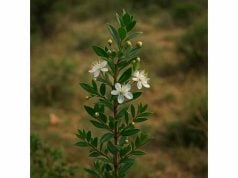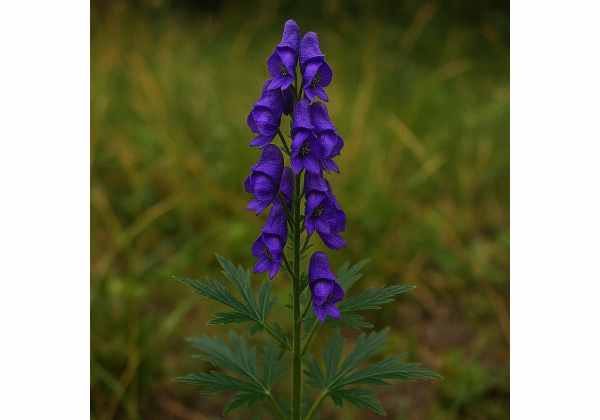
Monkshood, also known as wolfsbane or Aconitum napellus, is one of the most striking and dangerous plants in herbal history. Its deep blue-purple flowers have made it famous in gardens and folklore, but its medical reputation comes from something far less ornamental: highly active alkaloids that can affect nerves, muscles, and the heart. Historically, preparations from Aconitum species were used in tightly controlled traditional systems for pain, inflammation, and certain neuralgic complaints. In modern reading, however, monkshood is best approached as a toxic plant with a narrow and risky medicinal legacy rather than as a practical wellness herb.
That distinction matters. Monkshood contains aconitine-type compounds with potent biological effects, but those same compounds can cause numbness, vomiting, dangerous arrhythmias, and death. For that reason, the question is not simply whether monkshood has medicinal properties. It does. The real question is whether those properties can be separated from serious safety concerns. This guide explains the plant’s chemistry, traditional uses, limited benefit claims, dosage realities, and why monkshood is not suitable for casual self-treatment.
Essential Insights
- Monkshood has a long historical reputation for pain relief and anti-inflammatory action.
- Its active alkaloids are strongly neuroactive and cardiotoxic, which sharply limits safe use.
- No safe self-care dosage range is established for raw monkshood in modern practice.
- Avoid monkshood entirely during pregnancy, breastfeeding, childhood, heart disease, and any unsupervised home use.
Table of Contents
- What Monkshood Is and Why It Is Treated Differently From Most Herbs
- Monkshood Key Ingridients and Why They Are So Potent
- Possible Health Benefits and Why They Do Not Make Monkshood a Routine Remedy
- Traditional Medicinal Properties and Historical Uses
- Dosage, Processing, and Why Self-Dosing Is Not Appropriate
- Safety, Side Effects, Interactions, and Who Should Never Use Monkshood
- Safer Alternatives and How to Think About Monkshood Today
What Monkshood Is and Why It Is Treated Differently From Most Herbs
Monkshood is a perennial flowering plant in the buttercup family, native to parts of Europe and widely recognized by its hood-shaped violet-blue flowers. Its beauty has made it popular in ornamental gardens, but its medicinal story is tied to a very different trait: the presence of powerful diterpenoid alkaloids. These compounds are concentrated enough to give the plant a long history as both a remedy and a poison.
Unlike herbs that are mainly valued for gentle digestive, calming, or nutritional effects, monkshood has always belonged to a more hazardous category. It was historically used where strong action was desired, especially in pain-related conditions, but its therapeutic reputation developed in traditions that also respected its danger. The same plant that could be used in carefully processed form also had a reputation for hunting poisons, battlefield lore, and deliberate poisoning. That dual identity is not folklore alone; it reflects the plant’s very narrow margin between biological activity and toxicity.
This is why monkshood should not be discussed in the same casual way as chamomile, peppermint, or lavender. It is not a comfort herb. It is not an everyday anti-inflammatory. It is not a beginner’s botanical. Even its traditional medicinal role depended on knowledge of processing, dose restraint, and context.
The distinction becomes clearer when monkshood is compared with herbs that are genuinely practical for pain and inflammation self-care. For example, many readers looking for a plant-based pain option are usually better served by white willow for mild pain support rather than by exploring a historically toxic herb with cardiac risk.
Another reason monkshood is treated differently is that modern toxicology has confirmed what traditional practitioners often understood intuitively: the plant’s effects can escalate quickly and unpredictably. Exposure may begin with tingling, numbness, nausea, or dizziness and move toward life-threatening rhythm disturbances. The toxic risk applies not only to ingestion but also, in some circumstances, to handling concentrated material.
So when people ask whether monkshood is medicinal, the answer is yes, but incomplete. It is medicinal in the same way some extremely potent compounds are medicinal: its effects are real, but so are its hazards. Modern readers need that balance. Without it, the plant can sound intriguing and therapeutic when it is actually one of the clearest examples of why “natural” does not mean safe.
Monkshood Key Ingridients and Why They Are So Potent
Monkshood’s activity comes mainly from a class of compounds known as diterpenoid alkaloids, especially aconitine and related molecules such as mesaconitine and hypaconitine. These are the reason the plant has both a medicinal history and a toxicological warning label. They are not mild phytochemicals working quietly in the background. They are highly active compounds that interact with excitable tissues in the body, especially nerves, muscles, and heart tissue.
The best-known constituent is aconitine. It is the compound most often associated with monkshood’s toxic profile and much of its pharmacological interest. Aconitine affects voltage-sensitive sodium channels, which help regulate electrical signaling in nerve and muscle cells. When those channels are disrupted, the result can be abnormal sensations, muscle weakness, altered nerve conduction, and dangerous effects on heart rhythm. This same mechanism helps explain why aconitine has been studied for pain-related actions and why it can also be lethal.
Mesaconitine and hypaconitine are closely related alkaloids that contribute to the same overall toxic and pharmacological profile. These compounds can work alongside aconitine rather than independently, which is one reason whole-plant exposure is especially unpredictable.
Monkshood also contains other alkaloids and minor constituents, but they are not what define the plant’s real-world risk. The defining chemistry is the aconitine-type alkaloid group.
A simple way to think about monkshood’s chemistry is this:
- the key compounds are potent
- their main biological targets involve electrical signaling
- that gives them both analgesic interest and serious toxicity
- the line between effect and harm is unusually narrow
This matters because readers sometimes assume “active compounds” means “useful ingredients.” In monkshood, the active compounds are exactly what make the herb unsuitable for casual use. The chemistry is not a selling point by itself; it is a warning as much as a mechanism.
That is also why monkshood does not belong in a general supplement mindset. You cannot reason about it the way you would reason about antioxidant berries or digestive spices. Even when researchers discuss anti-inflammatory or analgesic activity, they usually do so with the constant shadow of toxicity in view.
For readers who want strong plant-based pain support, the better model is often a lower-risk herb with a wider safety margin, such as devil’s claw for musculoskeletal discomfort. Monkshood’s chemistry may be fascinating, but fascination is not the same as suitability.
In the end, monkshood’s key ingredients are best understood as pharmacologically powerful but clinically restrictive. They help explain why the plant has never disappeared from medical curiosity, yet they also explain why it remains one of the clearest examples of a botanical that should not be romanticized.
Possible Health Benefits and Why They Do Not Make Monkshood a Routine Remedy
If monkshood is discussed purely in terms of potential benefits, it can sound more promising than it really is for modern self-care. Traditional use and pharmacological research point toward several possible effects, especially in pain, inflammation, and nerve-related complaints. But those effects have to be weighed against the plant’s severe toxicity. That balance changes the entire meaning of “benefit.”
The most frequently mentioned benefit area is pain relief. Aconitum-derived compounds have shown analgesic or antinociceptive effects in experimental settings, and some processed aconite-derived medicines in traditional Asian systems have long been used for painful conditions. Historically, monkshood and related species were associated with neuralgia, rheumatic pain, and severe aching states. This is the core reason the plant retained medicinal attention.
A second potential benefit area is anti-inflammatory activity. Experimental work suggests that aconitine-related compounds may influence inflammatory pathways and cytokine signaling. That helps explain why older traditions sometimes used aconite-related preparations in joint pain and inflammatory complaints.
A third area is cardiovascular pharmacology, though this is where misunderstanding can become dangerous. Some aconitine-type compounds have biologically measurable cardiac effects, but that does not make monkshood a heart herb for practical use. In fact, the same cardiac activity that makes the plant scientifically interesting is one reason it is so hazardous.
There is also occasional interest in broader experimental effects, including immunologic, anticancer, or metabolic actions. These claims are mostly preclinical or highly preliminary. They do not translate into a practical recommendation for raw monkshood use, and they should not be marketed that way.
A grounded benefits summary looks like this:
- Historically plausible: pain relief in highly controlled traditional use
- Mechanistically plausible: anti-inflammatory effects in laboratory models
- Scientifically interesting but not suitable for self-care: broader systemic effects
- Not appropriate to conclude: that monkshood is a useful general supplement
This is a case where a plant can have true biological benefits and still be the wrong choice for most people. That may feel unsatisfying, but it is the most honest interpretation. Monkshood is not ineffective. It is too risky for its own promise.
For readers with everyday pain, inflammation, or headache concerns, there are far safer options to explore first, including boswellia for inflammation-focused support. These alternatives do not carry the same level of cardiotoxic and neurotoxic concern.
So yes, monkshood has medicinal potential. But that phrase should be read narrowly. Its possible benefits belong mostly to the history of potent materia medica, toxicology, and specialized pharmacology, not to modern home herbalism. When framed that way, the plant becomes easier to understand and much harder to misuse.
Traditional Medicinal Properties and Historical Uses
Monkshood’s traditional medicinal profile is strong, but it comes from an era when potent and dangerous remedies were more common in therapeutic practice. It was never a household herb in the ordinary sense. It belonged to a category of plants respected for forceful action, often used in small amounts, and approached with caution.
Historically, Aconitum species were associated with medicinal properties such as:
- analgesic
- anti-inflammatory
- antirheumatic
- neuralgic pain relief
- sedative or calming effects in selected traditions
- counterirritant or topical use in some older practices
These uses appeared in European and Asian medical traditions, though the exact species, processing methods, and cultural frameworks were not always the same. In many traditional systems, aconite preparations were used for severe cold-type pain, rheumatic discomfort, nerve pain, and stubborn joint complaints. Some traditions also used processed aconite roots in formulas intended for collapse states, profound coldness, or extreme weakness, though these applications were tightly contextual and not interchangeable with raw monkshood use.
European herbal history gave monkshood a reputation for neuralgia and severe pain, but even older writers often paired that interest with warnings. The plant’s reputation was always shadowed by the possibility of poisoning. That is important because it shows the modern safety concern is not an overreaction. It is built into the historical record.
Topical use also appears in older sources. Preparations were sometimes applied externally to painful areas, though even topical use carried risk if concentration, skin integrity, or product quality were poor. This is another reason monkshood differs from gentler topical plants. Someone seeking a plant for bruising or soreness is usually looking for something closer to arnica for topical comfort support, not a plant known for lethal alkaloids.
One mistake modern readers make is assuming that historical use equals validated modern utility. It does not. Traditional use can tell us where a plant was valued, but not whether it is appropriate today. Monkshood is a perfect example. Its history confirms strong medicinal action, yet that same history also confirms why the plant demands restraint.
Another mistake is treating all Aconitum traditions as equivalent. They are not. Some medicinal systems used processed roots from species other than Aconitum napellus, and that processing was central to the intended safety profile. Raw ornamental monkshood in a garden is not the same thing as a properly prepared traditional medicine.
The most useful conclusion is that monkshood’s historical role is real, but modern readers should treat it as a lesson in potent herbal medicine rather than as a green light for self-treatment. Its traditional medicinal properties are part of why the plant matters. Its danger is part of why it should be handled differently from almost every herb in a typical wellness discussion.
Dosage, Processing, and Why Self-Dosing Is Not Appropriate
Dosage is the section where monkshood most clearly stops being an ordinary herbal topic. For many herbs, it is reasonable to discuss a tea range, capsule amount, or tincture serving size. For monkshood, that kind of guidance would be misleading and potentially unsafe. There is no appropriate modern self-care dose for raw monkshood.
Why is dosage so difficult here? Because the plant’s active alkaloids are potent enough that even small differences in species, plant part, harvest conditions, preparation method, or processing can meaningfully change risk. The raw plant is not something that can be safely translated into a home infusion or kitchen remedy. The problem is not simply “too much monkshood.” The problem is that even the idea of casual dosing starts from the wrong assumption.
Traditional medical systems that used aconite-related materials relied heavily on processing. This could include soaking, boiling, repeated decoction, or other detoxifying methods intended to reduce the content of highly toxic alkaloids. Even then, dose errors, poor-quality material, or inadequate processing could still cause severe poisoning. That history is one of the strongest arguments against do-it-yourself use.
A practical way to think about dosage is:
- raw monkshood: not appropriate for self-dosing
- homemade tinctures or decoctions: not appropriate
- garden plant use: not appropriate
- specialized processed medicinal forms in traditional systems: professional domain, not routine home care
Readers sometimes want a number anyway, but giving one would create a false sense of safety. It is more accurate to say that monkshood belongs in the category of botanicals where the safe dose for unsupervised home use is effectively zero.
This also explains why articles that present monkshood as a simple dosage guide are usually unreliable. They flatten a high-risk plant into supplement language, which is exactly what should not happen. With monkshood, dose, preparation, and toxicology are inseparable.
Another practical problem is that many reported poisonings do not come only from intentional misuse. They can also arise from misidentification, contamination, accidental ingestion, poor processing, or folk self-medication. That makes monkshood even less suitable for independent experimentation.
Anyone seeking a stronger botanical for pain should move toward a safer herb with a clear modern dosage tradition, such as California poppy for mild calming and discomfort support, depending on the symptom pattern. Monkshood is not the plant to “try carefully.”
So the dosage answer for monkshood is unusually direct: meaningful medicinal activity exists, but modern unsupervised dosing is not an appropriate path. With this plant, restraint is not optional. It is the central rule.
Safety, Side Effects, Interactions, and Who Should Never Use Monkshood
Monkshood is one of the clearest examples of a plant that deserves a strong safety-first discussion. Its main toxic alkaloids can affect the nervous system and the heart, and serious poisoning can develop quickly. This is not a “mild side effects” herb.
Common early symptoms of exposure may include:
- tingling or numbness, especially around the mouth or limbs
- burning or prickling sensations
- nausea and vomiting
- abdominal pain or diarrhea
- dizziness or weakness
- sweating
More severe poisoning can progress to:
- low blood pressure
- abnormal heart rhythm
- palpitations
- chest discomfort
- marked weakness
- breathing difficulty
- collapse
- cardiac arrest
The most feared complications are ventricular arrhythmias and other rhythm disturbances that can be difficult to manage. That is one reason monkshood poisoning is treated as a medical emergency. There is no simple antidote that makes casual use acceptable.
Who should never use monkshood outside of specialized, professionally managed contexts?
- people who are pregnant or breastfeeding
- children and adolescents
- anyone with heart disease, arrhythmia history, or low blood pressure
- people taking antiarrhythmics, cardiac medicines, or complex prescription regimens
- people with neurologic disorders
- anyone attempting home processing or self-dosing
- anyone using it because “natural pain relief” sounds safer than medication
Even handling deserves common sense. Gloves are prudent when working with the plant in a garden, especially when cutting roots or sap-rich material. The plant should be kept away from children and pets.
Interactions are another concern. Because monkshood affects excitable tissues and cardiac signaling, combining it with other substances that alter heart rhythm, blood pressure, or neurologic tone is inherently risky. Even where the formal interaction literature is incomplete, the toxicology alone is enough to justify avoidance.
Seek emergency help immediately after suspected exposure, especially if there is tingling, vomiting, dizziness, palpitations, or weakness. Do not wait for symptoms to worsen.
For readers who want herbal support for pain, spasms, or headaches, the smart question is not “How can I use monkshood safely?” but “Why choose monkshood at all when safer options exist?” In most non-specialist situations, that question answers itself.
Monkshood is best understood as a historical medicinal plant whose modern relevance is limited by serious risk. The safety section is not a footnote to the article. It is the main reason the article must be read carefully.
Safer Alternatives and How to Think About Monkshood Today
For most readers, the most useful outcome of learning about monkshood is not deciding to use it. It is understanding why not to. Modern herbal practice is better when it distinguishes between plants that are interesting and plants that are appropriate. Monkshood is deeply interesting, but rarely appropriate.
If someone is dealing with common issues like muscle tension, inflammatory discomfort, headaches, or mild nerve irritation, the first step should be to match the symptom to a much safer herb or treatment pathway. Depending on the situation, that might mean topical support, lifestyle changes, physical therapy, over-the-counter options, or lower-risk botanicals. Someone with mild pain might look at white willow or devil’s claw. Someone with tension-linked discomfort might explore gentler calming herbs. Someone with bruised tissue might consider arnica topically. These are not perfect substitutes, but they illustrate the larger point: there are usually better first choices.
Monkshood also teaches a larger lesson about herbal medicine. Potency is not the same as value. In fact, extreme potency often narrows value because it shrinks the room for safe use. A herb with modest benefits and a wide safety margin may be far more useful in real life than a plant with dramatic pharmacology and a serious poisoning profile.
A sensible modern framework for monkshood looks like this:
- Respect it as a toxic plant with historical medicinal significance.
- Do not treat it as a casual natural remedy.
- Do not rely on old dosage lore, internet recipes, or garden availability.
- Use it as a reminder that botanical medicine requires judgment, not just curiosity.
This is especially important now, when online herbal content often collapses nuance into quick claims. A plant can have analgesic or anti-inflammatory promise in theory and still be unsuitable in practice. Monkshood is one of the clearest examples.
For pain-related self-care, many readers will do better with lower-risk options such as feverfew for migraine-oriented support or other evidence-aware approaches that do not carry lethal cardiotoxic potential.
So how should monkshood be viewed today? As a plant of medical history, toxicology, and specialized pharmacology. It remains relevant because it shows how powerful plant chemistry can be. But its modern practical value for general readers lies less in use and more in caution. That may sound less romantic than old herbal lore, but it is far more useful.
References
- A Narrative Review of Aconite Poisoning and Management 2025 (Review)
- Intentional intoxication with monkshood plant leading to atrioventricular dissociation and ventricular ectopy in a 17-year-old female: a case report 2024 (Case Report)
- Food Confusion Between Edible and Poisonous Plants: A 22-Year Retrospective of the Southeastern France Poison Control Center 2024 (Poison Center Review)
- Aconitine: A review of its pharmacokinetics, pharmacology, toxicology and detoxification 2022 (Review)
- The toxicology and detoxification of Aconitum: traditional and modern views 2021 (Review)
Disclaimer
This article is for educational purposes only and does not provide medical advice, diagnosis, or treatment. Monkshood is a highly toxic plant and should not be self-prescribed, home-processed, or used as a substitute for professional care. Suspected exposure or ingestion requires urgent medical evaluation, especially if tingling, vomiting, dizziness, weakness, or palpitations occur. Always consult a qualified healthcare professional before using any potent botanical medicine, and never use monkshood during pregnancy, breastfeeding, or in children.
If you found this article useful, please share it on Facebook, X, or your preferred platform to help others make safer, better-informed decisions.