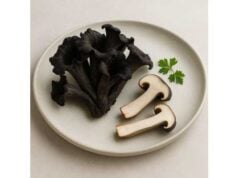
Morel mushrooms (Morchella species) are spring’s most coveted wild fungi, treasured for a honeycomb cap, nutty–meaty flavor, and firm bite that stands up to sautéing, roasting, and creamy sauces. A handful can perfume an entire pan; their ridges and pits hold butter and pan juices beautifully. Beyond gourmet status, morels fit the nutrition profile typical of culinary mushrooms: very low calories, modest protein, fiber, and meaningful amounts of B vitamins and minerals such as copper and potassium. Like other fungi, they provide ergothioneine and beta-glucans, which contribute antioxidant and fiber-related benefits. Because morels are foraged rather than farmed, knowing how to identify, source, and cook them matters—a quick, thorough cook is essential for safety, and buying from reputable sellers avoids look-alikes. This guide explains how morels support balanced eating, what the science suggests, smart buying and storage, safe preparation, and practical serving sizes so you can enjoy their short season with confidence.
Quick Overview
- Delivers fiber, B vitamins, and potassium with about 20–35 kcal per 100 g.
- Typical cooked serving: 75–100 g (about 1–1½ cups) up to 1–2 times weekly in season.
- Always cook thoroughly; never eat raw morels and avoid “false morels” (toxic look-alikes).
- UV-exposed mushrooms can contribute vitamin D2; amounts vary by handling and labeling.
- People with mushroom allergies, severe gout, or unreliable foraging access should limit or avoid.
Table of Contents
- Morels in detail
- Morel nutrition profile
- Evidence-based health benefits
- Risks, allergies and interactions
- Selecting, sustainability and storage
- Preparation, cooking and nutrient retention
- Portions, comparisons and FAQs
Morels in detail
Morels are distinctive wild mushrooms with a conical, sponge-like cap made of deep pits and ridges attached to a hollow stem. The best-known edible species include Morchella esculenta (common/yellow), M. deliciosa, and black morels such as M. elata. Unlike many market mushrooms, morels are ectomycorrhizal—forming partnerships with tree roots—so large-scale cultivation is not yet reliable. That scarcity drives price and underscores the need for careful sourcing.
Flavor is where morels shine. They deliver concentrated umami, toasted nuttiness, and a faint earthiness that amplifies butter, cream, shallot, chicken stock, and dry sherry. Their architecture traps fond and sauce, and their texture stays resilient when seared or simmered briefly. Because aroma compounds are volatile, short, hot cooking preserves character; long boiling or excessive washing can mute flavor and make them soggy.
Seasonality is narrow: depending on region, morels appear for a few weeks in spring, often after warm rains and as certain trees leaf out. Fresh morels range from thumb-sized to palm-sized; small tight caps are prized for tenderness, while larger specimens can be excellent when firm and clean. Dried morels concentrate flavor and store well; rehydration restores texture suitable for sauces, risottos, and braises.
Safety is central with wild mushrooms. True morels must be cooked; raw consumption has been associated with gastrointestinal distress. More importantly, “false morels” (various Gyromitra and Verpa species) resemble true morels but can contain gyromitrin, a toxin that may cause severe illness. For beginners, purchase from reputable purveyors or forage only with an expert. Proper identification uses multiple features: cap attachment (fully attached in true morels), a uniformly hollow interior, and the characteristic honeycomb cap rather than wrinkled or lobed folds.
Nutritionally, morels follow the mushroom pattern: low energy, minimal fat, modest protein, and fibers including beta-glucans and chitin. They are naturally sodium-light and provide riboflavin, niacin, potassium, copper, and iron in varying amounts. Vitamin D2 is present mainly when mushrooms are exposed to ultraviolet light during handling; some producers label vitamin D content on packages of UV-treated mushrooms. As with all wild foods, composition varies by species, age, and environment—part of morels’ allure but also why cooking and sourcing guidance matters.
Morel nutrition profile
How to use this section: Values below summarize typical data for raw morels per 100 g, with % Daily Value (%DV) based on adult reference intakes. Ranges reflect natural variability and data from standard food composition resources. Vitamin D2 depends on UV exposure; if a package does not list vitamin D, assume minimal amounts.
Macros and electrolytes (per 100 g, raw)
| Nutrient | Amount | %DV |
|---|---|---|
| Energy | 20–35 kcal | — |
| Water | 89–92 g | — |
| Protein | 3.0–3.4 g | 6% |
| Total fat | 0.2–0.6 g | 1% |
| Carbohydrate | 4.6–5.1 g | 2% |
| Dietary fiber | 2.5–2.8 g | 9%–10% |
| Total sugars | ~0.6–1.0 g | — |
| Sodium | 1–21 mg | 0% |
| Potassium | 350–420 mg | 7%–9% |
Carbohydrates
| Component | Amount | Notes |
|---|---|---|
| Fiber (total) | 2.5–2.8 g | Includes beta-glucans and chitin |
| Starch | ~0 g | Mushrooms store little to no starch |
| Mannitol + glucose | ~1–2 g | Common free sugars in edible fungi |
Fats and fatty acids
| Component | Amount | %DV |
|---|---|---|
| Saturated fat | 0.03–0.08 g | 0% |
| Monounsaturated fat | ~0.05 g | — |
| Polyunsaturated fat | 0.1–0.4 g | — |
| Cholesterol | 0 mg | 0% |
Protein and amino acids (selected, per 100 g)
| Amino acid | Amount |
|---|---|
| Glutamic acid (free + bound) | ~0.3–0.5 g |
| Aspartic acid | ~0.2–0.3 g |
| Leucine | ~0.12 g |
| Lysine | ~0.10 g |
Vitamins (per 100 g)
| Vitamin | Amount | %DV |
|---|---|---|
| Thiamin (B1) | 0.1 mg | 8% |
| Riboflavin (B2) | 0.2 mg | 15%–18% |
| Niacin (B3) | 2.3–3.0 mg | 14%–19% |
| Vitamin B6 | 0.1 mg | 6% |
| Folate (DFE) | 20–30 µg | 5%–8% |
| Vitamin D2* | 0–5 µg | 0%–25% |
Minerals (per 100 g)
| Mineral | Amount | %DV |
|---|---|---|
| Phosphorus | 150–200 mg | 12%–16% |
| Potassium | 350–420 mg | 7%–9% |
| Copper | 0.3–0.6 mg | 33%–67% |
| Iron | 1–12 mg | 6%–150%** |
| Selenium | 2–6 µg | 4%–11% |
| Calcium | 20–45 mg | 2%–4% |
| Magnesium | ~19 mg | 5% |
| Zinc | ~2.0 mg | 18% |
Bioactives / phytonutrients
- Beta-glucans: Viscous soluble fibers that can modulate post-meal glucose and cholesterol handling.
- Ergothioneine and glutathione: Antioxidants concentrated in many culinary mushrooms.
- Volatile compounds: 1-octen-3-ol and nutty–toasty aldehydes that contribute the signature morel aroma.
Footnotes:
*Vitamin D2 varies widely with UV exposure during handling; many wild morels are not UV-treated and may provide little D.
**Iron values display high variability across datasets and species; treat the upper end cautiously and rely on labeled values when available.
Evidence-based health benefits
1) Satiety and nutrient density at low calories
Morels are flavorful and low in energy—roughly 20–35 kcal per 100 g raw—so they help build satisfying plates without much calorie burden. Swapping 100 g of sautéed morels for part of a fatty meat or cream-heavy sauce can trim calories and saturated fat while preserving rich, savory depth.
2) Post-meal glucose support
The beta-glucans and other non-digestible fibers in mushrooms slow carbohydrate absorption by increasing viscosity in the small intestine. In real meals, this means pairing mushrooms with rice, pasta, or bread often produces a gentler glucose rise and less insulin demand. The effect is practical rather than dramatic and works best as part of a fiber-rich pattern.
3) Cardiometabolic-friendly swaps
Replacing portions of processed meats or refined grains with mushrooms reduces sodium and saturated fat while adding potassium and fiber—heart-friendly shifts. When morels stand in for part of the meat in sauces, risottos, or omelets, they deliver the sensory satisfaction of umami in a lighter package.
4) Vitamin D—if UV-exposed
UV-treated mushrooms can contribute meaningful vitamin D2 and may improve vitamin D status in people with low baseline levels. For most wild morels, vitamin D content is unpredictable; if you’re relying on mushrooms for vitamin D, use products labeled with a specific microgram amount per serving or opt for UV-exposed cultivated mushrooms.
5) Antioxidant support and flavor-driven salt reduction
Ergothioneine and glutathione are antioxidants found across edible fungi. Morels’ intense umami and aroma help dishes taste complete with less added salt and butter, a small but consistent advantage when cooking often.
How to realize benefits at the table
- Use as a flavor multiplier: A small quantity seasons an entire dish—stretching your budget and trimming calories.
- Capture the fond: Deglaze the pan with stock or dry wine to rescue minerals and soluble compounds into the sauce.
- Pair thoughtfully: Combine with whole grains, greens, and lean proteins so fiber and potassium do their best work.
- Choose cooking methods that preserve texture: Hot-and-fast sautéing or roasting keeps morels pleasantly firm.
Right-sized expectations
Enjoy morels for culinary pleasure and incremental nutrition wins. They are not a cure-all, and evidence is strongest for replacing less healthy options, not for high-dose supplementation.
Risks, allergies and interactions
Never eat raw morels
True morels must be cooked thoroughly. Raw or undercooked morels can cause gastrointestinal upset. Always heat until the texture is tender and the aroma is fully expressed.
Beware of look-alikes (false morels)
Several species—especially Gyromitra (e.g., Gyromitra esculenta) and some Verpa—can be confused with true morels. These “false morels” may contain gyromitrin, which can cause severe poisoning. Distinguish true morels by a fully attached cap and a completely hollow interior; when in doubt, do not eat. Buy from reputable sellers or forage only with expert guidance.
Allergy and intolerance
- Mushroom allergy: Rare but real; reactions range from oral itching to hives or, rarely, systemic symptoms. If you’ve reacted to edible fungi, avoid morels or seek specialist advice.
- Digestive sensitivity: Mushrooms contain fermentable carbohydrates and chitin. Large servings can cause bloating in susceptible individuals; thorough cooking and moderate portions help.
Medication considerations and conditions
- Anticoagulation/antiplatelets: Culinary mushroom portions are generally compatible with these medicines. Avoid concentrated mushroom extracts unless your clinician approves.
- Diabetes therapy: Higher-fiber meals can influence post-meal glucose; if your regimen is sensitive to meal composition, monitor glucose when you add large servings.
- Gout/hyperuricemia: Mushrooms are moderate in purines. If you’re highly sensitive, keep portions modest and spread intake through the week.
- Pregnancy and lactation: Culinary amounts of properly cooked, correctly identified mushrooms are acceptable. Avoid supplements made from wild mushrooms due to variability.
Food safety and handling
- Cook thoroughly.
- Refrigerate promptly; do not keep at room temperature after cooking.
- Discard mushrooms that smell sour, feel slimy, or show dark, wet patches.
- Wash hands, knives, and cutting boards after trimming.
Alcohol and idiosyncratic reactions
A small number of people report intolerance when morels are eaten with alcohol. If you are new to morels, try them without alcohol first and start with a modest portion.
Selecting, sustainability and storage
Selecting high-quality morels
- Look: Choose firm mushrooms with intact ridges and minimal dirt packed in the pits. Pale yellow to honey or deep brown is normal depending on species; avoid blackened, waterlogged, or slimy caps.
- Feel: The stem and cap should be springy, not mushy. A brittle or crumbly feel suggests age or improper storage.
- Smell: Clean, woodsy, and faintly nutty. Sour or fishy notes are red flags.
- Size: Smaller, tight-capped morels are tender; larger ones work well sliced or stuffed if they’re fresh and sound.
Sourcing and authenticity
- Reputable purveyors: Buy from trusted markets, specialty grocers, or licensed foragers. If foraging, go with certified experts.
- Species labeling: “Morel mushrooms” at market are typically true Morchella species; false morels should never be sold as morels.
- Dried morels: Favor brands that pack clean, intact pieces. Excess sand or many stem fragments can signal lower quality.
Sustainability snapshot
- Wild resource with stewardship: Responsible foraging preserves mycelial networks by cutting rather than pulling and leaving some mushrooms to release spores. Follow local regulations and harvesting limits.
- Low-impact flavor strategy: Using a small amount of morels to season whole-grain dishes, legumes, and vegetables is both environmentally and budget friendly.
- Traceability: Regional seasons vary; knowing the origin helps you choose fresher stock and support ethical harvesters.
Storage and cleaning
- Refrigeration: Keep unwashed in a breathable container (paper bag or vented box) at 1–4°C. Use within 2–4 days.
- Cleaning: Just before cooking, slice lengthwise to check for insects, then brush or briefly swish in cool water and pat dry. Avoid soaking—extended water exposure dulls flavor and texture.
- Freezing: Best after a quick sauté to drive off moisture. Cool flat on a tray, then pack; quality is best for soups and sauces rather than standalone sautés.
- Dried morels: Store airtight away from light and heat for up to a year. Label jars with purchase dates.
Preparation, cooking and nutrient retention
Prep for safety and flavor
- Trim and inspect. Split large morels lengthwise to remove insects or grit lodged in pits.
- Quick rinse, thorough dry. A brief swish in cool water dislodges grit; spin or pat dry well.
- Uniform pieces. Keep halves or thick slices so the ridges brown and the inside stays tender.
Core techniques
- Sauté (go-to method): Heat a film of oil or a mix of oil and butter over medium-high. Add morels in a single layer; leave space. Sear until edges brown and moisture cooks off, about 2–3 minutes per side. Season with salt and finish with shallot, parsley, lemon, or a splash of dry sherry.
- Roast: Toss with oil and salt; spread on a hot sheet pan at 220–230°C. Roast 10–15 minutes, flipping once, until browned and concentrated.
- Cream sauce: After sautéing, deglaze with stock or wine, reduce, and finish with a little cream or crème fraîche. Toss with pasta or spoon over chicken, fish, or polenta.
- Stuffed morels: For larger specimens, pipe a soft cheese or seasoned breadcrumb filling, then roast until the filling sets and caps crisp.
- Brothy dishes: Add sautéed morels to risotto, farro, or barley toward the end; stir through with herbs and citrus.
Retaining nutrients and maximizing value
- Capture the fond: Deglazing transfers minerals and water-soluble vitamins into a sauce you’ll eat.
- Heat-stable fibers: Beta-glucans and chitin tolerate typical cooking; sautéing and roasting preserve texture.
- Vitamin D2 care: If using UV-exposed mushrooms, common home cooking does not meaningfully degrade D2, but prolonged high heat can drive off delicate aromas—cook hot and fast.
- Salt stewardship: Morels’ natural umami lets you season with less salt; brighten with lemon, herbs, or a touch of vinegar instead.
Simple meal templates
- Spring toast: Sautéed morels on crisp bread with ricotta or goat cheese, lemon zest, and chives.
- Pasta or polenta: Pan sauce with shallot, sherry, thyme, and a little cream; fold through noodles or spoon over soft polenta.
- Grain bowl: Farro or brown rice, warm morels, asparagus, soft egg, and a lemon–parsley dressing.
- Chicken or trout with morels: Quick pan-roast the protein; make a morel–stock reduction in the same pan.
Portions, comparisons and FAQs
Suggested portions and frequency
- Cooked serving: 75–100 g (about 1–1½ cups).
- How often: 1–2 times weekly during the short season fits most balanced eating patterns.
- Budget and flavor tip: Use morels as a “booster” alongside everyday mushrooms—sauté a small handful of morels with cremini or oyster to extend aroma.
How morels compare with other mushrooms (per 100 g, raw, typical values)
- Calories: Morels 20–35 kcal; shiitake ~34 kcal; oyster ~33–35 kcal; button 22–25 kcal.
- Fiber: Morels ~2.5–2.8 g; shiitake ~2 g; oyster ~2 g; button ~1–2 g.
- Potassium: Morels ~350–420 mg, among the higher of common culinary species.
- Vitamin D: Highly variable in all mushrooms; only UV-exposed products reliably provide meaningful D2—check the label.
Frequently asked questions
Can I eat morels raw or lightly pickled?
No. Always cook morels thoroughly. Raw or undercooked morels can cause gastrointestinal upset.
How do I tell a true morel from a false morel?
True morels have a honeycomb cap attached to the stem along its lower edge and a completely hollow interior from tip to base. False morels often have lobed or wrinkled caps and may not be fully hollow. If you’re not completely certain, do not eat it.
What causes gritty bites and how do I avoid them?
Dirt hides in the pits. Split large morels, swish quickly in cool water, and blot dry. Avoid soaking for long periods.
Are dried morels as good as fresh?
They’re different. Dried morels are deeper and more roasted in flavor. Rehydrate in warm water or stock for 20–30 minutes; strain and use the liquid in sauces.
Do morels interact with medicines?
Culinary portions are compatible with most medicines. If you use anticoagulants or insulin/sulfonylureas, keep portions consistent and discuss dietary changes with your clinician.
I had stomach upset after eating morels. What should I change?
Ensure thorough cooking, start with smaller portions, avoid alcohol the first time you try them, and make sure they were true morels from a reliable source.
References
- Nutrition Facts for Raw Morel Mushrooms 2025
- Investigation of Illnesses: Morel Mushrooms (May 2023) 2023
- Warning on False or True Morels and Button Mushrooms with Potential Toxicity Issues 2020 (Review)
- Gyromitra Mushroom Toxicity – StatPearls 2024 (Reference Article)
- Effect of Ultraviolet Light-Exposed Mushrooms on Vitamin D Status: Liquid Chromatography-Tandem Mass Spectrometry Reanalysis of Biobanked Sera from a Randomized Controlled Trial and a Systematic Review plus Meta-Analysis 2016 (Systematic Review and RCT Reanalysis)
Medical Disclaimer
This guide is for general education and is not a substitute for professional medical advice, diagnosis, or treatment. Always talk with your healthcare provider about your personal health needs—especially if you are pregnant, have food allergies, manage chronic conditions, or take prescription medications. If you suspect a reaction or poisoning from wild mushrooms, seek medical care immediately.
If you found this article helpful, please consider sharing it on Facebook, X (formerly Twitter), or your preferred platform. Your support helps us keep creating clear, trustworthy nutrition content.