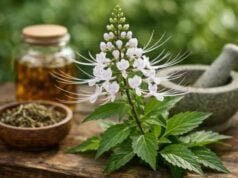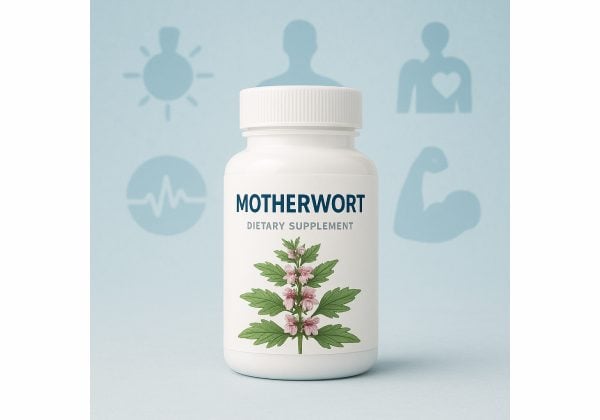
Motherwort (Leonurus cardiaca) is a traditional nervine and heart herb with a long history in European herbal medicine. Today, it is most often used for stress-related symptoms such as nervous tension, a fluttering heartbeat, and occasional anxiety. Preparations range from teas to liquid extracts and tinctures, and their effects are thought to come from a complex mix of constituents (including phenolic acids, flavonoids, iridoids, alkaloids like stachydrine, and labdane diterpenes). Evidence is mixed: modern clinical research is limited and small, but European regulators recognize motherwort for specific “traditional use” indications. If you are considering motherwort, the most important steps are choosing the right form and dose, using it consistently for several weeks, and knowing when to avoid it—especially in pregnancy, when taking anticoagulants, or when heart symptoms have not been medically evaluated. This guide brings together what’s known (and what isn’t) so you can make informed, practical decisions about motherwort’s potential role in your routine.
Quick Overview
- May ease nervous tension and stress-related palpitations in otherwise healthy adults.
- Possible mild calming effect; evidence for anxiety relief is preliminary.
- Typical adult doses: tea 1.5–4.5 g per cup (3–10 g/day), tincture 2–6 mL up to 3 times daily, liquid extract 2–4 mL up to 3 times daily.
- Avoid if pregnant; safety in breastfeeding is uncertain.
- Do not use with blood thinners or if you have bleeding disorders; seek medical evaluation for persistent palpitations.
Table of Contents
- What is motherwort?
- Does motherwort work for anxiety and palpitations?
- How to use motherwort correctly
- Who should not take motherwort
- Side effects and interactions to know
- Evidence at a glance: what we know
What is motherwort?
Motherwort (Leonurus cardiaca L.) is a perennial herb in the mint family (Lamiaceae). The aerial parts (flowering tops and leaves) are used in herbal medicine, typically as a tea, powdered herb, tincture, or liquid extract. Traditional texts describe it as a gentle cardiotonic (supporting heart function) and a calming nervine (supporting the nervous system). Modern herbalists often recommend it for stress-related complaints—think nervous tension paired with a fluttery heartbeat or a feeling of “overwhelm”—after serious medical causes have been ruled out.
From a chemistry standpoint, motherwort is complex. Its constituents include phenolic acids (such as rosmarinic acid), flavonoids (rutin, hyperoside), iridoids (e.g., harpagide derivatives), diterpenes (several labdane-type compounds), alkaloids (notably stachydrine), and other plant metabolites. These vary with species, growing conditions, and extraction methods. You’ll also see discussions of leonurine, an alkaloid strongly associated with the genus Leonurus; however, its presence and levels in L. cardiaca are inconsistent across studies. This variability matters when you compare different commercial products or try to apply findings from related species.
It helps to distinguish European motherwort (L. cardiaca) from Chinese motherwort (Leonurus japonicus, yi mu cao). They share lineage but appear to differ in constituent profiles and traditional uses. Clinical studies and laboratory work citing “motherwort” sometimes evaluate L. japonicus or isolated leonurine rather than L. cardiaca. When reading labels or research summaries, look for the botanical name to know what you’re actually getting.
How might motherwort work? Several mechanisms are proposed:
- Calming and neuromodulatory actions. Polyphenols and other constituents may influence neurotransmitter activity and stress responses, offering a mild anxiolytic effect in preclinical models.
- Cardiac effects. Extracts can show negative chronotropic (heart rate–lowering) and mild vasodilatory actions in lab settings, which may explain traditional use for nervous palpitations.
- Antioxidant and anti-inflammatory effects. Phenolic compounds scavenge free radicals and modulate inflammatory pathways, which could contribute to vascular and nervous system support.
Regulators in the European Union recognize motherwort preparations for traditional use (not as a clinically proven treatment) to relieve symptoms of nervous tension and to ease nervous cardiac complaints such as palpitations, but only after a clinician has excluded serious conditions. That framing is practical: motherwort is not a substitute for medical evaluation of chest pain, persistent tachycardia, fainting, or rhythm disturbances.
In the marketplace, you’ll find motherwort as loose-cut herb for teas, tinctures denoted by extraction ratios (e.g., 1:5), and “liquid extracts” (often 1:1). Because there is no universally adopted single active marker for L. cardiaca, quality hinges on reliable species identification, good manufacturing practices, and clarity about extraction strength and solvent. Choosing reputable brands and paying attention to label details helps you compare potency and dosing from product to product.
Does motherwort work for anxiety and palpitations?
The short answer: possibly helpful for mild, stress-linked symptoms, but high-quality clinical evidence is limited.
Let’s unpack the key areas people ask about:
1) Nervous tension and anxiety.
Preclinical research suggests motherwort extracts can produce anxiolytic-like effects in animal models, particularly when formulations are optimized (for example, combining the extract with certain amino acids). These studies point toward real neurobiological activity—likely tied to phenolic compounds and other secondary metabolites—but they don’t prove clinical effectiveness on their own. Human data are sparse. One small, open-label clinical study of a motherwort oil extract in people with stage 1–2 hypertension and coexisting anxiety/sleep complaints reported symptom improvement over four weeks, with a daily dose of 1,200 mg of the oil extract. This is encouraging but far from definitive: there was no placebo group, the sample was small, and outcomes combined cardiovascular and psychological measures. As of now, modern randomized, placebo-controlled trials of L. cardiaca for generalized anxiety are lacking. That said, a “mildly calming” user experience is common anecdotally and is consistent with traditional use.
2) Palpitations and “nervous heart.”
The European monograph classifies motherwort for traditional use to relieve nervous cardiac complaints such as palpitations, but only after a doctor has ruled out serious causes. This reflects both the herb’s historical niche and the modest quality of today’s clinical evidence. In vitro and ex vivo work suggests extracts can slow heart rate and influence cardiac electrophysiology, which might align with the subjective relief some users report during stress-triggered flutter. However, self-treating unknown palpitations is risky. New or persistent episodes require medical evaluation to exclude arrhythmia, electrolyte disorders, thyroid dysfunction, and structural heart disease.
3) Blood pressure and cardiovascular support.
Some preliminary work hints at modest blood pressure benefits in select cases, especially when anxiety is present, but robust data are lacking. Motherwort should not replace lifestyle measures or prescribed antihypertensives. If you notice any drop in blood pressure with use, discuss it with your clinician—particularly if you already take medication that lowers blood pressure or heart rate.
4) Women’s health contexts.
“Motherwort” shows up in postpartum and gynecologic discussions, but much of that literature involves Leonurus japonicus or combination formulas used in other medical systems. Those findings cannot be assumed to apply to L. cardiaca products sold in the West. Moreover, pregnancy is a hard contraindication for L. cardiaca due to uterotonic (uterus-stimulating) concerns. Postpartum use should be individualized and supervised.
Bottom line.
If your goals are gentle calming and easing stress-related palpitations—and your clinician has cleared you of serious issues—motherwort may be worth a short, well-monitored trial. Expect subtle effects rather than dramatic changes, and reassess after a few weeks. For ongoing anxiety disorders, sleep issues, cardiovascular disease, or thyroid conditions, involve your healthcare team so any herbal plan fits safely alongside standard care.
How to use motherwort correctly
Getting results with botanicals often comes down to the right form, dose, and time frame, plus realistic expectations. Here’s a practical, evidence-aligned way to approach motherwort:
Choose the preparation that fits your routine.
- Herbal tea (infusion).
Use the comminuted herb (cut aerial parts). Typical single dose is 1.5–4.5 g of dried herb per cup, with a daily total of 3–10 g spread across the day. Pour recently boiled water over the herb, cover, and steep 10–15 minutes; strain. Teas are alcohol-free and allow flexible dosing, though taste is distinctly bitter-aromatic. - Powdered herb (capsules).
Typical single dose is 150 mg, 1–3 times daily. Capsule strengths vary widely; always match total milligrams per day with your product label. Because powders are less standardized than extracts, many people prefer liquid forms for consistency. - Tincture 1:5 (ethanol 45% v/v).
Typical single dose is 2–6 mL, up to 3 times daily. Start at the low end and titrate slowly based on tolerance. You can dilute in a small amount of water to reduce the ethanol bite. - Tincture 1:5 (ethanol 70% v/v).
Typical single dose is 0.5–1.0 g, 3–4 times daily. (Manufacturers often label tincture doses in milliliters; 1 g of tincture is roughly 1 mL, but follow your specific product’s directions.) - Liquid extract 1:1.
Typical single dose is 2–4 mL, up to 3 times daily.
Dosing tips that improve success
- Start low, go slow. Begin at the lower end of the range for 3–5 days, then increase gradually within the stated limits if needed. This helps you gauge sensitivity (e.g., drowsiness, digestive upset).
- Be consistent for several weeks. Traditional guidance suggests reassessing if symptoms persist beyond 4 weeks; at that point, check back with a clinician.
- Time your doses. Many people take motherwort in 2–3 divided doses (morning, mid-afternoon, and evening). If it makes you drowsy, shift more of your intake to later in the day.
- Take with a small snack if you notice stomach upset from tinctures or extracts.
- Mind the ethanol. Liquid preparations may contain 25–70% ethanol before dilution. If you avoid alcohol, choose tea or alcohol-free extracts.
- Quality matters. Look for the botanical name Leonurus cardiaca, plant part herba (aerial parts), an extraction ratio (e.g., 1:5 or 1:1), solvent, and lot/expiry information. Choose brands that follow good manufacturing practices and provide batch testing.
- Combine thoughtfully. If your main goal is steadier nerves, combine motherwort with non-sedating lifestyle supports: consistent sleep, magnesium-rich foods, aerobic walks, and brief breathing practices. Avoid layering multiple sedative herbs or over-the-counter sleep aids without guidance.
When to stop or seek advice
- If palpitations, chest discomfort, dizziness, or fainting occur or worsen.
- If you develop abnormal bleeding, bruising, or heavy menstrual flow.
- If you’re newly pregnant, trying to conceive, or breastfeeding (avoid use).
- If you start any anticoagulant or antiplatelet medication, or a new sedative (including benzodiazepines); interactions are possible.
Used in the right context, motherwort can be part of a broader stress-management plan—but it is not a stand-alone treatment for anxiety disorders, arrhythmias, or hypertension.
Who should not take motherwort
Knowing when not to use motherwort is as important as choosing the right dose. Avoid or defer use in the following situations unless a qualified clinician explicitly recommends and supervises it:
- Pregnancy. Motherwort is contraindicated because of uterotonic concerns (it may stimulate the uterus).
- Breastfeeding. Safety has not been established. If considering use, discuss with your clinician and monitor the infant.
- Children and adolescents (<18 years). Not recommended due to lack of adequate data.
- Active bleeding disorders or surgery ahead. Because motherwort can influence platelet activity and clotting, avoid it if you have a bleeding disorder, low platelets, or an upcoming procedure. A conservative rule is to stop 1–2 weeks before elective surgery.
- Anticoagulant or antiplatelet therapy. Do not combine with drugs like warfarin, DOACs, heparins, clopidogrel, or high-dose aspirin unless your prescribing clinician approves and monitors you.
- Unexplained palpitations or heart symptoms. New, persistent, or worsening palpitations require medical evaluation first. Motherwort is for nervous palpitations only after serious conditions are excluded.
- Concurrent sedatives. Combining motherwort with benzodiazepines, certain sleep medications, or other sedative herbs can increase drowsiness or impair coordination.
- Allergy. Avoid if you’ve reacted to motherwort or other Lamiaceae plants (mint family).
- Thyroid disease and complex medication regimens. If you have hyperthyroidism or take thyroid medication, talk with your clinician before trying motherwort. Some traditional sources discuss symptom relief around hyperthyroid states, but self-directed use is not advised.
Finally, if you’re in a higher-risk group—older adults, people with cardiovascular disease, kidney or liver impairment, or multiple prescriptions—consult your healthcare team before starting any new supplement. A medication review helps identify interactions, duplicated effects (for example, multiple agents that lower blood pressure), and better alternatives if motherwort isn’t a good fit.
Side effects and interactions to know
Most adults tolerate motherwort at standard doses, but side effects and interactions are possible. Understanding them helps you use the herb more safely.
Common or reported side effects
- Digestive upset. Nausea, stomach irritation, or loose stools can occur, especially with higher-dose extracts. Taking with a snack or switching to tea can help.
- Uterine effects. Reports include uterine bleeding or stimulation; this underpins the pregnancy contraindication and caution in people with heavy menstrual flow.
- Drowsiness or lightheadedness. A mild sedative effect is possible; avoid driving or operating machinery if you feel impaired.
- Skin sensitivity (rare). Isolated historical reports describe dermatitis or photosensitivity from leaves; discontinue if any skin reaction appears.
- Alcohol exposure (tinctures). If you avoid alcohol entirely—due to health, personal, or recovery reasons—choose tea or alcohol-free preparations.
Drug–herb interactions of concern
- Anticoagulants and antiplatelets. Motherwort may potentiate bleeding risk by reducing platelet aggregation and interacting with antithrombotic pathways. Avoid with warfarin, DOACs (apixaban, rivaroxaban, etc.), heparin, clopidogrel, or high-dose aspirin unless coordinated by your clinician. Watch for bleeding gums, easy bruising, or black stools and seek medical care if they occur.
- Sedatives, anxiolytics, sleep aids. Potential additive sedation with benzodiazepines (e.g., lorazepam, clonazepam), certain hypnotics, or other calming herbs. If you combine such agents under medical guidance, start with very low doses and avoid activities requiring alertness.
- Cardioactive medications. Because extracts may influence heart rate and vascular tone, combining with beta blockers, some calcium-channel blockers, or other heart medications should be supervised.
- Pregnancy-related medications and contexts. Do not self-use motherwort during pregnancy or labor; postpartum use should be guided by a qualified clinician who understands your full medication picture.
Overdose and duration
- No specific overdose syndrome has been established for L. cardiaca in humans, but higher intakes can increase the risks above. Traditional guidance is to use motherwort consistently for several weeks, then reassess; seek care if symptoms persist beyond 4 weeks or worsen at any time.
Practical safety checklist
- Confirm your botanical (Leonurus cardiaca), form, and strength.
- Start at low doses and monitor for digestion changes, bleeding signs, or sedation.
- Treat palpitations and other heart symptoms with caution—get medical clearance first.
- Avoid in pregnancy; discuss during breastfeeding; skip if <18 years old.
- Do not combine with blood thinners or other sedatives without medical supervision.
Used thoughtfully, motherwort is generally well tolerated. Problems typically arise when people self-treat undiagnosed heart symptoms, use it during pregnancy, or combine it with medications that increase bleeding risk or cause sedation.
Evidence at a glance: what we know
Strength of evidence by outcome
- Nervous tension and mild anxiety — Low to moderate evidence. Traditional use is strong; preclinical studies show anxiolytic-like effects; limited small human data suggest benefit but are uncontrolled. More rigorous clinical trials are needed.
- Nervous palpitations — Low to moderate evidence (traditional). Recognized under EU traditional-use indications after serious conditions are excluded. Lab findings show relevant cardiac effects, but clinical trials are scarce.
- Blood pressure — Low evidence. Small, non-randomized work suggests symptom improvements in select patients with mild hypertension and anxiety, but robust RCTs are lacking. Do not replace standard care.
- General “heart health” — Preliminary. Antioxidant and anti-inflammatory actions are demonstrated in vitro and in animal models; human outcomes remain under-studied.
- Women’s health — Mixed and species-dependent. Some postpartum and gynecologic findings come from L. japonicus or combination regimens. Do not extrapolate to L. cardiaca products without supportive data.
What’s inside motherwort that might matter
- Phenolic acids and flavonoids (e.g., rosmarinic acid, rutin, hyperoside) with antioxidant and neuromodulatory activity.
- Iridoids and labdane diterpenes that may influence inflammation and vascular function.
- Alkaloids (notably stachydrine; leonurine content in L. cardiaca remains uncertain).
These compounds likely act synergistically rather than through a single “magic bullet.”
Quality and variability
- Species and part: L. cardiaca herba (aerial parts) is the standard. Confirm the species—do not assume “motherwort” equals L. cardiaca.
- Extraction: A 1:1 liquid extract is five times more concentrated than a 1:5 tincture (per volume). Ethanol percentage changes the chemical profile—higher ethanol tends to pull more lipophilic constituents.
- Standardization: Unlike some botanicals (e.g., St. John’s wort standardized to hypericin), motherwort lacks a single universal marker. Choose brands with transparent testing and batch data.
Practical expectations
- If you respond, you’ll most likely notice subtle calming and fewer stress-triggered flutters over days to weeks—not an immediate, strong sedative effect.
- If your symptoms are moderate to severe, or if they persist beyond 4 weeks, partner with a clinician to review other options (therapy, sleep optimization, nutrient status, and, if appropriate, medications).
Research gaps to watch
- Larger, placebo-controlled clinical trials for anxiety, palpitations, and sleep.
- Clearer pharmacokinetics and dose–response data for standardized L. cardiaca extracts.
- Better comparative studies between L. cardiaca and L. japonicus and across extraction methods.
- Interaction studies with anticoagulants and sedatives in real-world populations.
Bottom line
Motherwort is best framed as a gentle, traditional aid for stress-linked symptoms in otherwise healthy adults—not a primary treatment for cardiac or psychiatric disorders. Use appropriate doses, mind contraindications, and reassess regularly with your healthcare team.
References
- Community herbal monograph on Leonurus cardiaca L., herba 2010 (Guideline)
- Leonurus cardiaca L. as a Source of Bioactive Compounds: An Update of the European Medicines Agency Assessment Report (2010) 2019 (Systematic Review)
- Phytochemical and Psychotropic Research of Motherwort (Leonurus cardiaca L.) Modified Dry Extracts 2021
- Leonurine: a comprehensive review of pharmacokinetics, pharmacodynamics, and toxicology 2024 (Systematic Review)
- Pharmacological Insights and Therapeutic Applications of Leonurus in Neurological Disorders 2025 (Systematic Review)
Disclaimer
This article is for educational purposes only and does not constitute medical advice. Motherwort is not a substitute for professional diagnosis, treatment, or emergency care. Do not self-treat new or persistent heart symptoms. Always speak with a qualified healthcare professional before starting, stopping, or combining any supplement with medications, especially if you are pregnant, breastfeeding, under 18, have medical conditions, or take prescription drugs.
If you found this helpful, please consider sharing it with friends or on your preferred social platforms (Facebook, X, or elsewhere) and follow us for more evidence-informed guides. Your support helps us continue producing high-quality, independent content.