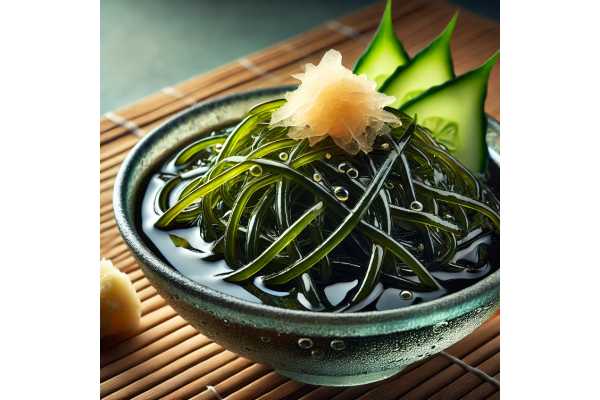
Mozuku is a silky, mild brown seaweed enjoyed across Japan—especially Okinawa—where it’s served chilled with a light vinegar dressing, added to miso soups, or tucked into noodles and rice bowls. It stands out for its texture and functional compounds: notably fucoidan, a sulfated fiber studied for gut, immune, and metabolic effects. A typical portion is low in calories, virtually fat-free, and provides soluble fiber and essential minerals like iodine (with wide variation by product). Mozuku is also convenient. It’s sold fresh in brine, vinegared (su-mozuku), or dried; each format offers long shelf life and fast prep. In this guide, you’ll get a practical, people-first view: how mozuku compares with other seaweeds, what 100 g actually delivers, what the strongest evidence says about benefits, and clear safety guardrails on iodine, heavy metals, and allergens. You’ll also find buying and sustainability tips, cooking pointers that keep nutrients intact, and portion advice that fits real-life eating.
At a Glance
- Per 100 g, mozuku is very low in calories, provides ~2 g dietary fiber, and contains fucoidan plus variable iodine.
- Iodine and heavy metal levels depend on species, waters, and processing; choose reputable brands and vary seaweed types.
- A typical serving is 50–100 g prepared mozuku (or 2–3 tablespoons dried reconstituted), enjoyed up to once weekly in a mixed seaweed rotation.
- Limit or avoid if you have a confirmed seaweed allergy, are on iodine-restricted therapy, or have thyroid disease requiring tight iodine control.
Table of Contents
- Mozuku detailed overview
- Mozuku nutrition profile
- Evidence-based benefits of mozuku
- Risks, allergies and interactions
- Selecting quality sustainability and storage
- Preparation cooking and nutrient retention
- Portions comparisons and FAQs
Mozuku detailed overview
Mozuku is a culinary umbrella term for several slender, thread-like brown seaweeds in the Chordariaceae family that are eaten as food. In markets, two names come up most: Okinawa mozuku (Cladosiphon okamuranus) and ito-mozuku (Nemacystus decipiens). Both are rich in fucoidan, a sulfated polysaccharide (soluble fiber) that dissolves easily in water and lends mozuku its smooth, slippery mouthfeel.
Form factors you’ll see:
- Fresh, salted/brined: Long strands in clear brine, often labeled with origin and harvest year. Salinity keeps texture and freshness but raises sodium until you rinse and soak.
- Vinegared (su-mozuku): Pre-seasoned in mild rice vinegar with a whisper of sugar and soy. Ready to open and eat chilled.
- Dried: Light and pantry-stable. Rehydrates fast and concentrates flavor and minerals; use smaller amounts.
- Powders/extracts: Packets of dried mozuku or standardized fucoidan for beverages, soups, or supplements (the latter fall under dietary supplement regulations in many countries).
Flavor and texture: Mozuku is gentle—slightly sweet, marine, and clean—with a slippery, noodle-like bite that holds in broths and salads. It’s a natural pairing for citrus (yuzu, sudachi), ginger, cucumber, wakame, tofu, and bivalves. Because it’s delicate, you add it at the end of hot cooking or serve it cold.
Nutrition in plain terms: Mozuku is low-energy and primarily water and soluble fiber. It contributes fucoidan, alginate, and small amounts of iodine, potassium, magnesium, and polyphenols. Micronutrient content varies widely by species, growing waters, season, and processing. Relative to kelp (kombu), mozuku typically contains less iodine, but single products can still test high.
Why people buy it:
- A light, refreshing add-in for soups and salads.
- A way to add soluble fiber without bulk or grainy texture.
- A gateway seaweed for beginners—mild, ready-to-eat, and easy to portion.
Practical watch-outs: Sodium can be high in brined or vinegared packs (check labels and rinse if needed). Iodine varies; rotating among seaweed types (nori, wakame, dulse) reduces the chance of overdoing it. If you take thyroid medication, ask your clinician about consistent iodine intake and timing around dosing.
Mozuku nutrition profile
Basis: Values below reflect per 100 g edible portion for common retail forms. Actual numbers differ by brand and processing, especially sodium and iodine. When you see a range, it reflects market variability. %DV uses adult reference values.
Macros and Electrolytes (per 100 g, drained, ready-to-eat)
| Nutrient | Amount | % Daily Value (%DV) |
|---|---|---|
| Energy | ~7–15 kcal | — |
| Protein | ~0.3–0.6 g | 1% |
| Total Fat | ~0.1–0.3 g | 0–1% |
| Carbohydrate | ~2.0–3.5 g | 1% |
| Total Dietary Fiber | ~2.0–3.0 g | 7–11% (28 g) |
| Sugars | ~0–0.5 g | — |
| Sodium (after rinsing) | ~100–300 mg | 4–13% (2,300 mg) |
| Potassium | ~80–150 mg | 2–3% (4,700 mg) |
| Moisture | ~93–96 g | — |
Notes:
- Vinegared mozuku can run higher in sodium and have a touch of added sugars; check labels.
- Dried mozuku is nutrient-dense by weight; rehydration returns the profile closer to fresh.
Vitamins (per 100 g)
| Vitamin | Amount | %DV |
|---|---|---|
| Vitamin K | ~10–40 µg | 8–33% (120 µg) |
| Folate | ~15–30 µg | 4–8% (400 µg) |
| Vitamin A (as carotenoids) | small amounts | — |
| Vitamin C | ~1–3 mg | 1–3% (90 mg) |
Seaweeds carry varied micronutrients; mozuku’s strengths are more in minerals and fibers than vitamins.
Minerals and Special Constituents (per 100 g)
| Mineral/Constituent | Amount | %DV/Context |
|---|---|---|
| Iodine | highly variable (often tens to low hundreds µg) | 15–100% DV possible (150 µg), label-dependent |
| Magnesium | ~10–25 mg | 2–6% (420 mg) |
| Calcium | ~20–40 mg | 2–4% (1,300 mg) |
| Iron | ~0.3–1.0 mg | 2–6% (18 mg) |
| Fucoidan (soluble fiber) | present (content varies) | no DV; typically a few grams per serving in concentrated products |
Fats and Fatty Acids
Mozuku is extremely low in fat. Trace long-chain omega-3s may be present but are not a meaningful source.
Bioactives/Phytonutrients
| Compound/Class | What it is | Practical note |
|---|---|---|
| Fucoidan | Sulfated polysaccharide (soluble fiber) | Investigated for gut, immune, and metabolic effects. Absorption of small fractions after oral intake has been observed. |
| Alginate | Soluble fiber | Contributes to viscosity; may help satiety and sodium balance in meals. |
| Phenolics | Phlorotannins (trace) | Antioxidant capacity varies by harvest and processing. |
Allergens and Intolerance Markers
- Seaweed allergy: Rare but reported; reactions can occur in people with existing seafood allergies, though mechanisms differ from finfish/shellfish proteins.
- Histamine: Not a typical seaweed issue (more relevant to fish), but poor storage of seasoned products can affect quality.
Contaminants/Residues
- Iodine: Brown seaweeds can be iodine-dense. Mozuku usually contains less iodine than kelp, but brands vary.
- Heavy metals: Seaweeds can accumulate arsenic (including inorganic arsenic), cadmium, lead, and mercury to varying degrees. Reputable sourcing and moderation matter.
- Processing salt: Brined and vinegared products raise sodium intake unless rinsed or balanced across the day.
Footnotes and context
- Values are compiled from typical commercial nutrition panels and product analyses; expect variability by species, waters, and processing.
- Always read brand-specific labels for sodium and iodine where provided; when absent, vary seaweed types and control frequency.
Evidence-based benefits of mozuku
1) Gentle fiber for digestion and satiety
Mozuku delivers soluble fibers—fucoidan and alginate—that thicken when hydrated. In meals, these fibers can help soften stool and increase stool frequency in some people, especially when seafood or vegetables are otherwise low. In a randomized, placebo-controlled human trial of a high–molecular weight fucoidan beverage taken daily for several weeks, participants reported increased stool frequency without notable adverse events and showed changes in selected sensory and metabolic markers. While the beverage contained purified fucoidan (not whole mozuku), it reflects how this fiber class behaves in humans. For day-to-day cooking, realistic benefits include gentler digestion and a feeling of light fullness when mozuku is paired with vegetables, tofu, and grains.
2) Potential support for metabolic health (early-stage data)
Preclinical and exploratory clinical data suggest fucoidan may influence glycemic control and glucagon-like peptide-1 (GLP-1) signaling, and could modestly affect lipids or inflammatory markers in specific contexts. These effects are mechanistic and preliminary; they should not be treated as medical therapy. Practically, mozuku can replace higher-calorie sides and add soluble fiber to meals—a proven dietary strategy for improving post-meal glucose and fullness.
3) Immune and anti-inflammatory research signals
Fucoidan has been studied for immune-modulating properties, including effects on selectin-mediated cell adhesion and neutrophil activity. Systematic reviews summarize preclinical analgesic and anti-inflammatory effects and small human pilot studies using fucoidan preparations. This is a fast-moving area; whole-food mozuku remains a sensible culinary route to obtain small, regular intakes alongside a plant-forward pattern, not a substitute for medical care.
4) Iodine as a double-edged micronutrient
Seaweeds supply iodine, which supports thyroid hormone production. Because mozuku’s iodine content is generally lower than kelp’s, it can be a friendlier option for people seeking a milder iodine boost. Still, variability is large, and some products test high. Balanced use (small portions, rotated with low-iodine seaweeds like nori) supports adequacy without excess.
5) Easy adherence through taste and convenience
Healthful eating sticks when food is enjoyable. Mozuku’s ready-to-eat formats (vinegared cups, small pouches) make it simple to add a sea vegetable to lunch or dinner. Its mild flavor works for people who find kelp intense. That practicality underpins any long-term “benefit” you’re likely to see from including sea vegetables in a home menu.
Bottom line on benefits: Mozuku is a very low-calorie, soluble-fiber seaweed that can gently support regularity and meal satisfaction, and it contributes variable iodine. Research on fucoidan is promising but early; treat mozuku as a nutritious food—not a therapy—and build overall benefits through variety, vegetables, legumes, nuts, and fish.
Risks, allergies and interactions
Iodine variability and thyroid considerations
Brown seaweeds can concentrate iodine. Mozuku tends to sit lower than kombu but still varies enough that single servings could approach or exceed daily needs. People with thyroid disease, those on iodine-restricted diets, or anyone taking thyroid hormone replacement should aim for consistent iodine intake and discuss seaweed frequency with their clinician. For most adults without thyroid issues, small portions once weekly within a varied diet are reasonable.
Heavy metals and inorganic arsenic
Seaweeds can accumulate heavy metals from their environment—most notably arsenic (including its more toxic inorganic form), cadmium, lead, and mercury—with levels differing by species and harvest site. Risk assessments in Europe have highlighted seaweed’s contribution to iodine intake and possible heavy metal exposure among regular consumers. Practical risk management at home is simple: buy reputable brands that test lots, rotate species, keep portions small, and avoid daily consumption.
Sodium in packaged products
Brined or vinegared mozuku can deliver 100–500 mg sodium per 100 g after minimal rinsing (and more if not rinsed). If you manage blood pressure or fluid balance, rinse well, drain thoroughly, and pair mozuku with low-sodium foods at the same meal.
Allergy and intolerance
True seaweed allergies are uncommon but real. Reactions might include oral itching, hives, or gastrointestinal symptoms. People with a history of seafood allergies may or may not react to seaweeds (the proteins differ); consult an allergist for clarity. Introduce small amounts first if you’re unsure.
Medication considerations
- Thyroid hormone (levothyroxine): Keep iodine intake consistent week to week; separate seaweed meals from medication dosing as advised.
- Anticoagulants/antiplatelets: Typical mozuku portions are not a concern, but any concentrated supplement should be reviewed with a clinician.
- Iodine-sensitive conditions: Follow clinical guidance on total iodine from foods, supplements, and fortified salt.
Who should limit or avoid?
- People with diagnosed seaweed allergy.
- Individuals with thyroid disease requiring controlled iodine intake unless cleared for small, consistent portions.
- Pregnancy and breastfeeding: moderate amounts of low-iodine seaweeds are often acceptable; avoid frequent high-iodine products and follow local advisories.
- Young children: serve tiny portions occasionally; vary seaweed types and brands.
Selecting quality sustainability and storage
How to choose good mozuku
- Read the label closely: Look for species (e.g., Cladosiphon okamuranus), harvest area, and processing method (brined, vinegared, dried). Transparent brands often provide lot codes and harvest years.
- Check sodium: For brined or vinegared packs, compare sodium per 100 g. Lower is better if you plan to eat the product straight from the pack.
- Inspect the strands: They should look glossy and springy, not mushy or broken. Brine should be clear and smell clean and marine.
- Prefer reputable sourcing: Brands that publish testing policies for heavy metals and iodine provide extra assurance.
Sustainability snapshot
- Farming approach: Mozuku is commonly farmed on ropes or nets in coastal waters, which can be relatively low-impact when sites are well-managed. Minimal feed and low freshwater use make seaweeds efficient to cultivate.
- Local impacts: As with all aquaculture, site selection matters (currents, biodiversity, and waste dispersion). Look for producers engaged in community monitoring or certification programs.
- Consumer action: Rotate your seaweeds (mozuku, wakame, nori, dulse), buy from companies that document traceability, and avoid excess single-use packaging where possible.
Storage and shelf life
- Refrigerated brined/vinegared mozuku: Keep at ≤4°C (≤40°F). Use by the “best-by” date; once opened, consume within 3–4 days.
- Dried mozuku: Store airtight, cool, and dark; use within 6–12 months for best quality.
- Freezing: You can freeze drained strands in small portions; thaw overnight in the fridge and expect a softer bite.
- Food safety: Discard if you notice off odors, excessive gas in sealed packs, or slimy, discolored strands.
Buying tips
- For salads: Choose vinegared (ready-to-eat) or low-sodium brined packs.
- For soups/noodles: Dried or well-rinsed brined mozuku works; add at the end of cooking.
- For bento/lunches: Single-serve cups simplify portion control and minimize waste.
Preparation cooking and nutrient retention
Rinsing and desalting
- Brined mozuku: Tip into a sieve, rinse under cold water for 30–60 seconds, taste, and repeat if very salty.
- Dried mozuku: Soak in cool water for 5–10 minutes until supple; drain well, then briefly rinse to remove surface minerals.
Cold preparations (best for texture and iodine control)
- Classic su-mozuku: Toss rinsed strands with rice vinegar, a touch of soy (or gluten-free tamari), grated ginger, and sliced cucumber. Chill 10 minutes to mellow the acidity.
- Citrus-sesame salad: Dress with citrus juice, a teaspoon of sesame oil, and toasted sesame; top with scallion and radish.
- Protein add-ins: Silken tofu cubes, poached shrimp, or edamame provide balance; keep seasonings light.
Warm uses (add at the end)
- Miso soup finisher: Stir mozuku in during the last 30 seconds to heat through without softening too much.
- Soba/udon: Add to hot broth off the heat to preserve bite and soluble fibers.
- Seafood rice: Fold into warm rice just before serving with lemon zest and shiso.
Techniques that protect nutrients
- Short contact with heat: Fucoidan and water-soluble vitamins are best preserved when mozuku is heated gently and briefly.
- Smart rinsing: Rinsing reduces sodium; a quick drain preserves minerals and texture.
- Acid balance: A mild vinegar dressing aids flavor and may help palatability without heavy salt.
- Pairings: Serve with potassium-rich vegetables (cucumber, greens) and a small fat source (sesame, olive oil) to enhance fat-soluble compound absorption in the meal as a whole.
Flavor frameworks you can trust
- Ginger-citrus: Rice vinegar, yuzu or lemon, ginger, sesame; add cucumber and scallion.
- Miso-mirin: Light miso, mirin, and a splash of vinegar for balance.
- Chili-garlic: Rice vinegar, garlic, and a pinch of chili; finish with cilantro and lime for a pan-Asian twist.
- Mediterranean bridge: Lemon, olive oil, parsley, and capers—especially nice alongside grilled fish or chickpeas.
Common mistakes to avoid
- Overcooking: Mozuku goes slippery-soft quickly; heat only to warm.
- Skipping the rinse: Unrinsed brined mozuku can be very salty; brief rinsing dramatically improves flavor and sodium balance.
- Oversized portions daily: Better to enjoy small servings in rotation with other seaweeds to manage iodine variability.
Portions comparisons and FAQs
Practical portions
- Everyday serving: 50–100 g ready-to-eat mozuku (about ½–1 cup of strands), or 2–3 tablespoons dried rehydrated.
- Frequency for most healthy adults: Up to once weekly within a varied seaweed rotation (alternate with nori, wakame, or dulse).
- Children: Offer small tastes (1–2 tablespoons) occasionally; avoid daily intake and high-iodine products.
- Thyroid conditions: Discuss any seaweed habit with your clinician; if allowed, keep portions small and consistent week to week.
How does mozuku compare to other seaweeds?
- Mozuku vs. kelp (kombu): Kombu typically has much higher iodine and a stronger, brothy flavor; mozuku is milder with lower, but still variable, iodine.
- Mozuku vs. wakame: Wakame is leafier and often used in soups; iodine can be moderate; textures differ (mozuku is more noodle-like).
- Mozuku vs. nori: Nori sheets are low in iodine compared with many brown seaweeds; they deliver B12 analogs of uncertain activity and a roasted flavor; great for wraps and snacks.
- Mozuku vs. hijiki: Hijiki can contain higher inorganic arsenic; some countries advise limiting hijiki. Mozuku is generally preferred for regular rotation.
FAQs
Is mozuku good for weight management?
Yes. It’s very low in calories and adds slippery, satisfying bulk to meals. Pair with protein (tofu, fish, eggs) and vegetables for a filling bowl.
Will rinsing remove iodine?
Rinsing reduces sodium more than iodine. Iodine is partly water-soluble, but a quick rinse won’t reliably standardize iodine content. Control exposure by keeping portions modest and varying seaweed types.
Can I eat mozuku if I have a shellfish allergy?
Seaweed is not shellfish, but cross-reactivity is possible in sensitive individuals. If you have severe seafood allergies, speak with an allergist before adding seaweeds.
What about fucoidan supplements versus food?
Supplements can deliver larger, standardized doses but aren’t substitutes for medical care. Whole-food mozuku offers a gentler intake within meals. If you consider a supplement, review it with your clinician, especially for thyroid or anticoagulant therapy.
How do I lower sodium when using vinegared mozuku cups?
Drain excess liquid, add fresh cucumber or radish, and dilute the dressing with water and a splash of rice vinegar. Balance the meal with low-sodium staples the rest of the day.
Does cooking destroy fucoidan?
High heat and long times can reduce soluble fiber integrity. Add mozuku at the end of cooking and avoid boiling.
References
- A Randomized Placebo-controlled Trial of an Oral Preparation of High Molecular Weight Fucoidan in Patients with Type 2 Diabetes with Evaluation of Taste Sensitivity 2019 (RCT)
- Report of the expert meeting on food safety for seaweed: current status and future perspectives 2022 (Guideline)
- Dietary exposure to heavy metals and iodine intake via consumption of seaweeds and halophytes in the European population 2023 (Scientific Report)
- Absorption Study of Mozuku Fucoidan in Japanese Volunteers 2018 (Human Study)
- Systematic Characteristics of Fucoidan: Intriguing Features for Therapeutic Application 2024 (Systematic Review)
Disclaimer
This article provides general nutrition and safety information and is not a substitute for personal medical advice, diagnosis, or treatment. Seaweed iodine and contaminant levels vary widely by product. If you have thyroid disease, are pregnant or breastfeeding, are choosing foods for a child, or are considering fucoidan supplements, consult a qualified health professional to personalize portions and frequency.
If you found this guide useful, please consider sharing it on Facebook, X (formerly Twitter), or any platform you prefer. Your support helps us continue producing clear, trustworthy nutrition content.