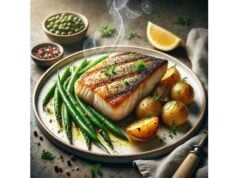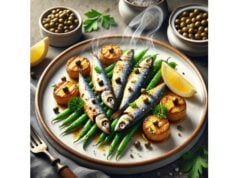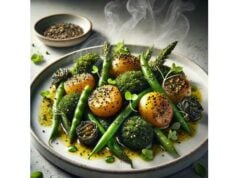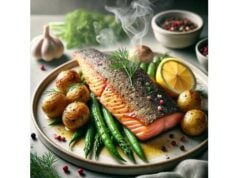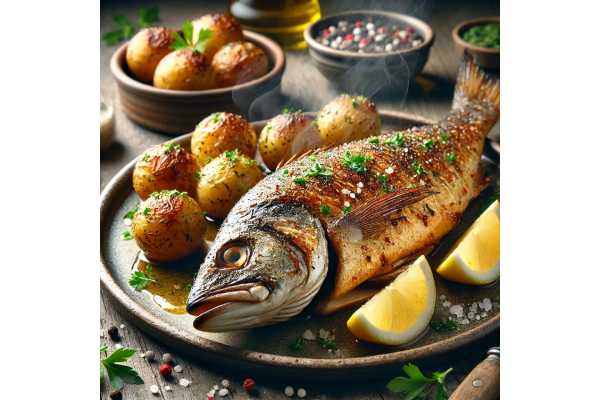
Mullet is an umbrella term for several lean, mild fish in the Mugilidae family, including striped mullet (Mugil cephalus) and flathead mullet (Mugil cephalus complex). Prized across the Mediterranean, Gulf Coast, and Asia, it’s a budget-friendly seafood with a firm texture that holds up to grilling, sautéing, and smoking. Compared with oily fish, mullet is lighter in fat yet still offers meaningful omega-3s, complete protein, and minerals like selenium and iodine. Roe (bottarga) is a specialty ingredient with a briny, umami punch. Thanks to short food chains and smaller body size, mullet typically carries lower mercury than large predatory fish, making it suitable for most families when eaten in sensible portions. Whether you’re meal-prepping weeknight tacos, curing roe for pasta, or exploring coastal flavors, mullet delivers versatility, value, and nutrition—without overwhelming the plate.
At a Glance
- Lean fish with complete protein and moderate omega-3s that support heart and brain health.
- Generally a lower-mercury choice compared with large predatory fish; check local advisories for self-caught fish.
- Typical adult serving is 85–115 g (3–4 oz) cooked, enjoyed 2–3 times per week within a varied seafood pattern.
- People who are pregnant, breastfeeding, or serving young children should choose lower-mercury options and limit high-salt roe products.
Table of Contents
- Detailed Overview
- Nutrition Profile
- Evidence-Based Health Benefits
- Risks, Allergies and Interactions
- Selecting, Quality, Sustainability and Storage
- Preparation, Cooking and Nutrient Retention
- Portions, Comparisons and FAQs
Detailed Overview
Mullet refers to a group of coastal fish widely available in warm and temperate waters. The most common market species are striped mullet and flathead mullet; white mullet appears in some regions. Fillets are pale to pink-gray, firm, and mild, with a slightly sweet, mineral finish. The fish’s clean flavor makes it adaptable to Mediterranean, Japanese, Southern U.S., and Middle Eastern cuisines. Mullet is sold whole, dressed, or as skin-on fillets; roe sacs are sold fresh, salted, or air-dried into bottarga.
From a nutrition perspective, mullet is a lean seafood choice providing high-quality protein and modest fat, including omega-3 fatty acids EPA and DHA. Compared with richer species like salmon or mackerel, it delivers fewer calories per serving while still offering beneficial long-chain omega-3s, vitamin B12, selenium, phosphorus, and iodine. As a small, short-lived fish, mullet tends to accumulate less mercury than large predators. That makes it a practical “everyday” fish for many families who want seafood variety beyond tuna or salmon.
Culinarily, mullet excels when treated simply. The skin crisps beautifully and protects delicate flesh; the bones are sturdy and easy to remove after cooking. Common preparations include:
- Grilled or pan-seared skin-on fillets with lemon, herbs, and olive oil.
- Oven-baked with tomatoes, olives, capers, and fennel.
- Smoked or cured, a traditional approach that highlights its savory depth.
- Fried or sautéed for tacos, po’boys, or rice bowls.
- Bottarga grated over pasta or shaved onto salads to add salinity and umami.
Flavor companions include citrus, parsley, dill, oregano, garlic, capers, anchovy, chili, paprika, cumin, sesame, soy, and mirin. Starches like crusty bread, couscous, potatoes, and rice balance its lean profile, while crisp salads or roasted vegetables keep the plate light.
Sustainability varies by location and gear. Many mullet fisheries use small-scale nets, and stocks are often managed regionally. When buying, favor traceable sources and seasonal harvests. If you angle or spear your own fish, follow local advisories for water quality and fish consumption.
In short, mullet is a versatile, lower-mercury, nutrient-dense fish that fits a heart-healthy eating pattern—especially when you enjoy it alongside vegetables, whole grains, and legumes.
Nutrition Profile
Notes before you read the tables:
- Values below reflect raw mullet fillet per 100 g (skin-on), typical of striped mullet. Cooking changes water and fat content; pan-searing or grilling raises calories slightly per 100 g due to moisture loss.
- Nutrient levels vary with species, season, and habitat. Use these as practical estimates for menu planning.
- % Daily Value (%DV) uses current adult DVs (U.S.) and helps you compare foods within an overall diet.
Macros and Electrolytes (per 100 g raw)
| Nutrient | Amount | %DV |
|---|---|---|
| Energy | 117 kcal | — |
| Protein | 20.1 g | 40% |
| Total Fat | 4.7 g | 6% |
| Saturated Fat | 1.2 g | 6% |
| Omega-3 (EPA+DHA) | ~0.4–0.7 g | — |
| Carbohydrate | 0 g | 0% |
| Fiber | 0 g | 0% |
| Sodium | 65 mg | 3% |
| Potassium | 330 mg | 7% |
| Water | ~74 g | — |
Vitamins (per 100 g raw)
| Vitamin | Amount | %DV |
|---|---|---|
| Vitamin B12 (cobalamin) | ~2.4 µg | 100% |
| Niacin (B3) | ~5.6 mg | 35% |
| Vitamin D | ~2 µg (80 IU) | 10% |
| Choline | ~70 mg | 13% |
| Vitamin B6 | ~0.3 mg | 18% |
Minerals (per 100 g raw)
| Mineral | Amount | %DV |
|---|---|---|
| Selenium | ~36 µg | 65% |
| Phosphorus | ~220 mg | 18% |
| Iodine* | ~30–60 µg | 20–40% |
| Iron | ~0.8 mg | 4% |
| Zinc | ~0.7 mg | 6% |
| Magnesium | ~30 mg | 7% |
*Iodine in fish varies widely with seawater and diet; even conservative estimates show mullet contributes meaningfully to daily needs.
Fats and Fatty Acids (per 100 g raw)
| Fatty Acid | Amount |
|---|---|
| Monounsaturated fat | ~1.6 g |
| Polyunsaturated fat | ~1.2 g |
| Omega-3 EPA | ~0.15–0.30 g |
| Omega-3 DHA | ~0.25–0.40 g |
| Omega-6 (LA) | ~0.2 g |
| Cholesterol | ~65 mg |
Protein & Amino Acids
As with other finfish, mullet provides a complete amino acid profile with high lysine, leucine, and taurine content. The protein is highly digestible and well suited to strength, recovery, and weight-management eating plans.
Contaminants/Residues
Mullet is generally a lower-mercury choice compared with large predatory species. Locally caught fish may reflect regional pollutants; always check advisories if fishing in estuaries or near industrial runoff.
Glycemic & Acid–Base
With 0 g carbohydrate, mullet has a negligible glycemic impact. Its PRAL (potential renal acid load) is modest and easily balanced by vegetables and legumes.
Footnote on fortified products: Bottarga and salted roe may be high in sodium. If a product is fortified (rare for fresh fish), its label—not raw fish tables—governs vitamin/mineral values.
Evidence-Based Health Benefits
1) Heart health support
Mullet contributes long-chain omega-3s (EPA and DHA) that participate in cell-membrane structure, vascular tone, and eicosanoid balance. Regular seafood intake—typically 1–3 servings per week within a varied diet—is associated with lower risk of major cardiovascular events in several analyses. Benefits appear strongest when seafood replaces red or processed meats and when the overall diet is rich in plants and unsaturated fats. Moderate omega-3 intake from fish (rather than high-dose supplements) is a practical route for most people.
2) Brain and vision
DHA is concentrated in neural and retinal tissues. Eating a variety of lower-mercury fish during pregnancy and breastfeeding supports fetal and infant brain development. For adults, steady intake helps maintain visual function and may aid cognitive resilience as part of an overall healthy pattern.
3) High-quality, satiating protein
About 20 g protein per 100 g (raw) makes mullet a lean, filling option that supports muscle repair with minimal saturated fat. Pair it with fiber-rich sides to enhance satiety and post-meal glucose control.
4) Micronutrients that matter
Mullet is a reliable source of vitamin B12, supporting red blood cell formation and neurological function, and selenium, a cofactor in antioxidant enzymes involved in thyroid hormone metabolism and cellular defense. It also contributes iodine, phosphorus, and choline, rounding out commonly under-consumed nutrients.
5) Weight-friendly and versatile
With roughly 117 kcal per 100 g raw, mullet fits energy-controlled plans. Because its taste is mild, it adapts to spice blends from citrus-herb to miso-ginger without relying on heavy sauces. Keeping the skin on during cooking helps retain moisture and improve flavor with minimal added fat.
6) A stepping-stone for seafood variety
For people who find salmon “too rich,” mullet offers a gentler flavor yet still provides meaningful omega-3s. It’s an easy on-ramp for households aiming for two or more seafood meals weekly.
7) Roe as a flavor amplifier
Cured mullet roe (bottarga) adds briny depth and naturally occurring umami to pasta, risotto, eggs, and salads. A little goes a long way; it’s best used as a garnish due to sodium.
Practical takeaway: Build a weekly rotation that includes mullet alongside other lower-mercury fish. Combine with vegetables, whole grains, and legumes to amplify cardiometabolic benefits.
Risks, Allergies and Interactions
Fish allergy
Finfish allergy is among the more common food allergies. Symptoms can include hives, wheezing, vomiting, swelling, or anaphylaxis. People with confirmed fish allergy should avoid mullet; those with shellfish allergy are not automatically allergic to finfish, but cross-reactivity can occur. Seek evaluation from an allergist for personalized guidance.
Mercury and other contaminants
Mullet is generally categorized as a lower-mercury seafood, making it suitable for most adults and children in recommended amounts. However, mercury and other contaminants can vary by water body. If you catch your own mullet, follow local fish-consumption advisories; if none exist, a conservative approach is to limit to one serving that week and avoid other fish.
Sodium in processed roe
Bottarga and salted roe can be very high in sodium. People with hypertension, heart failure, or kidney disease should use small amounts as a garnish and account for sodium in the rest of the meal.
Foodborne illness
As with all seafood, improper storage can lead to spoilage and histamine formation (scombroid-like reactions have been described in various fish families). Keep mullet cold (≤4 °C), avoid time in the “danger zone,” and cook to an internal temperature of 63 °C / 145 °F or until flesh is opaque and flakes easily. If consuming raw preparations, source sashimi-grade fish from reputable suppliers that apply deep-freezing protocols to control parasites.
Medication and supplement considerations
- Anticoagulants/antiplatelets: Normal dietary portions of fish are generally safe, but high-dose omega-3 supplements may increase bleeding tendency or interact with anticoagulants.
- Thyroid: Mullet naturally contains iodine and selenium, both involved in thyroid hormone metabolism. Dietary amounts from fish are appropriate for most people; those with thyroid disorders should follow clinician-guided targets.
- Pregnancy and early life: Choose lower-mercury fish and aim for 2–3 servings per week of varied species. Mullet typically fits well here.
Who should limit or avoid
- Individuals with documented fish allergy.
- People advised to follow very low-sodium diets should minimize salted roe.
- Anyone relying on self-caught fish from water bodies with contamination advisories should follow local limits or avoid consumption.
Selecting, Quality, Sustainability and Storage
How to choose fresh mullet
- Eyes: Clear, convex, and glossy—not sunken or cloudy.
- Gills: Bright red to pink; avoid brown or slimy gills.
- Flesh: Firm, resilient to a gentle press, and slightly translucent; fillets should be moist but not wet.
- Smell: Clean, oceanic, and slightly sweet; avoid sharp “fishy” or ammonia notes.
- Skin: Intact and shiny; scales adhere tightly.
Buying tips
- Ask for harvest date and origin; near-shore fish are often iced whole the same day.
- Skin-on fillets cook better and protect moisture; you can remove the skin after cooking if you prefer.
- For bottarga, look for even color (golden to amber) and a dry, firm texture without cracks.
Sustainability cues
Mullet fisheries are typically regional and use gear such as cast nets, set nets, or beach seines. Choose sellers who provide traceability (species, gear, and area). When available, favor locally managed fisheries with seasonal closures and size limits, and aquaculture products from responsible systems. Rotating among diverse lower-trophic fish (e.g., mullet, sardines, anchovies, trout) spreads demand and supports resilient seafood systems.
Storage and handling
- Refrigerator (0–4 °C): Cook within 24–36 hours of purchase. Store on ice in a shallow pan, loosely covered.
- Freezer (−18 °C or below): Wrap tightly (paper + freezer bag or vacuum seal). Best quality within 2–3 months.
- Thawing: In the fridge overnight or under cold running water (bagged), then cook immediately.
- Leftovers: Refrigerate within 2 hours of cooking; consume within 1–2 days.
Common quality issues and fixes
- Strong taste: Trim dark lateral meat and bloodline; marinate briefly with lemon, vinegar, or buttermilk to mellow intensity.
- Dryness: Cook skin-on, use moderate heat, and rest briefly off heat. A spoon of olive oil or compound butter restores succulence.
- Odor management: Freshness first; store cold and dry. Lemon zest, parsley, and capers brighten aromas.
Preparation, Cooking and Nutrient Retention
Goal: maximize flavor and texture while preserving omega-3s, B vitamins, and minerals.
Smart prep
- Pat dry thoroughly. Surface moisture steams the fish and prevents browning.
- Score the skin lightly (three shallow slashes) to prevent curling in the pan.
- Salt 15–30 minutes before cooking. Dry brining firms flesh and seasons evenly.
- Keep portions even. Fillets 150–200 g (5–7 oz) cook predictably.
Cooking methods
- Pan-sear (best for crisp skin): Heat a film of oil until shimmering. Cook skin-side down 80–90% of the time, pressing gently for the first 20–30 seconds. Flip once to finish. Rest 2 minutes.
- Grill: Oil grates well, preheat thoroughly, and start skin-side down. Use indirect heat to finish.
- Bake/roast: 200 °C / 400 °F for 8–12 minutes depending on thickness; add a splash of olive oil for moisture.
- Poach: Simmer in court-bouillon (aromatics, lemon, peppercorns). Gentle heat protects delicate fats.
- Smoke: Hot-smoke at 90–110 °C / 194–230 °F until flaky; brine first for texture and seasoning.
Nutrient retention tips
- Avoid overcooking to preserve omega-3s and B vitamins. Stop at medium (just opaque) and carryover heat will finish.
- Use moist heat (poaching, steaming) when tenderness matters; dry heat (searing, roasting) concentrates flavors but slightly increases nutrient loss.
- Keep the skin on during cooking to reduce moisture loss and protect the flesh.
- Pair with vitamin-C-rich sides (lemony greens, tomatoes) to enhance iron absorption.
Simple flavor templates
- Mediterranean: lemon zest, garlic, oregano, capers, extra-virgin olive oil.
- Gulf/Southern: blackening spices, lime, quick slaw, corn tortillas.
- Japanese: miso-ginger glaze, scallions, sesame, steamed rice.
- Middle Eastern: chermoula, cumin, coriander, preserved lemon.
Bottarga uses
Shave or grate over spaghetti aglio e olio, asparagus, soft-scrambled eggs, or tomato salads. Start with 5–10 g per serving; it’s salty, so season accordingly.
Portions, Comparisons and FAQs
How much mullet is a serving?
For adults, 85–115 g (3–4 oz) cooked (about a deck of cards) is a standard portion. For children, adjust by age: roughly 28 g (1 oz) at ages 1–3, 56 g (2 oz) at 4–7, 85 g (3 oz) at 8–10, and 115 g (4 oz) at 11+, within overall weekly seafood guidance.
How often can I eat it?
As part of a varied seafood pattern, 2–3 meals per week featuring lower-mercury fish (mullet included) is a practical target for most households. Rotate species to maximize nutrient diversity.
Is mullet high or low in mercury?
Mullet is generally lower compared with large predators (e.g., swordfish, shark). If you fish locally, check regional advisories—estuaries can concentrate pollutants after storms or industrial discharge.
How does mullet compare to salmon or cod?
- Versus salmon: Mullet is leaner with fewer calories and less omega-3, but still meaningful doses; flavor is milder.
- Versus cod: Mullet has more omega-3 and a slightly richer texture, with similar protein.
- Versus mackerel: Mullet is less oily and more delicate, which some diners prefer.
Is bottarga healthy?
It’s nutrient-dense but salty. Treat as a garnish: 5–10 g adds flavor without pushing sodium too high. Those managing blood pressure should use it sparingly.
Can I eat mullet raw?
If properly handled and frozen to parasite-control standards (e.g., commercial sashimi-grade), yes—but best practice for home cooks is to cook mullet to 63 °C / 145 °F or until opaque and flaky.
Budget and availability tips
Buy whole fish and ask the fishmonger to fillet and reserve the bones for stock. Whole mullet is often excellent value; two medium fish can feed four with leftovers for lunch salads or tacos.
Quick meal ideas
- 10-minute pan-roast: Sear skin-side down, finish with lemon-garlic butter and parsley.
- Sheet-pan dinner: Cherry tomatoes, olives, fennel, and capers under skin-on fillets; roast until just opaque.
- Rice bowl: Miso-glazed mullet, cucumber, edamame, sesame, and scallions.
- Tacos: Chili-lime spice, quick cabbage slaw, avocado, and cilantro.
References
- Advice about Eating Fish | FDA 2024 (Guidance)
- Selenium – Health Professional Fact Sheet 2025 (Guideline)
- Omega-3 Fatty Acid Supplementation and Coronary Heart Disease Risks: A Meta-Analysis of Randomized Controlled Clinical Trials 2022 (Systematic Review)
- EPA-FDA Advice about Eating Fish and Shellfish | US EPA 2025 (Guidance)
Disclaimer
This information is for educational purposes and is not a substitute for personalized medical advice, diagnosis, or treatment. Always consult a qualified healthcare professional about your individual health needs, allergies, and medication interactions, especially if you are pregnant, breastfeeding, serving young children, or managing chronic conditions.
If you found this guide helpful, please consider sharing it on Facebook, X (formerly Twitter), or your favorite platform. Your support helps us keep creating practical, evidence-informed articles. Thank you.