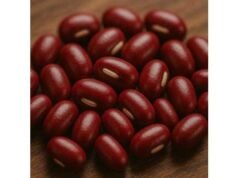
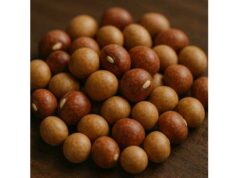
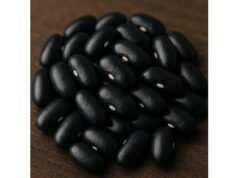
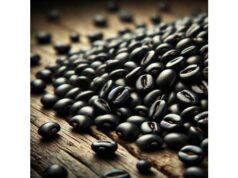
Mung beans (Vigna radiata)—also called green gram or moong—are small, quick-cooking legumes prized across Asia for their mild, slightly sweet flavor and remarkable versatility. You will find them as whole beans, dehulled yellow split “moong dal,” crunchy sprouts, silky desserts, and even clear “cellophane” noodles. Nutritionally, mung beans deliver concentrated plant protein, fiber, folate, magnesium, potassium, and a spectrum of bioactive compounds that complement heart-healthy and plant-forward eating patterns. In the kitchen, they adapt to fast weeknight soups, sprouted salads, mellow khichdi, or bright lemony bowls; on the farm, they help fix nitrogen in soil and tolerate heat, supporting climate-smart agriculture. This guide gathers what matters most—clear nutrition tables per 100 g, realistic portion guidance, evidence-based benefits, and practical prep tips—to help you use mung beans confidently. Whether you are easing into legumes or rotating varieties for diversity, mung beans offer a gentle texture, quick cooking, and dependable nourishment.
Nutrition Snapshot
- Protein-rich legume with notable folate, magnesium, potassium, and fiber that support cardiometabolic health.
- Typical serving: ¾–1 cup cooked (130–175 g), enjoyed 3–5 times weekly within a varied, fiber-rich diet.
- Safety note: avoid raw sprouts if pregnant, older, immunocompromised, or serving young children; cook sprouts thoroughly.
- Best for: people seeking affordable plant protein and steadier post-meal blood sugar; those with advanced kidney disease should monitor potassium and portion size.
Table of Contents
- Mung beans: detailed overview
- Mung bean nutrition profile (per 100 g)
- Evidence-based health benefits of mung beans
- Risks, allergies and interactions
- Selecting quality sustainability and storage
- Preparation cooking and nutrient retention
- Portions comparisons and FAQs
Mung beans: detailed overview
Mung beans (Vigna radiata) are small, oval seeds enclosed in a thin green coat. They likely originated in the Indian subcontinent and spread throughout South, East, and Southeast Asia, where they became pantry staples and festival foods. Botanically, they are relatives of adzuki and black gram, but they cook faster and taste milder than many other pulses. The plant grows quickly, tolerates heat, and fixes atmospheric nitrogen into the soil through root nodules—traits that make it valuable in crop rotations and in regions with erratic rainfall. Farmers often intercrop mung with millets, sorghum, or oilseeds to diversify income and protect soil.
In markets you will see mung beans in several forms:
- Whole green mung: keeps shape with a pleasant bite; ideal for soups, stews, salads, and pilafs.
- Split moong (yellow dal): dehulled and halved; cooks in ~20–30 minutes to a creamy texture; excellent in khichdi, porridges, and quick dals.
- Sprouts: crisp and juicy; used in stir-fries, salads, and street-food classics; must be washed well and cooked for safety in vulnerable groups.
- Flour and noodles: mung flour enriches batters and snacks; starch is used to make translucent bean-thread noodles that absorb sauces without getting heavy.
Nutritionally, mung beans stand out for protein quality (lysine-rich), fiber diversity, and meaningful levels of folate and magnesium. Like other legumes, their starch is slowly digestible, and they contain resistance starch that feeds gut microbes. They also provide phenolic compounds (such as vitexin and isovitexin in the seed coat) that contribute to antioxidant activity. As with all pulses, raw seeds contain natural anti-nutrients—phytate, tannins, and enzyme inhibitors—that are substantially reduced by soaking, sprouting, fermenting, and proper cooking. These simple kitchen steps improve mineral bioavailability and digestibility without special equipment.
For home cooks, mung beans are practical: they do not require long soaking, pressure-cook beautifully, and pair well with spices, aromatics, and citrus. On busy days, a pot of moong dal delivers comfort in under an hour; on flexible days, sprouting a batch adds crunch to bowls and wraps. In every case, mung beans provide an affordable, sustainable path to better-balanced meals.
Mung bean nutrition profile (per 100 g)
Reference form: unless otherwise noted, values below refer to dry, mature seeds (raw), per 100 g. Cooked values differ due to water absorption; a typical cooked serving (≈150 g) delivers fewer calories per 100 g but similar micronutrient patterns per serving. % Daily Value (%DV) uses adult labeling DVs.
Macros and electrolytes (per 100 g, dry seeds)
| Nutrient | Amount | %DV |
|---|---|---|
| Energy | 347 kcal | — |
| Protein | 23.9 g | 48% |
| Total fat | 1.2 g | 1% |
| Saturated fat | 0.35 g | 2% |
| Carbohydrate | 62.6 g | 23% |
| Dietary fiber | 16.3 g | 58% |
| Sodium | 15 mg | 1% |
| Potassium | 1,246 mg | 27% |
| Water | 9.1 g | — |
Cooked reference: 100 g cooked, boiled mung beans provides ≈105–110 kcal, ~7.0 g protein, ~19 g carbohydrate, and ~0.4 g fat; fiber generally ranges 6–8 g per 100 g cooked, depending on variety and cooking time.
Minerals (per 100 g, dry seeds)
| Mineral | Amount | %DV |
|---|---|---|
| Calcium | 132 mg | 10% |
| Iron | 6.8 mg | 38% |
| Magnesium | 189 mg | 45% |
| Phosphorus | 367 mg | 29% |
| Zinc | 2.7 mg | 24% |
| Copper | 0.92 mg | 102% |
| Manganese | 1.01 mg | 44% |
| Selenium | 8 µg | 15% |
Vitamins (per 100 g, dry seeds)
| Vitamin | Amount | %DV |
|---|---|---|
| Folate (DFE) | 625 µg | 156% |
| Thiamin (B1) | 0.63 mg | 52% |
| Riboflavin (B2) | 0.23 mg | 18% |
| Niacin (B3) | 2.27 mg | 14% |
| Vitamin B6 | 0.38 mg | 22% |
| Vitamin C | 4.8 mg | 5% |
| Vitamin K | 9.0 µg | 7% |
| Choline | 98 mg | 18% (AI) |
Fats and fatty acids (per 100 g, dry seeds)
| Lipid | Amount |
|---|---|
| Monounsaturated fatty acids | 0.16 g |
| Polyunsaturated fatty acids | 0.39 g |
| Linoleic acid (omega-6) | 0.36 g |
| Alpha-linolenic acid (omega-3) | 0.03 g |
| Cholesterol | 0 g |
Protein and essential amino acids (per 100 g, dry seeds)
| Amino acid | Amount (g) |
|---|---|
| Leucine | 1.85 |
| Lysine | 1.66 |
| Valine | 1.24 |
| Isoleucine | 1.01 |
| Phenylalanine | 1.44 |
| Threonine | 0.78 |
| Tryptophan | 0.26 |
| Methionine | 0.29 |
| Histidine | 0.70 |
Amino acid complementarity: Like most pulses, mung beans are lysine-rich but lower in methionine. Pair with cereals (rice, wheat, millet) or nuts/seeds across the day for a more complete amino acid profile.
Carbohydrates (per 100 g, dry seeds)
| Component | Amount |
|---|---|
| Total carbohydrate | 62.6 g |
| Dietary fiber | 16.3 g |
| Total sugars | ~6–7 g |
| Resistant starch and α-galactosides | Present; reduced by soaking, sprouting, and cooking |
Anti-nutrients and bioactives (qualitative)
- Phytate (phytic acid): binds minerals; significantly reduced by soaking, sprouting, fermenting, and pressure-cooking.
- Enzyme inhibitors (protease and α-amylase inhibitors): heat-labile; inactivated by thorough cooking.
- Tannins and phenolics (e.g., vitexin, isovitexin): seed coat polyphenols with antioxidant activity; partly reduced by dehulling.
Glycemic and acid–base metrics
- Glycemic tendency: cooked whole mung typically exhibits a low glycemic index compared with refined grains, supporting steadier post-meal glucose when eaten in mixed meals.
- Acid–base load: overall alkali-forming profile due to potassium and magnesium (not a clinical metric but relevant to diet patterning).
Values reflect widely used nutrient database entries for dry mature seeds; cooked values vary by water uptake and preparation. DVs follow current U.S. labeling standards.
Evidence-based health benefits of mung beans
Cardiometabolic risk factors—small, meaningful shifts. Diets that routinely include pulses can improve intermediate markers such as LDL-cholesterol, fasting glucose, and insulin sensitivity over weeks to months when legumes replace higher-glycemic starches or processed meats. Systematic syntheses of controlled trials report modest reductions in LDL and fasting glucose with regular legume intake. In practice, swapping refined carbohydrates for mung beans 3–5 times per week helps nudge risk markers in the right direction as part of a balanced pattern.
Glycemic control and satiety. Mung beans offer slowly digestible starch, resistant starch, and fiber that collectively slow gastric emptying and temper post-meal glucose. Their chewy skins and intact structure encourage mindful eating and fullness. In real meals—dal with rice, sprouted mung in bowls, or mung-and-vegetable soups—people often report steadier energy and less snacking between meals.
Iron, folate, and magnesium density. Folate (well over 100% DV per 100 g dry) supports red blood cell formation and is crucial pre-conception and during early pregnancy. Magnesium (about 45% DV/100 g dry) aids energy metabolism and glycemic control. Iron in mung beans is non-heme; absorption improves when you sprout, cook thoroughly, and include vitamin-C–rich foods (tomato, lemon, bell pepper) at the same meal.
Gut microbiome support. When cooked properly, the resistant starch and oligosaccharides in mung beans feed beneficial microbes, increasing short-chain fatty acid production (particularly butyrate). These metabolites support the intestinal barrier and may play roles in metabolic and immune health. Sprouting and fermenting shift the carbohydrate profile and can improve tolerance for people sensitive to gas.
Plant protein with complementary pairing. Mung beans are lysine-rich but lower in methionine; grains provide the reverse pattern. Across a day, pairing mung with rice, wheat rotis, or millets enhances overall protein quality—useful for vegetarians, vegans, and anyone seeking to diversify protein sources without highly processed products.
Sprouting advantages (with cooking for safety). Short sprouting times (24–48 hours) followed by cooking can reduce phytate and enzyme inhibitors, improve amino acid availability, and increase certain antioxidants in mung beans. Many people also find sprouted, cooked mung easier to digest.
Sustainability co-benefits. Choosing mung beans supports water-efficient, nitrogen-fixing agriculture and promotes crop diversity. Replacing a few meat-centric or refined-grain meals each week with legumes reduces food costs and environmental load while maintaining nutrient density.
How much is practical? In controlled trials of mixed pulses, doses around ½ to 1 cup cooked daily (90–175 g) for 4–12 weeks have produced beneficial shifts in risk factors. You do not need daily mung beans—rotating lentils, chickpeas, kidney beans, and mung provides fiber variety and keeps meals interesting.
Who seems to benefit most?
- People managing cholesterol, blood pressure, or blood sugar through diet.
- Plant-forward eaters needing iron, folate, and magnesium.
- Budget-conscious cooks wanting quick-cooking legumes with mild flavor.
What to expect: Mung beans are not a drug; benefits accrue as part of overall pattern change. Think of them as a high-impact swap, not a miracle food.
Risks, allergies and interactions
Digestive comfort. Like all beans, mung beans contain α-galactosides that can produce gas. Most people tolerate mung well when it is soaked and thoroughly cooked; sprouting and pressure-cooking further reduce fermentable carbohydrates. If you have IBS, test smaller portions (¼–½ cup cooked), consider sprouted and cooked forms, and build tolerance gradually.
Sprout safety. Raw or lightly cooked sprouts—including mung bean sprouts—have been linked to bacterial outbreaks. Warm, humid sprouting conditions can allow Salmonella, E. coli, or Listeria to multiply. Pregnant individuals, adults over 65, young children, and immunocompromised people should avoid raw sprouts; cooking sprouts thoroughly is the safer option for everyone. At home, rinse beans and equipment well before sprouting, use clean water, refrigerate promptly, and cook sprouts for high-risk diners.
Allergy and cross-reactivity. Primary allergy to mung is relatively uncommon, but cross-reactivity among legumes occurs because of similar storage proteins. People with severe allergies to peanut, soy, chickpea, pea, lupin, or other Vigna species should consult an allergist before introducing mung beans, especially in sprouted or concentrate forms.
Kidney and potassium. Mung beans are potassium-rich. Those with advanced chronic kidney disease or on potassium-restricted diets need individualized portion guidance. Boiling in excess water and draining modestly reduces potassium, though it also lowers water-soluble vitamins.
Medication timing. High-fiber meals can slow absorption of certain medications. When advised by your clinician, separate critical medicines (e.g., levothyroxine) from high-fiber meals by a few hours. Iron supplements are better absorbed away from high-phytate foods unless paired with vitamin C.
Food handling. Dried beans are shelf-stable but can attract pantry insects; store them cool, dry, and sealed. Discard beans with off odors or signs of infestation. Cooked beans keep 3–4 days refrigerated and up to 3 months frozen.
Selecting quality sustainability and storage
Buying guide
- Whole green mung: Choose uniform, glossy beans without cracks or stones. Fresher beans cook faster and more evenly.
- Split moong (yellow): Dehulled splits cook quickly to a creamy consistency; ideal for dals, porridges, and weaning foods.
- Sprouting grade: Select unpolished, untreated seeds labeled suitable for sprouting. For safety, use clean jars/sprouters and potable water.
- Canned/ready-to-eat: Rare in some regions; check sodium and rinse before use.
- Mung starch and noodles: Look for short ingredient lists; soak noodles briefly and avoid overcooking for best texture.
Quality cues
- Age matters: Older stock develops a “hard-to-cook” defect. If beans refuse to soften, extend soaking, add a pinch of baking soda, or pressure-cook.
- Color and aroma: Fresh whole mung is bright green and smells faintly grassy; dull color or musty odors suggest age or poor storage.
Sustainability notes
- Mung beans are drought-tolerant and nitrogen-fixing, lowering fertilizer needs and supporting soil health.
- They fit short-season rotations and intercrops, helping farmers adapt to heat and water stress. Choosing mung beans supports agro-biodiversity and reduces the environmental footprint of protein intake.
Storage
- Dried beans: Keep in airtight containers away from heat, light, and humidity; best quality within 12 months.
- Sprouts: Refrigerate and use within 2–3 days; cook for high-risk groups.
- Cooked beans: Store covered with some cooking liquid to protect texture; refrigerate 3–4 days or freeze up to 3 months.
Troubleshooting
- Tough skins: Salt late or pressure-cook; acidic ingredients (tomato, tamarind, lemon) can slow softening if added too early.
- Flat flavors: Bloom spices (cumin, mustard, coriander), use aromatics (onion, garlic, ginger), add an acid at the end, and finish with fresh herbs.
Preparation cooking and nutrient retention
Goals: shorten cook time, improve digestibility, and maximize mineral availability—without sacrificing flavor.
1) Soak (baseline, easy)
- Rinse 1 cup (≈180–200 g) whole mung.
- Cover with 3–4× water; soak 6–12 hours.
- Drain, rinse, and cook in fresh water.
2) Sprout (bigger bioavailability gains)
- After soaking, drain thoroughly and place in a jar or sprouter.
- Rinse and drain every 8–12 hours for 24–48 hours until short tails appear.
- Cook sprouts (brief boil, stir-fry, or steam) before serving to inactivate residual inhibitors and improve safety; raw sprouts are not advised for high-risk groups.
3) Ferment (flavor plus function)
- Blend soaked mung with water for a batter; inoculate with a spoon of existing fermented batter (e.g., dosa/idāli) and ferment 8–12 hours warm. Fermentation lowers pH and reduces phytate, often improving iron and zinc bioaccessibility.
4) Cooking times and textures
- Stovetop simmer: Soaked beans, 1:3 beans:water; simmer 35–50 minutes until tender.
- Stovetop pressure cooker: Soaked beans 10–15 minutes at pressure; natural release.
- Electric pressure cooker: Soaked beans 6–10 minutes High Pressure; sprouted beans 4–7 minutes; adjust for desired firmness.
- Split moong dal: Often ready in 20–30 minutes without soaking.
5) Salt, acids, and aromatics
- Salt can be added early in pressure cooking (with adequate water) or later during simmering; either way, aim for 0.8–1.2% salt by weight in finished dishes for balanced flavor.
- Add tomatoes, tamarind, or lemon near the end if you want faster softening; acids early on keep skins firmer.
6) Nutrient retention
- Use minimal necessary water and avoid over-boiling to preserve water-soluble vitamins.
- Retain some cooking liquid—it carries minerals and flavor.
- Sprouting 24–48 hours plus cooking can reduce phytate and protease inhibitors substantially, supporting better iron and zinc absorption; pairing with vitamin C amplifies this effect.
7) Flavor blueprints
- Moong dal tadka: Temper cumin, mustard seed, garlic, and chiles in oil; pour over simmered split moong; finish with lemon and cilantro.
- Sprouted mung stir-fry: Quickly toss cooked sprouts with scallions, ginger, and a splash of soy and rice vinegar; serve over brown rice.
- Comfort khichdi: Simmer split moong with rice, turmeric, and ginger until soft; top with ghee or olive oil and toasted cumin.
8) Batch, store, reuse
- Cook 2–3 cups dry at once; portion and freeze in meal-size containers. Use later for soups, bowls, or quick curries.
Portions comparisons and FAQs
Practical serving and frequency
- A useful everyday portion is ¾–1 cup cooked (≈130–175 g). Many adults do well with ⅓–1 cup cooked daily or 3–5 servings per week of mixed legumes, depending on total calories, protein needs, and tolerance.
Portion guidance by goal
- Heart and glucose health: Replace refined starches or processed meats with 1 cup cooked legumes most days; rotate mung with lentils and chickpeas.
- Iron/folate focus: Use sprouted-then-cooked mung in curries or bowls and add tomato, citrus, or peppers to boost iron uptake.
- Weight management: Start with ¾ cup cooked over vegetables or whole grains; the fiber-protein combo supports fullness at modest calories.
How mung beans compare (per 100 g cooked)
- Mung vs lentils: Similar calories (~105–116). Lentils often provide slightly more protein, mung can be a touch lower in carbs and gentler in flavor.
- Mung vs chickpeas: Chickpeas are firmer and richer, with more fat and a creamier bite; mung cooks faster and has a lighter texture.
- Mung vs edamame (green soy): Edamame delivers more protein and fat; mung is leaner and typically higher in folate per serving.
FAQs
Q: Do I have to soak mung beans?
A: Not strictly, but soaking shortens cooking time and may improve digestibility. Split moong dal rarely needs soaking.
Q: Are mung beans low-FODMAP?
A: Tolerance varies. Many with IBS tolerate small portions or sprouted-then-cooked mung better. Test gradually.
Q: Can I eat sprouts raw?
A: For safety, cook sprouts. Raw sprouts are not advised for pregnant individuals, older adults, young children, or anyone immunocompromised.
Q: How many dry beans make one cooked cup?
A: Roughly ½ cup dry (≈90 g) yields 1¼–1½ cups cooked, depending on soaking and variety.
Q: Will baking soda ruin the nutrition?
A: A pinch can help soften older beans or hard water. Overuse can affect flavor and modestly reduce some B-vitamins—use sparingly.
Q: Can I rely on mung beans for all my protein?
A: They are an excellent plant protein but are low in methionine; pair with grains, nuts, or seeds across the day for balance.
References
- Legume consumption in adults and risk of cardiovascular disease and type 2 diabetes: a systematic review and meta-analysis 2023 (Systematic Review and Meta-analysis)
- Legumes and pulses – a scoping review for Nordic Nutrition Recommendations 2023 2024 (Scoping Review)
- Dietary mung bean as promising food for human health 2024 (Review)
- Mung Bean (Vigna radiata L.): Bioactive Polyphenols, Polysaccharides, Peptides, and Health Benefits 2019 (Review)
- Fruits, Veggies and Juices (Food Safety for Moms-to-Be) 2024 (Guidance)
Disclaimer
This guide is for general education and is not a substitute for professional medical advice, diagnosis, or treatment. Always seek personalized guidance from your physician or a registered dietitian—especially if you have kidney disease, food allergies, digestive disorders, are pregnant, or take medications that require careful timing. If you experience adverse symptoms after eating mung beans or sprouts, stop and consult a qualified clinician.
If this article helped you, please consider sharing it on Facebook, X (formerly Twitter), or your favorite platform. Your support helps us continue producing clear, practical nutrition content.