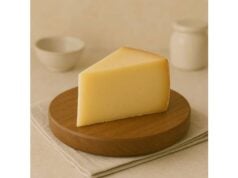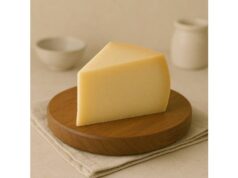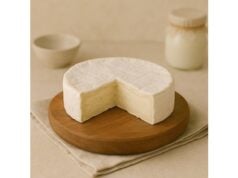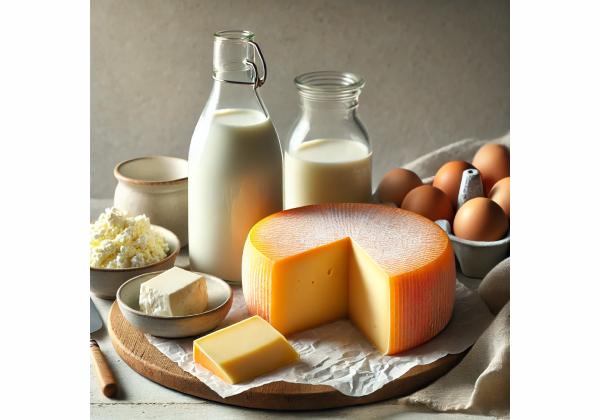
Munster cheese is beloved for its supple texture, buttery center, and washed-rind aroma that deepens as it ripens. In shops you will see two names that sound similar but are not the same: French Munster (also called Munster-Géromé), a protected, washed-rind cheese from Alsace and Lorraine, and American Muenster, a mild, semi-soft deli staple with an orange-tinted rind. Both melt beautifully and bring gentle tang to sandwiches, casseroles, and potato dishes. Nutritionally, a typical 100 g serving supplies meaningful calcium, vitamin B12, and high-quality protein, with modest carbohydrate. The main trade-offs are sodium and saturated fat, which are manageable with portion-aware planning and pairing. Safety is straight-forward: choose pasteurized versions when needed, store cold, and finish within a week of opening for best quality. This guide explains how Munster is made and aged, what the numbers on the label mean, where it may fit in health-conscious eating patterns, how to shop and store it, and the smartest ways to cook it so you keep flavor high and waste low.
Quick Overview
- Per 100 g, American Muenster typically provides ~23 g protein, ~700 mg calcium, and ~600–700 mg sodium.
- Pasteurized versions lower Listeria risk; keep refrigerated at 1–4 °C and use within 5–7 days after opening.
- A practical serving is 28 g (1 oz) up to 2–3 times per week, adjusted to sodium and saturated-fat goals.
- People who are pregnant, older adults, or immunocompromised should avoid unpasteurized soft cheeses.
Table of Contents
- Munster cheese basics and types
- Munster cheese nutrition profile
- Proven health benefits of Munster
- Risks, allergies and interactions
- Buying, quality, sustainability and storage
- Prep, melting and nutrient retention
- Portions, comparisons and FAQs
Munster cheese basics and types
Munster is two cheeses that share a name and a monastery-linked origin story but diverge in style and strength.
French Munster (Munster-Géromé, AOP). Born in the Vosges mountains straddling Alsace and Lorraine, this is a washed-rind cow’s milk cheese protected in the EU by a designation of origin. Wheels are salted and repeatedly washed during ripening, encouraging surface bacteria that tint the rind orange and develop the unmistakable pungent aroma. Depending on format, minimum ripening is roughly two to three weeks and can extend longer for deeper flavor. The interior is supple, slightly elastic, with small eyes and a balanced, savory finish. Quality cues include an even, brick-orange rind; ivory to pale straw paste; and a clean, meaty, slightly lactic scent. Expect intensity to climb with age and warmth—serve slightly cool for gentler aroma.
American Muenster (deli style). This semi-soft, mild cow’s milk cheese was inspired by European washed-rind types but is not the same as AOP Munster. It is typically made with pasteurized milk, forms a thin orange-tinted exterior (often colored with annatto rather than washed), and has a springy, sliceable body that melts evenly. Flavor is buttery and mellow, making it a practical choice for grilled cheese, burgers, quesadillas, and baked pasta. Because it is less pungent than its French cousin, it pairs easily with everyday foods and suits family palates.
How they compare in the kitchen.
Both melt smoothly, but American Muenster excels in even, stretchy melts with a clean, buttery taste. French Munster, when gently warmed, goes creamy and spoonable with a more pronounced aroma—great for Munster-topped potatoes, tarts, or rustic flatbreads. In cold applications, Muenster’s mildness complements turkey sandwiches and snack plates; French Munster shines on cheese boards alongside apples, rye bread, and caraway or cumin seeds (a regional classic).
Label reading essentials.
- Milk treatment: “Pasteurized” or “thermized” signals lower microbial risk; “raw milk” (unpasteurized) is legal in some regions but requires more careful handling.
- Moisture and fat: Higher moisture yields a softer, quicker-ripening cheese; fat in dry matter shows richness when moisture differs.
- Salt (sodium): Expect ~600–800 mg per 100 g for American Muenster; artisanal washed-rind French Munster can vary by producer and age.
- Additives: American Muenster often uses annatto for the rind’s orange tint; flavor is neutral.
Taste strategy if you are new to Munster. Start with American Muenster to learn its melt and stretch, then explore a young French Munster for a clean introduction to washed-rind notes. Serve both just cool of room temperature (10–13 °C) to showcase aroma without overwhelming.
Munster cheese nutrition profile
Below is a detailed, scannable profile using per-100 g values and U.S. % Daily Value (%DV) where applicable (2020 Nutrition Facts DVs: sodium 2,300 mg; calcium 1,300 mg; protein 50 g; total fat 78 g; saturated fat 20 g; potassium 4,700 mg; iron 18 mg; zinc 11 mg; selenium 55 µg; vitamin A 900 µg RAE; folate 400 µg DFE; vitamin B12 2.4 µg; magnesium 420 mg; phosphorus 1,250 mg; cholesterol 300 mg).
Reference style used here: The detailed macros and minerals reflect typical American Muenster values. French AOP Munster is broadly similar in protein and calcium and may vary in sodium and moisture by producer and ripening time. Always check your label.
Macros and electrolytes (per 100 g)
| Nutrient | Amount | %DV |
|---|---|---|
| Energy | 368 kcal | — |
| Water | 40.0 g | — |
| Protein | 23.0 g | 46% |
| Total Fat | 30.0 g | 38% |
| Saturated Fat | 19.0 g | 95% |
| Carbohydrate (total) | 3.0 g | 1% |
| Total Sugars (mostly lactose) | ~1.1 g | — |
| Dietary Fiber | 0 g | 0% |
| Sodium | 600–700 mg | 26–30% |
| Potassium | ~140 mg | 3% |
| Cholesterol | ~95 mg | 32% |
Minerals (per 100 g)
| Mineral | Amount | %DV |
|---|---|---|
| Calcium | ~700 mg | 54% |
| Phosphorus | ~460 mg | 37% |
| Magnesium | ~27 mg | 6% |
| Zinc | ~3.1 mg | 28% |
| Selenium | ~23 µg | 42% |
| Iron | 0.3 mg | 2% |
Vitamins (per 100 g)
| Vitamin | Amount | %DV |
|---|---|---|
| Vitamin A (as RAE) | ~300 µg RAE | 33% |
| Vitamin B12 (Cobalamin) | ~2.2 µg | 92% |
| Riboflavin (B2) | ~0.37 mg | 29% |
| Niacin (B3) | ~0.16 mg | 1% |
| Vitamin B6 | ~0.08 mg | 5% |
| Folate (DFE) | ~12 µg | 3% |
| Vitamin D | small amounts | — |
Fats and fatty acids (per 100 g, typical)
| Fatty Acids | Amount | Notes |
|---|---|---|
| Saturated fatty acids | ~19 g | Main contributor to %DV; varies by milk fat and moisture. |
| Monounsaturated fatty acids | ~8–9 g | Oleic acid predominates among MUFA. |
| Polyunsaturated fatty acids | ~0.7–1.0 g | Small fraction; includes linoleic acid. |
| Naturally occurring ruminant trans fats | <1 g | Present in small amounts in dairy fat. |
Allergens and intolerance markers
| Item | Typical content per 100 g | Context |
|---|---|---|
| Lactose | ~0.5–1.2 g | Lower than fresh milk due to fermentation; still present. |
| Histamine/Tyramine | variable | Can rise with age in washed-rind cheeses; sensitive individuals should use caution. |
| Milk proteins (casein, whey) | — | Primary allergen; strictly avoid if milk-allergic. |
Additives and fortification: American Muenster often contains annatto (natural color) on the rind; fortification is uncommon.
Glycemic and acid–base metrics: Carbohydrate content is low, resulting in a negligible glycemic impact. Like most aged cheeses, Munster is acid-forming in potential renal acid load models due to protein and mineral composition.
Portion translation. A 28 g (1 oz) slice provides roughly 6–7 g protein, ~8–9 g fat (≈40–45% of saturated-fat DV if you eat two slices), ~200 mg calcium, and ~170–200 mg sodium. Use these as building blocks in a whole-meal context.
Proven health benefits of Munster
High-quality protein and calcium for structure. A 100 g portion of American Muenster typically offers ~23 g complete protein with all essential amino acids and ~700 mg calcium—key for bone mineralization and maintenance. For people with low dairy intake, even a 28 g slice can meaningfully contribute to daily calcium and B12 without adding carbohydrate.
The dairy matrix effect. Research increasingly finds that cheese’s health impact is not explained by saturated fat alone. The “dairy matrix”—how nutrients are packaged with calcium, phosphorus, proteins, and the cheese’s semi-solid structure—appears to influence digestion and lipid handling. Controlled and observational work suggests that, calorie-for-calorie and at realistic intakes, cheese often has a neutral to modestly favorable effect on blood lipids compared with butter, and substituting cheese for some refined carbohydrates may not worsen—and can sometimes improve—cardiometabolic markers in the context of balanced diets. This does not grant unlimited portions; it means that cheese, in measured amounts, can fit into varied eating patterns without automatically derailing lipid goals.
B12 and riboflavin for energy metabolism. Munster supplies vitamin B12 (often 90% of DV per 100 g) and riboflavin (roughly 30% of DV per 100 g), supporting red blood cell formation and mitochondrial energy pathways. These are nutrients where under-consumption occurs in certain groups (e.g., older adults with low B12 absorption), making cheese a dense, convenient source alongside fish and fortified foods.
Protein leverage for satiety. In meals where cheese replaces lower-protein spreads or toppings, the extra ~6–7 g protein per ounce can increase satiety, particularly when paired with fiber-rich vegetables and whole grains. This can help keep portions of more calorie-dense foods in check without sacrificing flavor—a practical, behavior-level benefit.
Performance and meal design. The rapid melt and rich mouthfeel of Muenster improve adherence to higher-veggie or whole-grain meals. For instance, a vegetable-heavy baked ziti or a whole-grain flatbread becomes more appealing when topped with thinly sliced Muenster, making it easier to embrace nutrient-dense sides while improving the overall nutrient package.
Bottom line on benefits. Munster brings complete protein, highly bioavailable calcium, and B12 in a convenient, low-carb form. Within a reasonable weekly budget for sodium and saturated fat, this cheese can fit into Mediterranean-style, flexitarian, or omnivorous patterns. People with specific lipid targets should emphasize overall dietary quality—vegetables, legumes, whole grains, and unsaturated fats—while treating cheese as a flavorful accent rather than an anchor.
Risks, allergies and interactions
Milk allergy. Munster contains casein and whey proteins that can trigger reactions ranging from hives to anaphylaxis in milk-allergic individuals. Complete avoidance is required if you have a diagnosed milk allergy. Read ingredient statements for any flavorings or colorings (e.g., annatto) if you have additive sensitivities.
Lactose intolerance. Because lactose is partly fermented during cheesemaking, Munster is generally lower in lactose than milk; however, American Muenster is semi-soft and still contains ~0.5–1.2 g lactose per 100 g. Many people with intolerance tolerate small portions (e.g., 14–28 g) with meals, but responses vary. Track symptoms and pair with fiber-rich sides to slow gastric emptying.
Histamine and tyramine. Washed-rind styles, including French Munster, can accumulate biogenic amines as they ripen. Individuals sensitive to histamine or tyramine (e.g., those prone to migraines) may experience flushing, headache, or blood pressure changes. If you take MAO-inhibiting medications, high-tyramine foods should be limited or avoided; ask your prescriber for personalized thresholds and a food list.
Sodium and blood pressure. Muenster’s sodium content (often ~600–700 mg per 100 g) can add up quickly in generous melts or deli stacks. People targeting 2,300 mg sodium/day should plan portions and pair cheese with low-sodium foods (fresh vegetables, no-salt beans, whole grains cooked without salt). Look for brands with lower sodium per slice when possible.
Saturated fat and LDL-C goals. Per 28 g slice, saturated fat is typically ~5–6 g. For individuals with elevated LDL-C or those following heart-healthy patterns, keep saturated fat within your clinician’s advised range by balancing cheese with unsaturated-fat foods (olive oil, nuts, oily fish) and emphasizing vegetables, pulses, and whole grains. Remember: the overall diet pattern drives lipid outcomes more than any single food.
Food safety and Listeria risk. People who are pregnant, adults ≥65 years, and those with weakened immunity are at higher risk for invasive listeriosis from contaminated soft cheeses. Risk is higher with unpasteurized cheeses and with fresh, high-moisture varieties, but cross-contamination can occur even in pasteurized products if hygiene lapses. Choose pasteurized products, keep them cold (1–4 °C), avoid deli slicing when possible (buy pre-packed), and reheat cheese in hot dishes to steaming when extra caution is warranted. Discard at the first signs of off-odors, sliminess, or mold not native to the rind.
Drug and condition considerations.
- MAO inhibitors: Tyramine interactions (see above).
- ACE inhibitors/ARBs and potassium-sparing diuretics: Cheese contains modest potassium; typical portions are rarely problematic but monitor total dietary potassium if instructed.
- Lactose-containing medications: If you are highly lactose-sensitive, account for medication lactose separately from food.
Who should limit or avoid. Milk-allergic individuals; anyone advised to avoid unpasteurized dairy; people with strict low-sodium or low-saturated-fat therapeutic diets; and those on MAO inhibitors or with tyramine sensitivity.
Buying, quality, sustainability and storage
How to choose at the counter.
- American Muenster: Look for clean, slightly shiny slices or blocks with a thin, uniform orange rind and a creamy-white interior. Aroma should be mild and lactic, never sour or ammoniated. Prefer vacuum-sealed blocks you slice at home to reduce handling and oxidation.
- French Munster AOP: Seek a plump wheel or wedge with an even brick-orange washed rind and faint surface tackiness (a sign of proper washing). The paste should be ivory-to-straw with tiny eyes. Aroma: meaty, lactic, not acrid.
Label clues to quality.
- Pasteurized vs raw: Choose pasteurized if you or your guests are pregnant, older, or immunocompromised.
- Ingredients: Milk, salt, cultures, rennet; annatto is common in American Muenster for color. Avoid long additive lists.
- Date codes: Buy with ample time before the “best by” and consume soon after opening.
Sustainability pointers.
- Animal welfare and milk sourcing: Small-scale or cooperative dairies may publish herd and grazing practices. Certifications and producer transparency can signal higher standards.
- Food waste reduction: Purchase sizes you can finish within a week of opening; freeze grated leftovers in small baggies for casseroles and baked dishes where texture matters less.
Storage for safety and flavor.
- Unopened: Keep at 1–4 °C in its original wrap.
- Opened blocks or wedges: Rewrap snugly in parchment or cheese paper, then place in a partially sealed bag or box to limit drying while allowing minimal airflow. Avoid cling film directly against washed rinds; it can trap moisture and create off-odors.
- Shelf life: American Muenster keeps 5–7 days once opened; French Munster’s aroma intensifies after opening—plan to enjoy it within 3–5 days for best flavor.
- Freezing: Technically possible for grated or sliced American Muenster used in cooked dishes; expect crumblier texture after thawing.
Buying tips by use case.
- Melting: Choose younger American Muenster for maximum stretch.
- Boards: Pick a mid-ripe French Munster and serve with crisp apples, rye bread, and lightly toasted cumin or caraway seeds.
- Low-sodium planning: Compare labels; choose brands with ≤170 mg sodium per 28 g slice where available, and pair with unsalted sides.
Prep, melting and nutrient retention
Best ways to melt. Thin, even slices melt more predictably than thick slabs. For sandwiches, pre-warm fillings so the cheese needs less direct heat; this limits oil separation and keeps texture supple. For casseroles, scatter grated Muenster in two layers—one mixed into the pasta or vegetables for cohesion, a second thin layer on top for a gentle, spotty brown.
Temperature and time. Aim for medium heat. High heat can cause quick fat “break-out” and grease pooling. If broiling, move the rack a notch lower and watch closely in the last minute.
Flavor management with washed rinds. If French Munster’s aroma feels assertive, serve slightly cooler than room temperature, trim just the outermost rind band to reduce intensity, or fold thin slices into hot dishes where steam disperses volatiles.
Keeping nutrients on the plate. Cheese nutrients are stable to cooking. The main risk is fat loss, not vitamin loss. Minimize runoff by:
- using moderate heat; 2) mixing a portion into the dish rather than perching all on top; 3) adding a small amount of starch (e.g., a teaspoon of flour or cornstarch per cup of grated cheese in a sauce) to stabilize emulsions.
Five smart, balanced uses (with portion cues).
- Whole-grain grilled sandwich (28 g cheese): Layer with tomatoes and baby spinach; brush bread with olive oil for unsaturated fat balance.
- Roasted broccoli bake (28–40 g): Toss florets with lemon and garlic; top lightly with Muenster and whole-grain crumbs.
- Veggie quesadilla (28 g): Load with black beans and peppers; cook until steaming to reduce microbial risk.
- Potato-Munster skillet (French style, 30–40 g): Crisp par-boiled potatoes in olive oil, then add thin Munster slices to glaze.
- Snack board (14–20 g): Pair with apple slices, radishes, and unsalted nuts.
Avoid common pitfalls.
- Over-salting: Add salt to surrounding foods sparingly; Muenster contributes its own.
- Stacking multiple high-sodium items: Skip deli meats or choose low-sodium options when cheese is the star.
- Overheating: Leads to greasy pools and tough, stringy texture.
Portions, comparisons and FAQs
What is a reasonable serving?
- Everyday portion: 28 g (1 oz), about two thin slices, provides ~6–7 g protein, ~200 mg calcium, and ~170–200 mg sodium.
- Weekly cadence: 2–3 servings per week works for many people; adjust up or down depending on your overall saturated-fat and sodium goals and your diet’s vegetable, whole-grain, and unsaturated-fat balance.
How does Munster compare to other cheeses?
- Cheddar: Similar protein, often higher sodium; sharper flavor means you might use less per serving.
- Mozzarella (part-skim): Leaner profile with lower saturated fat per 28 g; milder flavor.
- Washed-rind cheeses (e.g., Limburger): Comparable texture to French Munster but typically stronger aroma; sodium can vary widely.
- Fresh soft cheeses (e.g., brie): Higher moisture and often comparable saturated fat; safety guidance is similar—choose pasteurized when needed.
Is Munster “low lactose”? Not formally. It is lower than milk but not lactose-free. Many people with intolerance tolerate small portions with meals. If you require strict lactose restriction, choose lactose-free cheeses or enzymatic aids as advised.
Can I eat Munster if I am pregnant? You should avoid unpasteurized soft cheeses. Choose pasteurized American Muenster or pasteurized French Munster from reputable producers, keep it cold, and consider enjoying it thoroughly heated in cooked dishes.
How do I keep portions realistic?
- Pre-slice 14–28 g portions right after opening.
- Build plates with a fixed cheese “slot” (e.g., two slices) plus large volumes of vegetables and whole grains.
- Use Muenster as a finisher—a thin, flavorful layer—rather than the bulk of a dish.
I care about heart health. Can Munster fit? It can, in small portions, when meals are built around vegetables, legumes, whole grains, fruits, and unsaturated fats. Consider swapping cheese in for foods that don’t bring protein or calcium (e.g., replacing creamy spreads) rather than stacking them.
Why does French Munster smell stronger than it tastes? Washed rinds develop aromatic compounds on the surface. Much of the “funk” is in the rind; the paste inside is milder. Serving slightly cool tames aroma while preserving the silky texture.
References
- Preventing Listeria Infection | Listeria Infection | CDC 2025 (Guidance)
- How Listeria Spread: Soft Cheeses and Raw Milk | Listeria Infection | CDC 2025 (Guidance)
- Effect of cheese consumption on blood lipids: a systematic review and meta-analysis of randomized controlled trials 2015 (Systematic Review)
- Effect of Isoenergetic Substitution of Cheese with Other Dairy Products and Non-Dairy Sources of Protein and Fat on Cardiometabolic Health—A Mini-Review 2023 (Review)
- The Dairy Matrix: Its Importance, Definition, and Current Application in the Context of Nutrition and Health 2024 (Review)
Disclaimer
This article provides general nutrition and food-safety information for educational purposes only and is not a substitute for personalized medical advice, diagnosis, or treatment. Always consult your healthcare professional or a registered dietitian about your specific health conditions, medications, and dietary needs—especially if you are pregnant, immunocompromised, or managing cardiovascular risk factors.
If you found this guide useful, please consider sharing it with friends or colleagues on Facebook, X (formerly Twitter), or your favorite platform. Your support helps us keep producing clear, practical, evidence-based articles. Thank you.