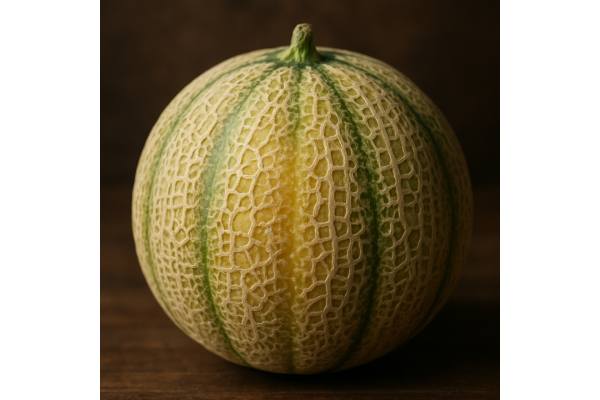
Muskmelon is the summertime umbrella for fragrant, netted and smooth-skinned melons—most notably cantaloupe, honeydew, and Galia. Crisp or silky, these fruits deliver quiet sweetness, high water content, and a refreshing aroma that’s hard to mistake. Beyond their flavor, muskmelons bring vitamin C, provitamin A carotenoids, potassium, and hydration in a low-calorie package. They fit easily into breakfast bowls, cooling salads, sparkling aguas frescas, or simple wedges eaten out of hand. Because their flesh is delicate and rich in volatile aromas, how you select, store, and serve them makes a real difference in taste and food safety. This guide explains what muskmelon offers nutritionally, how it may support health, what to watch for (including allergy and contamination risks), and practical ways to buy, prep, and portion different varieties. Whether you slice cantaloupe for a child’s snack, blitz honeydew into a minty smoothie, or pair Galia with prosciutto, you’ll find specific, evidence-based tips below to enjoy muskmelon at its best.
Fast Facts
- Hydrating fruit with about 90 g water per 100 g and notable vitamin C and carotenoids.
- Typical serving: 1 cup cubes (≈160 g), enjoyed 3–5 days per week as part of a varied diet.
- Safety note: Wash the rind before cutting; cut melons should be refrigerated and eaten within 3–5 days.
- People with pollen-related oral allergy syndrome, latex allergy, or high foodborne infection risk should be cautious.
Table of Contents
- Muskmelon: Detailed Overview
- Muskmelon Nutrition Profile (per 100 g)
- Muskmelon Health Benefits: Evidence-Based
- Risks, Allergies and Interactions
- Selecting, Quality, Sustainability and Storage
- Preparation, Cooking and Nutrient Retention
- Portions, Comparisons and FAQs
Muskmelon: Detailed Overview
Muskmelon (Cucumis melo) is a diverse species of warm-season fruit that includes netted types such as cantaloupe (C. melo var. reticulatus) and smooth-skinned types such as honeydew (C. melo var. inodorus). The name “muskmelon” refers to the fruit’s characteristic musky fragrance produced by volatile esters as the fruit ripens. Native to regions spanning Persia and the Indian subcontinent, muskmelon spread through the Mediterranean and now grows in temperate and subtropical climates worldwide.
The two most familiar market categories behave quite differently as they ripen. Netted cantaloupes slip from the stem when physiologically ripe; the rind turns beige under the netting, and the blossom end develops a perfumed aroma. Honeydews, by contrast, do not slip; they develop a waxy bloom and a creamy-to-buttery yellow rind as they mature, with slightly softer blossom ends when ready. Galia, Charentais, and other specialty melons blend traits from both sides—some with intense perfume and deep orange flesh, others with green, subtly sweet flesh.
Culinarily, muskmelon is prized for its clean sweetness, high water content, and cooling effect. It pairs naturally with salt (feta, prosciutto), herbs (mint, basil), acids (lime, lemon, balsamic), and mild heat (Aleppo, chili flakes), which sharpen its flavor by balancing sugars and volatiles. Texture varies from fine-grained and silky (ripe cantaloupe) to crisp and thirst-quenching (honeydew). Because the edible flesh contains little fat, muskmelon’s flavor is perceived best when served chilled but not icy; extreme cold can mute aroma.
Nutritionally, muskmelon is a low-energy, nutrient-dense fruit, delivering vitamin C, provitamin A carotenoids (especially in orange-fleshed cultivars), potassium, small amounts of folate and vitamin K, and valuable hydration. Like most fruits, it contains natural sugars, but its glycemic load per typical portion is modest because water and fiber dilute the carbohydrate density.
Food-safety-wise, muskmelons deserve special care at home and in retail settings. Netted rinds can harbor microbes in crevices, and low-acid flesh allows bacteria to grow if cut fruit is left at warm temperatures. Simple steps—scrubbing the rind under running water before slicing, using clean knives and boards, and refrigerating wedges promptly—greatly reduce risk.
Finally, remember that “melon” isn’t monolithic. A ripe, in-season cantaloupe can taste like peak summer and supply significantly more provitamin A than honeydew. Knowing which type you are buying, how to judge ripeness, and how to store it will determine the flavor on your plate and the nutrients in your bowl.
Muskmelon Nutrition Profile (per 100 g)
How to read these tables: Values are typical for raw fruit and rounded to sensible precision. %DV uses current U.S. Daily Values. Cantaloupe and honeydew are shown side by side where it helps you choose by nutrients.
Macros and Electrolytes (per 100 g)
| Nutrient | Cantaloupe | %DV | Honeydew | %DV |
|---|---|---|---|---|
| Energy (kcal) | 34 | — | 36 | — |
| Water (g) | ~90.2 | — | ~90.2 | — |
| Carbohydrate (g) | 8.2 | — | 9.1 | — |
| Total sugars (g) | 7.9 | — | 8.1–9.0 | — |
| Dietary fiber (g) | 0.9 | 3 | 0.8 | 3 |
| Protein (g) | 0.8 | — | 0.5 | — |
| Fat (g) | 0.2 | — | 0.1 | — |
| Potassium (mg) | 267 | 6 | 228 | 5 |
| Sodium (mg) | 16 | 1 | 18–30 | 1 |
Vitamins (per 100 g)
| Vitamin | Cantaloupe | %DV | Honeydew | %DV |
|---|---|---|---|---|
| Vitamin C (mg) | 36.7 | 41 | 18.0 | 20 |
| Vitamin A (RAE, µg) | ~169 | 19 | 3–6 | <1 |
| Folate (DFE, µg) | 21 | 5 | 19 | 5 |
| Vitamin K (µg) | 2.5–4.4 | 2–4 | 2.9–3.4 | 2–3 |
| Vitamin B6 (mg) | 0.07 | 4 | 0.08 | 5 |
| Thiamin (mg) | 0.04 | 3 | 0.03 | 2 |
| Niacin (mg) | 0.73 | 5 | 0.27 | 2 |
| Choline (mg) | ~7–14 | 1–3 | ~6–8 | 1–2 |
Minerals (per 100 g)
| Mineral | Cantaloupe | %DV | Honeydew | %DV |
|---|---|---|---|---|
| Calcium (mg) | 9 | 1 | 6–10 | 1 |
| Iron (mg) | 0.21 | 1 | 0.29 | 2 |
| Magnesium (mg) | 12 | 3 | 10–17 | 2–4 |
| Phosphorus (mg) | 15–26 | 1–2 | 12–19 | 1–2 |
| Zinc (mg) | 0.18–0.32 | 2–3 | 0.15 | 1 |
| Copper (mg) | 0.04–0.07 | 4–8 | 0.04 | 5 |
| Manganese (mg) | 0.04–0.07 | 2–3 | 0.05 | 2 |
Bioactives / Phytonutrients (per 100 g)
| Compound | Cantaloupe |
|---|---|
| Beta-carotene (µg) | ~2,000 (varies by cultivar and ripeness) |
| Lutein + Zeaxanthin (µg) | ~25–50 |
| Other | Aromatic esters contributing to “musky” perfume; organic acids in small amounts |
Carbohydrates and Glycemic Metrics
- Estimated Glycemic Index (GI): moderate (often reported around the 60–70 range depending on variety and ripeness).
- Glycemic Load (GL) per 100 g: low (≈5), because total carbohydrate is modest.
Allergens and Intolerance Markers (qualitative)
- Cross-reactive profilins can trigger oral allergy symptoms in people sensitized to certain pollens (e.g., ragweed).
- Latex-fruit cross-reactivity may affect a subset of latex-allergic individuals.
- FODMAPs: portions ≤1 cup (≈160 g) are typically well tolerated for many, but larger servings can trouble sensitive individuals.
Footnote: Values reflect raw fruit. No fortification or additive use is typical for whole muskmelon.
Muskmelon Health Benefits: Evidence-Based
1) Hydration with electrolytes and minimal calories
Muskmelon is about 90% water, so 1 cup cubes (≈160 g) delivers refreshing hydration with roughly 50–60 kcal. That makes it an effective snack during hot weather or after light exercise, especially for people who prefer hydrating foods over large volumes of plain water. Potassium helps counter higher-sodium meals and supports normal muscle and nerve function.
2) Immune and skin support via vitamin C
A typical portion of cantaloupe can provide ~35–65 mg of vitamin C (depending on variety and portion size), a nutrient involved in collagen synthesis, wound healing, and antioxidant defense. Because vitamin C is water-soluble and heat-sensitive, eating muskmelon fresh preserves more of it than cooking.
3) Eye and skin health from carotenoids
Orange-fleshed muskmelons (cantaloupe, Charentais) supply beta-carotene, a provitamin A carotenoid the body converts to retinol as needed. Per 100 g, cantaloupe can provide around 15–20% DV of vitamin A as retinol activity equivalents, contributing to normal vision, epithelial integrity, and immune function. Honeydew is far lower in carotenoids, so choose orange flesh when vitamin A is a priority.
4) Heart-smart choice
Muskmelon is naturally very low in sodium and provides potassium. Replacing high-sodium, calorie-dense desserts with melon can help reduce sodium load and energy intake without sacrificing satisfaction. The fruit’s water and fiber aid fullness, especially when paired with protein (e.g., yogurt, cottage cheese) at breakfast or snack time.
5) Metabolic friendliness through low glycemic load
Even though ripe melon is sweet, carbohydrate density is modest. A 100 g portion has ~8–9 g carbs and a low glycemic load—practical for many people who are moderating post-meal glucose. Pairing melon with protein, fat, or fiber further blunts the glycemic rise while enhancing satiety.
6) Gentle on digestion for most people
With a soft texture and low insoluble fiber, ripe melon is often well tolerated on days when heavier foods feel difficult. For those with sensitive GI tracts, smaller portions eaten slowly—and served well chilled—tend to feel easiest.
7) Culinary versatility that encourages fruit intake
Convenience matters. Muskmelon is quick to prep, portable once cut, and easily portioned for children. Adding cubes to packed lunches, blending smoothies with yogurt and mint, making pico-de-gallo-style salsas for grilled fish, or serving chilled wedges after dinner are practical ways to nudge total fruit intake toward recommended targets.
Quick pairing ideas that amplify benefits
- Cantaloupe + Greek yogurt + toasted pumpkin seeds (protein, magnesium, crunch).
- Honeydew + lime + mint + pinch of salt (acids and herbs brighten flavor; salt enhances sweetness).
- Galia + prosciutto + basil (classic sweet-salty contrast).
- Melon + cucumber + chili + lemon (cooling salad with a little heat).
Risks, Allergies and Interactions
Foodborne illness risk and safe handling
Because muskmelons are low-acid and often stored cold for days, harmful bacteria such as Listeria can grow if contamination occurs and cut fruit is held too long at refrigerator temperatures. Netted rinds can trap microbes in crevices. Reduce risk by scrubbing the rind under running water before cutting, drying with a clean towel, using clean knives and boards, and refrigerating cut melon at ≤4 °C (≤40 °F). Eat cut melon within 3–5 days; discard if texture becomes slimy or aroma turns sour. Avoid leaving cut wedges at room temperature for >2 hours (or >1 hour if ≥32 °C / 90 °F).
Allergies and cross-reactivity
Some people with seasonal allergic rhinitis develop oral allergy syndrome (pollen-food allergy syndrome) when they eat raw melon. Tingling or itch of the lips, mouth, or throat can occur within minutes, usually resolving quickly; rarely, more severe reactions develop. In many cases, the culprit is a plant panallergen called profilin. Cross-reactivity is also reported between latex and certain fruits (including melon) in latex-sensitized individuals. If you’ve had oral or systemic symptoms after melon—or you have ragweed pollen or latex allergy—consult an allergist for evaluation and individualized advice. Lightly chilling, peeling away more near-rind flesh, or trying different cultivars may change tolerance, but do not test this if you’ve had severe reactions.
Blood sugar and portion size
Ripe melon tastes quite sweet; even with a low glycemic load, large servings can add up in total carbohydrates. For people managing diabetes or prediabetes, consider ½–1 cup (80–160 g) portions, pair with protein (e.g., a boiled egg, yogurt, or nuts), and account for the carbs in your meal plan.
Kidney disease and potassium
Muskmelon’s potassium is modest per 100 g compared with bananas, but those with advanced chronic kidney disease on restricted potassium diets should count melon toward their daily allowance.
Infants, pregnancy, and immunocompromise
For high-risk groups—pregnant people, older adults, and those with weakened immunity—strict food safety is important. Serve melon freshly cut, promptly chilled, and eaten within recommended refrigerator times. For infants starting solids, very ripe melon cut into appropriate, hand-sized strips can be a soft finger food; always remove seeds and rind and supervise closely to avoid choking.
Medication interactions
Muskmelon does not have known grapefruit-like interactions. If you take ACE inhibitors, ARBs, or potassium-sparing diuretics, track overall potassium intake with your clinician’s guidance.
Selecting, Quality, Sustainability and Storage
How to choose a great muskmelon
- Cantaloupe (netted rind): Look for beige or golden undertone beneath raised netting (minimal green). The stem end should show a clean “slip” scar and the blossom end should yield slightly and smell floral. Avoid soft spots, cracks, or bruises.
- Honeydew (smooth rind): Choose fruit with a dull, creamy-to-buttery yellow color (not green) and a waxy feel. The blossom end should give slightly to gentle pressure; very hard fruit is likely underripe, deep green rind suggests immaturity.
- Specialty melons (Galia/Charentais): Prioritize fragrance and symmetry, avoid cracks, and follow variety-specific cues from growers.
Ripening and storage
- Whole melons: Ripen at room temperature away from direct sun. Cantaloupe becomes fragrant as it ripens; honeydew develops a waxy bloom and richer color. Check daily—once ripe, refrigerate whole melons to slow softening.
- Cut melons: Refrigerate at ≤4 °C (≤40 °F) in covered containers; aim to eat within 3–5 days for quality and safety.
- Freezing: Cube or ball, spread on a tray to pre-freeze, then transfer to freezer bags. Texture softens after thawing, but flavor is excellent for smoothies, purees, and sorbets.
Food-safety checklist
- Wash hands, scrub the rind under running water with a clean produce brush, and dry.
- Use a clean knife and cutting board; keep raw meats separate.
- Chill wedges promptly; do not hold cut melon at room temperature beyond safe time windows.
- When transporting cut melon, use an insulated bag with ice packs.
Sustainability tips
- Buy in season and locally when possible to reduce transport emissions and maximize flavor.
- Choose whole fruit over many small plastic clamshells of pre-cut melon to reduce packaging waste—then prep at home following safe-handling steps.
- Eat the edible parts you prepare: if you like, roast cleaned seeds with a light coating of oil and salt for a crunchy snack; compost rinds where facilities allow.
Minimizing waste
- If an uncut melon overripens, blitz into smoothies or purée into granita.
- Combine “use-soon” melon with cucumbers, herbs, and vinegar for a quick chilled soup.
Preparation, Cooking and Nutrient Retention
Essential prep steps
- Wash the rind under running water; scrub firm-skinned types with a clean brush.
- Dry thoroughly; place on a clean board.
- Trim both ends to create flat surfaces, stand the melon upright, and slice away the rind in vertical strips.
- Halve, scoop seeds, and cut into wedges or cubes to your preferred size.
Maximizing flavor
- Serve slightly chilled (not icy) to preserve aroma. Extreme cold mutes volatile esters that create melon’s perfume.
- Add a pinch of salt or a squeeze of lime to sharpen sweetness.
- Balance with texture and fat: feta, burrata, yogurt, or nuts bring creaminess and increase satiety.
Retaining nutrients
- Vitamin C degrades with heat and prolonged storage. Eat melon fresh or add to dishes at the end of cooking (e.g., spoon cool melon salsa onto grilled fish).
- Minimize cut-surface exposure to air; store in covered containers to slow vitamin C loss and aroma dissipation.
- Avoid soaking cut fruit in water or sugary syrups, which can leach water-soluble vitamins and dilute flavor.
Techniques and recipe ideas
- No-cook: Melon-mint smoothie (melon, yogurt/kefir, mint, lime), melon-cucumber-chili salad, melon with prosciutto and basil, cottage-cheese bowls with melon and pumpkin seeds.
- Quick heat: Briefly grill thick melon slices (30–60 seconds per side) to caramelize surface sugars; serve with balsamic and pepper. Expect some vitamin C loss but deeper flavor.
- Frozen treats: Purée ripe cantaloupe with lime and a touch of honey; churn or freeze into granita.
- Savory salsas: Dice melon with red onion, jalapeño, cilantro, and lime for seafood or tofu.
Kitchen hygiene reminders
- Use separate knives/boards for raw meats and produce.
- Clean and sanitize surfaces after cutting melon.
- Refrigerate leftovers promptly and label with the preparation date.
Portions, Comparisons and FAQs
Recommended portions
- Adults: 1 cup cubes (≈160 g) per serving, as a fruit component at meals or snacks.
- Children: Start with ½ cup (≈80 g) and adjust to appetite and age.
- Active days: Two small servings spaced through the day can support hydration.
How muskmelon compares to other fruits (per 100 g)
- Cantaloupe vs honeydew: Cantaloupe is richer in provitamin A and typically higher in vitamin C; honeydew is milder, with slightly more carbohydrate but similar calories.
- Melon vs watermelon: Watermelon is higher in lycopene but often lower in vitamin A (unless yellow varieties). Both are very hydrating.
- Melon vs orange: Oranges deliver more vitamin C and fiber per 100 g; melon is gentler in acidity and easier on some palates and stomachs.
- Melon vs papaya: Papaya brings vitamin C and A too, plus digestive enzymes; ripe cantaloupe rivals papaya for provitamin A content.
Frequently asked questions
Can people with diabetes eat muskmelon?
Yes—focus on portion control (½–1 cup), pair with protein or fat, and consider overall carbs in the meal. Monitor your own response.
Is the rind edible?
Rinds are not typically eaten and can harbor microbes. Compost them or use as garden mulch where appropriate; do not consume.
Are the seeds edible?
Yes—clean, dry, and roast with a little oil and salt. They add protein, minerals, and crunch.
How long does cut melon keep?
Refrigerate and aim to finish within 3–5 days for best quality and safety.
What about oral allergy symptoms?
People with pollen allergies (especially ragweed) may react to raw melon due to profilins. If you’ve had symptoms, consult an allergist. Do not self-challenge after severe reactions.
Can dogs eat melon?
In small amounts as an occasional treat, plain seedless melon is generally safe for dogs. Avoid rinds and large quantities; consult your veterinarian for individualized advice.
Budget tip:
Buy whole melons in season, slice at home, and store in airtight containers. One medium cantaloupe can yield 6–8 cups of fruit—more value than pre-cut packs.
References
- International tables of glycemic index and glycemic load values 2021: a systematic review 2021 (Systematic Review)
- How Listeria Spread: Sprouts and Melons | Listeria Infection | CDC 2024 (Guidance)
- The nature of melon allergy in ragweed-allergic subjects: A study of 1000 patients 2011
- Profilin is a relevant melon allergen susceptible to pepsin digestion in patients with oral allergy syndrome 2003
- Nutrition Facts for Cantaloupe Melons 2024
Disclaimer
This guide is for general education and is not a substitute for personalized medical advice, diagnosis, or treatment. Nutrient needs, allergy risks, and diet restrictions vary. If you have diabetes, kidney disease, food allergies, are pregnant, or are immunocompromised, consult a qualified health professional for individualized recommendations before changing your diet. If you experience signs of an allergic reaction (e.g., swelling, wheezing, hives) after eating melon, seek immediate medical care.
If you found this helpful, please consider sharing it with friends on Facebook, X (formerly Twitter), or your favorite platform. Your support helps us continue creating useful, high-quality nutrition resources.