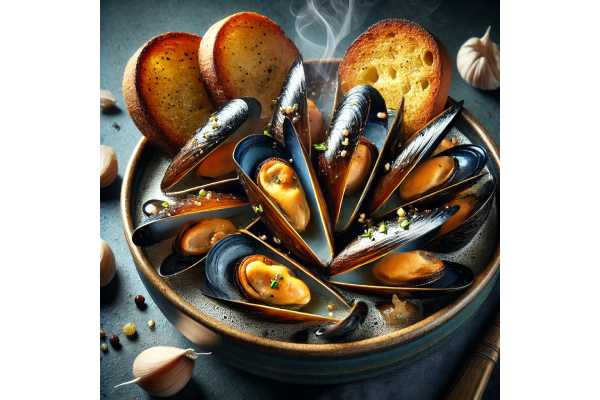
Mussels are small bivalves with big upsides: they deliver high-quality protein, notable omega-3 fats, and exceptional amounts of vitamin B12, iron, selenium, and manganese—often with a lighter environmental footprint than many land proteins. Their mild, slightly sweet flavor adapts to broths, pastas, and curries, and they cook in minutes. Because mussels are filter feeders, sourcing and storage matter for safety, and quick cooking techniques help retain delicate nutrients. This guide walks you through what 100 g of cooked mussels offers nutritionally, how eating them regularly can support heart health and energy metabolism, how to choose sustainable product, plus storage, preparation, and smart portion planning. Whether you steam them with garlic and herbs, fold them into paella, or meal-prep a tomato-saffron broth for the week, you will find mussels straightforward to use and surprisingly nutrient dense for the calories.
At a Glance
- A 100 g cooked serving provides ~24 g protein and meaningful omega-3s while being low in saturated fat.
- Very high in vitamin B12 (≈24 µg) and rich in iron, selenium, and manganese per 100 g.
- Allergen: mollusk shellfish; avoid if you have shellfish allergy; never eat raw if immunocompromised.
- Practical intake: 85–115 g cooked per serving, 1–2 times weekly; pregnant individuals should choose low-mercury seafood and follow national guidance.
- People with shellfish allergy or those at high risk for severe foodborne illness should avoid raw shellfish and consume only well-cooked mussels.
Table of Contents
- Detailed Overview
- Nutrition Profile
- Evidence-Based Health Benefits
- Risks, Allergies and Interactions
- Selecting, Quality, Sustainability and Storage
- Preparation, Cooking and Nutrient Retention
- Portions, Comparisons and FAQs
Detailed Overview
Mussels (commonly the blue mussel, Mytilus edulis, and related species) are bivalve mollusks eaten worldwide. Compared with many animal proteins, mussels are lean, affordable, fast to cook, and unusually dense in certain micronutrients. Per 100 g cooked, they typically deliver around 146 kcal, ~24 g of complete protein with a good essential amino acid balance, modest fat (~4.5 g) with a favorable omega-3 profile, and small amounts of carbohydrate. What makes mussels stand out is the combination of vitamin B12 (often around or above 1000% Daily Value per 100 g), iron, selenium, iodine, and manganese—all nutrients of interest for energy metabolism, thyroid function, antioxidant defense, and red blood cell formation.
Nutrient values vary with species, season, farming region, and whether you are measuring raw or cooked weights. Steaming concentrates nutrients slightly as water is lost, so per-100-g cooked values can appear higher than raw. Mussels also contain phospholipid-bound omega-3 fatty acids (EPA and DHA), which are efficiently absorbed. In practical terms, a generous bowl of steamed mussels (about 450–500 g in the shell, yielding ~150–200 g cooked meat) can provide a full day’s protein share for many meals alongside vegetables and grains.
From a culinary standpoint, mussels are versatile: they can be steamed with aromatics, simmered into tomato or coconut broths, folded into risottos and pastas, or chilled for salads. Because they cook rapidly, they are ideal for weeknight dinners and meal prep. From an environmental perspective, suspension-cultured mussels require no feed inputs, filter the water naturally as they grow, and often have a lower greenhouse gas footprint per gram of protein than ruminant meats—a point increasingly considered by health-conscious, sustainability-minded eaters.
Key caveats: mussels are mollusk shellfish, a common food allergy. Raw shellfish also carry a higher risk of foodborne illness than cooked seafood. Sourcing from reputable suppliers, keeping cold, and cooking until shells open (discarding any that do not) are practical safety steps. With those basics, mussels can be a nutrient-dense, flexible protein to rotate into your routine once or twice a week.
Nutrition Profile
The following values are representative for cooked blue mussels, moist heat, per 100 g. Actual values vary by origin and season.
Macros & Electrolytes (per 100 g cooked)
| Nutrient | Amount | %DV |
|---|---|---|
| Energy | 146 kcal | — |
| Protein | 23.8 g | 48% |
| Total Fat | 4.5 g | 6% |
| Saturated Fat | 0.85 g | 4% |
| Carbohydrate | 7.4 g | 3% |
| Fiber | 0 g | 0% |
| Total Sugars | 0 g | — |
| Sodium | 350–370 mg | 15–16% |
| Potassium | ~268 mg | 6% |
| Cholesterol | ~56 mg | — |
Fats & Fatty Acids (per 100 g cooked)
| Component | Amount | Notes |
|---|---|---|
| Monounsaturated Fat | ~0.9 g | — |
| Polyunsaturated Fat | ~1.2 g | Includes omega-3 |
| Long-chain omega-3 (EPA + DHA) | ~0.30–0.80 g | Typical cooked range; varies by season and habitat |
| EPA (20:5n-3) | ~0.15–0.50 g | Within total above |
| DHA (22:6n-3) | ~0.15–0.40 g | Within total above |
Protein & Amino Acids (per 100 g cooked)
Mussels provide complete protein with ample essential amino acids; threonine, lysine, leucine, and phenylalanine are all present in significant amounts relative to daily needs.
Vitamins (per 100 g cooked)
| Vitamin | Amount | %DV |
|---|---|---|
| Vitamin B12 (Cobalamin) | ~24.0 µg | 1000% |
| Riboflavin (B2) | ~0.42 mg | 32% |
| Niacin (B3) | ~3.0 mg | 19% |
| Pantothenic Acid (B5) | ~0.95 mg | 19% |
| Thiamin (B1) | ~0.30 mg | 25% |
| Folate (DFE) | ~76 µg | 19% |
| Vitamin A (RAE) | ~90–270 µg | 10–30% |
| Vitamin C | ~14 mg | 16% |
| Vitamin D | 0–2 µg | 0–10% |
| Vitamin E | ~0.5 mg | 3% |
| Vitamin K | ~0–2 µg | 0–2% |
Minerals (per 100 g cooked)
| Mineral | Amount | %DV |
|---|---|---|
| Iron | ~6.7 mg | 37% |
| Selenium | ~90 µg | 164% |
| Manganese | ~6.8 mg | 296% |
| Zinc | ~1.6–2.7 mg | 15–25% |
| Iodine | ~150–270 µg | 100–180% |
| Phosphorus | ~285 mg | 23% |
| Magnesium | ~37–55 mg | 9–13% |
| Calcium | ~33–63 mg | 3–5% |
| Copper | ~0.2 mg | 22% |
Allergens & Intolerance Markers
- Allergen class: Mollusk shellfish (tropomyosin proteins).
- Histamine: not typically high, but spoilage can increase risk of scombroid-like symptoms in mishandled seafood.
- Purines: present; individuals with gout who are sensitive to high-purine foods may wish to moderate intake.
Contaminants & Residues
- Mercury: generally low in bivalves relative to large predatory fish.
- Marine biotoxins (e.g., paralytic or diarrhetic shellfish toxins) can enter the food chain during algal blooms; reputable harvest areas are monitored and closed when levels rise.
- Microbial hazards concentrate in raw shellfish; proper cold chain and thorough cooking mitigate risk.
Values reflect typical cooked blue mussels; iodine, manganese, and omega-3s fluctuate with season, size, and growing waters.
Evidence-Based Health Benefits
Cardiometabolic support. Mussels provide long-chain omega-3 fats (EPA and DHA) in a phospholipid-rich matrix, which are well absorbed and contribute to cardiovascular health markers. Introducing mussels several times per week can meaningfully raise the omega-3 index in healthy adults within weeks, a change associated with heart health. Beyond omega-3s, mussels are low in saturated fat and supply phytosterols that may help modulate cholesterol absorption when they replace higher-fat meats in the diet. Strategically swapping a few meat-centered meals for mussel-based meals can lower weekly saturated fat and caloric intake while maintaining protein quality.
Energy metabolism and neurological function. Mussels are among the most concentrated natural sources of vitamin B12—often delivering tenfold the adult Daily Value per 100 g cooked. Adequate B12 is essential for red blood cell production, DNA synthesis, and neurological function. For individuals with low intake of animal products (e.g., flexitarians) who are not fully vegan, including mussels occasionally may help close B12 gaps alongside fortified foods or supplements as needed.
Thyroid and antioxidant defense. Naturally occurring iodine in mussels supports thyroid hormone synthesis. Selenium functions in antioxidant enzymes (e.g., glutathione peroxidases) and thyroid hormone metabolism, and mussels typically provide well over half the DV per modest serving. Manganese, while often overlooked, contributes to antioxidant enzymes (manganese superoxide dismutase) and connective tissue formation; mussels are unusually rich in this trace mineral compared with many proteins.
Iron availability. The heme-like iron in bivalves tends to be well absorbed, and mussels commonly provide around one-third of the DV per 100 g, which can support those at risk of iron deficiency (e.g., teens, menstruating individuals) when paired with vitamin C-rich sides to enhance absorption.
Muscle repair and satiety. With ~24 g of high-quality protein per 100 g cooked, mussels support muscle protein synthesis and satiety at relatively low caloric cost. For athletes and active adults, mussels make a convenient post-training protein when added to whole-grain pasta or broth-based soups.
Sustainability co-benefits. Choosing farmed mussels in place of some ruminant meat meals can lower diet-related greenhouse gas emissions while preserving nutrient density, since suspension-cultured mussels require no feed and can improve water clarity as they grow.
How to translate this into a week: aim for one to two mussel meals (85–150 g cooked meat each) as part of the broader seafood target. Pair with vegetables and legumes to balance sodium and boost potassium and fiber.
Risks, Allergies and Interactions
Shellfish allergy. Mussels are mollusk shellfish. The major allergen is tropomyosin; reactions can be severe. People with confirmed shellfish allergy should avoid mussels and carry prescribed emergency medication if indicated. Note that crustacean and mollusk allergies can be distinct; some individuals react to one class and not the other, but cross-reactivity is common. Glucosamine supplements are derived from shells, not the muscle proteins, and typically do not trigger shellfish allergy, but always verify product sources and consult an allergist.
Foodborne illness (raw or undercooked). Raw shellfish carry higher risks due to potential pathogens (e.g., Vibrio spp.) and viruses (e.g., norovirus, hepatitis A). At-risk groups—including pregnant individuals, young children, older adults, those with chronic liver disease, diabetes, or immunocompromise—should avoid raw shellfish and consume mussels only when fully cooked. For everyone, cook until shells open; discard any that remain closed.
Marine biotoxins. Certain algal blooms can concentrate toxins (for example, saxitoxins that cause paralytic shellfish poisoning) in shellfish. Commercial harvest areas are monitored; buying from reputable suppliers helps avoid exposure. Never harvest recreational shellfish in closed areas; local advisories exist for a reason.
Minerals and special conditions.
- Iodine: mussels can be high; those with thyroid conditions on restricted iodine intake should consider portions accordingly.
- Manganese: mussels are unusually rich. For healthy individuals, this is not concerning; if you are on total parenteral nutrition or have conditions affecting manganese excretion, discuss diet with your clinician.
- Purines: those with gout sensitive to high-purine foods may prefer smaller portions and thorough hydration.
Medication interactions. There are no common direct drug–nutrient interactions unique to mussels. If you take anticoagulants or thyroid medications, maintain consistent overall dietary patterns and follow your prescriber’s advice.
Mercury and contaminants. Mussels are generally low in mercury; they are considered a safer seafood choice for routine consumption compared with large predatory fish. Observing national seafood guidance ensures both safety and adequate omega-3 intake.
Practical safety checklist:
- Buy live mussels with closed shells or shells that close when tapped.
- Keep cold (≤4°C), store unwashed in a breathable container (not submerged; no airtight bags), and cook within 1–2 days.
- Cook thoroughly; discard any that do not open.
Selecting, Quality, Sustainability and Storage
What to look for at purchase.
- Live, fresh mussels: shells should be closed or close when tapped; a briny, fresh-sea smell is ideal—avoid sour or ammonia odors. Shells may have chips but should not be cracked through.
- Pre-cooked or vacuum-packed mussels: check use-by dates and keep refrigerated; once opened, use promptly.
- Farmed vs wild: most retail mussels are farmed on ropes in clean coastal waters. Rope-grown mussels are typically grit-free and uniform in size; they are a smart sustainability choice and often more consistent in quality.
Sustainability notes. Suspension-cultured mussels need no feed, antibiotics, or freshwater inputs and can enhance water clarity by filtering plankton as they grow. Compared with many land proteins, their greenhouse gas footprint is low per gram of edible protein. Choose certifications or reputable regional producers when available, and consider local/seasonal options to minimize transport impacts.
Storage at home.
- Refrigerator (live, in shell): up to 1–2 days. Place in a bowl, cover with a damp towel. Do not seal in water or an airtight container.
- Cooked meat: cool quickly and refrigerate in a covered container for up to 2 days.
- Freezing: cooked mussel meat can be frozen in its cooking liquor for 1–2 months for best quality; thaw in the refrigerator and reheat gently.
Cleaning and de-bearding. Rinse under cold running water; scrub shells to remove grit. Pull the “beard” (byssal threads) toward the hinge to detach. Discard any with cracked shells or that stay open after a firm tap.
Label literacy and origin. Look for country of origin and harvest area codes on tags, which are traceable. Reputable suppliers adhere to harvest area closures if algal toxins exceed thresholds. If you forage recreationally, check local shellfish advisories and closures and harvest only where permitted.
Cost-savvy tips. Mussels are often sold in 900 g to 1 kg bags (serving 2–3 people). Seek seasonal promotions; they are commonly budget-friendly compared with other seafoods. Pair with low-cost pantry aromatics (onions, garlic, tomatoes) and whole grains to stretch meals without diluting nutrition.
Preparation, Cooking and Nutrient Retention
Core safety cue: cook mussels until shells open; discard any that do not open. Most seafood, including shellfish, should reach an internal temperature of about 63°C (145°F). With mussels, visual doneness is reliable: shells open widely and meat turns firm and opaque.
Quick, nutrient-savvy techniques
- Steam-and-serve (10 minutes):
- Sweat aromatics (shallot, garlic, celery) in olive oil.
- Add cleaned mussels plus 120–180 ml of liquid per kilogram (dry white wine, light stock, or water).
- Cover and steam 4–6 minutes, shaking once or twice, until shells open.
- Finish with chopped herbs and a squeeze of lemon.
Why it works: minimal water and quick heat limit nutrient losses; the broth captures water-soluble B-vitamins and minerals—sip it or serve with whole-grain bread.
- Tomato-saffron broth:
- Bloom saffron and smoked paprika, then add tomatoes and stock.
- Simmer, add mussels, and cook just until opened.
- Serve with chickpeas to boost fiber and potassium.
Tip: the acidic base can enhance non-heme iron absorption from plant sides.
- Coconut-lime curry:
- Build a base with curry paste, ginger, and garlic; add light coconut milk.
- Steam mussels directly in the curry; finish with lime and cilantro.
Note: rich but still balanced; pair with brown rice and a crisp salad.
- Meal-prep option:
- Cook a large batch; pick meat into a sealed container with some cooking liquor; refrigerate up to 48 hours.
- Reheat gently in sauce; avoid boiling to preserve texture.
Retention pointers
- Cook fast, eat the broth. Many micronutrients leach into the cooking liquid. Serving mussels “with their juices” preserves more B-vitamins and minerals.
- Avoid overcooking. Overheating tightens texture and does not improve safety beyond shells opening.
- Acid helps iron. Lemon juice or tomatoes can support iron uptake from the meal’s plant components.
- Sodium balance. Mussels themselves can be moderately salty; taste before adding salt. Balance menus with potassium-rich sides (greens, beans, potatoes).
Cross-contamination hygiene
- Keep raw shellfish separate from ready-to-eat foods.
- Wash hands, cutting boards, and tools after handling raw shellfish.
- Chill leftovers promptly; reheat until steaming hot.
Portions, Comparisons and FAQs
How much is a serving?
- Typical cooked portion: 85–115 g (3–4 oz) cooked mussel meat (roughly 450–700 g in the shell before cooking).
- Frequency: for most adults, rotating mussels into your pattern 1–2 times per week fits within general seafood goals. Pregnant or breastfeeding individuals are encouraged to eat a variety of low-mercury seafood totalling about 225–340 g (8–12 oz) per week, divided into 2–3 servings.
How do mussels compare to other proteins (per 100 g cooked)?
- Mussels vs salmon: mussels often provide slightly less total omega-3 than salmon per 100 g but more vitamin B12 and manganese, with comparable high-quality protein and lower greenhouse gas burden per gram of protein.
- Mussels vs beef (lean): mussels are markedly lower in saturated fat and calories, with more B12 per 100 g and meaningful omega-3s that beef lacks.
- Mussels vs clams: clams can exceed mussels in iron and B12; both are excellent low-mercury choices.
Can I eat mussels if I am pregnant?
Yes—when fully cooked and sourced from reputable suppliers. Choose a variety of low-mercury seafood and avoid raw shellfish. Mussels offer protein, iron, and B12; keep portions moderate and observe safe handling.
Do mussels contain mercury?
Typically low. Large predatory fish accumulate more mercury; bivalves like mussels generally remain low. Still, vary your seafood choices week to week.
What about microplastics?
As filter feeders, mussels can ingest microplastics present in seawater. Current dietary risk assessments suggest extremely low contribution to human exposure at typical intake levels. Buying from producers operating in clean waters and rinsing thoroughly are sensible steps, and cooking does not increase this risk.
Are frozen or pre-cooked mussels okay?
Yes. Frozen or vacuum-packed mussels are convenient and often high quality. Follow thawing directions (preferably overnight in the refrigerator), reheat gently, and do not refreeze after thawing.
Budget tip:
One kilogram of in-shell mussels (often the typical retail bag) feeds two generously or three alongside bread or grains and a salad, delivering premium nutrition at a reasonable price.
Quick meal ideas
- Garlic-lemon mussels with whole-grain baguette and arugula salad.
- Tomato-fennel mussels over farro.
- Coconut-ginger mussels with brown rice and steamed greens.
- Mediterranean mussel stew with chickpeas and spinach.
References
- Advice about Eating Fish (2021, webpage current as of 2024) (Guidance)
- Selecting and Serving Fresh and Frozen Seafood Safely (2024) (Guidance)
- Shellfish Allergy is not a Shell Game (2024) (Guideline/Patient Education)
- Mussel Consumption as a “Food First” Approach to Improve Omega-3 Status – PubMed (2019) (RCT)
- Farmed Mussels: A Nutritive Protein Source, Rich in Omega-3 Fatty Acids, with a Low Environmental Footprint (2021) (Systematic Review/Narrative Review)
Disclaimer
This information is for educational purposes and is not a substitute for personalized medical advice, diagnosis, or treatment. Nutrition needs and safety considerations vary by individual health status, medications, and allergies. Always consult your healthcare professional or a registered dietitian for guidance tailored to you.
If you found this article helpful, please consider sharing it on Facebook, X (formerly Twitter), or your favorite platform to support our work. Thank you.