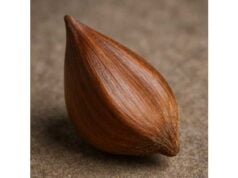
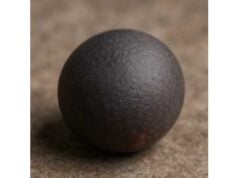
Mustard seeds have powered cuisines for thousands of years, lending bright heat and a nutty backbone to pickles, curries, dressings, and rubs. Beyond flavor, these tiny brassica seeds pack concentrated nutrition: fiber, plant protein, selenium, and a distinctive family of sulfur compounds (glucosinolates) that form pungent isothiocyanates when the seeds are crushed and moistened. You will find white or yellow mustard (Sinapis alba), brown mustard (Brassica juncea), and black mustard (Brassica nigra) in markets; each brings its own intensity and aromatic profile. As a pantry staple, whole seeds store well, grind on demand, and tolerate a wide range of cooking methods—from quick tempering in oil to gentle steeping for condiments. This guide distills what most people want to know: how mustard seeds may support health, how to select and use them, where safety caveats apply, and practical ways to keep their nutrition and flavor at their peak.
At a Glance
- Delivers fiber, plant protein, and essential minerals per small serving (5–10 g).
- Glucosinolate–isothiocyanate system contributes antimicrobial and cardiometabolic benefits.
- Mustard is a regulated allergen; avoid if you have a mustard allergy or severe seed allergies.
- Typical serving: 1–2 teaspoons (5–10 g), used several times per week as a spice.
- People on iodine-restricted diets or warfarin, and infants (choking risk), should use with care.
Table of Contents
- Mustard Seeds: What to Know
- Mustard Seeds Nutrition Profile
- Evidence-Based Benefits of Mustard Seeds
- Risks, Allergies and Interactions
- Selecting, Quality, Sustainability and Storage
- Preparation, Cooking and Nutrient Retention
- Portions, Comparisons and FAQs
Mustard Seeds: What to Know
Mustard seeds come from members of the Brassicaceae family, the same botanical clan as cabbage, kale, and broccoli. In kitchens, three species dominate. White or yellow mustard (Sinapis alba) is mild and slightly sweet, forming the backbone of classic yellow American-style mustard. Brown mustard (Brassica juncea) is sharper and more aromatic, common in Indian and Chinese dishes and in Dijon. Black mustard (Brassica nigra) is the most pungent and is used more sparingly due to intense bite and harvesting challenges.
The seed’s heat and aroma spring from a built-in chemistry set. Inside each seed sit glucosinolates (notably sinigrin in brown and black mustard, and sinalbin in yellow) and the enzyme myrosinase. Crushing or grinding the seed and adding water brings enzyme and substrate together, generating isothiocyanates such as allyl isothiocyanate (AITC). These small, volatile molecules supply mustard’s nasal-clearing pungency, antimicrobial activity, and some of its studied health effects. Temperature, pH, and timing strongly shape the flavor: cool water and a short rest (5–10 minutes) before heating favors pronounced heat; prolonged high heat or very acidic conditions blunt it.
Culinarily, whole seeds are tempered (bloomed) in oil to release nutty aromas for dals, chutneys, and vegetable sautés; cracked seeds are brined for pickles; and ground mustard powder adds structure and emulsification to vinaigrettes and rubs. Because mustard seeds are used as a spice, small amounts go a long way—great for flavor without adding much sodium or sugar.
From a nutrition lens, mustard seeds provide fiber, plant protein, selenium, and magnesium in modest portions, with most of their fat as unsaturated fatty acids. They are naturally gluten-free and fit low-carb, Mediterranean, and plant-forward patterns. Sensible safety caveats still apply: mustard is a regulated allergen in many countries, whole seeds are a choking hazard for infants, and high-erucic-acid mustard oil is restricted in some markets for culinary use. You will find the practical details throughout this guide.
Mustard Seeds Nutrition Profile
Below are typical values for ground mustard seed per 100 g. Actual composition varies by species (yellow vs brown vs black), growing conditions, and processing. Use these figures to compare foods and estimate contributions to daily nutrient needs. %DV values use current adult Daily Values for labeling.
Macros and Electrolytes (per 100 g)
| Nutrient | Amount | %DV |
|---|---|---|
| Energy | 508 kcal | — |
| Protein | 26.1 g | 52% |
| Total fat | 36.2 g | 46% |
| Saturated fat | 2.0 g | 10% |
| Monounsaturated fat | 22.5 g | — |
| Polyunsaturated fat | 10.1 g | — |
| Carbohydrate | 28.1 g | 10% |
| Dietary fiber | 12.2 g | 44% |
| Total sugars | ~7.0 g | — |
| Sodium | 13 mg | 1% |
| Potassium | 738 mg | 16% |
Fats and Fatty Acids (per 100 g)
| Component | Amount |
|---|---|
| Omega-6 linoleic acid (18:2) | ~5.9 g |
| Omega-3 alpha-linolenic acid (ALA, 18:3) | ~3.8 g |
| Oleic acid (18:1) | ~8–14 g |
| Gadoleic acid (20:1) | ~4.0 g |
| Erucic acid (22:1) | variable trace–9 g* |
- Erucic acid occurs naturally in some mustard varieties; culinary use of high-erucic oils is restricted in several jurisdictions. Whole-seed spice use contributes far less erucic acid than cooking oils do.
Vitamins (per 100 g)
| Vitamin | Amount | %DV |
|---|---|---|
| Thiamin (B1) | 0.80 mg | 67% |
| Riboflavin (B2) | 0.26 mg | 20% |
| Niacin (B3) | 4.73 mg | 30% |
| Vitamin B6 | 0.40 mg | 24% |
| Folate (DFE) | 162 µg | 41% |
| Vitamin C | 7.1 mg | 8% |
| Vitamin E (alpha-tocopherol) | 5.1 mg | 34% |
| Vitamin K (phylloquinone) | 5.4 µg | 5% |
| Vitamin A (RAE) | 2 µg | <1% |
Minerals (per 100 g)
| Mineral | Amount | %DV |
|---|---|---|
| Calcium | 266 mg | 20% |
| Iron | 9.2 mg | 51% |
| Magnesium | 370 mg | 88% |
| Phosphorus | 828 mg | 66% |
| Zinc | 6.1 mg | 55% |
| Copper | 0.65 mg | 72% |
| Manganese | 2.45 mg | 106% |
| Selenium | 208 µg | 378% |
Bioactives / Phytonutrients
- Glucosinolates: sinigrin (brown/black) and sinalbin (yellow) that convert to isothiocyanates (e.g., allyl isothiocyanate), contributing antimicrobial and sensory effects.
- Phytosterols: modest amounts that may support cholesterol balance as part of a heart-healthy diet.
- Phenolics: minor compounds with antioxidant capacity.
Allergens and Anti-nutrients
- Mustard is a priority allergen in several regions.
- Like other brassicas, mustard contains glucosinolates with goitrogenic potential in very high intakes; see Safety.
- Phytates are present and can slightly reduce mineral absorption; standard culinary methods mitigate their impact.
Footnote on fortification: Mustard seeds are not typically fortified. Prepared mustards may include salt, acids (vinegar), wine, sugar, turmeric, or colorings—check labels for sodium and additives.
Evidence-Based Benefits of Mustard Seeds
1) Cardiometabolic support (lipids, inflammation).
Mustard seeds are rich in unsaturated fats, including oleic acid and essential fatty acids (linoleic and alpha-linolenic acids). Replacing part of the dietary saturated fat with these fats supports healthier lipid profiles in the context of balanced eating. The seeds also supply fiber (about 12 g per 100 g; 1–2 g per teaspoon-level serving) that contributes to satiety and helps lower LDL cholesterol modestly when eaten regularly alongside other high-fiber foods. Vitamin E and various phenolics add antioxidant capacity that complements these effects.
2) Microbial and food-safety benefits.
Allyl isothiocyanate (AITC), the volatile formed after crushing brown or black mustard, shows broad antimicrobial activity against common foodborne bacteria and molds in experimental systems. In practice, spice-level amounts help inhibit spoilage in pickles and condiments and may contribute to overall safety when used with proper food handling. While the lab effects are clear, culinary doses are best viewed as supportive—not replacements for heat treatment, refrigeration, or hygiene.
3) Glucosinolate–isothiocyanate pathway and cellular protection.
Isothiocyanates activate cell defense pathways (e.g., Nrf2) that up-regulate antioxidant and detoxification enzymes. Diets regularly including brassica vegetables are linked with reduced risk markers for chronic disease. Mustard seeds supply the same chemical family, although the total intake from spice-level use is smaller than that from a full serving of cooked broccoli or cabbage. Still, frequent small exposures—say, a teaspoon in a dressing today and tempered seeds in a dal tomorrow—add to cumulative intake.
4) Digestive comfort and culinary function.
Whole seeds tempered in oil add aroma without bulk, supporting flavorful, lighter dishes. Ground mustard acts as a natural emulsifier, helping dressings cling to leaves and sauces feel creamy with less added fat. The mild heat stimulates salivation and gastric juices, which some people experience as a gentle digestive nudge.
5) Mineral density in small portions.
Mustard seeds provide notable amounts of magnesium, phosphorus, iron, and selenium. Even a 5 g sprinkle can move the needle for shortfall nutrients when combined with nuts, pulses, and whole grains. Because spice servings are small, think cumulative—using mustard several times per week improves your average intake without dramatically increasing calories.
How much is meaningful?
For most adults, using 1–2 teaspoons (5–10 g) per eating occasion, several times a week, is a practical target. This pattern yields steady exposure to the seed’s bioactives and a gradual contribution to fiber and minerals while keeping total calories modest. If you enjoy prepared mustard, choose lower-sodium options and use liberally as a flavor booster.
Risks, Allergies and Interactions
Allergy.
Mustard is a recognized priority allergen in the European Union and United Kingdom. Reactions can occur to seeds, powder, and prepared mustards, and labeling is mandatory in products made with mustard. People with diagnosed mustard allergy should avoid all forms, including hidden sources (spice blends, marinades, condiments, and some processed meats). Cross-contact in restaurants is a realistic concern; ask about ingredients and prep areas. Individuals with non-mustard seed allergies (e.g., sesame, peanut) are not automatically cross-allergic to mustard; testing with a qualified clinician guides safe decisions.
Medication interactions.
- Warfarin (coumadin): Mustard seeds contain only small amounts of vitamin K compared with leafy greens, but consistency still matters. Keep intake steady and coordinate with your clinician for INR monitoring.
- Thyroid considerations: Large, frequent intakes of raw brassica foods provide glucosinolates that can interfere with thyroid hormone synthesis in iodine-deficient individuals. The small amounts used as spice are unlikely to matter for most people with adequate iodine status. If you have hypothyroidism, stay consistent with intake and ensure sufficient iodine from your overall diet.
- Antacids and reflux: Pungent condiments may trigger reflux in sensitive people; test tolerance and adjust portion size.
Special populations.
- Infants and toddlers: Whole seeds are a choking hazard. Introduce mustard flavors via thin spreads of prepared mustard in age-appropriate foods and avoid whole seeds until chewing skills mature.
- Pregnancy and lactation: Culinary use of mustard seeds and prepared mustards is generally considered safe. Avoid ingesting non-culinary mustard essential oils.
- Mustard oil: Some regions restrict high-erucic-acid mustard oil for cooking due to concerns about heart lipid deposition at high, chronic exposures. If you cook with mustard oil, choose products labeled and authorized for edible use in your market, or use tempered seeds and prepared mustards instead.
Food safety and handling.
Ground spices can lose potency and, if contaminated, spoil. Buy from reputable suppliers, store airtight, and discard if musty or stale. Tempering seeds in hot oil is safe; they will pop—use a lid or splatter guard.
Selecting, Quality, Sustainability and Storage
How to select.
- Species and flavor:
- Yellow/white (Sinapis alba): Mild heat, slightly sweet; great for pickling, vinaigrettes, and classic yellow mustard.
- Brown (Brassica juncea): Medium-hot, aromatic; ideal for Dijon, Indian tempering, Chinese pastes.
- Black (Brassica nigra): Very hot, intensely aromatic; use sparingly for explosive pop and fragrance.
- Whole vs ground: Whole seeds preserve volatile oils far better than pre-ground powder. If you love fresh heat, buy whole and grind as needed.
- Freshness cues: Look for uniform color, a faint nutty smell, and dry, free-flowing seeds. Avoid broken, dusty, or damp lots. In powder, seek a strong, clean aroma without mustiness.
Sourcing and sustainability.
Mustard is adapted to temperate, semi-arid regions and is often grown as a rotation crop that can suppress soil pests and reduce fertilizer needs relative to more demanding crops. Canada, India, Nepal, and parts of Europe are major producers. Choosing suppliers that work with integrated pest management and transparent supply chains supports better environmental outcomes. Because spice servings are small, transport contributes only a minor share to mustard’s footprint; storage and waste reduction matter more.
Storage best practices.
- Whole seeds: Airtight jar or tin, cool and dark. Expect 12–18 months of peak flavor; still safe beyond, but potency fades.
- Ground mustard: Store airtight away from heat and light. Use within 3–6 months for best aroma.
- Freezing: Generally unnecessary; moisture condensation risks clumping.
- Prepared mustard: Refrigerate after opening. Most jars keep several months; check labels.
Quality at home.
Invest in a cheap spice grinder or mortar and pestle. Grind just before use, or toast briefly and then grind for a rounder, nuttier flavor. To standardize results, note species, grind size, and rest time with water or vinegar for your favorite recipes.
Preparation, Cooking and Nutrient Retention
Unlocking flavor:
Mustard’s magic happens when you crush the seeds and add water. This couples myrosinase with glucosinolates to create isothiocyanates. A simple workflow:
- Grind or crack whole seeds.
- Hydrate with cool water (or a mix of water and vinegar/wine) to a paste.
- Rest 5–10 minutes to let the reaction run. Cool water and neutral pH keep heat high; acid or prolonged heat tames it.
- Use as is for maximum punch, or fold into a sauce and adjust with acid, salt, or sweet elements to balance.
Tempering seeds (tadka):
- Heat 1–2 teaspoons of neutral oil over medium-high.
- Add ½–1 teaspoon whole mustard seeds; cover—the seeds will crackle and pop in 10–20 seconds.
- Add aromatics (garlic, curry leaves, dried chiles), then vegetables or lentils.
- This step releases fat-soluble flavors without relying on large oil volumes.
Pickling and condiments:
- Quick pickles: Soften vegetables with salt and sugar, then pour over a hot brine flavored with cracked mustard seeds, coriander, and peppercorns.
- Dijon-style paste: Combine ground brown mustard with white wine and vinegar; rest 10 minutes, then season with salt and perhaps honey.
- Whole-grain mustard: Soak whole yellow and brown seeds overnight in vinegar and water (1:1), then pulse to your preferred texture.
Nutrient retention tips:
- Heat management: Prolonged high heat destroys myrosinase; crush seeds and rest before cooking, or sprinkle a little fresh ground mustard at the end to re-introduce active enzymes.
- Pairing: Adding a bit of raw mustard (or another myrosinase source like raw radish or arugula) to cooked brassicas can boost isothiocyanate formation.
- Sodium awareness: Seeds are naturally low in sodium; prepared mustards can vary widely. Choose low-sodium styles or dilute with yogurt, tahini, or water when using large spoonfuls.
Culinary ideas by cuisine:
- Indian: Temper mustard seeds with cumin and curry leaves for potato, cabbage, or lentil dishes.
- European: Make a pan sauce by whisking ground mustard into the deglazed fond with wine and stock; finish with herbs.
- East Asian: Stir together mustard powder, soy sauce, and rice vinegar for a sharp dipping sauce.
- American: Build a rub with ground mustard, paprika, brown sugar, and black pepper for chicken or tofu; spritz with cider vinegar during cooking.
Portions, Comparisons and FAQs
Practical portions.
- Everyday use: 1–2 teaspoons (5–10 g) of whole or ground seeds per dish, several times per week.
- Prepared mustard: 1–2 tablespoons in dressings, marinades, and sauces; choose lower-sodium options if using frequently.
- Athletes and active adults: Mustard provides flavor with minimal bulk, helping keep meals light while preserving appetite for carbohydrate and protein mainstays.
How mustard seeds compare to other seeds (per 100 g, typical):
- Mustard vs sesame: Mustard is lower in total fat and calcium than sesame but provides more selenium and comparable iron.
- Mustard vs flax: Flax provides more omega-3 ALA and fiber; mustard offers pungency and antimicrobial isothiocyanates with less mucilage.
- Mustard vs chia: Chia tops fiber and ALA; mustard contributes heat and cooking versatility where chia stays neutral.
Budget tips.
Buy whole seeds in bulk from high-turnover spice shops; store in smaller airtight jars at home. Grind only what you need. Prepared mustard is inexpensive per serving and keeps well—great for quick weeknight cooking.
Special diets.
- Gluten-free: Seeds are naturally gluten-free; check for cross-contact and vinegar sources in prepared mustard.
- Low-FODMAP: Small spice portions are generally tolerated; as always, individual thresholds vary.
- Keto and low-carb: Flavor-dense, carbohydrate-sparing; track any added sugars in prepared mustards.
- Vegan and vegetarian: A staple for emulsifying dressings and adding savory depth without animal products.
FAQs
Are yellow, brown, and black mustard nutritionally different?
Minor differences exist, but all are similar for macros and minerals. Flavor and pungency are the biggest differences: yellow is mild, brown stronger, black strongest.
Can I replace prepared mustard with ground seed?
Yes. Mix ground mustard with water (and optionally vinegar) to a paste and rest 5–10 minutes before using. Add salt and other seasonings to taste.
Do I lose benefits if I cook the seeds?
Heat reduces myrosinase activity and volatile isothiocyanates. To preserve some benefits, crush and hydrate seeds, rest briefly, then add late in cooking—or finish the dish with a small amount of fresh ground mustard.
What about mustard oil?
Check regional rules. High-erucic-acid mustard oil is restricted for culinary use in some markets. If permitted where you live, use in moderation. Otherwise rely on tempered seeds, prepared mustards, or blends clearly labeled for edible use.
References
- Nutrition Facts for Ground Mustard Seed 2024 (Database).
- Erucic acid in feed and food 2016 (Scientific Opinion).
- The antibacterial properties of isothiocyanates 2015 (Review).
- Glucosinolates From Cruciferous Vegetables and Their Potential Role in Chronic Disease: Investigating the Preclinical and Clinical Evidence 2023 (Systematic Review).
- 14 Allergens 2022 (Guidance).
Disclaimer
This guide is educational and is not a substitute for personalized medical advice, diagnosis, or treatment. If you have a mustard allergy, thyroid disease, are pregnant, or take medications such as warfarin, consult your healthcare professional before changing your diet. Ingredient lists and regulations vary by country—always check product labels and follow local guidance.
If you found this helpful, please consider sharing it on Facebook, X (formerly Twitter), or your favorite platform—your support helps us keep creating clear, trustworthy nutrition resources.