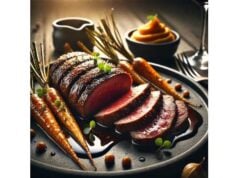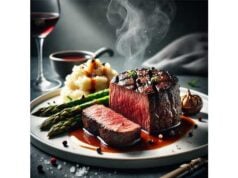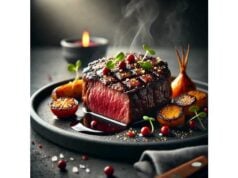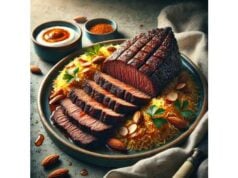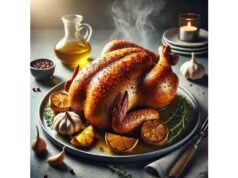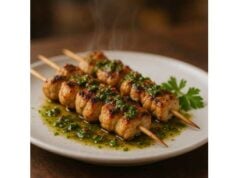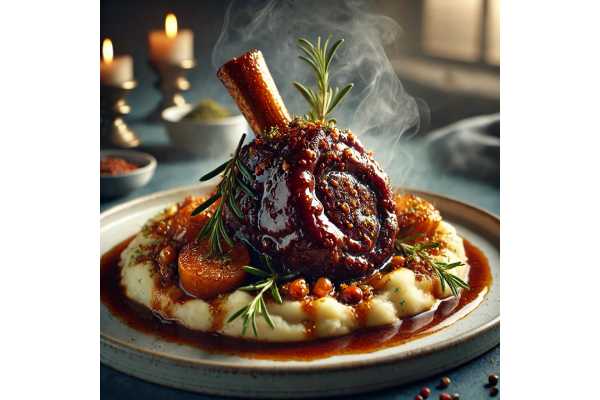
Mutton is the richly flavored meat from mature sheep. Compared with lamb, mutton has a deeper taste, firmer texture, and a nutritional profile that suits people seeking high-quality protein, iron, zinc, and vitamin B12 in one compact serving. In home kitchens from Central Asia to the Mediterranean and the British Isles, it thrives in long-simmered stews, fragrant biryanis, spiced roasts, and smoky grills. When you choose lean cuts, trim visible fat, and cook gently, mutton can be both satisfying and balanced. This guide translates the science into practical steps: how to shop for quality and sustainable options, read nutrition tables, cook for tenderness with minimal nutrient loss, and plan sensible portions for your week. You will also learn where mutton fits among other red meats, who should limit it, and how to handle it safely. Whether you are curious about the differences between mutton and lamb, or want to elevate a family curry, here is a people-first look at this classic meat with clear, evidence-aware advice you can use tonight.
Quick Overview
- Lean mutton provides complete protein, heme iron, zinc, and vitamin B12 in a compact 100 g cooked serving.
- Main safety caveats: undercooking raises foodborne risk; frequent high-heat charring raises undesirable compounds.
- Typical portion: 85–100 g cooked, up to 2–3 times weekly within overall red meat limits.
- People with alpha-gal syndrome, gout, or very high LDL cholesterol should limit or avoid mutton.
Table of Contents
- Mutton 101: Detailed Overview
- Mutton Nutrition Profile (per 100 g)
- Evidence-Based Health Benefits
- Risks, Allergies and Interactions
- Selecting, Quality, Sustainability and Storage
- Preparation, Cooking and Nutrient Retention
- Portions, Comparisons and FAQs
Mutton 101: Detailed Overview
Mutton is meat from adult sheep, typically older than two years. Age changes the muscle: fibers are more developed, connective tissue is stronger, and the flavor concentrates, giving mutton its hallmark depth—gamey to some palates, complex and savory to others. In culinary terms, that means it excels in moist heat and slower cooking. Cuts like shoulder, leg, neck, and shank break down beautifully in long braises, while semi-trimmed leg roasts deliver dense, satisfying slices when cooked gently and rested well.
Nutritionally, mutton is a compact source of complete protein and key micronutrients that many people under-consume, notably vitamin B12 (important for red blood cells and nerve function), zinc (immune function and enzyme systems), iron (oxygen transport), and selenium (antioxidant enzymes). Because those nutrients occur in bioavailable forms (heme iron, meat zinc), mutton can efficiently raise intakes without large portions. Its fat profile varies with cut and trimming: shoulder and rib areas are richer in fat than leg or loin; slow, moist cooking renders and separates some fat, which you can easily skim.
From a health perspective, how you include mutton matters as much as how much you eat. Choosing leaner cuts, trimming visible fat, favoring stewing, braising, and oven roasting over frequent deep-frying or high-charring, and balancing your week with legumes, whole grains, vegetables, and seafood aligns mutton with prudent patterns. As with all red meat, consider weekly totals rather than daily spikes, and minimize processed forms like cured sausages.
Culturally, mutton has deep roots: Kashmiri rogan josh, Persian abgoosht, Scottish hot pot, Greek kokkinisto, North African tagines, and Caribbean curries each showcase how spice, acid, and long heat transform tougher cuts into silky, aromatic dishes. Those same techniques work at home: marinate with yogurt, vinegar, citrus, or wine; build a spice base; add liquid; simmer low until fork-tender; and rest to reabsorb juices. With these choices, mutton becomes both heritage cuisine and modern, nutrient-forward comfort food.
Mutton Nutrition Profile (per 100 g)
Below are representative values for cooked, roasted, lean mutton (boneless, trimmed). Actual numbers vary by cut, trimming, animal diet, and cooking method. %DV uses adult Daily Values on a 2,000 kcal diet.
Macros & Electrolytes (per 100 g)
| Nutrient | Amount | %DV |
|---|---|---|
| Energy | 230 kcal | — |
| Protein | 29.0 g | 58% |
| Total Fat | 12.0 g | 15% |
| Saturated Fat | 5.0 g | 25% |
| Carbohydrate | 0.0 g | 0% |
| Fiber | 0.0 g | 0% |
| Sodium | 60 mg | 3% |
| Potassium | 300 mg | 6% |
| Water | ~60 g | — |
Fats & Fatty Acids
| Nutrient | Amount | %DV |
|---|---|---|
| Monounsaturated Fat | 5.0 g | — |
| Polyunsaturated Fat | 0.7 g | — |
| Omega-3 (ALA + long-chain) | ~0.1–0.2 g | — |
| Omega-6 (LA) | ~0.4 g | — |
| Cholesterol | 95 mg | 32% |
Protein & Amino Acids
| Item | Note |
|---|---|
| Protein Quality | Complete amino acid profile; high lysine, leucine, and methionine supports muscle protein synthesis. |
| Collagen/Gelatin | Higher in shoulder, shank, neck; slow cooking converts collagen to gelatin, improving mouthfeel. |
Vitamins
| Vitamin | Amount | %DV |
|---|---|---|
| Vitamin B12 (cobalamin) | 2.6 µg | 108% |
| Niacin (vitamin B3) | 6.0 mg | 38% |
| Vitamin B6 (pyridoxine) | 0.35 mg | 21% |
| Riboflavin (vitamin B2) | 0.30 mg | 23% |
| Thiamin (vitamin B1) | 0.10 mg | 8% |
| Vitamin D | Trace | — |
Minerals
| Mineral | Amount | %DV |
|---|---|---|
| Iron (heme) | 2.8 mg | 16% |
| Zinc | 4.5 mg | 41% |
| Selenium | 25 µg | 45% |
| Phosphorus | 220 mg | 18% |
| Magnesium | 25 mg | 6% |
Glycemic & Acid–Base Metrics
- Glycemic impact: None (virtually zero carbohydrate).
- PRAL (acid load): Animal proteins contribute to dietary acid load; balance with vegetables/fruit and adequate calcium/potassium.
Contaminants/Residues (context)
- Residual antibiotics and parasites are minimized through regulated production and thorough cooking. Avoid cross-contamination and cook to safe internal temperatures.
Notes: Values reflect lean, cooked mutton. Fat, cholesterol, and some vitamins/minerals change with cut, trimming, and cooking. Long-chain omega-3 content increases with pasture-feeding; values above are typical ranges for conventional diets.
Evidence-Based Health Benefits
1) High-quality protein for strength and repair.
Mutton supplies all essential amino acids in ratios that stimulate muscle protein synthesis—especially leucine and lysine. For active adults and older adults, a cooked 100 g portion (about the size of a deck of cards) provides around half a day’s protein target. Including mutton in mixed meals (e.g., with legumes or grains) optimizes overall amino acid balance and satiety.
2) Bioavailable heme iron supports energy.
Iron from mutton is predominantly heme iron, which the body absorbs more efficiently than plant iron. That can help maintain hemoglobin and reduce fatigue in iron-vulnerable groups (e.g., some menstruating women). Pairing mutton with vitamin C sources (tomatoes, peppers, lemon) can further enhance iron uptake from plant sides served alongside.
3) Vitamin B12 and zinc for nerves and immunity.
A small serving commonly covers or exceeds daily B12 needs and contributes meaningful zinc. B12 is crucial for red blood cell formation and nerve myelination; zinc supports immune cells and wound healing. In dietary patterns that limit or exclude other animal foods, occasional mutton can help fill these gaps.
4) Creatine, carnosine, and taurine for performance and cellular defense.
Ruminant meats naturally contain creatine (rapid energy for muscle), carnosine (buffering and antioxidant roles), and taurine (cell membrane stability), which collectively may support exercise capacity and reduce exercise-induced fatigue. While the body can synthesize these, dietary sources can be advantageous for some individuals.
5) Satiety and weight management support when portions are sensible.
Gram for gram, protein promotes fullness more than carbohydrate or fat. Lean mutton in vegetable-rich meals can reduce between-meal snacking. Slow-cooked preparations with legumes and vegetables extend volume and fiber without excessive calories.
6) Nutrient density relative to portion size.
Per 100 g, mutton concentrates B vitamins, selenium, and zinc more than many other proteins. Choosing lean cuts and trimming visible fat lets you access this nutrient density with fewer calories from fat.
7) Potentially higher omega-3 when pasture-fed.
Sheep raised on pasture tend to contain modestly higher omega-3 polyunsaturated fats. Though not a substitute for oily fish, pasture-raised mutton can make a small, incremental contribution to omega-3 intake.
How to realize these benefits: Favor lean cuts (leg, trimmed shoulder), cook low and slow, pair with vegetables and whole grains, and plan portions across the week rather than relying on large single servings.
Risks, Allergies and Interactions
Red meat frequency and chronic disease context.
Public health recommendations consistently advise limiting red meat to moderate weekly amounts, with a strong emphasis on minimizing processed meat. Keeping mutton as an occasional feature (rather than a daily staple) aligns with long-term risk reduction goals.
Saturated fat and cholesterol.
Fat content varies widely by cut and trimming. Regularly choosing fattier cuts and cooking methods that add saturated fat (deep-frying, heavy cream sauces) can raise LDL cholesterol in some people. If you have elevated LDL, select lean cuts, trim visible fat, skim stewing liquids, and cook with unsaturated oils in small amounts.
High-heat cooking byproducts.
Frequent heavy charring and high-temperature frying can generate heterocyclic amines (HCAs) and polycyclic aromatic hydrocarbons (PAHs). Reduce formation by marinating with acidic, herb-rich mixtures, pre-cooking gently before searing, avoiding flare-ups, and limiting dark char.
Foodborne illness and parasites.
Undercooked mutton and poor handling can transmit pathogens. Use a thermometer to reach safe internal temperatures, rest the meat appropriately, and keep raw juices separate from ready-to-eat foods. Reheat leftovers thoroughly.
Allergy: alpha-gal syndrome.
A tick-induced sensitivity to the carbohydrate alpha-gal can trigger delayed allergic reactions after eating mammalian meat (including mutton). Anyone with suspected alpha-gal should avoid mammalian meats and consult an allergist.
Purines and gout.
Mutton contains purines that can elevate uric acid. If you have gout, keep portions small, emphasize vegetables and whole grains, stay hydrated, and follow your clinician’s plan.
Pregnancy considerations.
Avoid raw or undercooked mutton, pâtés, and unpasteurized products. Ensure mutton is fully cooked and reheated leftovers are steaming hot.
Medication timing caveats.
Very iron-rich meals can interfere with the absorption of certain medications (for example, some antibiotics or levodopa). Your pharmacist can advise on timing—often separating the drug from iron-rich meals by several hours.
Who should limit or avoid mutton:
- Individuals with alpha-gal syndrome.
- Those with very high LDL cholesterol who are advised to restrict saturated fat.
- People with gout during acute flares.
- Pregnant individuals unless meat is thoroughly cooked and handled safely.
Selecting, Quality, Sustainability and Storage
How to identify quality mutton at the counter
- Color & marbling: Look for a deep red color with fine, even marbling. Excessive surface fat can be trimmed at home; focus on lean-to-fat balance.
- Texture: Firm and fine-grained; avoid cuts with a sticky surface or off odors.
- Cut choice:
- Leg (whole, steaks, cubes): Leaner and versatile for roasting, stewing, kebabs.
- Shoulder/neck: Flavorful, higher connective tissue; best for braises, curries, and slow cooker dishes.
- Shank: Gelatin-rich, ideal for long braises.
- Ribs/breast: Rich and fatty; occasional treats rather than weekly staples.
Reading labels
- Age terminology: “Mutton” indicates mature sheep; “lamb” is younger.
- Feeding systems: “Pasture-raised” or “grass-fed” may deliver a slightly leaner fat profile and modestly higher omega-3 content.
- Traceability & welfare: Certifications and local producer information can indicate better handling, nutrition, and antibiotic stewardship.
Sustainability lens
- Use the whole cut: Opt for bone-in roasts or trim-and-save bones for broth to reduce waste.
- Choose regional: Local sourcing reduces transport emissions and supports transparent supply chains.
- Balance the week: Offset red meat days with legumes, fish, and plant-forward meals to diversify environmental and nutrition footprints.
- Portion mindfulness: Smaller, purposeful servings reduce waste while meeting nutrient needs.
Storage and handling
- Refrigeration (≤4°C): Cook or freeze within 3–5 days for whole cuts; 1–2 days for ground mutton.
- Freezing (≤−18°C): Best quality within 6–9 months when well wrapped; label with date and cut.
- Thawing: Prefer refrigerator thawing; keep drippings contained. If using cold water or microwave thawing, cook immediately.
- Leftovers: Refrigerate promptly; reheat to steaming hot and consume within 3–4 days.
Budget tips
- Buy larger shoulder or leg roasts on sale, cube and freeze in 300–500 g packs for weeknight curries or stews. Pressure-cook tougher cuts to save energy and time.
Preparation, Cooking and Nutrient Retention
Tenderness strategy for mature meat
- Marinate smartly: Acids (yogurt, lemon, vinegar) and enzymes (kiwi, papaya) help loosen muscle fibers; add salt later in long marination to avoid curing effects.
- Low and slow: Braising, stewing, or low-oven roasting (e.g., 150–165°C) dissolves collagen into gelatin, turning tough cuts silky.
- Moisture management: Sear briefly for flavor, then cook covered with liquid. Rest roasts 10–15 minutes to redistribute juices.
Flavor architecture
- Spice bases that love mutton: Cumin, coriander, black pepper, cinnamon, cloves, bay, fennel, Kashmiri chili, rosemary, garlic, thyme.
- Acid and aromatics: Tomato, wine, yogurt, pomegranate molasses, or vinegar brighten richness; mint and cilantro cut heaviness.
- Salt timing: Season in layers—lightly at sear, adjust near the end after reduction.
Fat mindfulness without losing satisfaction
- Trim visible external fat before cooking; render and skim during braises. Chill stews overnight, lift solid fat, reheat and finish with herbs or lemon zest for freshness.
- Prefer roasting on a rack or braises where fat separates; reserve a tablespoon of flavorful fat to bloom spices instead of adding butter.
Safety temperatures and resting
- For whole cuts like leg or chops, cook to a safe internal temperature and rest before carving to complete pathogen kill steps and retain juices.
- Ground mutton and casseroles should be cooked to higher internal temperatures.
- Always verify with a digital thermometer; color is not a reliable indicator.
Retaining nutrients
- Minerals & B vitamins: Keep and serve cooking liquids (stews, braises) where water-soluble nutrients collect.
- Avoid repeated reheating: Batch-cook, cool fast, and reheat portions once.
- Cut size: Larger chunks lose fewer juices; dice only as small as necessary.
- Cookware: Heavy pots with tight lids reduce evaporation and scorching; pressure cooking shortens time and preserves moisture.
Example blueprint: Weeknight mutton curry (serves 4)
- Marinate 600 g trimmed mutton shoulder cubes with yogurt, lemon, grated garlic/ginger, and ground cumin/coriander (30–60 minutes).
- Sear lightly, add onion–tomato–spice base, cover with water, and simmer gently 70–90 minutes until fork-tender.
- Skim fat, finish with garam masala, chopped cilantro, and a squeeze of lemon. Serve with brown rice and a cucumber salad.
Portions, Comparisons and FAQs
How much mutton is a sensible serving?
A practical cooked portion is 85–100 g (3–3½ oz). Plan 2–3 servings per week at most, especially if you eat other red meats, to stay within prudent weekly totals. Balance your week with legumes, fish, poultry, whole grains, and vegetables.
Mutton vs. lamb vs. goat
- Mutton (adult sheep): deeper flavor, more connective tissue; shines in slow cooking; nutrient-dense with notable B12, zinc, and iron.
- Lamb (younger sheep): milder flavor, often more tender; fat profile varies by cut; similar micronutrient spectrum.
- Goat: typically leaner with slightly lower fat; distinctive flavor; protein and iron comparable, often lower saturated fat.
Best cuts for common dishes
- Curries and tagines: shoulder, neck, shank.
- Roasts: leg (whole or semi-boned), shoulder roast.
- Grilling: leg steaks or butterflied leg (marinate, avoid over-charring).
- Kebabs: lean leg cubes with yogurt–spice marinade; skewer with vegetables to manage portion size.
Can mutton fit a heart-conscious diet?
Yes—choose lean cuts, trim fat, cook with moisture and moderate oil, pair with high-fiber sides, and keep weekly amounts modest. If you are managing high LDL cholesterol, make mutton an occasional feature rather than a frequent staple.
Is mutton okay during pregnancy?
Yes if fully cooked and handled safely. Avoid pâtés and any undercooked meat. Store and reheat carefully.
What about gout?
Keep portions small, hydrate, and limit to occasional servings. Emphasize plant-rich meals and follow your clinician’s advice.
Any tips for reducing “gamey” flavor?
Trim surface fat thoroughly (flavor concentrates in fat), use tangy marinades (yogurt, lemon), cook with aromatic spices, and finish with fresh herbs and citrus.
Smart swaps
If you want a similar experience with less saturated fat, try goat or a half-and-half blend of mutton and mushrooms/lentils in stews and mince dishes.
References
- Cook to a Safe Minimum Internal Temperature 2024
- Limit consumption of red and processed meat 2025
- About Alpha-gal Syndrome 2025
- Foods to avoid in pregnancy 2021
- Fresh Beef and Lamb Consumption in Relation to Nutrient Intakes and Markers of Nutrition and Health Status among the Population Aged 5–90 Years in Ireland 2023
Disclaimer
This article is educational and does not replace personalized medical advice. Nutrition and food safety needs vary by age, medical history, medications, allergies, and pregnancy status. Always consult a qualified healthcare professional or registered dietitian for guidance tailored to you.
If you found this helpful, please consider sharing it with friends or colleagues on Facebook, X (Twitter), or any platform you prefer. Your support helps us keep creating thoughtful, high-quality guides.