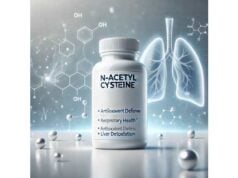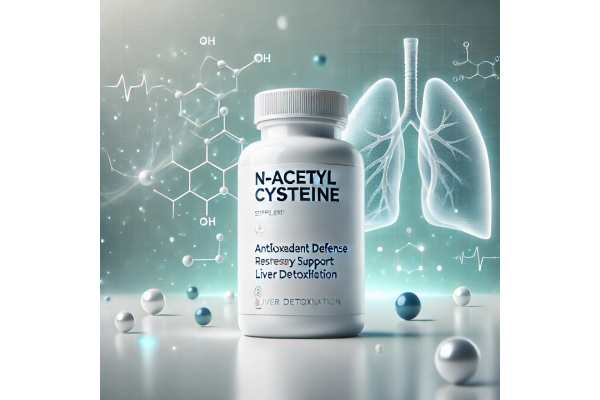
N-acetylcysteine (NAC) is one of the most versatile compounds in modern medicine and nutrition. It has been used for decades in hospitals as a life-saving antidote for acetaminophen (paracetamol) overdose and as a mucolytic drug to thin thick mucus in the lungs. Outside the hospital, NAC is sold as a supplement for antioxidant support, respiratory health, and even brain and mood support. At its core, NAC is a modified form of the amino acid cysteine that helps the body build glutathione, one of the most important internal antioxidants.
In this article, you will learn what NAC actually is, how it works in your body, which benefits are well established, and where the evidence is still developing. You will also find practical guidance on typical oral dosages, how long it is usually taken, and the side effects and precautions you should know about before using it on your own or discussing it with a healthcare professional.
Key Insights on N-acetylcysteine
- NAC supports glutathione production and helps thin thick mucus in the lungs, which can benefit respiratory and oxidative stress related conditions.
- Oral NAC is generally used in the range of 600–1,800 mg per day for antioxidant and respiratory support, with some supervised uses up to 2,400–3,000 mg per day.
- The most common side effects are nausea, stomach upset, and unusual sulfur-like odor, while serious reactions are mainly linked to high-dose intravenous use.
- People with asthma, active peptic ulcers, severe kidney or liver disease, or those taking nitroglycerin should only use NAC under medical supervision.
- NAC is an approved antidote for acetaminophen overdose, but this emergency treatment must be guided by hospital protocols, not self-treatment.
Table of Contents
- What is N-acetylcysteine?
- How N-acetylcysteine works in the body
- Benefits and common medical uses
- Oral N-acetylcysteine dosage guide
- Side effects, interactions, and precautions
- What science says about N-acetylcysteine
What is N-acetylcysteine?
N-acetylcysteine is the acetylated form of the amino acid L-cysteine. Adding an acetyl group slightly changes the molecule’s structure in a way that improves its stability and absorption when taken by mouth. Once absorbed, NAC is converted back to cysteine, which your cells then use to make glutathione, a central antioxidant and detoxifying molecule throughout the body.
Clinically, NAC is classified as a medication rather than a simple supplement. It appears on major essential-medicine lists because of its role as the primary antidote for acetaminophen overdose and its long history as a mucolytic drug in respiratory diseases. At the same time, in many countries it is also sold as an over-the-counter supplement for general antioxidant and liver support, although regulations have been tightening in some regions.
NAC exists in several formulations:
- Intravenous solutions for hospital use, especially in acute poisonings.
- Oral solutions and tablets used both in hospitals and at home.
- Inhaled solutions, mainly for specialized respiratory care.
In supplement form, NAC is most often found in 300–600 mg capsules or tablets. The dose chosen depends heavily on the goal: occasional antioxidant support, ongoing lung health, or higher doses used as an adjunct in psychiatric or neurological research.
It is important to distinguish NAC from plain L-cysteine and from other cysteine-based compounds. L-cysteine is present in protein-rich foods such as poultry, eggs, dairy, and legumes. NAC is not found in food; it is a synthetic derivative designed for medical purposes. While your body can make glutathione from dietary proteins alone, NAC provides an efficient, concentrated source of cysteine that can boost glutathione in specific situations where demand is high or oxidative stress is increased.
Because NAC sits at the intersection of medicine and supplementation, it is best viewed as a therapeutic tool rather than a general wellness pill. Its benefits are clearest when there is a defined need for increased antioxidant capacity or mucus clearance, or when a clinician uses it in a protocol with proven benefit.
How N-acetylcysteine works in the body
The most important role of N-acetylcysteine is its ability to raise glutathione levels inside cells. Glutathione is a small molecule made of three amino acids, with cysteine as the crucial limiting component. When your body has enough cysteine, it can rebuild glutathione more effectively, which helps neutralize reactive oxygen species and maintain redox balance. NAC provides a form of cysteine that is efficiently taken up and processed to support this system.
Beyond its role as a precursor, NAC also has direct antioxidant effects through its free sulfhydryl (–SH) group. This chemical feature allows NAC to interact with certain oxidants and electrophiles, helping to protect proteins and membranes from damage. In addition, NAC can affect signaling pathways linked to inflammation, such as nuclear factor kappa B (NF-κB), leading to reduced production of inflammatory cytokines like interleukin-6 and tumor necrosis factor alpha in some contexts.
In the respiratory tract, NAC acts as a classic mucolytic. Thick, sticky mucus owes much of its structure to disulfide bonds between mucin proteins. The sulfhydryl group of NAC can reduce these bonds, making mucus less viscous and easier to clear by coughing or ciliary movement. This mechanism explains its long-standing use in chronic bronchitis, chronic obstructive pulmonary disease (COPD), bronchiectasis, and cystic fibrosis, especially at doses taken consistently over months.
In the brain, NAC has several potentially relevant actions. It supports glutathione defenses in neurons and glial cells, which is important because oxidative stress and redox imbalance are implicated in many psychiatric and neurodegenerative conditions. NAC also influences glutamate transmission by modulating cystine–glutamate exchange across cell membranes. This can help stabilize excitatory signaling, which may explain why NAC has been studied as an adjunctive treatment in disorders such as schizophrenia, depression, obsessive-compulsive disorder, and addictions.
Pharmacokinetically, oral NAC is absorbed in the small intestine and undergoes first-pass metabolism in the liver. Peak blood levels are typically reached within one to two hours, and the half-life is relatively short, which is why divided doses are often used. Bioavailability is modest, but adequate for systemic effects when repeated doses are taken. In conditions like acetaminophen poisoning, much higher oral or intravenous doses are used to rapidly replenish hepatic glutathione and bind toxic metabolites before they damage liver cells.
These various mechanisms mean that NAC is not a simple “antioxidant pill” but a compound that influences redox balance, inflammation, mucus properties, and neurotransmission in parallel.
Benefits and common medical uses
N-acetylcysteine has both well-established medical uses and a growing list of areas where research is still emerging. It is helpful to distinguish between these categories so expectations stay realistic.
One of the clearest, strongest indications is treatment of acetaminophen overdose. In this setting, NAC is used as an antidote to prevent or limit liver damage. It does so by replenishing glutathione in the liver and directly interacting with the toxic metabolite of acetaminophen. Timing is critical, and protocols use high intravenous or oral doses based on body weight. This is strictly a medical emergency treatment and must follow established hospital or poison control guidelines rather than self-administration.
In chronic respiratory disease, NAC has been used for decades as a mucolytic and antioxidant. In people with chronic bronchitis or COPD, regular oral NAC (often 600–1,200 mg per day and sometimes higher) has been associated with less viscous sputum, easier expectoration, and, in some studies, reduced frequency or severity of exacerbations. Benefits seem most apparent with long-term, consistent use rather than short courses. Patients with bronchiectasis or cystic fibrosis may also be candidates, though treatment in these conditions should be specialist-guided.
Another major area of interest is mental health. Trials of NAC as an adjunctive treatment have been conducted in schizophrenia, bipolar depression, major depressive disorder, obsessive-compulsive disorder, trichotillomania, and substance use disorders. Results vary by condition and study design. Some trials report modest improvements in negative symptoms of schizophrenia, depressive symptoms, or obsessive-compulsive symptoms when NAC is added to standard therapy, often after several months of continuous use at doses around 2,000–2,400 mg per day. Other trials show limited or no benefit, highlighting the need for larger, longer, and better-targeted studies.
Additional potential applications are being explored:
- Metabolic and cardiovascular support, including effects on oxidative stress markers and endothelial function.
- Male fertility, where NAC has been studied for sperm quality and oxidative damage.
- Support in certain liver diseases or kidney-related oxidative stress.
- Adjunctive roles in infectious and inflammatory diseases characterized by high oxidative burden.
For most of these emerging uses, evidence ranges from promising preclinical studies to small or moderate-sized clinical trials. Overall, NAC appears more likely to serve as an adjunct, enhancing existing therapies or targeting specific mechanisms like oxidative stress, rather than acting as a stand-alone cure. When used thoughtfully, though, it can add a useful layer of support in conditions where redox imbalance and inflammation play clear roles.
Oral N-acetylcysteine dosage guide
There is no single “right” dose of NAC for everyone. Appropriate dosing depends on why it is being used, the person’s age and body weight, coexisting medical conditions, and whether NAC is taken as a supplement or prescribed medication.
For general antioxidant or wellness-oriented use in adults, typical oral doses range from 600 to 1,200 mg per day, often split into one or two doses. Many commercial products provide 600 mg per capsule, so common patterns are 600 mg once daily, or 600 mg twice daily during periods of higher oxidative stress (for example, during illness or intensive training), assuming no contraindications.
In chronic respiratory conditions such as chronic bronchitis or COPD, doses of 600–1,200 mg per day are widely used, and some protocols go up to about 1,800 mg per day. Benefits tend to appear after weeks to months rather than days, so NAC is usually taken continuously for extended periods under medical supervision. In some studies of high-risk patients, longer-term dosing has been associated with fewer exacerbations and improved mucus clearance.
For psychiatric and neurological research uses, higher doses are common. Many clinical trials have used 2,000–2,400 mg per day, divided into two or three doses, as an adjunct to standard medications. These higher intakes should be decided and monitored by a psychiatrist or neurologist who is familiar with the evidence and potential interactions.
To give a sense of how dosing is often approached in adults:
- Routine antioxidant or general support
- 600 mg once daily, or 600 mg twice daily.
- Respiratory support (for example, chronic bronchitis or COPD)
- 600 mg twice daily, or 600 mg three times daily, depending on severity and physician guidance.
- Psychiatric adjunct (under specialist care)
- Around 2,000–2,400 mg per day, split into two or three doses, typically for several months.
Practical tips for taking NAC include swallowing capsules with water, preferably with food if stomach upset occurs. The compound has a characteristic sulfur-like odor and taste that some people find unpleasant; using coated tablets or swallowing promptly with a flavored drink can help.
Pediatric dosing and any high-dose use in serious diseases should be guided by a physician using weight-based calculations and established protocols. The high-dose regimens used for acetaminophen overdose are specific medical treatments and should never be improvised at home. People with significant kidney or liver impairment, active peptic ulcer disease, or asthma should not start NAC without professional advice, as dose adjustments or alternative strategies may be needed.
Side effects, interactions, and precautions
N-acetylcysteine has an extensive safety record, but like any biologically active compound, it can cause side effects and has some important cautions.
When taken orally at typical supplement or mucolytic doses, the most frequent side effects are gastrointestinal. These include nausea, heartburn, abdominal discomfort, bloating, and diarrhea. These effects are often dose-related and may improve if the dose is reduced or taken with food. The distinctive sulfur-like smell of NAC and its metabolites can also lead to complaints of bad breath or body odor, although this is not dangerous.
Headache, fatigue, or mild dizziness are occasionally reported. Serious adverse reactions are more commonly associated with high-dose intravenous NAC used in hospital settings. In that context, some patients experience anaphylactoid reactions characterized by flushing, itching, wheezing, or low blood pressure, which require immediate management but are usually reversible. These reactions are much less common with oral use at standard doses.
There are several notable interactions and special precautions:
- Nitroglycerin and related nitrates: NAC can enhance the vasodilating effect of nitroglycerin, potentially improving blood flow but also increasing the risk of headache and low blood pressure. Combination therapy has been studied and should only be used under medical supervision.
- Antihypertensive and vasodilator drugs: Because NAC may modestly affect vascular tone, there is a theoretical risk of additive blood pressure lowering, especially at higher doses.
- Laboratory interference: NAC can cause false-positive results in some urine ketone tests and may affect certain coagulation measurements in specific laboratory methods.
People who should be particularly cautious include:
- Individuals with asthma or a history of bronchospasm, as NAC (especially in inhaled form) may provoke airway narrowing in rare cases.
- Those with active peptic ulcer disease, because NAC can influence histamine release and may worsen symptoms in theory.
- Patients with severe kidney or liver impairment, who may process NAC differently and need individualized dosing.
- Anyone with a known previous allergic or serious adverse reaction to NAC.
During pregnancy and breastfeeding, NAC has been used in emergency settings such as acetaminophen overdose, where the benefit clearly outweighs potential risks. However, routine supplemental use in these periods should be discussed with a physician, as high-quality data for long-term use are still limited.
As with any supplement, it is wise to review your full medication list with a healthcare professional before starting NAC, particularly if you are on complex regimens, have chronic disease, or are considering higher doses.
What science says about N-acetylcysteine
The scientific literature on N-acetylcysteine is large and diverse, ranging from basic chemistry to large clinical trials. Overall, the evidence profile is mixed but promising, with some areas of strong support and others where research is ongoing and results are inconsistent.
The most firmly established clinical role of NAC is in acetaminophen overdose. Here, multiple decades of data show that timely administration of NAC significantly reduces the risk of severe liver injury and the need for liver transplantation. This indication is widely accepted and embedded in toxicology guidelines.
In chronic respiratory diseases, a long history of trials and more recent systematic reviews support the use of NAC as a mucolytic and antioxidant, particularly in chronic bronchitis and COPD. These studies suggest that regular NAC can reduce sputum thickness, improve symptoms in some patients, and may modestly lower the rate of exacerbations, especially in people with frequent flare-ups. The magnitude of benefit is generally moderate, and not all studies are positive, but the risk profile is favorable, making NAC a reasonable option in selected patients under medical care.
For psychiatric and neurological disorders, the evidence is still emerging. Reviews of clinical trials indicate that NAC may offer benefit as an add-on treatment in conditions such as schizophrenia, bipolar depression, major depressive disorder, obsessive-compulsive disorder, and certain addictions, but the effect sizes are often small to moderate, and results are not uniformly positive. Benefits, when present, tend to appear after prolonged use, commonly several months at higher daily doses. Researchers highlight the need for larger, better-powered, and more targeted studies to identify which patients are most likely to benefit.
In other areas, including metabolic health, cardiovascular disease, chronic pain, and autoimmune or inflammatory conditions, NAC frequently shows favorable changes in biomarkers of oxidative stress or inflammation in experimental and early clinical studies. However, translating these biochemical improvements into clear clinical outcomes such as symptom relief, reduced complications, or improved survival has been more challenging. Many trials are small, heterogeneous, or of short duration, limiting the strength of conclusions.
Taken together, the scientific picture suggests that NAC is a valuable therapeutic tool with well-established roles and several promising, but not yet definitive, applications. It is most appropriately used when there is a clear mechanistic rationale, a defined therapeutic goal, and, ideally, guidance from clinical evidence rather than as a catch-all antioxidant for every situation. Consulting a healthcare professional ensures that NAC is integrated thoughtfully into a broader treatment plan, with attention to dosing, duration, and monitoring.
References
- N-Acetylcysteine – StatPearls – NCBI Bookshelf 2025 (Guideline/Clinical Overview)
- Anti-Inflammatory and Anti-Oxidant Properties of N-Acetylcysteine: A Fresh Perspective 2024 (Review)
- The Potential of N-Acetyl-L-Cysteine (NAC) in the Treatment of Psychiatric Disorders 2022 (Systematic Review)
- N-Acetylcysteine (NAC): Impacts on Human Health 2021 (Review)
Disclaimer
The information in this article is for educational purposes only and is not intended to replace consultation with a qualified healthcare professional. N-acetylcysteine is a potent medical therapy in some settings and a supplement in others; decisions about its use, dosage, and duration should be made with a physician, pharmacist, or other licensed practitioner who understands your medical history, current medications, and individual risk factors. Never delay seeking professional medical advice, ignore existing advice, or start or stop any prescribed treatment because of something you have read here. If you suspect acetaminophen overdose, contact emergency services or poison control immediately.
If you found this article helpful, you are warmly invited to share it on Facebook, X (formerly Twitter), or any platform you prefer, and to follow our work on social media. Thoughtful sharing helps others discover clear, evidence-informed information and supports our ability to continue creating high-quality health content.