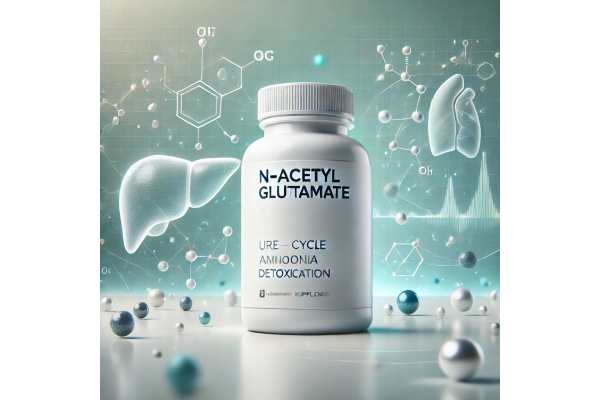
N-acetylglutamate is not a typical wellness supplement you find on a store shelf. It is a small molecule made inside your liver that quietly enables one of the body’s most important tasks: converting toxic ammonia into urea so it can be safely excreted. Without N-acetylglutamate, the first step of the urea cycle stalls and ammonia can rise to dangerous levels, especially in people with rare genetic conditions.
In clinical practice, the focus is less on N-acetylglutamate itself and more on its prescription analog, carglumic acid, which mimics its action when the body cannot make enough. This therapy is life saving in certain urea cycle disorders and is being explored in a few other metabolic settings. However, it is not a routine performance enhancer or general liver supplement, and its use demands careful specialist supervision. This article clarifies what N-acetylglutamate does, when it is used, how it is dosed, and what risks and unknowns you should understand before considering it in any form.
Essential Insights on N-acetylglutamate
- N-acetylglutamate is an essential activator of the urea cycle enzyme carbamoyl phosphate synthetase 1, allowing the liver to detoxify ammonia into urea.
- Proven benefits are mainly in rare urea cycle disorders, where the analog carglumic acid can reduce hyperammonemia and improve outcomes when started promptly.
- In confirmed N-acetylglutamate synthase deficiency, carglumic acid therapy often starts around 100–250 mg/kg/day divided into 2–4 doses, then may be reduced to 10–100 mg/kg/day for maintenance under specialist care.
- Treatment is complex and must be adjusted for diet, intercurrent illness, kidney function, and ammonia levels, so it should only be used under a metabolic or genetics specialist.
- People without a confirmed urea cycle disorder, pregnant individuals without specialist advice, and anyone with unexplained neurologic or liver symptoms should avoid self-experimenting with N-acetylglutamate related products.
Table of Contents
- What is N-acetylglutamate?
- How does N-acetylglutamate work in the body?
- N-acetylglutamate benefits and real-world uses
- N-acetylglutamate dosage and clinical use
- Side effects and who should avoid N-acetylglutamate
- Research evidence and key knowledge gaps
What is N-acetylglutamate?
N-acetylglutamate is a naturally occurring compound formed when the amino acid L-glutamate is combined with an acetyl group derived from acetyl coenzyme A. This reaction is catalyzed by the enzyme N-acetylglutamate synthase, located in the mitochondria of liver cells. Although the molecule itself is small and chemically simple, its biological role is critical: it is the mandatory activator of carbamoyl phosphate synthetase 1, the first enzyme in the urea cycle.
The urea cycle is the primary pathway your body uses to dispose of excess nitrogen generated when proteins are broken down. Ammonia is the initial nitrogen-containing waste, and it is highly toxic to the brain even at moderately elevated levels. By enabling the urea cycle to run, N-acetylglutamate supports continuous conversion of ammonia into urea, which can then be eliminated through the kidneys. When N-acetylglutamate levels are inadequate, this conversion slows or stops, and ammonia accumulates.
In rare genetic disorders where N-acetylglutamate synthase is deficient or dysfunctional, patients can develop episodes of severe hyperammonemia. These episodes may appear in newborns within days of birth or later in life after triggers such as illness, high protein intake, or certain medications. Symptoms range from lethargy, vomiting, and irritability to confusion, seizures, and coma. Without rapid treatment, permanent neurological injury or death may occur.
Importantly, N-acetylglutamate itself is not typically sold as a dietary supplement. In clinical practice, doctors use a more stable and orally active analog called N-carbamylglutamate (carglumic acid) to mimic its effect in the liver. This medication is reserved for very specific conditions and is prescribed, dosed, and monitored by specialists in metabolic medicine. For healthy individuals with normal liver function and intact urea cycle enzymes, there is no evidence that adding more N-acetylglutamate or its analogs provides extra benefits.
How does N-acetylglutamate work in the body?
To understand how N-acetylglutamate works, it helps to picture the urea cycle as a production line in liver mitochondria. The first and rate-limiting step is catalyzed by carbamoyl phosphate synthetase 1, which combines ammonia, bicarbonate, and energy from ATP to form carbamoyl phosphate. However, carbamoyl phosphate synthetase 1 remains largely inactive unless N-acetylglutamate is bound to it. N-acetylglutamate functions as an allosteric activator, changing the enzyme’s shape into its “on” state so the urea cycle can proceed efficiently.
The synthesis of N-acetylglutamate is tightly regulated. L-arginine, another amino acid in the urea cycle, stimulates N-acetylglutamate synthase. When dietary protein intake increases or when protein breakdown rises during illness or fasting, arginine levels in the mitochondria tend to rise. This arginine signal boosts N-acetylglutamate production, which in turn activates more carbamoyl phosphate synthetase 1. The result is a responsive system: higher nitrogen load leads to higher N-acetylglutamate, higher urea production, and better ammonia clearance.
This dual control, where arginine activates N-acetylglutamate synthase and N-acetylglutamate activates carbamoyl phosphate synthetase 1, creates a positive feedback loop that allows the liver to adapt rapidly to changing metabolic demands. When the system works properly, plasma ammonia remains within a narrow range despite large swings in protein intake or catabolic stress.
In N-acetylglutamate synthase deficiency, this regulatory node fails. Even if ammonia and arginine accumulate, the enzyme cannot produce enough N-acetylglutamate, and carbamoyl phosphate synthetase 1 remains under-activated. Biochemically, this looks very similar to a primary carbamoyl phosphate synthetase deficiency: high ammonia, high glutamine, low citrulline, and low or normal orotic acid in blood and urine testing.
Therapeutically, carglumic acid takes advantage of this mechanism. Once swallowed and absorbed, it travels to the liver and acts as a functional analog of N-acetylglutamate. By binding to carbamoyl phosphate synthetase 1, it can restore urea cycle activity even when endogenous N-acetylglutamate is lacking. This mechanistic “bypass” is the basis for its use in N-acetylglutamate synthase deficiency and, in some cases, other causes of hyperammonemia where CPS1 activation is helpful.
N-acetylglutamate benefits and real-world uses
For most people, the “benefit” of N-acetylglutamate is invisible: it simply keeps the urea cycle working so ammonia does not rise. You make the molecule automatically in your liver, and as long as the urea cycle enzymes and cofactors are intact, there is no reason to think about it. Where N-acetylglutamate becomes clinically important is when this internal system breaks down.
The clearest real-world benefit is in inherited N-acetylglutamate synthase deficiency. In this rare condition, patients lack sufficient enzyme activity to generate enough N-acetylglutamate. Before effective treatment was available, many affected newborns presented with catastrophic hyperammonemia, and survivors often had profound neurological impairment. With early recognition and treatment using carglumic acid, outcomes have improved substantially. Rapid activation of carbamoyl phosphate synthetase 1 by the analog can normalize ammonia levels and, together with diet and other therapies, help preserve neurodevelopment.
Beyond N-acetylglutamate synthase deficiency, carglumic acid has been used as adjunctive therapy in other disorders where ammonia accumulates. These include certain organic acidemias such as propionic acidemia and methylmalonic acidemia, and in some reports other urea cycle disorders. In these contexts, the analog is typically combined with standard ammonia-lowering strategies like hemodialysis, nitrogen scavenger drugs, and temporary protein restriction. Its role is to enhance residual urea cycle capacity rather than to replace it completely.
There is occasional interest in N-acetylglutamate or its analogs as broader “liver support” or “detox” agents, or for performance enhancement in high-protein diets. At present, there is no robust human evidence that they provide meaningful benefits in healthy individuals. The urea cycle in a person with normal liver function can usually handle dietary protein loads without pharmacological activation. Pushing the system harder with prescription-only activators adds complexity and potential side effects without a clear payoff.
In summary, the proven benefits of N-acetylglutamate related therapy are narrow but extremely important: life-saving control of hyperammonemia in specific inherited metabolic disorders and selected acute metabolic crises. Outside these indications, its role should be considered experimental and approached with caution.
N-acetylglutamate dosage and clinical use
Because N-acetylglutamate itself is unstable and not used directly as a drug, dosage recommendations in practice refer to carglumic acid, its therapeutic analog. This medication is available as 200 mg tablets for oral suspension and is prescribed by specialists experienced in metabolic disorders. Dosing is individualized based on body weight, the underlying diagnosis, the severity of hyperammonemia, and response to treatment.
In acute hyperammonemia due to confirmed or strongly suspected N-acetylglutamate synthase deficiency, recommended starting doses of carglumic acid are typically in the range of 100–250 mg/kg/day, divided into 2–4 doses. The medication is given as soon as the diagnosis is suspected, often in newborns or very young infants, and always alongside standard acute measures such as intravenous glucose, nitrogen scavenger medications, dialysis when needed, and controlled protein intake. The aim is to bring plasma ammonia down into the age-appropriate normal range as quickly and safely as possible.
For chronic maintenance therapy in N-acetylglutamate synthase deficiency, doses are generally lower, often in the range of 10–100 mg/kg/day, still divided into multiple daily doses. Over time, the dose is adjusted according to ammonia levels, clinical stability, growth, and dietary protein tolerance. Some individuals require relatively high maintenance doses to prevent recurrent hyperammonemic crises, whereas others can be managed with lower doses and dietary measures. Regular monitoring of ammonia, amino acids, and nutritional status is essential.
In acute hyperammonemia related to organic acidemias, such as propionic acidemia or methylmalonic acidemia, carglumic acid may also be used as an adjunct. Weight-based dosing is again employed, often in the range of 150 mg/kg/day or equivalent surface area based doses in larger children and adults, for short periods during metabolic decompensation. Use beyond the acute phase is individualized and remains an area of ongoing clinical research.
From a practical standpoint, carglumic acid tablets are not swallowed whole. They are dispersed in a small volume of water to form a suspension, which is then taken orally or through a feeding tube. Doses are typically given immediately before meals or feeds. Adjustments are needed in patients with moderate or severe kidney impairment, and clinicians follow detailed prescribing information to reduce doses appropriately in those settings.
Crucially, there is no evidence-based “supplement dose” for healthy adults, nor a recommended dose for general wellness, sports performance, or routine liver support. Any discussion of dosage outside a diagnosed metabolic disorder should be considered speculative and potentially unsafe.
Side effects and who should avoid N-acetylglutamate
When used as carglumic acid in appropriate patients, N-acetylglutamate analog therapy is generally well tolerated, especially when weighed against the risks of uncontrolled hyperammonemia. However, like all medications, it can cause side effects. In clinical experience and prescribing information, the most frequently reported adverse effects include gastrointestinal symptoms such as vomiting, abdominal pain, diarrhea, and decreased appetite. Fever, sore throat, or respiratory infections are also relatively common, likely reflecting both drug exposure and the underlying vulnerability of patients with metabolic disorders.
Blood-related side effects such as anemia and changes in hemoglobin have been reported. Some patients experience headache, tiredness, or changes in weight. Skin reactions including rash and increased sweating can occur. In small numbers, more serious events like pancreatitis, changes in liver enzymes, or low blood sugar have been observed in the context of acute metabolic decompensation, making it difficult to separate the contributions of illness and medication. Post-marketing reports have also included psychiatric symptoms such as mood changes or mania in rare cases.
Carglumic acid therapy requires particular caution in people with impaired kidney function. Because the drug and its metabolites are cleared partly through the kidneys, dose reductions are recommended in moderate and severe renal impairment, and patients need closer monitoring of ammonia, acid–base status, and fluid balance. Liver dysfunction from causes other than urea cycle disorders can also complicate treatment, and specialists may need to adjust the overall regimen.
Pregnancy and breastfeeding present additional uncertainties. Experience with carglumic acid during pregnancy is limited to case reports and observational data, which are not sufficient to define precise risk. At the same time, untreated hyperammonemia in a pregnant person is dangerous for both parent and fetus. In practice, decisions about continuing or starting therapy in pregnancy are individualized and handled by multidisciplinary teams, not as routine supplement choices.
People who should not use N-acetylglutamate related therapy outside a specialist context include anyone without a confirmed or strongly suspected urea cycle or closely related metabolic disorder, individuals with unexplained neurological symptoms or chronic liver disease who have not been fully evaluated, and those seeking performance or “detox” benefits. Combining carglumic acid with other experimental metabolic supplements, crash diets, extreme fasting, or high-dose protein regimens can destabilize nitrogen balance and increase the risk of complications.
If a patient on carglumic acid develops new confusion, severe fatigue, unexplained vomiting, seizures, or behavior changes, this is a medical emergency. These signs may indicate recurrent hyperammonemia, intercurrent infection, or a serious side effect, and urgent evaluation is required.
Research evidence and key knowledge gaps
The scientific understanding of N-acetylglutamate and its therapeutic analog has grown steadily over the past decades, but much of the evidence base still comes from case reports, case series, and retrospective analyses. For N-acetylglutamate synthase deficiency, systematic reviews of published cases show that prompt recognition and treatment with carglumic acid have transformed prognosis for many patients, reducing mortality and improving developmental outcomes compared with earlier eras in which only dietary measures and ammonia scavengers were available.
Guidelines on urea cycle disorders now consistently recognize N-acetylglutamate synthase deficiency as the one urea cycle defect that can be specifically targeted with an activator of carbamoyl phosphate synthetase 1. These consensus documents provide frameworks for when to suspect the condition, how to confirm the diagnosis with genetic and enzymatic tests, and how to structure both acute and long-term therapy. Still, because the disorder is extremely rare, high-quality randomized trials are not feasible, and most recommendations rely on expert opinion informed by observational data.
On the mechanistic side, structural biology and enzyme studies have clarified how N-acetylglutamate binds to carbamoyl phosphate synthetase 1 and how arginine regulates N-acetylglutamate synthase. Gene therapy experiments in animal models have shown that restoring N-acetylglutamate synthase expression can normalize ureagenesis and reduce hyperammonemia, suggesting potential future treatments that bypass the need for lifelong carglumic acid. These approaches are still experimental but illustrate how central N-acetylglutamate is to ammonia detoxification.
For other uses of N-acetylglutamate analogs, such as adjunct treatment in organic acidemias or other hyperammonemic states, evidence is more limited. Clinical trials have been relatively small and often focus on biochemical endpoints like peak ammonia or time to normalization, rather than long-term neurocognitive outcomes. There are open questions about optimal dosing, treatment duration during acute crises, and the best combination with existing therapies.
Several important gaps remain. Researchers are still working to define the minimal effective maintenance dose of carglumic acid in different age groups, whether some patients can safely reduce or discontinue therapy under close monitoring, and how best to handle situations such as surgery, pregnancy, or prolonged fasting. There is also an ongoing need for better tools to distinguish N-acetylglutamate synthase deficiency from other urea cycle disorders quickly in emergency settings, since early targeted therapy can dramatically alter outcomes.
At present, what is clear is that N-acetylglutamate related therapy is a powerful but highly specialized tool. Its use should remain concentrated in centers with expertise in inherited metabolic diseases, and any expansion into new indications should be guided by carefully designed studies rather than informal experimentation.
References
- N-acetylglutamate synthase deficiency: MedlinePlus Genetics, 2019 (Guideline-style overview)
- Presentation and management of N-acetylglutamate synthase deficiency: a review of the literature, 2020 (Systematic Review)
- Carbaglu Prescribing Information & Instructions For Use – Jan 2024, 2024 (Prescribing Information)
- Gene delivery corrects N-acetylglutamate synthase deficiency and enables insights in the physiological impact of L-arginine activation of N-acetylglutamate synthase, 2021 (Experimental Study)
- Suggested guidelines for the diagnosis and management of urea cycle disorders, 2012 (Guideline)
Disclaimer
The information in this article is for educational purposes only and is not intended to replace professional medical advice, diagnosis, or treatment. N-acetylglutamate related therapies, including carglumic acid, are prescription treatments for rare metabolic disorders and must be managed by clinicians experienced in urea cycle diseases. Never start, stop, or change any medication or supplement based on online information alone. If you have symptoms such as confusion, vomiting, unusual fatigue, seizures, or concerns about ammonia levels or liver function, seek urgent medical care and consult a qualified healthcare professional.
If you found this article helpful, you are welcome to share it on Facebook, X (formerly Twitter), or any other platform you prefer, and to follow our work on social media. Your thoughtful sharing supports our ability to continue creating clear, evidence-based health content for readers worldwide.