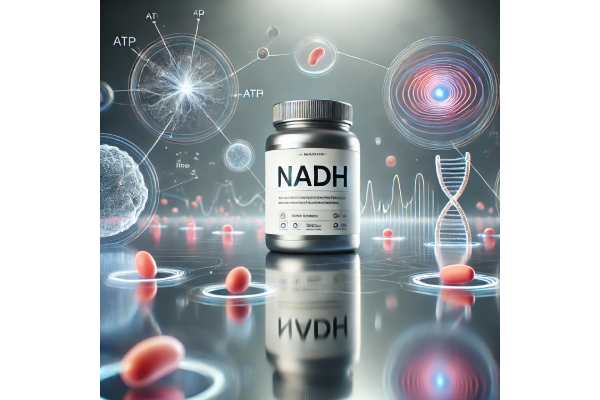
NADH is the reduced form of nicotinamide adenine dinucleotide, a molecule that sits at the centre of how your cells turn food into usable energy. Because of its role in mitochondrial function and neurotransmitter production, NADH has become a popular supplement for people looking to improve fatigue, mental clarity, and overall vitality.
Interest in NADH grew from small human trials in conditions such as chronic fatigue syndrome and Alzheimer’s disease, along with newer research on NAD-related molecules and aging. At the same time, evidence remains limited, and many studies are small or use NADH alongside other ingredients.
This guide walks you through what NADH is, how it might work, where the science is promising, and where it is still uncertain. You will also find practical information on dosage ranges, forms, timing, and safety considerations, so you can have an informed discussion with your healthcare professional before deciding whether it belongs in your regimen.
Key Insights on NADH
- NADH is a coenzyme involved in cellular energy production and brain function, often used for fatigue and cognitive support.
- Small human studies suggest possible benefits for chronic fatigue and cognitive symptoms, but results are mixed and not definitive.
- Common supplemental amounts range from about 5–20 mg per day, usually taken on an empty stomach in the morning.
- People who are pregnant or breastfeeding, children, and those with serious psychiatric, cardiovascular, or oncologic conditions should only use NADH under medical supervision or avoid it.
Table of Contents
- What is NADH and how it works
- Potential benefits of NADH supplements
- How to take NADH for best results
- NADH dosage range and forms
- NADH side effects and safety
- NADH vs NAD plus and other boosters
What is NADH and how it works
NADH stands for “nicotinamide adenine dinucleotide, reduced.” It is the electron-carrying, or “charged,” form of NAD+, a coenzyme found in every cell in the body. Together, NAD+ and NADH shuttle electrons through metabolic pathways, especially in the mitochondria, where most of your ATP (cellular energy currency) is made.
In simple terms, NAD+ accepts electrons and becomes NADH. NADH then donates those electrons to the mitochondrial electron transport chain, helping drive ATP production. This redox cycling supports energy-demanding tissues such as the brain, heart, and skeletal muscles. NADH is also involved in synthesizing key brain chemicals, including dopamine and noradrenaline, which may help explain why some people notice changes in mood, focus, or motivation when they take it.
Your body normally makes NADH from vitamin B3 (niacin, nicotinamide) and from nutrients in food through standard metabolic pathways. Under healthy conditions, this internal production is usually enough. However, chronic illness, sustained stress, poor diet, aging, and some medications can affect overall NAD metabolism, potentially altering the balance between NAD+ and NADH and the total amount available.
Commercial NADH supplements typically contain a stabilized form designed to resist breakdown from light, oxygen, and stomach acid. Some products use enteric-coated tablets, while others use sublingual tablets that dissolve under the tongue. Laboratory and clinical data suggest that at least a portion of supplemental NADH can be absorbed and influence biological markers or symptoms, although the exact bioavailability and distribution to specific tissues (like the brain) remain active research questions.
It is also important to understand what NADH is not. It is not a stimulant in the same way as caffeine, and its effects are usually subtler and slower to appear. It is not a replacement for sleep, nutrition, or addressing underlying medical issues. Instead, NADH sits upstream in the biochemistry of energy and cell resilience, which makes it a theoretically attractive—yet still experimentally evaluated—option for fatigue and cellular support.
Potential benefits of NADH supplements
Most people are interested in NADH because of its possible effects on energy, brain function, and long-term health. The strongest human data focus on fatigue-related conditions, with smaller exploratory studies in neurodegenerative diseases and mental health.
For fatigue and chronic fatigue syndrome (CFS) or myalgic encephalomyelitis (ME/CFS), several randomized and controlled trials have tested oral NADH, sometimes in combination with coenzyme Q10. In some studies, a higher proportion of participants taking NADH met predefined “responders” criteria—such as meaningful reductions in fatigue scores—compared with placebo. Others reported improvements in cognitive fatigue, quality-of-life scores, or sleep parameters when NADH was combined with CoQ10. At the same time, not all studies showed strong differences between groups, and sample sizes were relatively small. Overall, results suggest a possible modest benefit for some people, but they fall short of proving NADH as a standard treatment.
NADH has also been investigated in neurodegenerative conditions. In Alzheimer’s disease, a small randomized trial using stabilized oral NADH reported slower decline on some cognitive tests compared with placebo over several months. Other mechanistic research on NAD+ and related metabolites supports the idea that maintaining healthy NAD metabolism may help protect neurons and mitochondria, but these data are mainly from preclinical or broader NAD-focused work rather than large NADH-specific trials.
In Parkinson’s disease, earlier research looked at NADH as an adjunct to standard dopaminergic therapy, noting possible improvements in motor scores in some patients. However, these studies were small, often open-label, and not always replicated, so they are best viewed as preliminary.
There are also niche uses where NADH has been studied, including jet lag, exercise performance, and mood symptoms. Some reports note reduced subjective jet lag or changes in maximum heart rate and perceived exertion with supplementation. A few open-label studies suggested mood improvements in depressive symptoms, possibly through support of monoamine synthesis and mitochondrial function, but these findings require stronger trials.
Taken together, current evidence is promising but limited. NADH may:
- Support subjective energy and reduce fatigue in some individuals, particularly in ME/CFS,
- Offer modest benefits for cognition or daily functioning in selected populations,
- Complement other mitochondrial support strategies such as CoQ10, sleep optimization, and graded pacing.
However, it should not be considered a cure, and responses vary widely. For many people, NADH is best framed as an experimental adjunct to a broader, medically supervised plan rather than a stand-alone solution.
How to take NADH for best results
If you and your healthcare professional decide to trial NADH, it helps to approach it methodically. Because NADH is sensitive to light and stomach acid, how and when you take it can influence both tolerability and potential benefit.
Most clinical studies and product labels recommend taking NADH in the morning on an empty stomach, with a small amount of water. A typical instruction is 20–30 minutes before breakfast, avoiding hot drinks that could degrade the compound. This timing may also reduce the chance of sleep disturbance in sensitive individuals, since NADH can be mildly activating for some people.
A practical way to structure a trial is:
- Confirm medical suitability. Before starting, discuss NADH with a clinician who knows your history, medications, and diagnoses. This is especially important if you have cardiovascular disease, neurological or psychiatric conditions, cancer, or are pregnant or breastfeeding.
- Choose a reputable product. Look for stabilized or enteric-coated NADH from a manufacturer that provides clear labeling, batch numbers, and ideally third-party testing. Avoid unusually high doses or “all-in-one” formulas with many overlapping stimulatory ingredients.
- Start low and increase slowly. Many people begin with 2.5–5 mg once daily. If well tolerated, the dose can be increased gradually within typical studied ranges (for example up to 10–20 mg per day), based on your clinician’s guidance and your response.
- Track outcomes. Keep a simple log of daily fatigue levels, sleep quality, pain, concentration, and any side effects. Formal tools such as a 0–10 fatigue scale or short questionnaires can help you judge whether the supplement is genuinely helpful.
- Evaluate after a defined period. Many trials used durations between 4 and 12 weeks. After 8–12 weeks, review with your clinician whether benefits are meaningful enough to continue, adjust the dose, or discontinue.
- Integrate, do not replace. NADH should complement, not replace, evidence-based treatments such as graded activity pacing in ME/CFS, cognitive behavioural strategies, sleep hygiene, nutritional rehabilitation, or disease-specific medications.
People sometimes combine NADH with CoQ10, magnesium, or other mitochondrial-supportive nutrients. While this may make sense mechanistically, it also makes it harder to know what is driving any benefit or side effect. If you are new to supplementation, starting with one change at a time is often safer and more informative.
Finally, remember that lifestyle factors—regular gentle movement within your capacity, structured rest, balanced nutrition, and stress management—usually have a more robust evidence base and should remain the foundation. NADH is best viewed as an optional extra layer rather than the central pillar of your plan.
NADH dosage range and forms
Unlike vitamins with well-established recommended daily intakes, NADH does not have an official dietary requirement or universally accepted therapeutic dose. Most of what we know about dosing comes from clinical trials and commercial practice.
In research settings, common oral doses have ranged from 5–10 mg per day for general fatigue or cognitive symptoms, up to about 20 mg per day in conditions such as ME/CFS when used alone or combined with CoQ10. In Alzheimer’s trials, stabilized NADH was typically given at around 10 mg daily. These amounts are much lower than doses used for some NAD+ precursors (which are often in the hundreds of milligrams), reflecting differences in chemistry and intended use.
For practical purposes:
- Mild fatigue or general support: Many clinicians suggest starting at 2.5–5 mg once daily, then increasing to 5–10 mg if tolerated and needed.
- Chronic fatigue or ME/CFS (under specialist care): Doses between 10–20 mg per day have been studied, sometimes divided into two smaller doses to improve tolerance.
- Older adults with cognitive concerns: When used, doses usually fall around 5–10 mg per day, but this should always be individualized and supervised because of comorbidities and polypharmacy.
Because long-term, high-dose safety data are limited, going well beyond 20 mg per day without medical oversight is difficult to justify. More is not always better; some people do not respond at all, and others may notice jitteriness or sleep changes at relatively low doses.
NADH is available in several forms:
- Enteric-coated or “stabilized” tablets: Designed to survive stomach acid and release in the intestine, these are the most common form used in clinical research.
- Sublingual tablets or lozenges: Dissolve under the tongue to allow absorption through the oral mucosa. Some people prefer these if they have digestive issues.
- Combination products: NADH is frequently paired with CoQ10 and sometimes with B-vitamins, carnitine, or other mitochondrial nutrients. These can be convenient but may complicate dose titration and side-effect tracking.
Duration of use also matters. Many studies ran for 4–24 weeks. There is very little high-quality data on continuous use over several years. A cautious approach is to:
- Use the lowest effective dose,
- Reassess every few months,
- Consider “drug holidays” or tapering if benefit plateaus, and
- Regularly review overall medication and supplement load with a healthcare professional.
As with any supplement, always follow the product’s labeling unless your clinician has advised otherwise, and avoid self-escalating doses in response to stress or worsening symptoms without medical input.
NADH side effects and safety
Overall, NADH has been reasonably well tolerated in human trials, with most reported side effects being mild and transient. Still, “generally well tolerated” does not mean risk free, and safety data remain limited compared with established medications or essential nutrients.
Across clinical studies and post-marketing experience, reported side effects have included:
- Headache or a sense of pressure in the head
- Sleep disturbances (both insomnia and, less commonly, increased sleepiness)
- Nervousness, restlessness, or feeling “wired”
- Gastrointestinal discomfort, such as nausea or stomach upset
- Muscle aches or worsening fatigue in a minority of users
These reactions are usually dose-related and often improve by lowering the dose, switching timing (for example, avoiding late-day dosing), or discontinuing the supplement. Serious adverse events directly attributable to oral NADH appear rare in the published literature, but the total number of exposed participants is still modest, and follow-up periods are often short.
Because NADH participates in redox balance and neurotransmitter synthesis, there are several groups who should be especially cautious:
- Pregnant or breastfeeding individuals: There is not enough high-quality safety data to recommend routine use, so most clinicians advise avoiding NADH during pregnancy and lactation unless part of a controlled clinical trial.
- Children and adolescents: Developing brains and bodies may respond differently. NADH should not be given to minors without specialist guidance.
- People with bipolar disorder or a history of mania: Any intervention that could influence catecholamine signalling carries a theoretical risk of triggering mood elevation or instability.
- Individuals with significant cardiovascular disease or uncontrolled blood pressure: NAD-related supplements may influence vascular tone or heart rate in some people. Close medical supervision is important.
- People with active cancer or undergoing chemotherapy or radiotherapy: Because NAD supports cellular energy and repair, there is concern—still theoretical in many cases—that high-dose NAD-related supplements could interfere with some cancer therapies or support tumour metabolism.
Potential interactions are another consideration. NADH may interact with:
- Dopaminergic medications used in Parkinson’s disease,
- Certain psychiatric medications,
- Drugs affecting blood pressure or heart rhythm,
- Other NAD-boosting supplements taken at the same time.
If you experience chest pain, marked palpitations, severe anxiety or agitation, sudden changes in mood or behaviour, or any neurological symptoms after starting NADH, seek medical attention and stop the supplement unless instructed otherwise by a clinician.
Ultimately, NADH’s risk profile looks acceptable for many adults at modest doses, but the uncertainties—especially over long-term use and in complex conditions—mean that individual assessment and ongoing monitoring are essential. Treat it with the same respect you would give to a new prescription drug, even though it is sold over the counter.
NADH vs NAD plus and other boosters
NADH is only one player in the wider “NAD metabolism” family. Understanding how it compares with other options can help you and your clinician decide which—if any—is the best fit for your goals.
NAD+ and NADH are two redox states of the same molecule. NAD+ is the oxidized form, heavily involved in signalling through enzymes such as sirtuins and PARPs, which regulate DNA repair, gene expression, and stress responses. NADH is the reduced form that donates electrons into the mitochondrial respiratory chain. Your cells constantly convert one into the other, maintaining a NAD+/NADH ratio that reflects metabolic conditions like fasting, feeding, and exercise.
Most of the recent research on “NAD boosting” has focused on NAD+ precursors such as nicotinamide riboside (NR) and nicotinamide mononucleotide (NMN), as well as on high-dose nicotinamide. These compounds are generally used at much higher doses (often 250–1,000 mg per day) than NADH and aim to raise the overall NAD+ pool. Studies in animals and humans suggest potential benefits for metabolic health, insulin sensitivity, and some aspects of age-related decline, though uncertainty remains about who benefits most and what the long-term risks may be.
Compared with these:
- NADH is usually taken in very low doses (5–20 mg) and is more specifically positioned as a mitochondrial and cognitive support supplement, especially in fatigue-related conditions.
- NAD+ precursors (NR, NMN, nicotinamide) are framed more broadly as metabolic and “healthy aging” tools, with emerging data in diabetes, cardiovascular risk, and neurodegeneration.
- Niacin (nicotinic acid), an older vitamin B3 form, can also raise NAD+ but is limited at higher doses by flushing and potential liver and glucose effects.
Direct NAD+ or NADH intravenous infusions are another category, marketed in some clinics for rapid “rejuvenation,” addiction treatment support, or cognitive enhancement. Current evidence for these protocols is sparse, and they are more invasive and expensive, with their own set of risks. They should only be considered within legitimate medical frameworks, not as casual wellness treatments.
For most people choosing between NADH and other NAD-related supplements, key questions include:
- What is your main goal? If your primary issue is chronic fatigue or ME/CFS, NADH (with or without CoQ10) has more targeted but still modest evidence than newer NAD+ boosters.
- What is your risk profile? If you have complex metabolic disease, diabetes, or cardiovascular conditions, the broader NAD+ literature may be more relevant—but also more intertwined with your existing medications.
- Budget and simplicity. NADH is often more expensive per milligram, but doses are low. Taking several different NAD-related products simultaneously quickly increases cost and complicates safety assessment.
In practice, many clinicians recommend starting with foundational strategies (sleep, diet, movement, stress, and treatment of underlying diseases), then considering a single NAD-related supplement at a time, if appropriate. NADH is one of several options—and while it may be helpful for some, it is not clearly superior across the board.
References
- Evaluation of safety and effectiveness of NAD in different clinical conditions: a systematic review 2024 (Systematic Review)
- Effect of Dietary Coenzyme Q10 Plus NADH Supplementation on Fatigue Perception and Health-Related Quality of Life in Individuals with Myalgic Encephalomyelitis/Chronic Fatigue Syndrome: A Prospective, Randomized, Double-Blind, Placebo-Controlled Trial 2021 (RCT)
- NAD+ in Alzheimer’s Disease: Molecular Mechanisms and Therapeutic Implications 2021 (Systematic Review)
- Therapeutic effects of oral NADH on the symptoms of patients with chronic fatigue syndrome 1999 (RCT)
- Treatment of Alzheimer’s disease with stabilized oral nicotinamide adenine dinucleotide: a randomized, double-blind study 2004 (RCT)
Medical Disclaimer
The information in this article is intended for general educational purposes only and is not a substitute for personalised medical advice, diagnosis, or treatment. NADH and other supplements can interact with health conditions and medications in ways that require professional judgment. Always consult a qualified healthcare professional before starting, stopping, or changing any supplement or treatment, and never delay seeking medical care because of something you have read here.
If you found this guide useful, you are welcome to share it with others—on Facebook, X (formerly Twitter), or any platform you prefer—and to follow our work on social media. Your support in sharing helps our team continue to research, write, and update high-quality, evidence-informed health content.