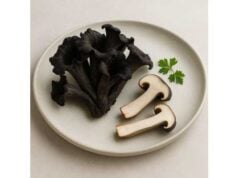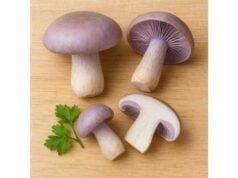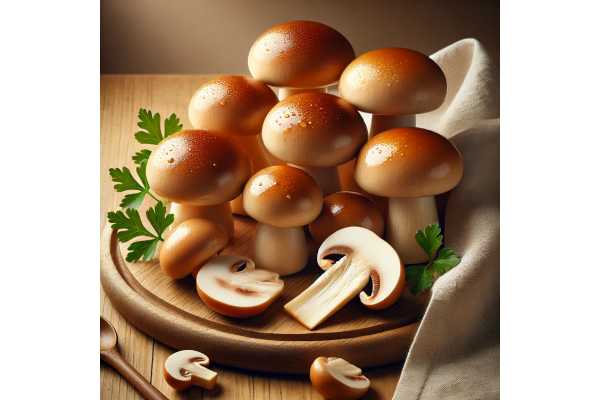
Nameko (Pholiota nameko) is a petite, amber-brown mushroom known for its glossy, natural gelatinous coating that turns silky in soups and sautés. Popular in Japan and increasingly available elsewhere, nameko brings clean, woodsy flavor and gentle thickening power to miso soups, nabemono hot pots, stir-fries, and rice bowls. In the kitchen, its slip-resistant texture keeps small caps intact, and its glaze reduces the need for added starch or heavy cream. Nutritionally, nameko fits the pattern of cultivated mushrooms: very low in calories and fat, a source of fiber (including beta-glucans), modest protein, B vitamins, potassium, and copper. Like other edible fungi, it provides ergothioneine, a distinctive antioxidant amino acid, and—when exposed to ultraviolet light—vitamin D2 can be present in meaningful amounts. Because nameko is cultivated year-round on sterilized substrates, quality is consistent and food safety is straightforward, provided you store and cook it properly. This guide covers what matters most: how to use nameko for flavor and nutrition, the best ways to buy and store it, health considerations, and serving sizes that fit everyday meals.
Essential Insights
- Adds fiber and beta-glucans with ~20–30 kcal per 100 g; natural glaze gently thickens soups and sauces.
- Typical cooked serving 75–100 g (about 1–1½ cups) two to three times weekly as part of a varied diet.
- Always cook thoroughly; avoid if you have known mushroom allergy or severe intolerance to fermentable fibers.
- UV-exposed mushrooms may contribute vitamin D2; amounts vary and should be listed on labels.
- People with mushroom allergies or on strict low-purine diets should limit or avoid unless advised otherwise.
Table of Contents
- Nameko detailed overview
- Nameko nutrition profile
- Evidence-based health benefits
- Risks, allergies and interactions
- Selecting, quality, sustainability and storage
- Preparation, cooking and nutrient retention
- Portions, comparisons and FAQs
Nameko detailed overview
Nameko is a small, clustered mushroom with caramel-to-amber caps and pale stems, cultivated on sterilized sawdust or grain-based substrates. Its calling card is a thin, edible coating of polysaccharides that looks glossy when raw and becomes silky when heated. In broths and sauces, this natural glaze lends body, allowing cooks to skip cornstarch or roux. That means fewer added calories and a cleaner, mushroom-forward flavor.
Culinarily, nameko is a team player. The caps stay intact in simmering liquids, and the stems remain tender when sautéed. In Japan, nameko shows up in nameko miso soup, nabemono hot pots, soba toppings, and donburi rice bowls. Elsewhere, it works in pan sauces for chicken or fish, quick noodles, and vegetable stir-fries. Because the mushrooms are small and evenly sized, they brown reliably and cook fast—useful for weeknights.
From a nutrition standpoint, nameko mirrors other cultivated species (such as enoki or shimeji): low energy density, modest protein, a helpful bump of fiber, and contributions of riboflavin and niacin plus minerals like potassium, copper, and selenium. Its fibers include beta-glucans (soluble fibers linked with healthy cholesterol and post-meal glucose responses) and chitin (an insoluble fiber that adds bulk). Like many mushrooms, it also contains ergothioneine, a unique antioxidant amino acid that accumulates in certain human tissues.
Because nameko is grown under controlled conditions, flavor and texture are consistent year-round. Packaged clusters are usually clean and ready to rinse briefly before cooking. If vitamin D is a goal, check for UV-exposed labeling: ultraviolet light converts ergosterol to vitamin D2, and some producers disclose micrograms per serving on the package.
What it is not: a protein powerhouse or a miracle cure. Nameko is best viewed as a flavorful, low-calorie ingredient that helps you cook satisfying, plant-forward meals with a pleasant texture and a lighter hand on thickeners, salt, and fat. Its short cook time and dependable bite make it especially useful for soups and sauces where delicate mushrooms might fall apart.
Nameko nutrition profile
How to read this section: Values below reflect typical ranges for cultivated nameko per 100 g (raw), with % Daily Value (%DV) based on adult reference intakes. Ranges account for normal variation across producers and growing conditions. Vitamin D2 depends on UV exposure during or after cultivation; if unlabeled, assume minimal vitamin D.
Macros and electrolytes (per 100 g, raw)
| Nutrient | Amount | %DV |
|---|---|---|
| Energy | 20–30 kcal | — |
| Water | 90–92 g | — |
| Protein | 1.7–2.2 g | 4% |
| Total fat | 0.2–0.5 g | 1% |
| Carbohydrate | 4.0–5.5 g | 2% |
| Dietary fiber | 2.0–2.7 g | 7%–10% |
| Total sugars | ~1.0–1.5 g | — |
| Sodium | 1–10 mg | 0% |
| Potassium | 250–330 mg | 5%–7% |
Carbohydrates
| Component | Amount | Notes |
|---|---|---|
| Fiber (total) | 2.0–2.7 g | Beta-glucans and chitin contribute to viscosity and bulk |
| Starch | ~0 g | Mushrooms store little to no starch |
| Free sugars | ~1.0–1.5 g | Mainly mannitol and small amounts of glucose |
Fats and fatty acids
| Component | Amount | %DV |
|---|---|---|
| Saturated fat | 0.03–0.08 g | 0% |
| Monounsaturated fat | ~0.05–0.10 g | — |
| Polyunsaturated fat | ~0.10–0.25 g | — |
| Cholesterol | 0 mg | 0% |
Protein and amino acids (selected, per 100 g)
| Amino acid | Amount |
|---|---|
| Glutamic acid (free + bound) | ~0.25–0.40 g |
| Aspartic acid | ~0.18–0.30 g |
| Leucine | ~0.08–0.12 g |
| Lysine | ~0.08–0.11 g |
Vitamins (per 100 g)
| Vitamin | Amount | %DV |
|---|---|---|
| Thiamin (B1) | 0.05–0.10 mg | 4%–8% |
| Riboflavin (B2) | 0.20–0.30 mg | 15%–23% |
| Niacin (B3) | 3.0–4.5 mg | 19%–28% |
| Vitamin B6 | 0.05–0.10 mg | 3%–6% |
| Folate (DFE) | 20–35 µg | 5%–9% |
| Vitamin D2* | 0–20 µg | 0%–100% |
Minerals (per 100 g)
| Mineral | Amount | %DV |
|---|---|---|
| Phosphorus | 80–120 mg | 6%–10% |
| Potassium | 250–330 mg | 5%–7% |
| Copper | 0.2–0.3 mg | 22%–33% |
| Selenium | 2–8 µg | 4%–15% |
| Iron | 0.3–0.7 mg | 2%–4% |
| Calcium | 1–5 mg | 0% |
| Magnesium | ~12–20 mg | 3%–5% |
| Zinc | ~0.5–1.0 mg | 5%–9% |
Bioactives / phytonutrients
- Beta-glucans: Viscous soluble fibers that can support healthy post-meal glucose and cholesterol handling.
- Ergothioneine and glutathione: Antioxidants characteristic of edible mushrooms.
- Polysaccharide glaze: Heat-soluble coating that thickens liquids, similar in function to plant gums.
Footnote on vitamin D2: UV-exposed mushrooms can contain 10–30 µg vitamin D2 per 100 g. If labels do not list vitamin D, content is likely minimal.
Allergens and anti-nutrients
- Allergen markers: As a fungus, nameko may trigger reactions in people with mushroom allergy.
- FODMAPs and chitin: Fermentable carbohydrates and chitin can cause bloating in sensitive individuals; moderate portions and thorough cooking improve tolerance.
Evidence-based health benefits
1) Helps lighten sauces and soups—without extra starch
Nameko’s natural, heat-soluble glaze lends body to broths and pan sauces. Practically, this allows you to use less cornstarch, flour, or cream to achieve a silky texture. In a miso soup or light stock, 75–100 g nameko can replace a tablespoon or more of starch-based thickener, trimming calories and refined carbs while keeping a satisfying mouthfeel.
2) Supports balanced post-meal glucose
Like other culinary mushrooms, nameko contains beta-glucans—soluble fibers that increase viscosity in the small intestine and slow carbohydrate absorption. The effect is most useful when mushrooms replace refined carbs or enrich starchy dishes. Adding nameko to rice bowls, ramen, or noodle stir-fries often blunts the post-meal glucose rise in a modest but meaningful way.
3) Cardiometabolic-friendly swaps
Per 100 g, nameko typically provides under 30 kcal with negligible saturated fat and sodium. Swapping a portion of processed meat, creamy sauce, or refined starch for nameko reduces energy density and can increase potassium and fiber—two changes aligned with heart-healthy eating patterns. Because nameko’s texture and umami amplify flavor, you can use less salt and fat to feel satisfied.
4) Potential vitamin D contribution—when UV-exposed
Ultraviolet exposure can boost vitamin D2 (ergocalciferol) in mushrooms. When labeled as UV-exposed, nameko can add a measurable amount of vitamin D to the day’s intake. This is especially helpful in winter or for people with low sun exposure. If vitamin D is a goal, check the package; not all producers perform UV treatment.
5) Antioxidant support from ergothioneine
Mushrooms, including cultivated varieties, are dietary sources of ergothioneine, a sulfur-containing antioxidant with transporters in human tissues. While you don’t eat nameko for high antioxidant “doses,” including mushrooms regularly adds a distinctive antioxidant profile to a varied diet alongside colorful plants, legumes, and whole grains.
6) Satiety and weight-conscious cooking
Nameko’s combination of water, fiber, and umami increases volume and satisfaction at minimal caloric cost. In practice, a bowl of soup or noodles with nameko plus greens and tofu or chicken feels substantial with fewer calories than a cream- or cheese-heavy dish.
How to turn benefits into everyday meals
- Stir 75–100 g nameko into miso soup or chicken broth for body and savor without cream.
- Sauté with aromatics and deglaze with stock to make a fast pan sauce for fish or chicken.
- Combine with whole grains (brown rice, barley, buckwheat) to raise fiber and potassium.
- Build noodle bowls with nameko, leafy greens, and a lean protein; finish with citrus and herbs.
Realistic expectations
Think of nameko as a culinary ally that nudges meals in a healthier direction. Benefits are incremental and accumulate when nameko replaces less healthful choices, not from any single serving.
Risks, allergies and interactions
Allergy and intolerance
- Mushroom allergy: Rare but real; reactions can include oral itching, hives, and, in severe cases, systemic symptoms. If you’ve reacted to edible fungi, avoid nameko or consult an allergist.
- Digestive sensitivity: Mushrooms contain fermentable carbohydrates and chitin. Large servings can lead to bloating or gas in sensitive individuals. Thorough cooking and moderate portions help.
Food safety and preparation
- Cook thoroughly: As with other mushrooms, proper cooking improves digestibility and reduces microbial risk. Avoid eating nameko raw.
- Rinsing: Briefly rinse just before cooking to remove substrate particles; avoid soaking, which dilutes flavor and impairs browning.
- Storage hygiene: Refrigerate promptly; do not leave cooked mushrooms at room temperature for extended periods.
Medication considerations
- Anticoagulants and antiplatelets: Culinary portions of mushrooms are generally compatible. Avoid high-dose mushroom extracts unless cleared by your clinician.
- Diabetes medications: Higher-fiber meals can influence post-meal glucose. If your regimen is sensitive to meal composition, monitor glucose when adding large servings.
- Gout or hyperuricemia: Mushrooms are moderate in purines; if you’re highly sensitive, keep portions modest and distribute intake through the week.
Pregnancy and lactation
- Culinary amounts of properly cooked cultivated mushrooms, including nameko, are generally acceptable. Avoid poorly labeled supplements or powders derived from mushrooms unless advised by a clinician.
Cross-contact and dietary patterns
- Vegetarian and vegan diets: Nameko adds umami and texture to plant-forward meals without animal ingredients.
- Low-sodium cooking: Because nameko’s umami deepens flavor, you can season with less salt while maintaining satisfaction.
Selecting, quality, sustainability and storage
Selecting high-quality nameko
- Appearance: Choose firm clusters with glossy, intact caps. Avoid mushy spots, dark sliminess, or sour odors.
- Uniform size: Even, small caps cook evenly and resist breaking in soups and sautés.
- Cleanliness: Minimal substrate at the stem base suggests good handling; light specks are normal and rinse off easily.
- Label cues: If vitamin D is important, look for UV-exposed designation with listed micrograms per serving.
Sustainability snapshot
- Efficient cultivation: Nameko is grown on sterilized plant-based substrates with relatively low land and water demands compared with animal protein.
- Food waste reduction: Because small caps endure simmering, they suit soups and sauces that use leftover vegetables and grains.
- Packaging choices: Vented clamshells or paper-based packs protect texture while reducing condensation; transfer to a breathable container at home.
Storage and handling
- Refrigeration: Keep unwashed in a breathable container (paper bag or vented box) at 1–4°C. Use within 3–5 days.
- Rinsing and drying: Rinse briefly just before cooking; pat dry to encourage browning.
- Freezing: Best after a quick sauté to drive off moisture. Cool, freeze on a tray, then pack in portions for soups and sauces.
- Dried nameko: Less common than dried shiitake or porcini but useful for stocks; store airtight away from light and heat for up to a year.
Buying tips
- Favor vendors with high turnover; mushrooms should look perky, not collapsed.
- If sold in brine (occasionally seen in international markets), check sodium on the label and rinse before use to control salt.
Preparation, cooking and nutrient retention
Prep for best texture and flavor
- Trim ends lightly. Remove any tough stem tips or substrate flecks.
- Quick rinse. Swish in cool water and drain well; excessive soaking mutes flavor and prevents browning.
- Dry surface. Pat dry; moisture inhibits searing and concentrates the glaze where it belongs—in your sauce.
Core techniques
- Soup (classic nameko miso): Simmer dashi or light vegetable/chicken stock. Add rinsed nameko and cook 3–5 minutes until silky. Remove from heat; whisk in miso and finish with scallions.
- Quick sauté: Heat a film of oil (or oil–butter mix) over medium-high. Add nameko in a single layer; cook 2–4 minutes, tossing once, until lightly browned and glossy. Finish with salt, citrus, and herbs.
- Stir-fry: Add nameko near the end; its glaze will coat greens and noodles. Keep heat high and the pan uncrowded.
- Pan sauce: After searing chicken or fish, sauté nameko with shallot and deglaze with stock or dry wine. Reduce briefly; the natural glaze thickens the sauce.
- Rice and grains: Fold sautéed nameko into brown rice, barley, or buckwheat; the glaze binds grains without extra butter or cheese.
Retaining nutrients and culinary quality
- Use the cooking liquid: Minerals and water-soluble B vitamins leach into broth—serve as soup or sauce to capture them.
- Heat-stable fibers: Beta-glucans and chitin tolerate typical cooking; texture holds with hot-and-fast methods.
- Vitamin D2 care: If using UV-exposed mushrooms for vitamin D, normal home cooking does not meaningfully degrade D2; avoid prolonged high-heat drying that blows off aroma.
- Sodium stewardship: Nameko’s umami allows lighter salting; brighten with lemon, rice vinegar, or fresh herbs.
Simple meal templates
- Weeknight soup bowl: Broth with nameko, tofu, spinach, scallions, and a spoon of miso.
- Noodle stir-fry: Soba or udon tossed with nameko, bok choy, ginger, and a splash of soy–citrus.
- Pan-seared fish with nameko: Crisp the fish, then nameko–shallot pan sauce; finish with parsley and lemon.
- Grain bowl: Brown rice, sautéed nameko, steamed broccoli, soft egg, and sesame–ginger dressing.
Portions, comparisons and FAQs
Suggested portions and frequency
- Cooked serving: 75–100 g (about 1–1½ cups).
- Frequency: 2–3 times weekly fits well in balanced diets, rotating with other vegetables and mushrooms.
- Budget tip: Mix nameko with everyday mushrooms (e.g., cremini) to stretch aroma and texture.
How nameko compares with other cultivated mushrooms (per 100 g, raw, typical values)
- Calories: Nameko 20–30 kcal; enoki ~29 kcal; shiitake ~34 kcal; oyster ~33–35 kcal.
- Fiber: Nameko 2.0–2.7 g; enoki ~2 g; shiitake ~2 g; oyster ~2 g.
- Potassium: Nameko 250–330 mg; enoki ~359 mg; shiitake ~304 mg; oyster ~420 mg.
- Texture and function: Nameko’s natural glaze thickens liquids; shiitake brings chew; oyster offers silky caps; enoki lends crunch.
Frequently asked questions
Can I eat nameko raw?
Cook it. Heat improves digestibility and flavor and ensures a safe, pleasant texture.
Why are nameko mushrooms slimy?
That glossy coating is natural polysaccharide—not spoilage. When cooked, it becomes silky and helps soups and sauces come together.
How do I keep nameko from turning mushy?
Dry them well after rinsing, use a hot pan, and avoid crowding. Add to soups near the end of cooking and simmer briefly.
Is nameko a good protein source?
No—like most mushrooms, it contributes modest protein. Pair with tofu, eggs, fish, chicken, or legumes for balanced meals.
Can nameko raise vitamin D levels?
Only if the product is UV-exposed and labeled with a vitamin D amount per serving. Otherwise, assume little vitamin D.
Are canned or jarred nameko okay?
They’re convenient but may be higher in sodium. Rinse to reduce salt and expect a softer texture; they work best in soups and braises.
References
- Vitamin D from UV-Irradiated Mushrooms as a Way for Vitamin D Supplementation: A Systematic Review on Classic and Nonclassic Effects in Human and Animal Models 2023 (Systematic Review)
- Effect of Ultraviolet Light-Exposed Mushrooms on Vitamin D Status: Liquid Chromatography-Tandem Mass Spectrometry Reanalysis of Biobanked Sera from a Randomized Controlled Trial and a Systematic Review plus Meta-Analysis 2016 (Systematic Review and RCT Reanalysis)
- Ergothioneine, an Antioxidant Amino Acid, in Human Health and Disease 2020 (Review)
- Mushroom Toxicity 2024 (Reference Article)
Medical Disclaimer
The information in this guide is for education only and is not a substitute for professional medical advice, diagnosis, or treatment. Always consult your healthcare provider about your specific needs—especially if you are pregnant, have food allergies, manage chronic conditions, or take prescription medications. If you suspect an adverse reaction to mushrooms, seek medical care promptly.
If this article was helpful, please consider sharing it on Facebook, X (formerly Twitter), or wherever you connect with friends. Your support helps us continue creating clear, trustworthy food and nutrition resources.