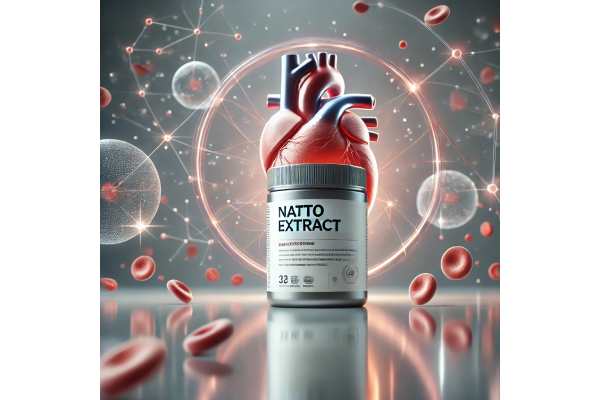
Natto extract comes from natto, a traditional Japanese food made by fermenting soybeans with the bacterium Bacillus subtilis natto. Modern supplements usually concentrate two key components: nattokinase, a fibrin-dissolving enzyme linked to cardiovascular support, and vitamin K2 (menaquinone-7, MK-7), a fat-soluble vitamin involved in bone and vascular health.
People often turn to natto extract for natural support with blood clot balance, healthy blood pressure, and long-term bone strength. Early studies suggest it may help maintain normal circulation and blood pressure while gently influencing clot breakdown, rather than acting like a fast, pharmaceutical “blood thinner.” At the same time, MK-7 appears to help direct calcium to bones and away from arteries.
Despite these promising mechanisms, natto extract is not risk-free. It can interact with blood thinners, affect bleeding risk, and alter vitamin K balance. Understanding its benefits, proper dosage, and safety limits is essential before adding it to your daily routine.
Key Insights for Natto Extract
- Natto extract supplements usually provide nattokinase (for circulation) and or vitamin K2 MK-7 (for bones and arteries).
- Clinical trials suggest nattokinase may mildly reduce blood pressure and improve markers of clot breakdown over weeks to months.
- Typical supplemental doses range from about 2,000 to 4,000 fibrinolytic units (FU) of nattokinase and 90 to 180 µg of vitamin K2 MK-7 per day in adults.
- Because nattokinase influences clotting and vitamin K2 affects coagulation pathways, interactions with blood thinners and clotting disorders are a key safety concern.
- People with recent surgery, active bleeding, stroke history, or on anticoagulant therapy should avoid natto extract unless carefully supervised by a clinician.
Table of Contents
- What is natto extract and how does it work?
- Natto extract benefits for heart and circulation
- How to take natto extract correctly
- Natto extract dosage guide for adults
- Side effects, risks, and who should avoid natto extract
- Research on natto extract and what remains unclear
What is natto extract and how does it work?
“Natto extract” is a broad label rather than a single defined substance. It always traces back to natto, a sticky, strong-flavored food made by fermenting soybeans with Bacillus subtilis natto. During fermentation, the bacteria produce several bioactive compounds. Supplement makers isolate and concentrate some of these, typically in capsule or softgel form.
Most natto extract products fall into one of three categories:
- Nattokinase-focused: Standardized primarily for nattokinase activity, usually measured in fibrinolytic units (FU).
- Vitamin K2-focused: Standardized for menaquinone-7 (MK-7), often labeled “vitamin K2 from natto.”
- Combination formulas: Provide both nattokinase and MK-7, sometimes with other cardiovascular nutrients (such as red yeast rice, CoQ10, or omega-3 fats).
Nattokinase is a serine protease enzyme of about 28 kDa that can break down fibrin, the protein strands that stabilize blood clots. In lab and human studies, nattokinase appears to:
- Directly degrade cross-linked fibrin.
- Increase tissue plasminogen activator (tPA), which converts plasminogen to plasmin, another clot-dissolving enzyme.
- Reduce plasminogen activator inhibitor-1 (PAI-1), which normally restrains tPA.
- Modestly influence blood coagulation factors and clotting times within normal ranges.
These actions collectively support the body’s own fibrinolytic (clot-dissolving) system rather than forcing it in one direction. That is why nattokinase is often described as “balancing” clot formation and breakdown, although the effect can still be clinically important.
Vitamin K2 (MK-7) from natto extract works very differently. MK-7 is a long-chain form of vitamin K that:
- Acts as a cofactor for γ-carboxylation of vitamin K-dependent proteins.
- Activates osteocalcin in bone, helping bind calcium into bone matrix.
- Activates matrix Gla protein (MGP) in vascular tissue, which helps prevent inappropriate calcium deposition in blood vessels.
Because MK-7 has a longer half-life than vitamin K1, low daily doses (often 90–180 µg) can meaningfully influence bone and vascular proteins over time.
When a label says “natto extract,” you therefore need to check whether it is delivering enzymatic nattokinase activity, vitamin K2 MK-7, or both. The benefits, risks, and ideal dosage depend heavily on which component is predominant.
Natto extract benefits for heart and circulation
Most people look at natto extract for cardiovascular support. The evidence is strongest for nattokinase’s effects on blood pressure and markers of clot breakdown, with more limited but growing data on lipids and arterial health. MK-7 provides a complementary route by improving vitamin K status in bones and arteries.
Key potential cardiovascular-related benefits include:
- Mild blood pressure reduction: Meta-analyses of randomized controlled trials suggest that nattokinase supplementation can modestly lower systolic blood pressure (by roughly 3–4 mmHg) and diastolic pressure by around 2 mmHg in adults with elevated or borderline blood pressure. These changes are small but comparable to what is often seen with dietary interventions and can matter over many years when layered on top of other lifestyle changes.
- Enhanced fibrinolysis and clot profile: In human studies with single doses around 2,000 FU of nattokinase, researchers have observed increased D-dimer and fibrin degradation products, prolonged activated partial thromboplastin time (aPTT), reduced factor VIII activity, and higher antithrombin levels, all within normal ranges. These shifts indicate that nattokinase can transiently enhance clot breakdown and subtly alter coagulation toward less thrombogenic blood.
- Support for atherosclerosis and lipids (emerging): Longer-term clinical work has investigated nattokinase at higher doses (for example, 10,800 FU per day) in people with carotid atherosclerosis and high cholesterol. Some studies report slowed plaque progression and improvements in total cholesterol and LDL cholesterol compared with control groups, especially at the higher doses. Newer trials combining nattokinase with red yeast rice in patients with stable coronary artery disease show improved triglycerides, total cholesterol, and antithrombotic markers compared with placebo, suggesting synergy with other cardiometabolic interventions.
- Vitamin K2 MK-7 for vascular calcification and bone: Natto-derived MK-7 has been shown to improve carboxylation of osteocalcin and matrix Gla protein at nutritional doses (around 90–180 µg/day). Clinical research in postmenopausal women and other groups suggests MK-7 can help maintain bone strength and may reduce markers associated with vascular calcification, potentially benefiting both skeletal and cardiovascular health over the long term.
Beyond these areas, some preliminary research and observational data hint that frequent natto intake may be associated with lower fracture risk and possibly better cardiovascular outcomes, but definitive “hard endpoint” trials (such as reductions in heart attacks or strokes) are still lacking.
In practice, natto extract is best viewed as a supportive adjunct: something that may enhance existing lifestyle measures (diet, exercise, smoking cessation) and medications, not a replacement for standard therapy. Its potential benefits appear most relevant in people with mild hypertension, subclinical atherosclerosis, or age-related bone concerns who already have a solid medical plan in place.
How to take natto extract correctly
Because product labels vary, effective and safe use of natto extract starts with reading the fine print. You want to know three things: which active(s) you are getting, how much, and in what units.
Most commonly, nattokinase content is given in fibrinolytic units (FU), sometimes alongside milligrams (mg). Vitamin K2 MK-7 is usually listed in micrograms (µg). A single capsule might, for example, contain 2,000 FU of nattokinase and 100 µg of MK-7.
Some practical guidelines for use:
- Check the main active ingredient:
- If the label emphasizes “nattokinase,” focus on FU dosage and clotting-related precautions.
- If it highlights “vitamin K2 MK-7 from natto,” think about bone health, vitamin K intake, and interactions with vitamin K antagonists (such as warfarin).
- Combination products require attention to both sets of considerations.
- Timing with or without food:
- Nattokinase is often recommended on an empty stomach (for example, 30–60 minutes before a meal or 2 hours after eating), based on the idea that less competition with dietary proteins may favor absorption for systemic effects. Evidence is limited, but many clinical protocols follow this pattern.
- MK-7, as a fat-soluble vitamin, is better absorbed with a meal that contains some fat. If you are taking a combination formula, manufacturers may provide specific timing suggestions to balance these factors.
- Daily consistency matters more than clock time: For blood pressure, bone health, and arterial calcification markers, benefits develop gradually over weeks to months. Taking your dose at the same time each day (morning or evening) helps adherence and may smooth serum levels, especially with MK-7’s long half-life.
- Do not treat natto extract as an emergency drug: Nattokinase is not a substitute for medical treatment of acute chest pain, stroke symptoms, or deep vein thrombosis. Its role, if any, is long-term support under medical guidance.
- Avoid combining with high-risk drug regimens on your own: If you already take anticoagulants (warfarin, apixaban, rivaroxaban, dabigatran), antiplatelet drugs (aspirin, clopidogrel), or high-dose omega-3s, adding nattokinase can complicate your bleeding risk profile. MK-7 can also interfere with warfarin dosing and international normalized ratio (INR) control. In all these cases, decisions about natto extract should be made in consultation with your prescribing clinician, with monitoring if they approve its use.
- Storage and handling: Nattokinase is heat-sensitive; temperatures above about 70 °C can deactivate its enzymatic activity. Store the product in a cool, dry place away from direct sunlight, and avoid leaving capsules in hot cars or near stovetops. MK-7 is relatively stable but still best stored according to label instructions.
If you are new to natto extract, a cautious approach is to start at the lower end of the suggested range on the label, monitor how you feel, and have your clinician review your overall medication and supplement plan, especially if you have cardiovascular or bleeding-related conditions.
Natto extract dosage guide for adults
There is no official recommended daily intake for nattokinase or MK-7 from natto extract, and clinical studies have used a wide range of doses. The following ranges summarize typical practice in adults, not personalized prescriptions.
1. Nattokinase from natto extract
Many commercial products deliver:
- Around 100 mg of nattokinase standardized to about 2,000 FU once daily.
- Some offer 2,000 FU twice daily (total 4,000 FU/day) or similar.
In clinical trials, doses have ranged from roughly 2,000 to 4,000 FU per day for several weeks to support blood pressure and clot-related markers, with generally good tolerability. Higher experimental regimens around 10,800 FU per day have been studied for atherosclerosis progression and lipid control in supervised settings, but such high doses should not be attempted without specialist oversight.
A pragmatic self-care framework for many adults (without significant comorbidities and not on anticoagulants) is:
- Low dose: 2,000 FU per day (common starting point).
- Moderate dose: 2,000–4,000 FU per day, often split into 1–2 doses.
- High dose: Above 4,000 FU per day — generally reserved for clinical trials or individualized medical supervision.
Because nattokinase’s main concern is bleeding risk, it is wise to:
- Stay within the manufacturer’s labeled dose unless a clinician directs otherwise.
- Avoid combining multiple nattokinase-containing products.
- Reconsider use altogether if you also take other agents that increase bleeding risk.
2. Vitamin K2 MK-7 from natto extract
Vitamin K2 MK-7 supplements derived from natto typically provide:
- 90–120 µg per day for general cardiovascular and bone support.
- 180 µg per day in some bone-focused clinical trials in postmenopausal women and other populations.
Research suggests that MK-7 in this range improves carboxylation of osteocalcin and matrix Gla protein, supporting better vitamin K status for bone and vascular health. Doses substantially above this are rarely needed for most people and may complicate anticoagulation management in those on warfarin or other vitamin K antagonists.
3. Combination natto extract products
If your supplement includes both nattokinase and MK-7, read the label carefully. A balanced once-daily combination might look like:
- 2,000 FU nattokinase
- 90–120 µg MK-7
In such cases, the higher bleeding risk typically stems from the enzyme (nattokinase), while the vitamin (MK-7) may interfere with warfarin dosing. This makes medical supervision especially important when combining natto extract with cardiovascular drugs.
4. Special populations
- Older adults, low body weight, or those with liver or kidney impairment: may require more conservative dosing or complete avoidance, depending on their clinical situation.
- People with diabetes or impaired glucose tolerance: some analyses suggest nattokinase may slightly increase fasting glucose; monitoring is reasonable.
- Children and adolescents: natto extract supplementation for cardiovascular purposes has not been well studied; pediatric use should be directed by a specialist rather than over-the-counter self-supplementation.
Always remember: these ranges describe what has been commonly studied, not what is automatically right for you. A clinician who knows your cardiovascular history, medications, and lab values can tailor dose and duration much more safely than one-size-fits-all advice.
Side effects, risks, and who should avoid natto extract
For most healthy adults, natto extract is generally well tolerated, especially at modest doses. However, its actions on coagulation and vitamin K pathways mean that side effects, interactions, and contraindications deserve serious attention.
Commonly reported mild effects
These are usually short-lived and not dangerous, but should be monitored:
- Digestive discomfort (nausea, bloating, soft stools).
- Headache or lightheadedness, particularly in people whose blood pressure drops.
- Mild flushing or warmth.
If these symptoms are persistent or severe, stopping the supplement and talking with a clinician is reasonable.
Potential serious risks
The primary concern with nattokinase is excessive bleeding or altered clotting, especially when combined with other factors that impair coagulation:
- Longer bleeding time from cuts or nosebleeds.
- Easy bruising, especially new or rapidly spreading bruises.
- Signs of internal bleeding (such as black, tarry stools, blood in urine, or unexplained weakness and pallor).
Vitamin K2 MK-7 carries a different risk profile:
- On its own, MK-7 is not typically associated with increased bleeding; instead, it may reduce the effect of warfarin and similar drugs, potentially destabilizing INR and increasing clot risk if dosing is not adjusted.
- Many clinicians advise patients on warfarin to avoid natto food and natto-derived vitamin K2 because of its strong and variable vitamin K content.
Who should generally avoid natto extract (unless directed by a specialist)
- People on warfarin or other vitamin K antagonists, because MK-7 can significantly interfere with dose control.
- Those taking direct oral anticoagulants (apixaban, rivaroxaban, dabigatran, edoxaban) or antiplatelet drugs (aspirin, clopidogrel, ticagrelor) unless a cardiologist or hematologist explicitly approves and monitors.
- Individuals with a history of hemorrhagic stroke, recent major surgery, recent trauma, active peptic ulcer, or diagnosed bleeding disorders (such as hemophilia or severe thrombocytopenia).
- People with uncontrolled severe hypertension, where bleeding complications can be higher risk.
- Individuals with known soy allergy or prior allergic reactions to natto; the extract could theoretically trigger similar responses.
- Pregnant or breastfeeding women, due to a lack of robust safety data in these groups.
- Children, unless under specialist supervision for a specific indication.
Caution is advisable for people with liver or kidney disease, those with poorly controlled diabetes (because of small observed changes in glucose), and anyone taking multiple supplements or herbal products that affect clotting (such as high-dose fish oil, high-dose garlic, or ginkgo).
Finally, natto extract should never be used as a reason to stop prescribed cardiovascular or anticoagulant medications without direct medical instruction. Abruptly replacing proven therapies with supplements can be dangerous.
If you notice new bleeding symptoms, unusual bruising, or neurological warnings such as sudden severe headache, speech difficulty, or weakness, stop the supplement and seek urgent medical care.
Research on natto extract and what remains unclear
Compared with many herbal products, natto extract — especially nattokinase and MK-7 — has a relatively solid mechanistic and early clinical evidence base. At the same time, big gaps remain, particularly around long-term safety at higher doses and hard cardiovascular outcomes.
What we know so far
- Mechanisms are well characterized:
- Nattokinase has been shown in vitro and in animals to break down fibrin more efficiently than plasmin, promote tPA release, reduce PAI-1, and modestly influence clotting factors. Human crossover studies with single doses confirm short-term shifts in fibrinolytic and anticoagulant markers.
- MK-7 improves carboxylation of osteocalcin and matrix Gla protein at nutritional doses and has demonstrated benefits for bone strength and quality in several human trials, especially in postmenopausal women.
- Blood pressure and metabolic markers:
- Systematic reviews and meta-analyses of randomized controlled trials indicate that nattokinase supplementation reduces systolic and diastolic blood pressure by a few mmHg in adults, with no major adverse events reported in the studied populations.
- Effects on lipids are more mixed. Some lower-dose interventions show little benefit, while higher doses or combinations (such as nattokinase plus red yeast rice) appear more promising for triglycerides and cholesterol in people with coronary artery disease or hyperlipidemia.
- Safety profile:
- Short-term and mid-term trials, often lasting 8–12 weeks and occasionally up to a year, generally report good tolerability of nattokinase and MK-7 at commonly used doses, without major serious adverse events in carefully selected participants.
- Toxicological evaluations of MK-7 produced from Bacillus subtilis natto strains in animal models support a wide margin of safety at doses much higher than typical human intakes.
What remains uncertain
- Long-term, high-dose safety: We lack large, multi-year, high-dose nattokinase studies in diverse populations, especially those with significant comorbidities, multiple medications, or advanced age. Bleeding events are rare in trials, but sample sizes are small and often exclude high-risk individuals.
- Effects on hard endpoints: No large randomized trials have yet shown that natto extract directly reduces rates of heart attack, stroke, or cardiovascular death. Most data involve surrogate markers: blood pressure, lipids, clotting parameters, imaging of atherosclerosis, or bone density and quality.
- Standardization and label accuracy: Fibrinolytic units can be defined differently across laboratories, and not all supplements are independently tested. Without reliable third-party verification, real-world products may not match their claimed nattokinase or MK-7 content.
- Complex interaction with drug regimens: Much of the published clinical research is conducted in controlled settings where participants take few other medications. The real-world situation often involves polypharmacy, including anticoagulants, antiplatelets, antihypertensives, and lipid-lowering drugs. Systematic data on how natto extract behaves in this complexity are limited.
- Population-specific responses: Genetic factors, diet, microbiome composition, and baseline vitamin K status may all influence response to MK-7 and nattokinase. For instance, people with low habitual vitamin K intake or high fracture risk might derive more benefit from MK-7 than those with excellent baseline status. These nuances are just beginning to be explored.
In short, natto extract looks promising as a supportive tool for cardiovascular and bone health, with biologically plausible mechanisms and encouraging early data. However, it should still be approached carefully, especially in people with complex medical histories. Future research will ideally clarify optimal dosing, interactions with standard treatments, and which patients stand to benefit the most.
References
- Nattokinase Supplementation and Cardiovascular Risk Factors: A Systematic Review and Meta-Analysis of Randomized Controlled Trials 2023 (Systematic Review)
- Lipid-lowering, antihypertensive, and antithrombotic effects of nattokinase combined with red yeast rice in patients with stable coronary artery disease: a randomized, double-blinded, placebo-controlled trial 2024 (RCT)
- MK-7 and Its Effects on Bone Quality and Strength 2020 (Review)
- A single-dose of oral nattokinase potentiates thrombolysis and anti-coagulation profiles 2015 (RCT)
- Safety evaluation of vitamin K2 (menaquinone-7) via toxicological tests 2024 (Toxicological Study)
Disclaimer
The information in this article is for educational purposes only and is not intended as a substitute for professional medical advice, diagnosis, or treatment. Natto extract, nattokinase, and vitamin K2 MK-7 can meaningfully affect blood clotting, blood pressure, and interactions with prescription medications. Always talk with a qualified healthcare professional before starting, stopping, or changing any supplement, especially if you have cardiovascular disease, bleeding or clotting disorders, are scheduled for surgery, or take anticoagulant, antiplatelet, or blood pressure medications. Never delay seeking or disregard professional medical advice because of something you have read here.
If you found this guide helpful, please consider sharing it with others on Facebook, X (formerly Twitter), or any platform you prefer, and feel free to follow our work on social media. Your support by sharing our articles helps our team continue creating careful, evidence-informed content for readers like you.