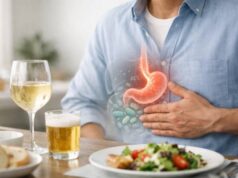
Feeling nauseated after a meal can be unsettling—especially when you cannot tell whether it is something you ate, something your stomach is doing, or something else entirely. The good news is that post-meal nausea is often explainable and, in many cases, manageable with targeted changes. Understanding when the nausea starts, what it feels like, and what comes with it (bloating, pain, reflux, dizziness, diarrhea, fatigue) can quickly narrow the possibilities. Sometimes the cause is straightforward, like overeating or a rich meal. Other times it is a pattern that points to reflux, gallbladder issues, medication effects, or delayed stomach emptying. This guide walks you through common causes and triggers, practical relief steps, and a clear path for when symptoms need medical evaluation—so you can move from guessing to a plan.
Key Insights
- Small, frequent meals and slower eating often reduce post-meal nausea within several days.
- Tracking timing, portion size, and accompanying symptoms can reveal a consistent trigger pattern.
- Ongoing nausea with weight loss, vomiting blood, black stools, severe pain, or dehydration needs prompt medical care.
- Ginger tea or capsules, hydration in small sips, and upright posture after meals can help many people in the moment.
Table of Contents
- Why nausea happens after meals
- Digestive causes that often explain it
- Food triggers and common intolerances
- Non-digestive causes worth considering
- When to get checked and what tests do
- Fast relief steps you can try
- Long-term prevention with meal habits
Why nausea happens after meals
Nausea is not a single “stomach symptom.” It is a protective alarm system coordinated between your gut, brain, and inner ear. After you eat, your stomach stretches, releases acid and enzymes, and begins coordinated contractions to grind and move food forward. At the same time, nerves and hormones signal fullness and regulate blood flow to digestion. If any part of that system is pushed too hard—or senses a threat—nausea can switch on.
Common physiologic reasons meals can trigger nausea
- Stomach stretching and pressure: Large portions, fast eating, or carbonated drinks can distend the stomach quickly. Stretch receptors can trigger nausea even when nothing “dangerous” is present.
- Delayed emptying: If the stomach empties slowly, food sits longer and can cause early fullness, bloating, and nausea that lingers for hours.
- Reflux and irritation: Acid or bile moving upward can irritate the esophagus and upper stomach. Some people feel burning; others mainly feel nausea and a sour taste.
- Strong fat signaling: High-fat meals stay in the stomach longer and prompt hormone signals that slow digestion. This can amplify nausea in sensitive people.
- Blood sugar swings: Very sweet, refined meals can cause a quick rise and subsequent drop in blood sugar in some people, leading to shakiness, lightheadedness, and nausea.
- Stress physiology: When you are anxious, rushed, or tense, your body can prioritize “fight-or-flight” over digestion. That can reduce stomach motility and increase nausea sensations.
Timing matters more than most people realize
The clock can be a clue. Nausea during or immediately after eating often points to speed, volume, reflux, anxiety, or strong odors. Nausea that peaks 30–90 minutes after eating may suggest irritation, intolerance, gallbladder strain, or blood sugar effects. Nausea that worsens 2–4 hours later can align with delayed emptying or richer meals that take longer to process. You do not need to diagnose yourself from timing alone, but it helps you ask better questions—and choose smarter experiments to reduce symptoms.
Digestive causes that often explain it
Digestive causes are common because meals are a direct challenge to the system: volume, fat content, acid, and gut motility all change at once. The key is to look for the “signature” that comes with the nausea—burning, cramping, right-sided pain, fever, diarrhea, or persistent fullness.
Frequent digestive causes
- Reflux (acid or non-acid): Nausea after eating can be a reflux symptom even without obvious heartburn. Clues include sour burps, throat clearing, hoarseness, or nausea that worsens when you bend over or lie down.
- Gastritis or ulcer irritation: Inflammation in the stomach lining can make meals feel uncomfortable. Some people describe gnawing pain, burning, or nausea that improves briefly with bland food and then returns.
- Functional dyspepsia: This is a pattern of bothersome upper-abdominal symptoms—early fullness, post-meal discomfort, bloating, nausea—without a visible structural cause on testing. Stress and certain foods can intensify symptoms.
- Gallbladder problems: Nausea after fatty meals, especially with right upper abdominal pain that may radiate to the back or right shoulder, can point to gallbladder strain.
- Gastroenteritis or foodborne illness: If nausea is paired with sudden vomiting, diarrhea, fever, or body aches, an infection or toxin is more likely—especially if others who ate the same food are sick.
- Constipation and slow transit: When the lower gut is backed up, the entire digestive tract can slow down. That can cause bloating, early fullness, and nausea after meals.
- Pancreas irritation: Severe upper abdominal pain, nausea, and vomiting—especially if pain is intense and persistent—needs prompt medical evaluation.
Red flags that should not be ignored
Seek urgent care (same day, and sometimes emergency care) if post-meal nausea is accompanied by any of the following:
- Vomiting blood or material that looks like coffee grounds
- Black, tarry stools
- Severe or worsening abdominal pain, rigid abdomen, or pain with fever
- Persistent vomiting with inability to keep fluids down for 8–12 hours
- Signs of dehydration (very dark urine, dizziness on standing, confusion)
- Unexplained weight loss, trouble swallowing, or progressive loss of appetite
- New nausea after age 50–60, especially if it is persistent or worsening
Most nausea after eating is not dangerous—but red flags shift the priority from self-care to evaluation.
Food triggers and common intolerances
Some people assume nausea after eating means “food poisoning,” but food-related nausea is often about dose, composition, and sensitivity rather than contamination. The goal is to identify repeatable patterns you can change without overly restricting your diet.
Meal characteristics that commonly provoke nausea
- High-fat meals: Fried foods, creamy sauces, fatty cuts of meat, and heavy desserts linger longer in the stomach and can trigger nausea, especially if you also feel very full.
- Large portions: Even “healthy” foods can overwhelm the stomach if volume is high. Restaurant portions are a common culprit.
- Very spicy or acidic foods: Chili, hot sauces, citrus, tomato-heavy meals, and vinegar can worsen nausea if the stomach lining is irritated or reflux is present.
- Strong odors and high heat: Steaming hot foods with strong smells can trigger nausea through sensory pathways, particularly in migraine-prone people or during pregnancy.
- Alcohol and caffeine: Both can irritate the stomach, alter motility, and worsen reflux, making nausea more likely after eating.
Common intolerances and sensitivities
Intolerances usually cause a predictable cluster of symptoms and often depend on quantity:
- Lactose intolerance: Nausea, gas, bloating, cramps, and diarrhea within a few hours of dairy—often worse with milk and ice cream than with hard cheeses.
- High-FODMAP sensitivity: Certain fermentable carbohydrates (in foods like onions, garlic, wheat products, some fruits, and some sweeteners) can cause bloating and nausea through gas and distension.
- Fructose or sugar alcohol sensitivity: Large amounts of fruit juice, honey, or sweeteners such as sorbitol or xylitol can cause nausea, cramps, and diarrhea.
- Gluten-related disorders: Nausea after eating wheat-containing meals can occur in several conditions. If symptoms are chronic, include weight loss, anemia, or persistent diarrhea, testing may be warranted before changing your diet drastically.
A practical way to test triggers without over-restricting
Try a structured experiment for 10–14 days:
- Keep meal size moderate and avoid very high-fat meals.
- Limit the top personal suspects (for example: dairy, fried foods, or large servings of garlic/onion) one at a time.
- Reintroduce in a measured portion to see if symptoms reliably return.
This “remove and re-challenge” approach is more informative than cutting many foods at once, which can make patterns harder to see.
Non-digestive causes worth considering
It is easy to label nausea as a stomach problem, but nausea can be driven by the nervous system, hormones, medications, and even the inner ear. If nausea after eating does not fit a typical digestive pattern—or comes with symptoms outside the gut—these possibilities deserve attention.
Medication and supplement effects
Many medicines can cause nausea, especially when taken without food, with coffee, or in higher doses. Common categories include certain antibiotics, iron supplements, some pain relievers, some antidepressants, and medications that affect blood sugar. Supplements can also irritate the stomach—particularly high-dose zinc, fish oil, and some herbal blends. A key clue is timing: nausea that appears soon after starting, stopping, or changing a dose.
If you suspect a medication, do not stop it abruptly without guidance. Instead, note the pattern and ask whether taking it with food, changing the timing, or adjusting the formulation could help.
Pregnancy and hormonal shifts
In early pregnancy, nausea can be triggered by odors, fullness, and certain foods, and it may be worse in the morning but can occur after meals any time of day. Hormonal shifts around the menstrual cycle can also influence nausea, appetite, and reflux sensitivity in some people.
Migraine, vestibular issues, and sensory nausea
Nausea after eating can occur with migraine variants—sometimes without a classic headache. Bright light, motion, and strong smells can amplify it. Inner ear problems can also cause nausea, especially if meals coincide with dizziness, vertigo, ear pressure, or imbalance.
Metabolic and systemic causes
Blood sugar swings, thyroid disorders, adrenal problems, kidney issues, and infections can trigger nausea. You might suspect a systemic cause if nausea is paired with fatigue, tremor, sweating, palpitations, frequent urination, fever, or generalized weakness.
Anxiety and gut-brain signaling
The gut is densely wired to the brain. Stress can reduce stomach motility, increase visceral sensitivity, and heighten nausea perception. This does not mean symptoms are “in your head.” It means the gut-brain connection can be a real driver—and stress-reduction strategies can be legitimate treatment tools.
When to get checked and what tests do
If nausea after eating is frequent, worsening, or interfering with daily life, a focused medical evaluation can save time and prevent guesswork. The most useful visits come from matching symptoms to the right level of testing—neither ignoring warning signs nor ordering everything at once.
When self-care is reasonable
You can often try home strategies first if symptoms are mild to moderate and you have no red flags. Examples include nausea that clearly follows large meals, improves with smaller portions, or occurs only occasionally.
When to book a medical visit
Consider an appointment if any of these are true:
- Symptoms occur most days for more than 2–3 weeks
- You avoid eating because you expect nausea
- You have repeated vomiting, even if not severe
- You have significant bloating, early fullness, or ongoing upper abdominal discomfort
- Symptoms started after a medication change and have not settled
- You have diabetes, prior stomach surgery, or known digestive disease
How to prepare so the visit is efficient
Bring a one-page symptom snapshot:
- When nausea starts after meals (minutes, 1 hour, 3 hours)
- What it feels like (queasy, refluxy, motion-like, crampy)
- Associated symptoms (pain location, heartburn, bloating, diarrhea, fever, dizziness)
- 3–5 recent “example meals” that triggered symptoms
- Current medications and supplements, including doses
- Weight change over the past month
Common tests and what they clarify
Testing depends on your symptom pattern, age, and risk factors. Clinicians may consider:
- Basic blood work to look for anemia, inflammation, electrolyte issues, liver enzymes, thyroid patterns, and blood sugar problems
- Stool testing if infection or inflammation is suspected
- Breath testing in select cases to explore carbohydrate malabsorption patterns
- Ultrasound when gallbladder or liver issues are possible
- Upper endoscopy when there are red flags or persistent upper digestive symptoms
- Gastric emptying evaluation if strong, persistent early fullness and post-meal nausea suggest delayed emptying
A clear diagnosis is not always immediate, but the combination of history, exam, and targeted tests usually narrows the field substantially.
Fast relief steps you can try
When nausea hits after eating, the most helpful steps reduce stomach strain, prevent dehydration, and calm the nervous system signals that amplify nausea. Think “gentle, steady, and upright.”
Immediate strategies that often help
- Pause the meal: Stop eating for 10–20 minutes. Continuing to eat through nausea often makes it worse.
- Sit upright: Stay upright for at least 30–60 minutes. Avoid bending at the waist or lying flat.
- Sip fluids slowly: Small sips every few minutes are better than a full glass. If plain water worsens nausea, try a mild oral rehydration drink or diluted juice.
- Choose bland, low-fat foods next: If you need to eat later, try plain toast, crackers, rice, banana, applesauce, or broth.
- Cool air and reduced odors: Fresh air, a fan, or stepping away from cooking smells can lower sensory nausea quickly.
Evidence-informed home remedies
- Ginger: Many people tolerate ginger tea, chews, or capsules. Start with a modest amount and see how you respond. If reflux is a major symptom for you, ginger may help some people but worsen others—use your own pattern as the guide.
- Peppermint: Peppermint tea can ease cramping and nausea for some, but it can worsen reflux in others by relaxing the lower esophageal sphincter.
- Acupressure: Wrist pressure (commonly used for motion sickness) is low-risk and worth trying, especially if nausea feels “wave-like” or motion-related.
- Breathing reset: Slow breathing can reduce the adrenaline surge that makes nausea feel urgent. Try inhaling for 4 seconds, exhaling for 6 seconds, for 2–3 minutes.
Over-the-counter options and safety notes
Some people benefit from OTC remedies, but labels and medical context matter. If you are pregnant, on multiple medications, have chronic illness, or have frequent symptoms, ask a clinician or pharmacist before using anti-nausea products regularly. Also avoid repeated self-treatment if you are vomiting often, losing weight, or developing new pain—those situations call for evaluation rather than symptom suppression.
Long-term prevention with meal habits
Long-term improvement usually comes from reducing the specific “load” that triggers your nausea—volume, fat, reflux pressure, sensory stimulation, or motility stress. You do not need a perfect diet. You need a repeatable structure that your digestive system tolerates.
Build a nausea-reducing meal structure
Many people do better with:
- Smaller meals, more often: Aim for 4–6 smaller meals or mini-meals rather than 1–2 very large meals.
- A slower pace: Take 20 minutes when possible. Put utensils down between bites. Chew thoroughly.
- Moderate fat portions: Instead of avoiding fat entirely, distribute it across the day. Very high-fat meals are a common nausea trigger.
- Balanced plates: Pair carbohydrates with protein and fiber to reduce big blood sugar swings and improve satiety without overload.
- Gentle liquids: If solid meals trigger nausea, try a temporary “soft and moist” approach—soups, smoothies, yogurt alternatives, oatmeal—while you work on the underlying cause.
Reduce reflux and pressure after eating
- Stay upright for 2–3 hours after meals if reflux is part of your pattern.
- Avoid tight waistbands or compressive shapewear immediately after eating.
- If nighttime nausea or reflux is an issue, finish the last meal or snack earlier and keep it lighter.
Support motility and gut-brain regulation
- Walk after meals: A gentle 10–15 minute walk can improve gastric movement and reduce bloating and nausea for many people.
- Regular bowel habits: Treat constipation proactively with hydration, fiber adjustments, and routine. When the lower gut is sluggish, nausea after meals is more likely.
- Stress and sleep: If symptoms cluster on high-stress days, add one targeted tool—brief breathing practice, a short decompression routine before meals, or therapy-based strategies for gut-brain symptoms.
When diet changes are not enough
If you have persistent nausea, repeated vomiting, significant early fullness, or unintended weight loss, do not rely on diet alone. Those patterns can reflect conditions that benefit from medical treatments, targeted testing, or medication adjustments. The most effective plan is often a combination: meal structure plus diagnosis-driven care.
References
- ACG Clinical Guideline: Gastroparesis – PMC 2022 (Guideline)
- ACG Clinical Guideline: Guidelines for the Diagnosis and Management of Gastroesophageal Reflux Disease – PMC 2022 (Guideline)
- European Guideline on Chronic Nausea and Vomiting—A UEG and ESNM Consensus for Clinical Management – PMC 2025 (Guideline)
- British Society of Gastroenterology guidelines on the management of functional dyspepsia – PubMed 2022 (Guideline)
Disclaimer
This article is for educational purposes and does not replace personalized medical advice, diagnosis, or treatment. Nausea after eating can have many causes, some of which require professional evaluation. Seek urgent medical care for severe abdominal pain, vomiting blood, black stools, fainting, confusion, signs of dehydration, or rapidly worsening symptoms. If you are pregnant, have diabetes, take prescription medications, or have ongoing nausea that affects nutrition or weight, contact a qualified clinician for tailored guidance.
If you found this article helpful, consider sharing it with others on Facebook, X (formerly Twitter), or any platform you prefer.