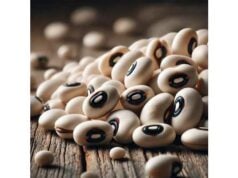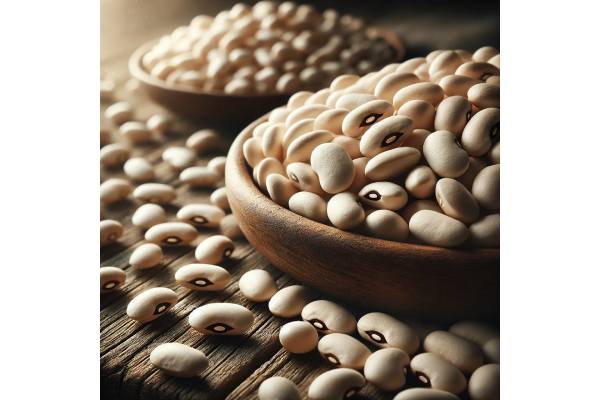
Navy beans—also called small white or pea beans—are mild, creamy legumes prized for their versatility, budget-friendliness, and dense nutrition. A half-cup (about 90 g) of cooked navy beans delivers meaningful protein and fiber with very little fat or sodium. Their starch is slowly digested, supporting steady energy and comfortable fullness. In the kitchen, navy beans are the backbone of baked beans, Senate bean soup, cassoulet-style stews, and silky purées; they also blend seamlessly into burritos, salads, pasta dishes, and grain bowls. For home cooks, they are forgiving: soak overnight or quick-soak, simmer until tender, and freeze extras for faster meals. From a nutrition standpoint, they supply folate, magnesium, iron, and potassium—nutrients many people fall short on. Sustainability is another plus: dry beans improve soil health through nitrogen fixation and have a relatively light footprint per serving. This guide explains what navy beans offer, how to buy and store them well, the best ways to prepare them, and when to exercise caution so you can enjoy them with confidence.
Essential Insights
- One ½ cup cooked serving (~90 g) provides ~8 g protein and ~10 g fiber with minimal fat.
- Regular bean intake supports healthier cholesterol and steadier post-meal blood sugar.
- Typical serving: ½–1 cup cooked (90–180 g), most adults can enjoy 3–5 times weekly.
- Safety: eat fully cooked; avoid raw or undercooked beans to prevent lectin-related illness.
- People on low-potassium diets or with significant GI sensitivity should limit portions and introduce gradually.
Table of Contents
- Navy beans: detailed overview
- Navy bean nutrition profile
- Evidence-based health benefits of navy beans
- Risks, allergies and interactions
- Selecting, quality, sustainability and storage
- Preparation, cooking and nutrient retention
- Portions, comparisons and FAQs
Navy beans: detailed overview
Navy beans (Phaseolus vulgaris) are the smallest of the white bean family and a close cousin of cannellini and great northern beans. Their neutral flavor and thin skins make them especially adaptable: they stay creamy in stews but can also be blended into sauces without dominating the dish. Historically, they earned their name because the U.S. Navy stocked them as a protein-rich staple; you still see them starring in Senate bean soup and Boston baked beans.
From a nutrition perspective, navy beans check several boxes. They are a plant-protein source that brings its own complex carbohydrates, soluble and insoluble fiber, resistant starch, and a broad micronutrient spectrum, especially folate (vitamin B9), magnesium, iron, potassium, and copper. Compared with many other starches, their carbohydrates digest more slowly, which helps moderate post-meal blood sugar rise while promoting satiety. Their fiber feeds beneficial gut bacteria, which in turn produce short-chain fatty acids that support gut-barrier integrity.
Culinarily, navy beans are a “bridge” ingredient: they pair with smoky flavors (paprika, bacon, chipotle), bright acids (lemon, vinegar, tomatoes), earthy herbs (sage, thyme, rosemary), and umami-rich ingredients (miso, Parmesan rinds, anchovy). They thicken soups naturally and can lighten ground meat mixtures or take the lead in vegetarian entrées. Cooked beans freeze well, so one weekend batch can anchor meals for weeks.
Dry navy beans are economical, portable, and shelf-stable for at least a year in a cool, dry cupboard. Canned versions are convenient; look for low-sodium options and rinse to further reduce sodium before using. If you have time, cooking from dry gives you control over tenderness, sodium, and aromatics—and yields a flavorful bean broth you can use as stock.
In dietary patterns, navy beans fit flexibly: Mediterranean, plant-forward, vegetarian, diabetic-friendly, high-fiber, and budget-conscious eating plans all make room for them. The big picture is simple and practical—build most meals around plants, and let beans supply affordable protein and fiber that support long-term health.
Navy bean nutrition profile
Below are typical values for beans, navy, mature seeds, cooked, boiled, without salt and, for context, dry raw. Cooking hydrates beans and dilutes nutrients by weight, so cooked-per-100 g values are lower than raw.
Macros and electrolytes (per 100 g cooked)
| Nutrient | Amount | %DV |
|---|---|---|
| Energy | 140 kcal | — |
| Protein | 8.2 g | 16% |
| Total carbohydrate | 26.0 g | 9% |
| Dietary fiber | 10.5 g | 38% |
| Total fat | 0.6 g | 1% |
| Saturated fat | 0.10 g | 1% |
| Sodium | 2 mg | 0% |
| Potassium | 389 mg | 8% |
| Water | 64.6 g | — |
Carbohydrates (per 100 g cooked)
| Component | Amount |
|---|---|
| Starch | 15.4 g |
| Total sugars | 0.37 g |
| Notable fermentable oligosaccharides (raffinose family) | present |
Fats and fatty acids (per 100 g cooked)
| Component | Amount |
|---|---|
| Monounsaturated fatty acids | ~0.13 g |
| Polyunsaturated fatty acids | ~0.25 g |
| Alpha-linolenic acid (ALA, omega-3) | ~0.18 g |
| Linoleic acid (omega-6) | ~0.14–0.25 g |
Protein and amino acids (per 100 g cooked)
Beans provide a complementary amino acid pattern for grains. Selected essential amino acids:
| Amino acid | Amount |
|---|---|
| Lysine | ~0.95 g |
| Leucine | ~0.70 g |
| Isoleucine | ~0.40 g |
| Valine | ~0.50 g |
| Threonine | ~0.29 g |
| Tryptophan | ~0.10–0.18 g |
| Methionine | ~0.20 g |
Vitamins (per 100 g cooked)
| Vitamin | Amount | %DV |
|---|---|---|
| Folate (DFE) | ~140 µg | 35% |
| Thiamin (B1) | ~0.24 mg | 20% |
| Vitamin B6 | ~0.14 mg | 8% |
| Niacin (B3) | ~0.66 mg | 4% |
| Riboflavin (B2) | ~0.07 mg | 5% |
| Choline | ~45 mg | 8% |
| Vitamin C | ~0.9 mg | 1% |
| Vitamin K | ~0.6 µg | 1% |
| Vitamin D, B12, A | 0 | 0% |
Minerals (per 100 g cooked)
| Mineral | Amount | %DV |
|---|---|---|
| Iron | ~2.4 mg | 13% |
| Magnesium | ~53 mg | 13% |
| Phosphorus | ~144 mg | 12% |
| Calcium | ~69 mg | 5% |
| Zinc | ~1.0 mg | 9% |
| Copper | ~0.21 mg | 23% |
| Manganese | ~0.53 mg | 23% |
| Selenium | ~3 µg | 5% |
For comparison: dry raw (per 100 g)
Energy ~337 kcal; protein ~22–23 g; carbohydrate ~61–63 g; fiber ~15–16 g; fat ~1.5–3 g; folate ~360–760 µg; potassium ~1,150–1,250 mg; magnesium ~170–370 mg; phosphorus ~400–850 mg. Raw values are provided for recipe formulation and pantry planning; beans must be fully cooked before eating.
Anti-nutrients and bioactives
- Phytic acid (mineral-binding) decreases with soaking and cooking; pairing beans with vitamin C–rich foods (citrus, tomatoes, peppers) supports iron absorption.
- Polyphenols and saponins contribute antioxidant and functional properties; most are heat-stable.
- Resistant starch increases after cooling cooked beans and can support a healthier gut milieu.
Note: %DV values use current adult Daily Values (2,000 kcal basis). Actual content varies by crop, season, and preparation.
Evidence-based health benefits of navy beans
Heart-health support (cholesterol, blood pressure). Regular pulse intake—beans, lentils, chickpeas, and peas—has been shown in controlled trials to modestly lower LDL cholesterol when eaten in amounts around one serving per day. For many people, simply swapping refined starch (white rice or pasta) for ½–1 cup of beans at meals is enough to move numbers in the right direction. Fiber likely drives much of this effect: soluble fibers bind bile acids and increase cholesterol excretion, while the overall bean matrix displaces saturated fat–rich foods. Potassium and magnesium also contribute to healthy blood pressure.
Steadier post-meal glucose. Navy beans have slowly digested starch with naturally occurring resistant starch and viscous fibers. When you combine them with higher-GI staples (rice, bread, potatoes), the meal’s overall glycemic impact tends to fall. People with insulin resistance or type 2 diabetes often find that building plates around beans, vegetables, and lean proteins smooths energy and reduces post-meal spikes. The benefit shows up acutely (lower glucose rise after a bean-rich meal) and over weeks when beans are a regular part of the diet.
Gut function and microbiome benefits. The fiber in navy beans feeds beneficial microbes that ferment it into short-chain fatty acids (SCFAs) such as butyrate, acetate, and propionate. SCFAs help maintain the gut barrier, provide fuel for colon cells, and play signaling roles that affect inflammation and insulin sensitivity. Cooling cooked beans (for salads or leftovers) can further increase resistant starch, nudging SCFA production upward. Gradual introduction helps your microbiome adapt, minimizing gas and bloating.
Nutrient repletion and dietary patterns. Navy beans deliver folate, iron, magnesium, and copper—nutrients commonly underconsumed. Folate supports normal cell division; magnesium participates in blood pressure regulation and glucose metabolism; iron supports oxygen delivery. For omnivores trying to shift toward plant-forward eating, beans are a realistic way to reduce red and processed meats without sacrificing satiety or protein. For vegetarians and vegans, pairing beans with vitamin C–rich produce and whole grains improves iron and amino acid balance.
Weight management and satiety. Beans’ low energy density, high fiber, and protein content promote fullness on fewer calories. Swapping beans into meals often leads to “passive” calorie reduction without restrictive rules. In trials, adding daily pulses tends to support small but meaningful weight and waist reductions over time—especially when they replace refined carbohydrates.
Athletic performance and recovery. For endurance and field athletes, navy beans help rebuild glycogen with a slower glucose release, while providing plant protein and minerals like iron and magnesium important for oxygen transport and muscle function. Blending beans into post-training burritos, grain bowls, or soups delivers both carbohydrate and protein for recovery.
Practical takeaways
- Aim for ½–1 cup cooked navy beans per serving, several days per week.
- To improve cholesterol, try a steady daily dose in place of refined starches.
- Combine with vegetables, whole grains, and healthy fats for best effect.
- Cool some portions (salads, leftovers) to bump resistant starch and diversity of fibers.
Risks, allergies and interactions
Undercooked beans and lectins. Raw or undercooked beans contain lectins (notably PHA) that can cause acute gastrointestinal illness. Fortunately, standard cooking practices neutralize lectins: soak and then boil vigorously for sufficient time until beans are fully tender. Avoid slow cookers on low for dry, unsoaked beans—temperatures may not stay high enough early on.
Digestive comfort. Gas and bloating are common when increasing bean intake quickly, largely due to raffinose-family oligosaccharides. These are fermentable fibers: they are good for microbes but can be challenging at first. To improve tolerance:
- Start with ¼–½ cup cooked at a time and gradually increase.
- Soak overnight; discard soak water and cook in fresh water.
- Consider pressure cooking; it reduces some oligosaccharides.
- Rinse canned beans well.
- Combine with ginger, fennel, cumin, or asafoetida in cooking.
Allergy and cross-reactivity. Legume allergy exists, though it is much less common than peanut or soy allergy. Cross-reactivity can occur among legumes; anyone with a known legume allergy should consult an allergist before broadening bean intake. For most people without diagnosed allergy, beans are safe.
Kidney disease and potassium. Cooked navy beans provide moderate potassium. People with advanced chronic kidney disease or those instructed to follow a low-potassium diet should work with a clinician or renal dietitian to set appropriate portions and leaching strategies (e.g., soaking, boiling in ample water, and portion control).
Medication considerations.
- Iron supplements: Beans are rich in phytate, which can reduce iron absorption from supplements when taken together. Take iron tablets away from bean-based meals if directed.
- Diabetes medications: Adding beans may improve glycemic control; monitor blood glucose as your overall carbohydrate pattern changes, and adjust under medical guidance.
- Anticoagulants: Navy beans are low in vitamin K; typical portions do not interfere with warfarin when your intake is consistent.
Sprouts vs. cooked beans. Raw sprouts of any kind (including mung and clover) have been linked to foodborne illness; high-risk groups (pregnant people, young children, older adults, those immunocompromised) should avoid raw sprouts or cook them thoroughly. Mature, fully cooked beans are not implicated in this risk when prepared safely.
Bottom line: cook beans thoroughly, increase portions gradually, and tailor serving sizes to your medical needs. Most healthy adults can enjoy navy beans several times a week without issue.
Selecting, quality, sustainability and storage
Choosing dry beans
- Look: Uniform, uncracked beans with minimal broken pieces or debris. Older stock may look chalky and take longer to soften.
- Varieties: “Navy,” “small white,” and “pea bean” are used interchangeably. If you cannot find navy beans, great northern or cannellini work in most recipes with minor textural differences.
- Bulk vs. bagged: Bulk bins can be excellent if turnover is high. Check for recent restocking and clean bins. Sealed bags protect against moisture and pests.
Buying canned beans
- Labels: Prefer “low-sodium” or “no salt added.” If only standard options are available, rinsing under water can markedly reduce sodium.
- Ingredients: Beans, water, and salt are sufficient. Avoid unnecessary additives.
- Texture: Some brands are firmer (great for salads), others softer (better for purées). Experiment to find your preferred style.
Sustainability and sourcing
Dry beans are among the most climate-friendly proteins per gram of protein produced. They fix atmospheric nitrogen, reducing synthetic fertilizer needs and improving soil health in rotations with grains and vegetables. Navy beans are grown widely in North America and globally; local or regional sourcing, when available, can reduce transport emissions and support farmers.
Storage tips
- Dry beans: Keep in airtight containers in a cool, dark cupboard. Best quality for 12–18 months; older beans are safe but can require longer cooking.
- Cooked beans: Refrigerate within two hours of cooking in shallow containers. Use within 3–4 days or freeze up to 3 months. Store in cooking liquid to prevent drying and to retain flavor for soups and sauces.
- Canned beans once opened: Transfer to a glass or food-safe container, refrigerate, and use within 3–4 days.
Quality troubleshooting
- Beans not softening: Possible causes include very old beans, hard water (high calcium/magnesium), or acidic ingredients added too early. Try: cooking longer, adding a pinch of baking soda to hard water, and waiting to add acids (tomato, vinegar) until beans are nearly tender.
- Split skins: Usually from boiling too vigorously or adding salt very late. Start with a steady simmer and add salt mid-cook once skins have hydrated.
Smart shopping and care at home minimize waste and maximize flavor. With a small pantry space and a freezer container or two, you can make navy beans a reliable weeknight staple.
Preparation, cooking and nutrient retention
1) Soaking (optional but helpful)
- Overnight: Rinse 1 cup dry beans, cover with 3–4 cups water, soak 8–12 hours; drain and rinse.
- Quick-soak: Boil beans in plenty of water for 2 minutes, turn off heat, cover 1 hour; drain and rinse.
Soaking promotes even hydration, can shorten cook time by 25–35%, and may reduce some oligosaccharides that cause gas.
2) Cooking methods
- Stovetop simmer: Combine soaked beans with fresh water (about 1:4 bean-to-water by volume), bring to a boil for at least 10 minutes, then reduce to a gentle simmer until tender, 45–75 minutes depending on bean age. Skim foam as needed. Add aromatics (onion, garlic, bay, herbs) at the start; add salt once skins are hydrated (about 20–30 minutes into simmer).
- Pressure cooker/Instant Pot: After soaking, cook at high pressure for ~20–25 minutes; natural release 10–15 minutes. Unsoaked beans typically require ~30–35 minutes.
- Slow cooker: Use only with pre-boiled beans (10 minutes at a rolling boil) to ensure lectins are neutralized before slow cooking. Then cook on low 4–6 hours until tender.
3) Flavor strategies
- Aromatics: Bay leaf, onion, carrot, celery, garlic, thyme, rosemary, sage.
- Umami boosters: Tomato paste (add mid-cook), miso (stir in at the end), Parmesan rind, anchovy, dried mushrooms.
- Spice profiles:
- Mediterranean: olive oil, garlic, rosemary, lemon zest.
- Latin: cumin, oregano, chipotle, lime.
- Middle Eastern: cumin, coriander, paprika, sumac.
- South Asian: mustard seed, cumin, turmeric, ginger.
4) Nutrient retention tips
- Use the bean broth. Many water-soluble vitamins and minerals move into the cooking liquid; incorporate it into soups and sauces.
- Avoid overcooking. Aim for tender but intact beans to preserve texture and micronutrients.
- Cool and reheat smartly. Cooling increases resistant starch; reheating gently preserves texture.
- Acid timing. Add acids (tomato, vinegar, citrus) when beans are nearly tender; adding too early can slow softening and lengthen cook times.
5) Batch cooking and freezing
- Cook 1–2 pounds dry beans at once. Cool quickly on sheet pans, pack in 1–2 cup portions with some cooking liquid, label, and freeze.
- Thaw overnight in the fridge or reheat directly from frozen in soups and stews.
- For salads, drain and briefly warm beans with olive oil and aromatics to refresh texture.
6) Simple recipe templates
- Herbed white bean purée: Warm beans with garlic and rosemary in olive oil; splash of lemon; blend with a little bean broth.
- Weeknight bean pasta: Sauté onion, tomato paste, chili flakes; add beans and reserved pasta water; finish with parsley and lemon.
- Citrus bean salad: Toss cooled beans with chopped celery, herbs, olive oil, lemon zest, and a pinch of sumac.
With basic technique and a few pantry aromatics, navy beans can be silky, flavorful, and nutrient-dense in under an hour of hands-on time.
Portions, comparisons and FAQs
Recommended portions and frequency
- Standard serving: ½ cup cooked (about 90 g).
- Everyday use: ½–1 cup cooked per meal, 3–5 days per week, suits most adults.
- Children: Start with 2–4 tablespoons and increase gradually.
- Athletes: 1 cup cooked alongside lean protein and vegetables supports recovery.
How navy beans compare
- Navy vs. cannellini: Navy are smaller and creamier; cannellini are larger with more distinct shape. Nutrition per 100 g cooked is broadly similar; navy often provide slightly more fiber per bite due to smaller size and denser skins.
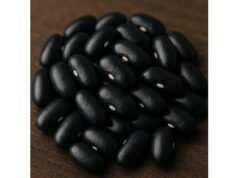
- Navy vs. black beans: Both are high-fiber and protein-rich. Black beans bring anthocyanins (purple/black pigments) and a slightly earthier flavor; navy beans are milder and creamier.
- Navy vs. chickpeas: Chickpeas are firmer with more starch per bite and slightly less fiber per 100 g cooked. Navy beans usually offer a softer texture and higher folate density.
- Dried vs. canned: Nutritionally comparable once drained and rinsed. Canned beans are convenient but can be higher in sodium; choose low-sodium and rinse well.
Budget and meal planning
- Dry beans cost pennies per serving and scale beautifully for families. Batch-cook on weekends, freeze, and build quick bowls: beans + whole grains + seasonal vegetables + a flavorful sauce.
Frequently asked questions
- Do I have to soak? No, but soaking shortens cooking time and may improve digestibility. If skipping, expect longer cooking and consider pressure cooking.
- Why are my beans tough? Likely old beans, hard water, or early acid/salt. Use fresher beans, try a pinch of baking soda, and add acid late.
- Can I eat beans daily? Many people thrive on one serving most days. If you experience persistent GI discomfort despite gradual increases and proper prep, scale back and discuss with a clinician or dietitian.
- Are beans okay on low-carb diets? They are carbohydrate-containing, but their fiber and resistant starch make them metabolically friendlier than refined starches. Portions can be tailored to your plan.
- How can I improve iron absorption from beans? Pair with vitamin C (citrus, peppers, tomatoes) and cook in cast iron for a small iron boost. Keep tea/coffee away from iron-focused meals.
Bottom line: Navy beans are an exceptionally practical food—nutrient-dense, versatile, affordable, and sustainable. Keep a couple of cans on standby and a jar of cooked beans in the freezer, and you will always have the building blocks of a satisfying, nutritious meal.
References
- Effect of dietary pulse intake on established therapeutic lipid targets for cardiovascular risk reduction: a systematic review and meta-analysis of randomized controlled trials 2014 (Systematic Review)
- Legume consumption in adults and risk of cardiovascular disease and type 2 diabetes: a systematic review and meta-analysis 2023 (Systematic Review)
- Resistant starch and the gut microbiome: Exploring beneficial interactions and dietary impacts 2024 (Systematic Review)
- Natural Toxins in Food 2024 (Guidance)
- Nutrition Facts for Cooked Navy Beans 2025 (Database)
Disclaimer
This article is for general education and is not a substitute for personalized medical advice, diagnosis, or treatment. Nutrition needs vary based on your health history, medications, and goals. Always consult a qualified healthcare professional or registered dietitian before making significant dietary changes, especially if you have chronic conditions, food allergies, or are pregnant.
If you found this guide useful, please consider sharing it on Facebook, X (formerly Twitter), or your favorite platform. Your support helps us keep producing practical, evidence-based nutrition content.